South Indian Recipes: Crispy Dosas, Fermented Batters, and Regional Flavors
When you think of South Indian Recipes, a vibrant, rice-based culinary tradition from the southern states of India known for its fermented batters, coconut flavors, and light yet satisfying meals. Also known as Dravidian cuisine, it’s the kind of food that starts your day with a crispy dosa and ends it with a bowl of steaming idli and sambar. These aren’t just meals—they’re a daily ritual built on patience, tradition, and a deep understanding of how ingredients behave together.
The magic behind most South Indian breakfasts lies in fermentation, a natural process where bacteria and yeast break down starches and sugars to create airiness, tang, and digestibility. This is what turns a simple mix of rice and lentils into fluffy idlis or crisp dosas. You don’t need fancy tools. Just time, warmth, and the right ratio of ingredients. But here’s the catch: not all rice works the same. best rice for dosa, specifically parboiled or idli rice, gives the batter the right structure to hold air and crisp up without turning gummy. Using regular long-grain rice? You’ll end up with flat, sticky dosas. It’s not your pan—it’s the grain.
Then there’s curd in dosa, a simple addition that speeds up fermentation and adds a subtle tang that balances the earthiness of the lentils. It’s not optional if you want that authentic flavor. But add too much, and your batter turns sour before it’s ready. Too little, and your dosas stay dense. It’s a tightrope walk—and one that every home cook eventually masters through trial and error. And while some try shortcuts like yeast, the truth is, nothing beats the slow, natural rise. Yeast gives you speed, but it steals the soul of the batter.
Why do so many people struggle with rubbery or soggy dosas? It’s rarely the heat of the tawa. More often, it’s the batter’s texture, the fermentation time, or the type of rice used. The posts below break down exactly what goes wrong—and how to fix it. You’ll find out why soaking time matters more than you think, how temperature changes your fermentation, and what happens when you skip the urad dal grind. These aren’t theories. They’re fixes from real kitchens, tested by people who make dosas every morning.
Whether you’re trying to nail that first crispy edge, understand why your batter smells sour, or pick the right rice from the store shelf, everything you need is right here. No fluff. No guesswork. Just clear, practical answers to the questions that actually matter when you’re standing at your counter with a bowl of batter and a hot tawa waiting.
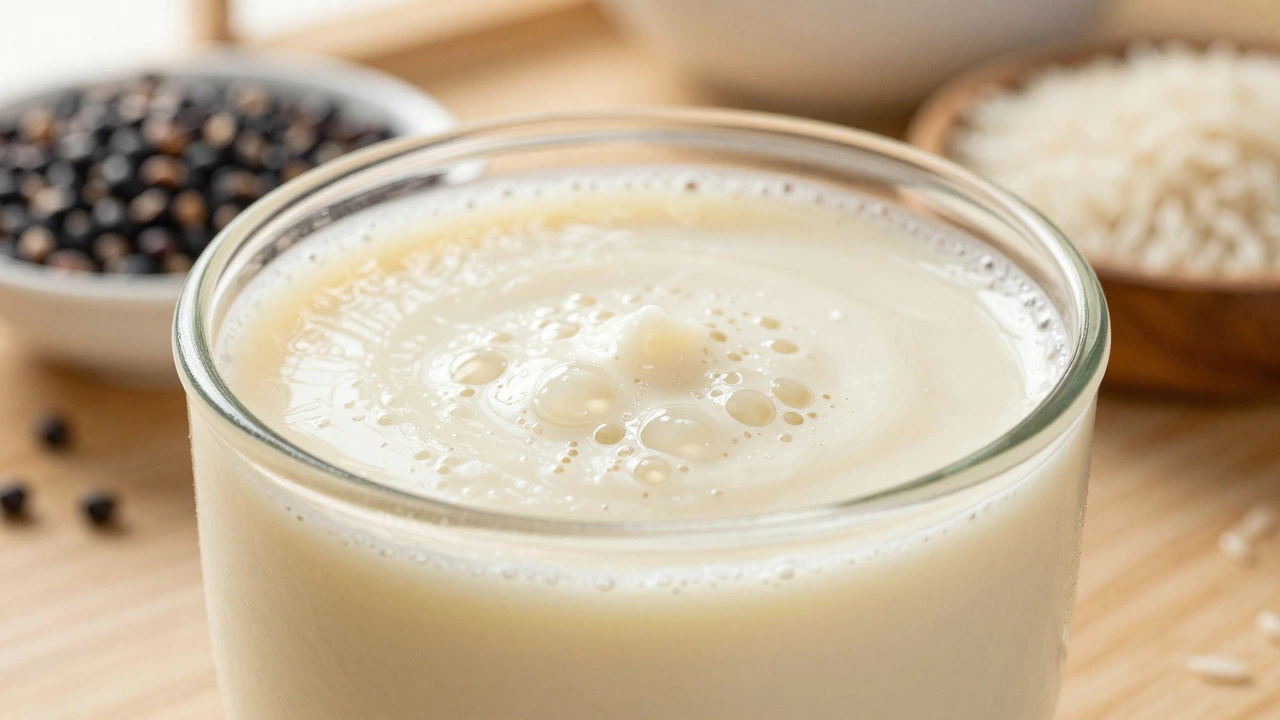
How Many Hours to Ferment Dosa Batter: The Ultimate Guide
Learn exactly how many hours to ferment dosa batter for perfect crispiness. Discover tips for different temperatures, signs of readiness, and troubleshooting advice.
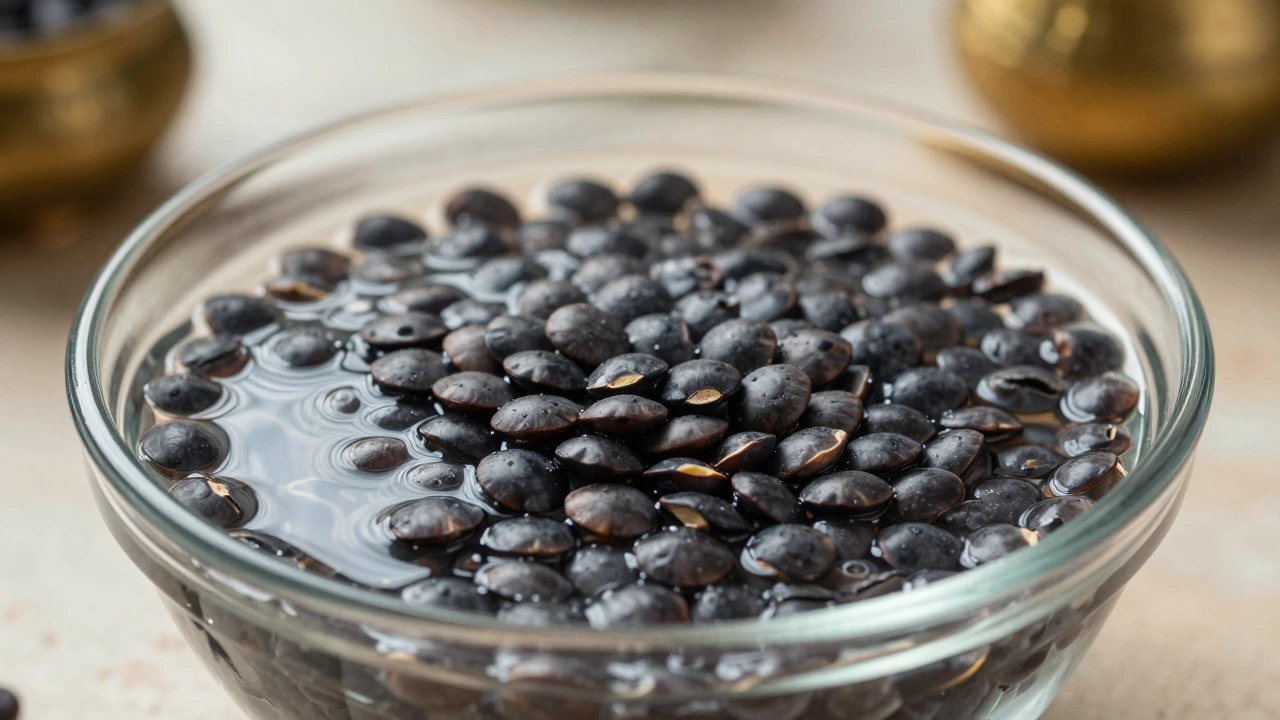
How Long to Soak Urad Dal for Dosa Batter: The Complete Guide
Learn the exact soaking time for urad dal to make perfect dosa batter. Discover how temperature affects fermentation, grinding tips, and troubleshooting advice for crispy, fluffy dosas every time.
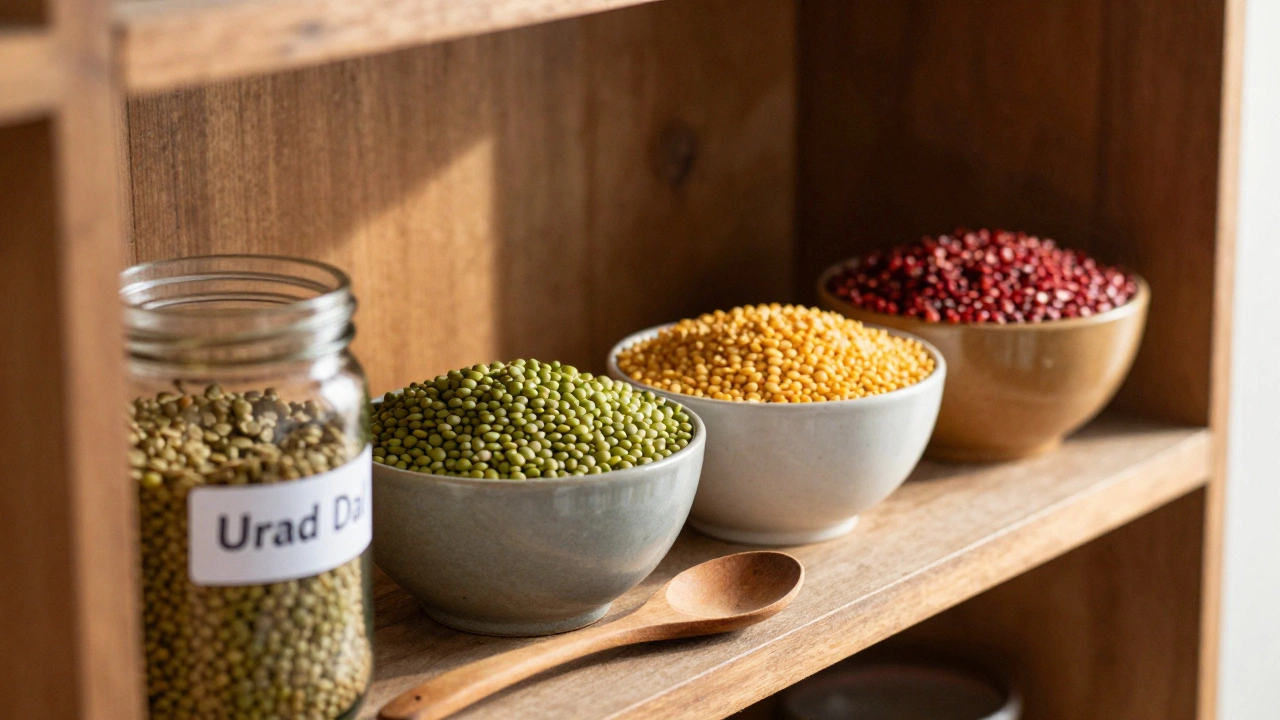
What Can Replace Urad Dal in Dosa Batter? Best Substitutes for Crispy Dosas
Out of urad dal? Discover the best substitutes for dosa batter including moong dal, chana dal, and gluten-free options. Learn expert tips for crispy, fluffy dosas every time.
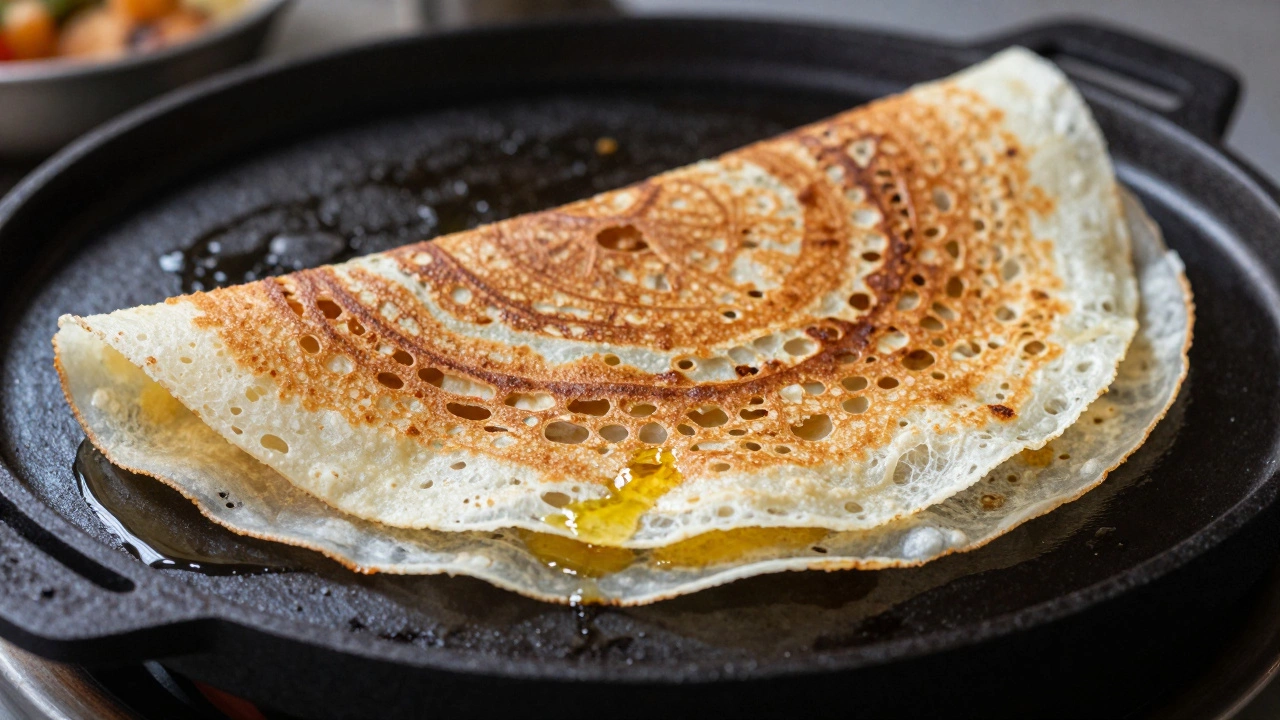
Perfect Dosa Batter Ratio: How Much Rice for 3 Cups of Urad Dal?
Discover the perfect rice-to-dal ratio for crispy dosa batter. Learn why 3 cups of urad dal needs 6-9 cups of rice, how to choose the right grain, and troubleshooting tips for fermentation.
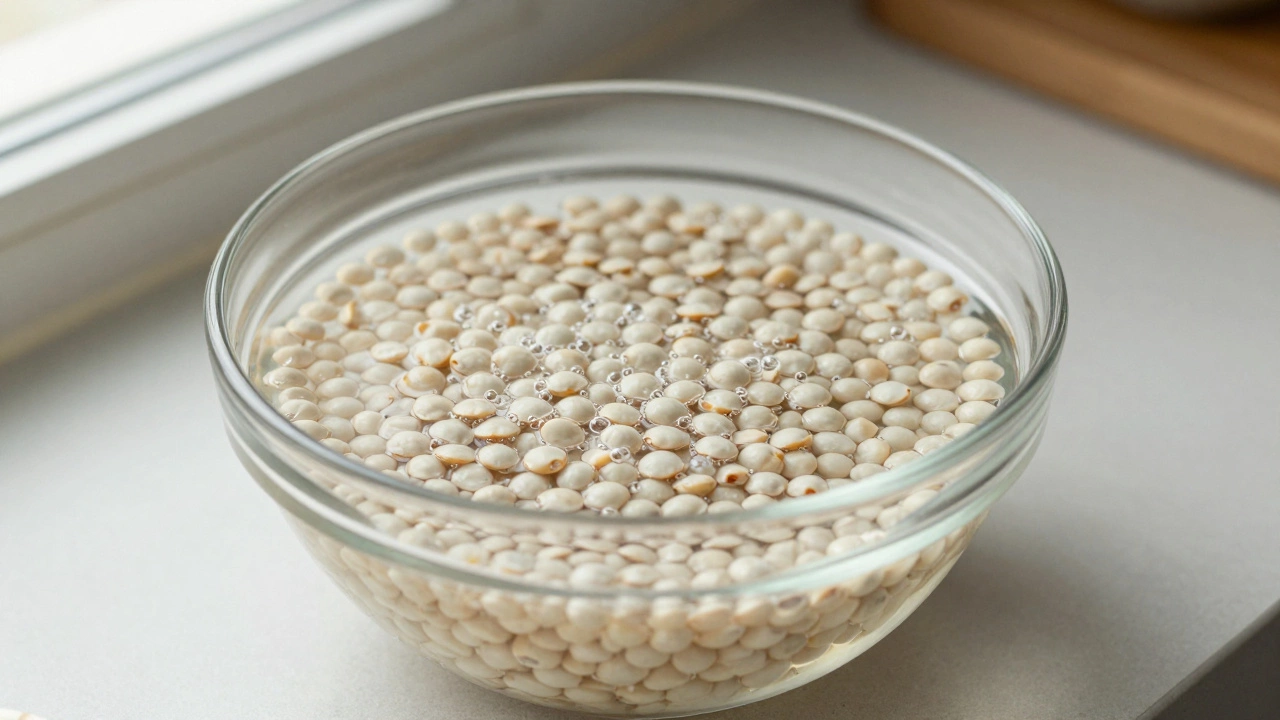
Should You Soak Urad Dal Overnight for Dosa?
Discover why soaking urad dal overnight is crucial for the perfect dosa. Learn the science of hydration, fermentation tips, and a step-by-step guide for crispy dosas.

Should I Add Salt Before Fermenting Dosa Batter? The Science Behind Timing and Taste
Adding salt before fermenting dosa batter can kill good bacteria and prevent rising. Learn why waiting until after fermentation gives you crisp, fluffy dosas every time-even in cool climates.
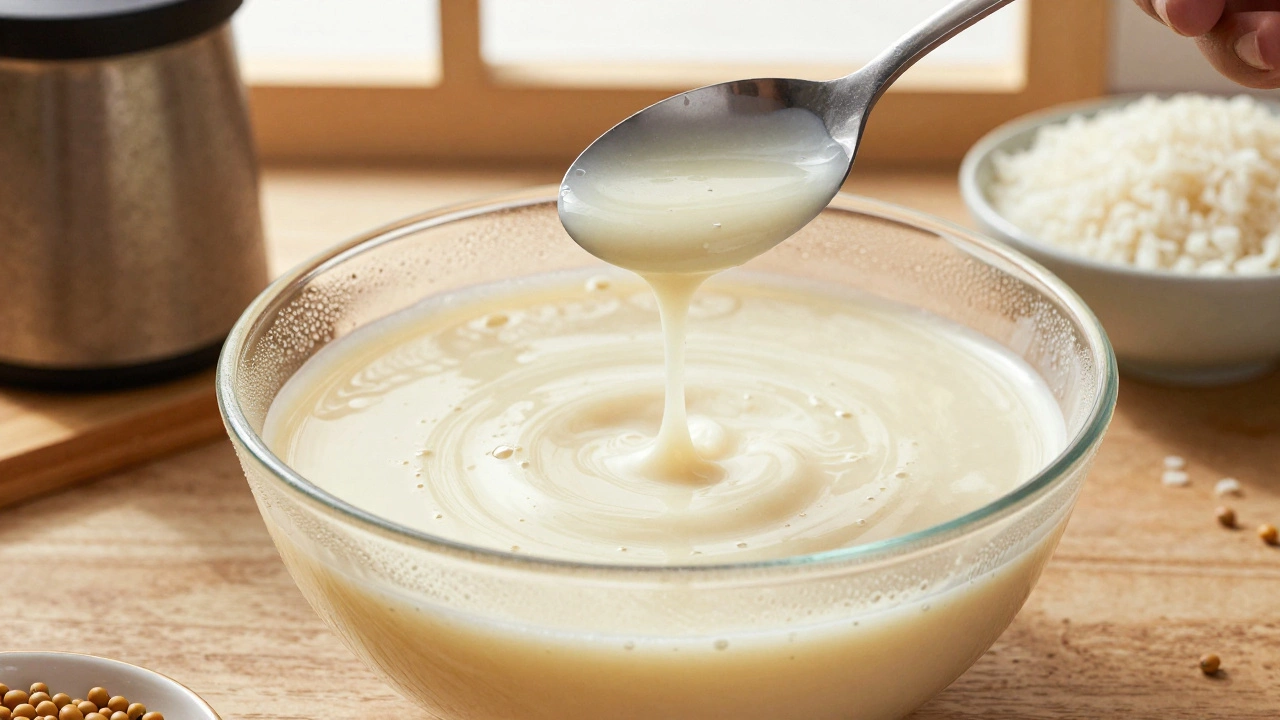
Why Is My Dosa Batter Rubbery? Fix Your Dosa Batter with These Simple Fixes
Your dosa batter turns rubbery because it's under-fermented, too thick, or not ground right. Learn how to fix it with temperature tips, water ratios, and fermentation tricks that actually work.
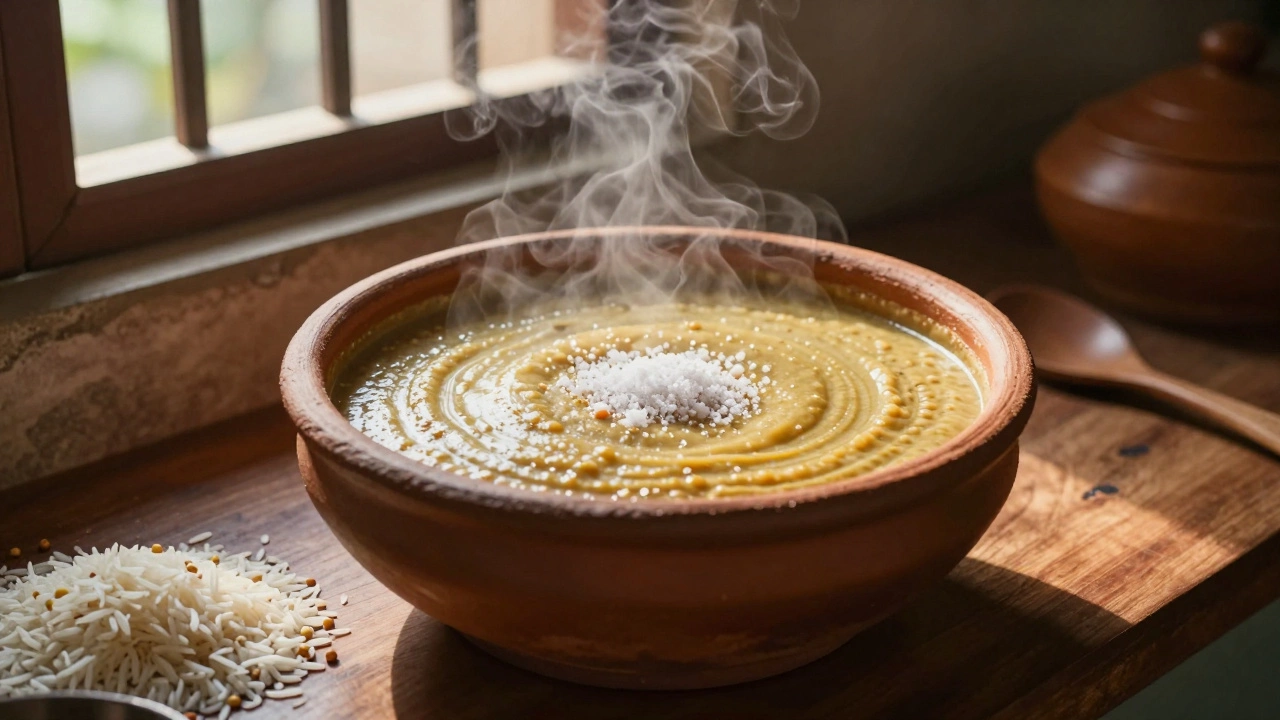
Should We Add Salt to Dosa Batter? The Science Behind the Flip
Adding salt to dosa batter isn't optional - it's essential for flavor and fermentation. Learn the right amount, timing, and type of salt to use for perfect, crispy dosas every time.
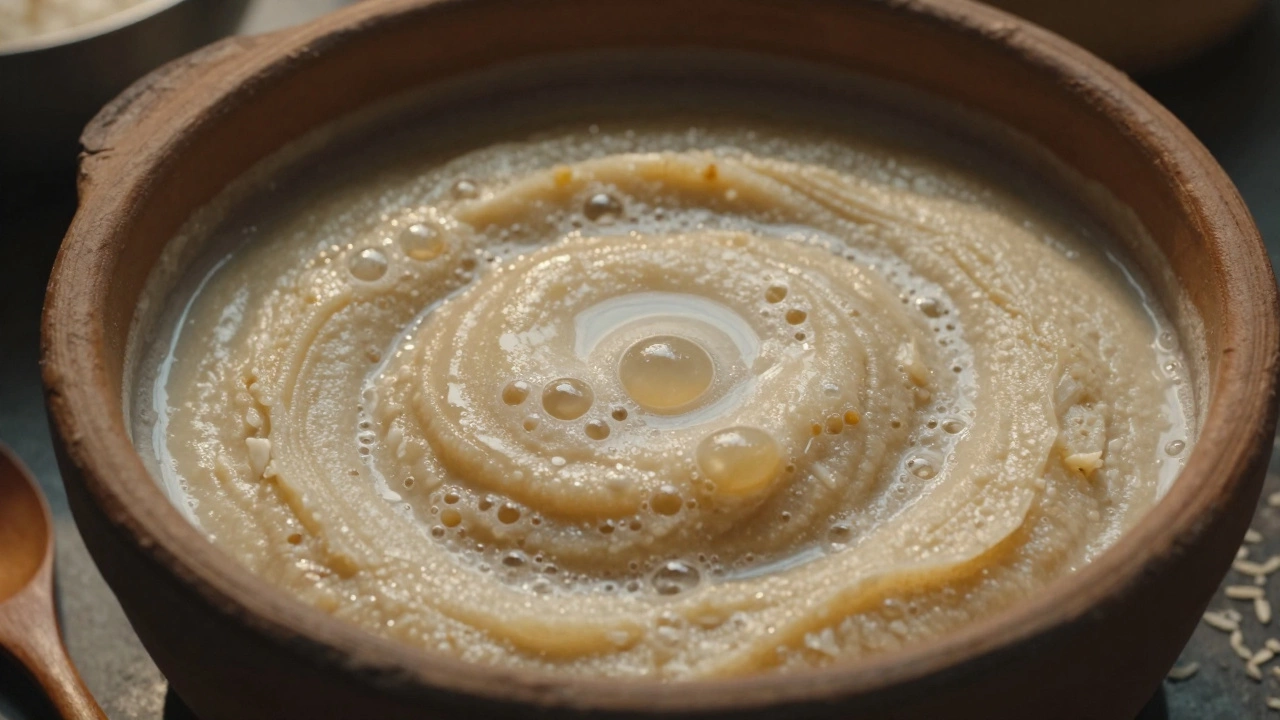
Is It Safe to Eat Over-Fermented Dosa Batter? What Happens When It Sours Too Much
Is over-fermented dosa batter safe to eat? Learn what happens when it sours too much, how to tell if it's spoiled, and simple fixes to save your batter without risking your health.
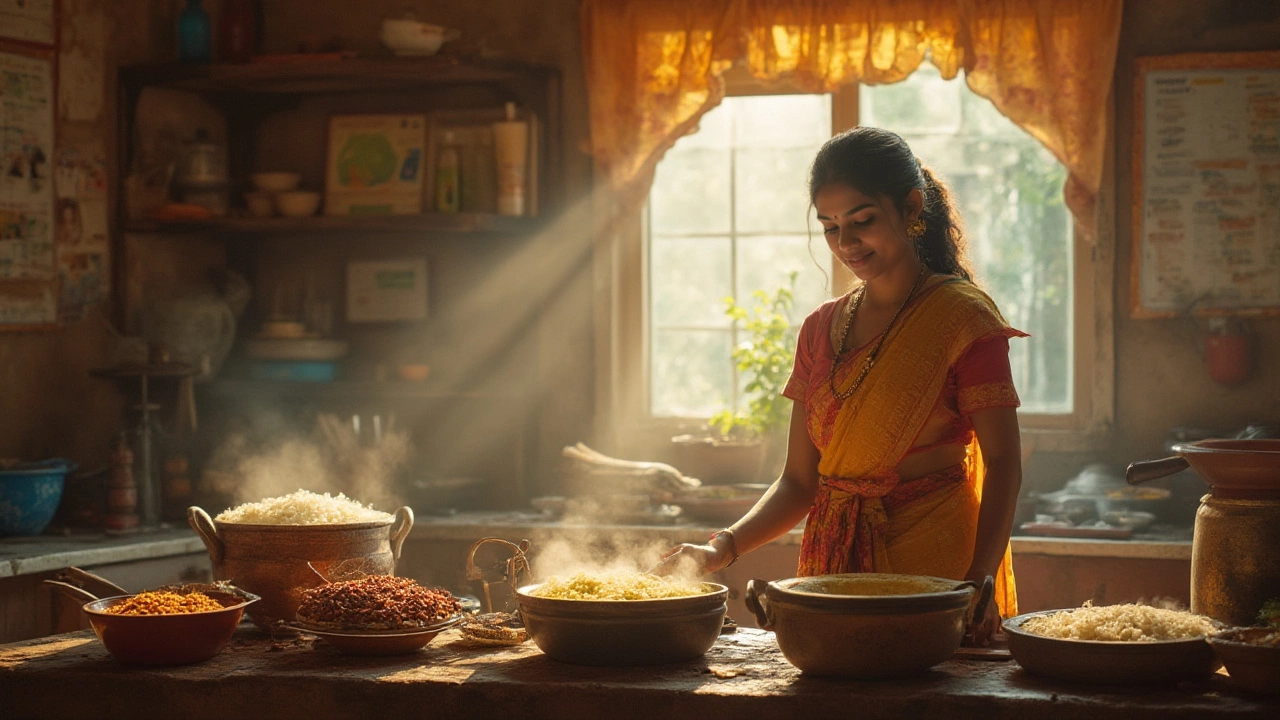
Dosa vs. Rice: Which One Is Healthier for Your Diet?
Curious if dosa beats rice for health? Find out how dosa compares to rice in nutrition, digestion, and weight management, plus expert tips for healthy eating.
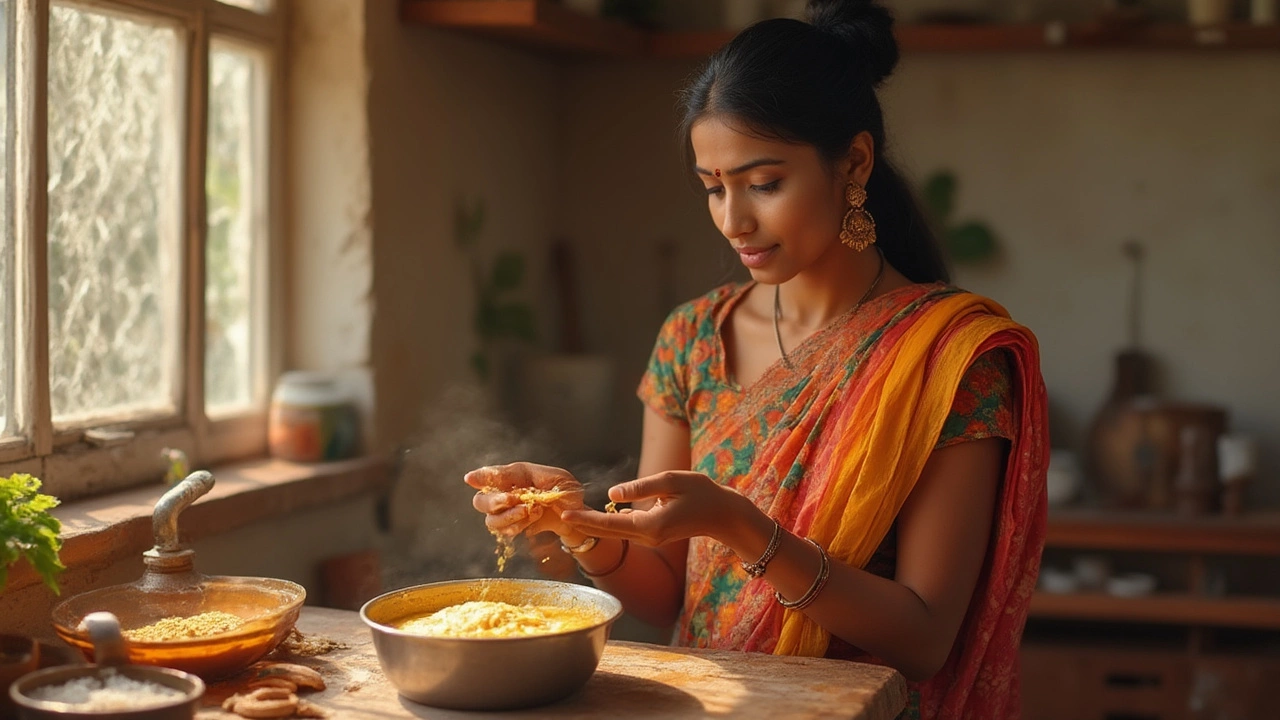
Why Your Dosa Batter Turns Rubbery: Causes, Fixes, and Pro Tips
Discover why dosa batter turns rubbery, how to fix it, and expert tips for perfect crispy dosas every time at home.

Curd in Dosa Batter: What Really Happens and Why You Should Try It
Curious about adding curd to dosa batter? This article breaks down what actually happens when you mix curd into your dosa base, tackling texture, taste, and technique. Discover how curd changes fermentation, why it makes your dosas fluffier, and what to watch out for if you go overboard. Packed with practical tips for home cooks who want to level up their dosas. If you've ever ended up with flat or sour dosas, this guide is for you.