Cultural Food Practices: Traditions, Restrictions, and Global Eating Habits
When we talk about Cultural food practices, the unwritten rules and traditions that shape how communities eat, celebrate, and connect through food. These aren’t just recipes—they’re identity, history, and belief served on a plate. From the morning langar in a gurdwara to the sweet treats handed out during Diwali, what you eat often says more about where you come from than your taste buds ever could.
Take Sikh diet, the food choices guided by religious principles and community values in Sikhism. Many Sikhs avoid eggs, not because they’re vegan, but because of how Langar—the community kitchen—keeps meals simple, inclusive, and free from ambiguity. It’s not about restriction; it’s about unity. Then there’s chutney, a tangy, spicy condiment from South Asia that became a global word without translation. It’s not just a sauce—it’s a linguistic artifact, borrowed into English because no other word captured its flavor. And when we look at sweets consumption, how much candy, jalebi, or chocolate a person eats in a year, we see patterns that map to festivals, income, and even emotional comfort. Some nations eat twice as much sugar as others—not because they’re addicted, but because their culture celebrates sweetness as part of belonging.
These aren’t random habits. They’re systems. Cultural food practices tell you who you’re eating with, why you’re eating it, and what you’re honoring. They change slowly, if at all. A family might skip meat on Friday, but they’ll still make chutney the same way their grandmother did. A Sikh might eat tofu curry, but won’t touch eggs because the line between vegetarian and non-vegetarian is drawn in faith, not ingredients. And in countries where sweets are part of every celebration, skipping them isn’t just unusual—it’s like skipping a holiday.
What you’ll find here isn’t a list of dos and don’ts. It’s the real stories behind the food. Why chutney has its own English name. Who eats the most sugar—and why. What eggs have to do with faith. These aren’t trivia. They’re windows into how people live. And if you’ve ever wondered why your neighbor’s dinner looks nothing like yours, this is where you start understanding.
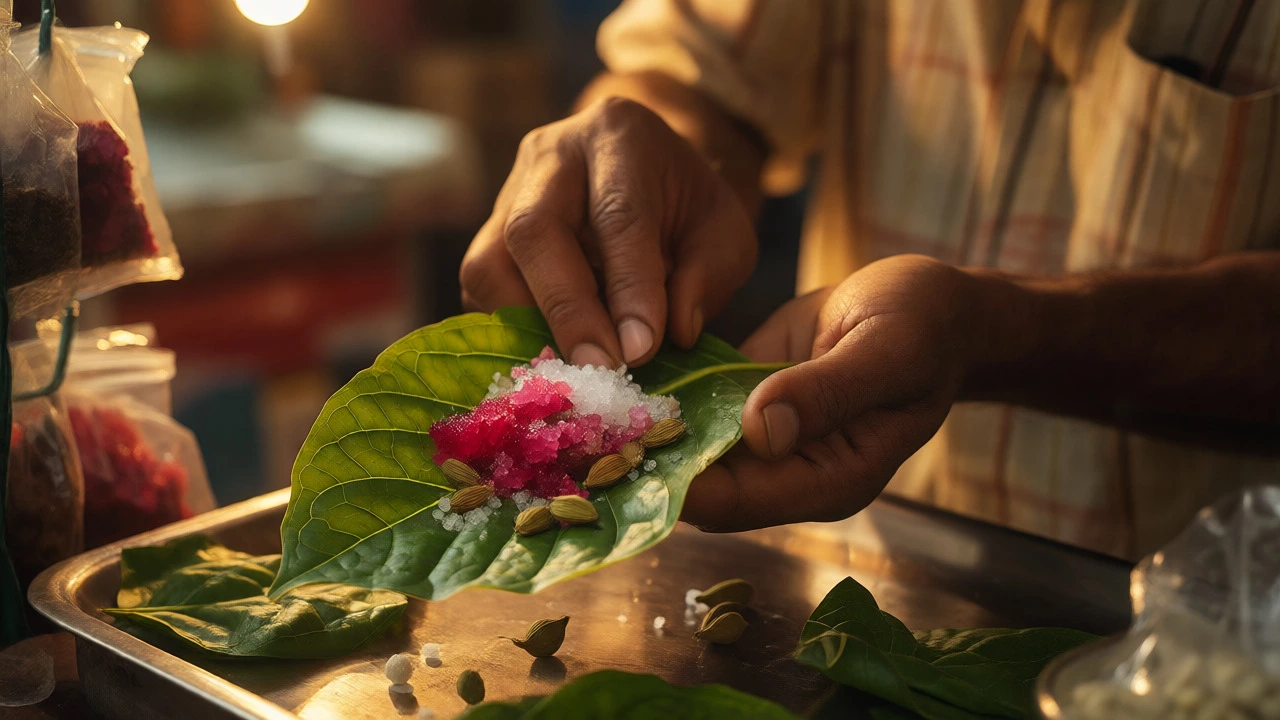
What Is the Indian Chewing Stuff? A Guide to Paan and Gutka
Discover what the famous 'Indian chewing stuff' really is. We break down the differences between Paan and Gutka, explain the ingredients like betel leaf and areca nut, and reveal why it stains everything red.

How Do You Say Chutney in English? Definition, Pronunciation, and Usage
Discover how to say and define chutney in English. Learn pronunciation, differences from salsa/relish, and usage tips.
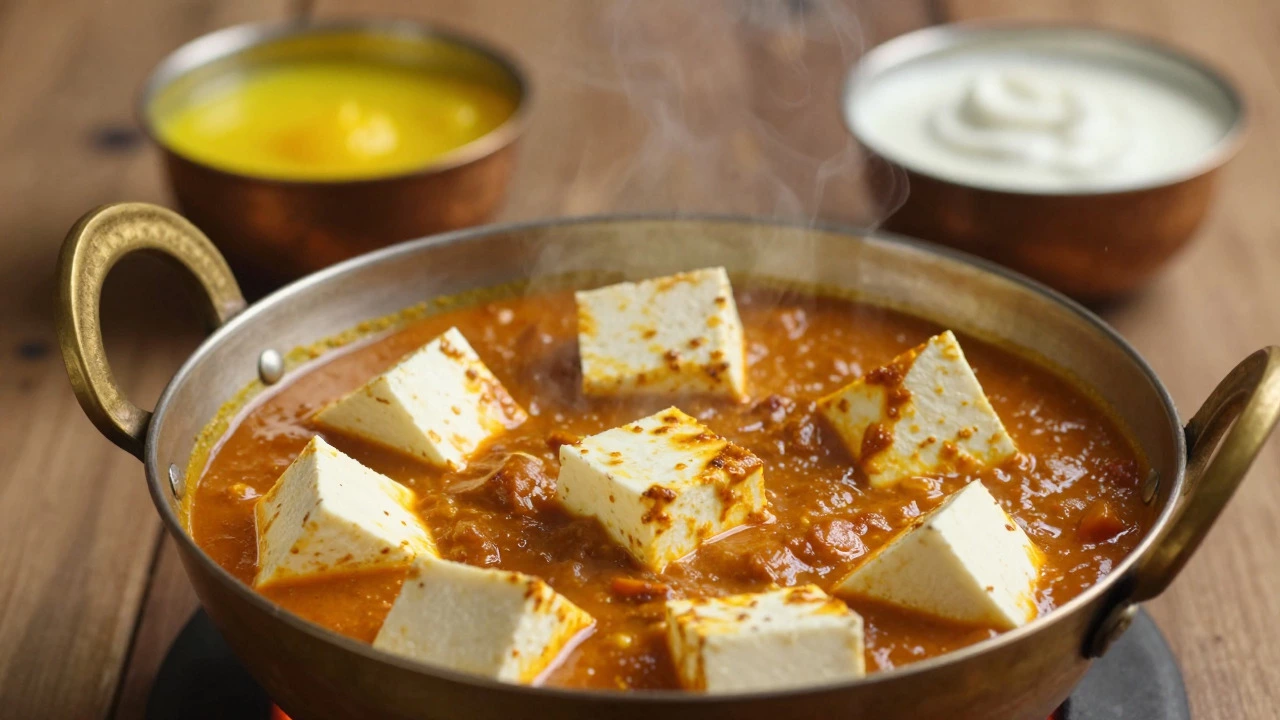
Why is Cheese Not Popular in India? A Cultural and Economic Analysis
Explore the cultural, economic, and climatic reasons why cheese is less common in Indian diets compared to paneer and ghee. Understand the historical roots and modern trends shaping dairy consumption in India.
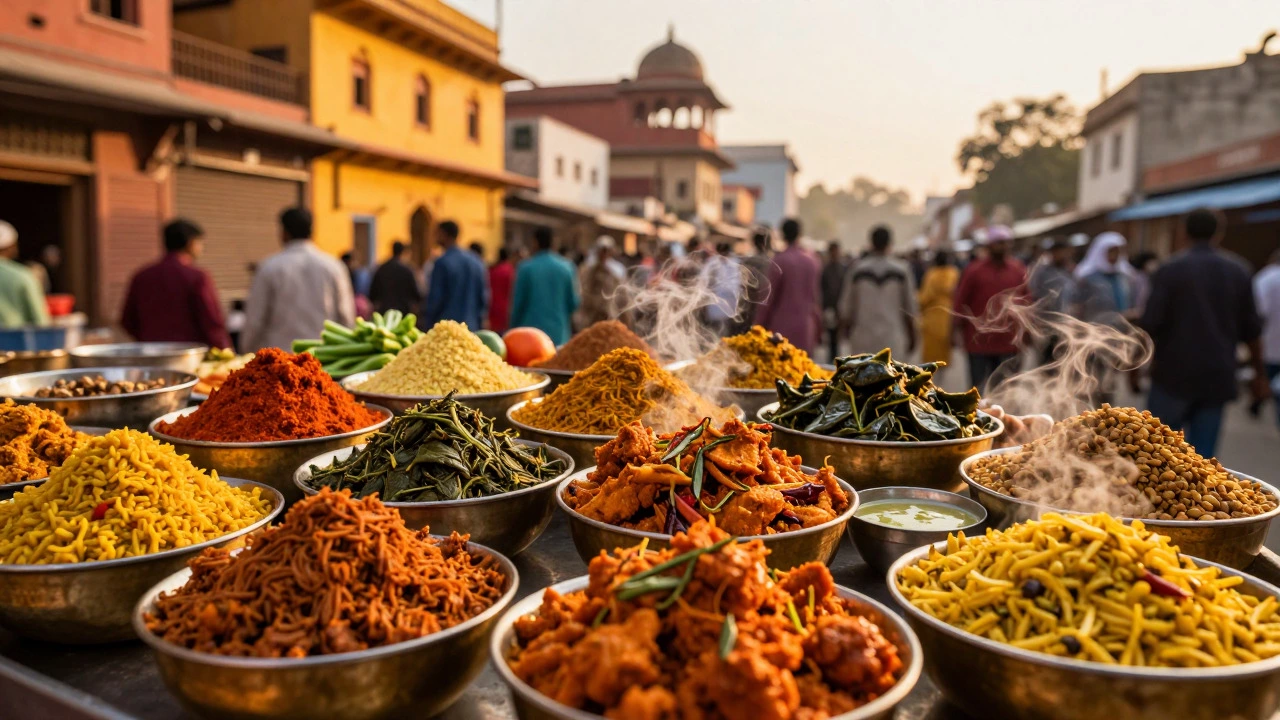
What Country Is It Easiest to Be Vegetarian? The Global Guide
Discover the easiest countries for vegetarians, from India's rich traditions to Germany's modern innovations. Learn how to navigate menus in Thailand, Italy, and beyond.
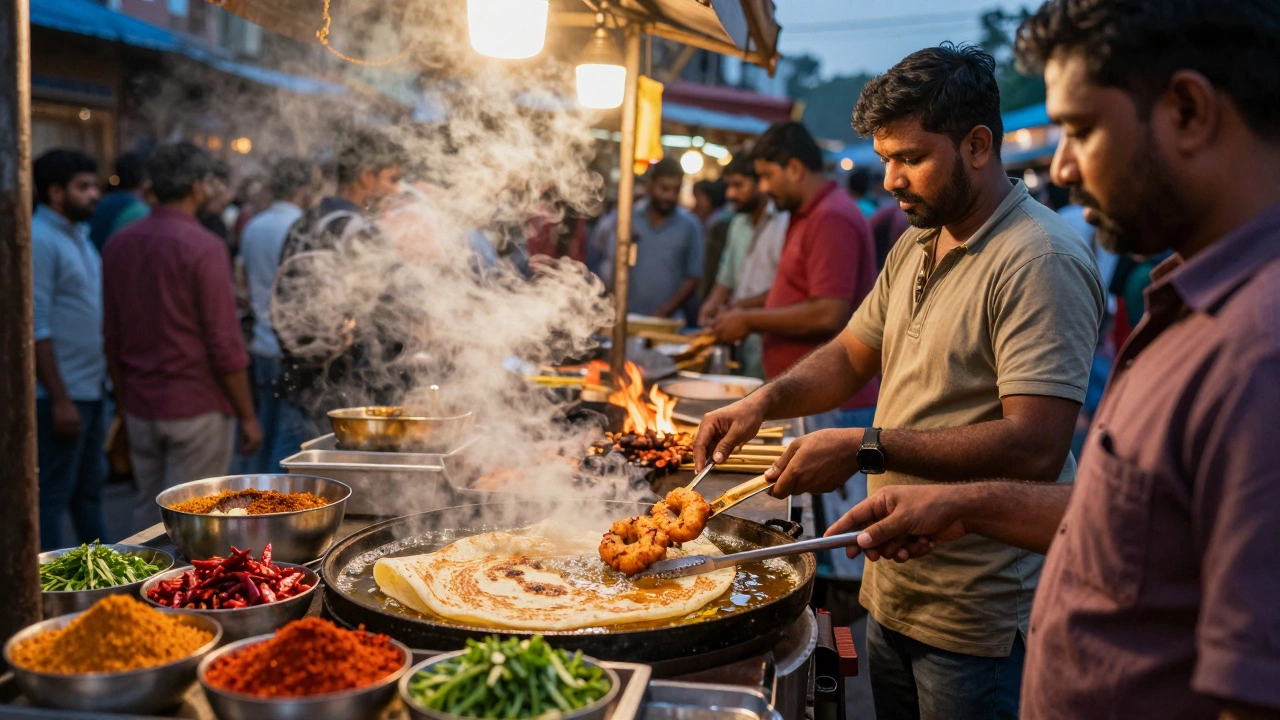
Safe Eating in India: What to Eat and Avoid to Stay Healthy
Discover how to eat safely in India without getting sick. Learn which street foods to try, what to avoid, and tips for protecting your stomach while enjoying authentic Indian cuisine.
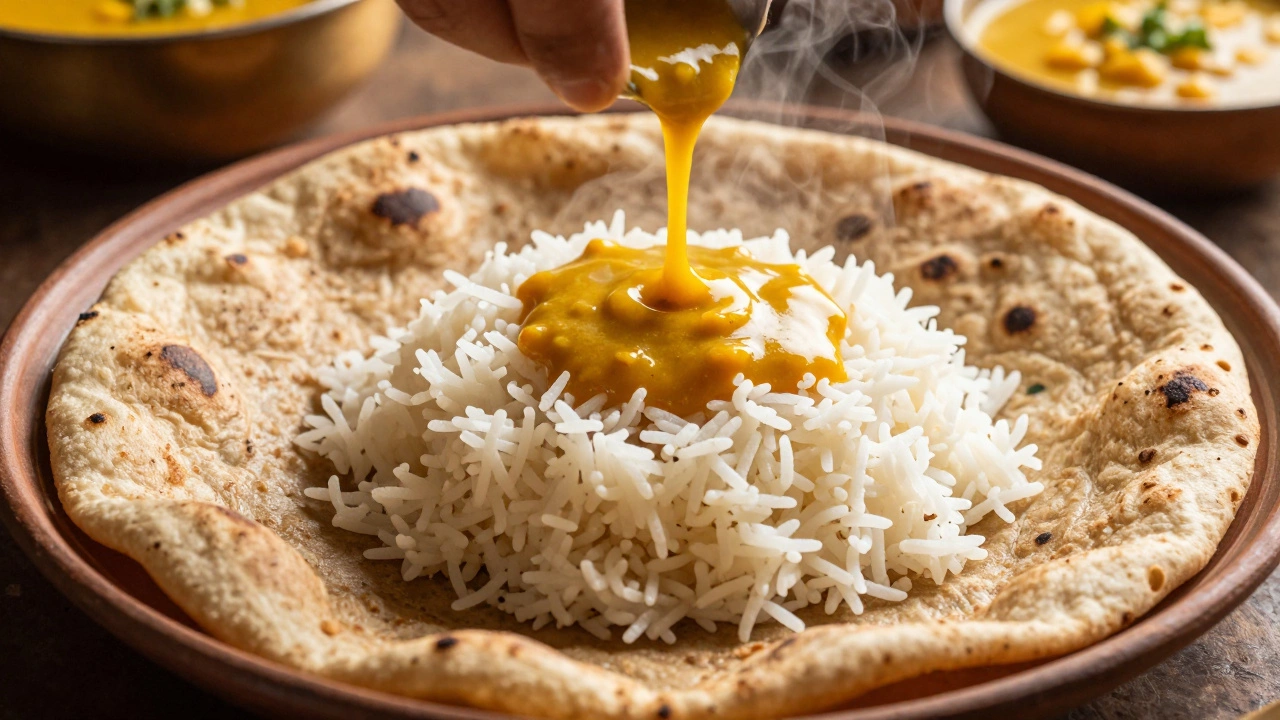
Why Do You Put Rice Over Roti? The Science and Tradition Explained
Discover the science and tradition behind putting rice over roti. Learn how this combination improves digestion, balances flavors, and completes protein profiles in Indian cuisine.
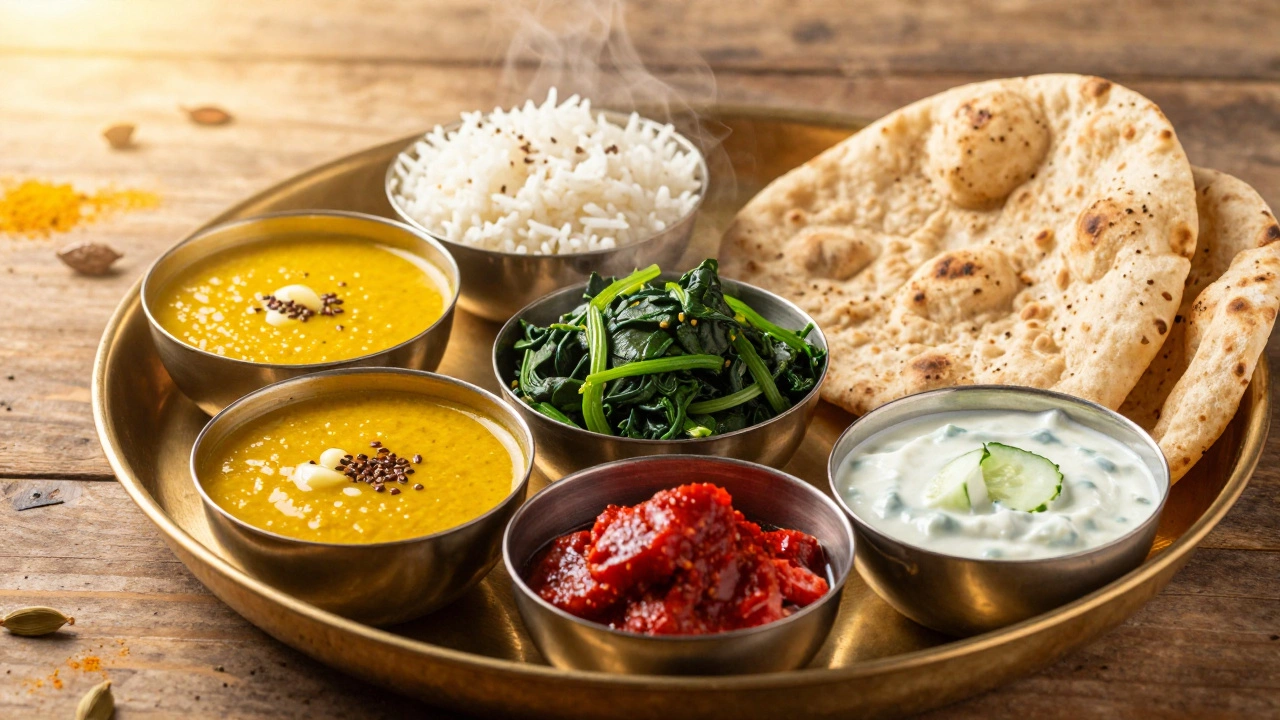
What is a Traditional Indian Lunch? The Complete Guide to Thalis, Rotis, and Regional Plates
Discover what makes a traditional Indian lunch unique, from the balanced thali to regional variations. Learn how to build a nutritious, flavorful meal at home with easy Indian recipes.
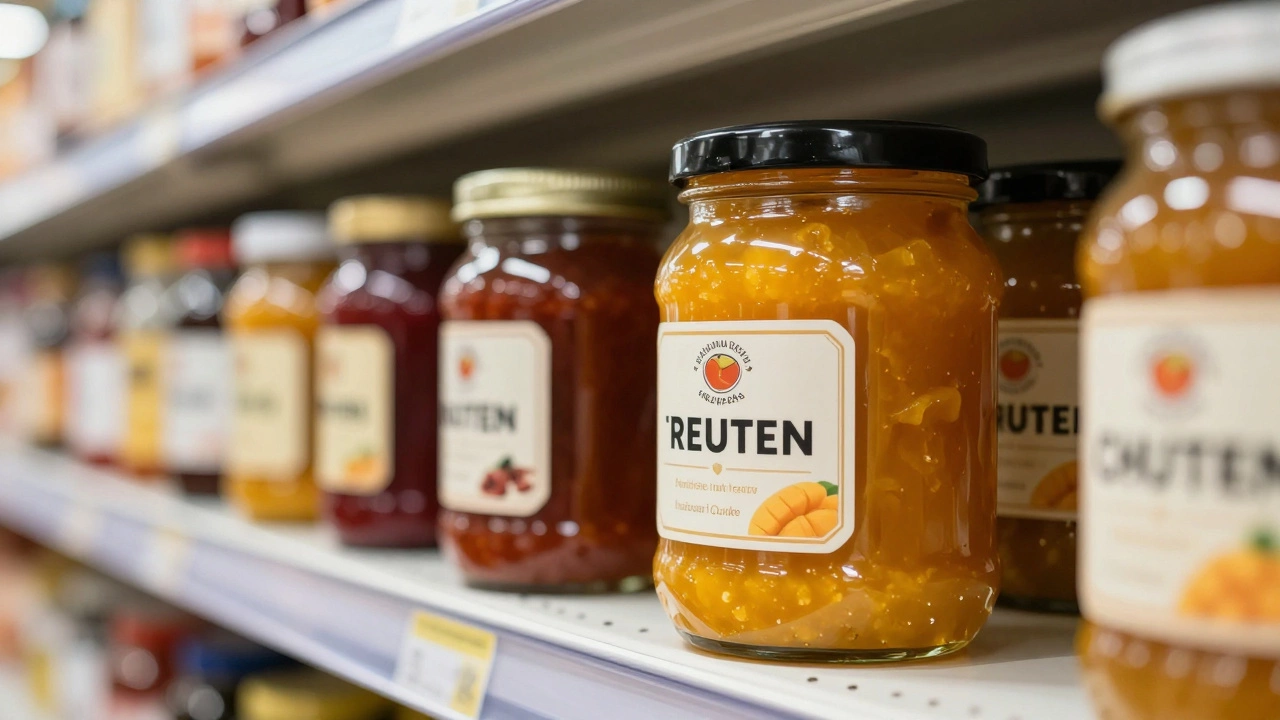
What is Chutney Called in America? Understanding the US Version of Condiments
Wondering what chutney is called in America? Explore the differences between Indian chutneys, US relishes, and preserves in this cultural food guide.

Can You Eat Non-Veg in Vrindavan? Rules and Local Food Culture
Wondering if non-veg is banned in Vrindavan? Learn about the cultural rules, local food bans, and the best vegetarian alternatives to try in the holy city.
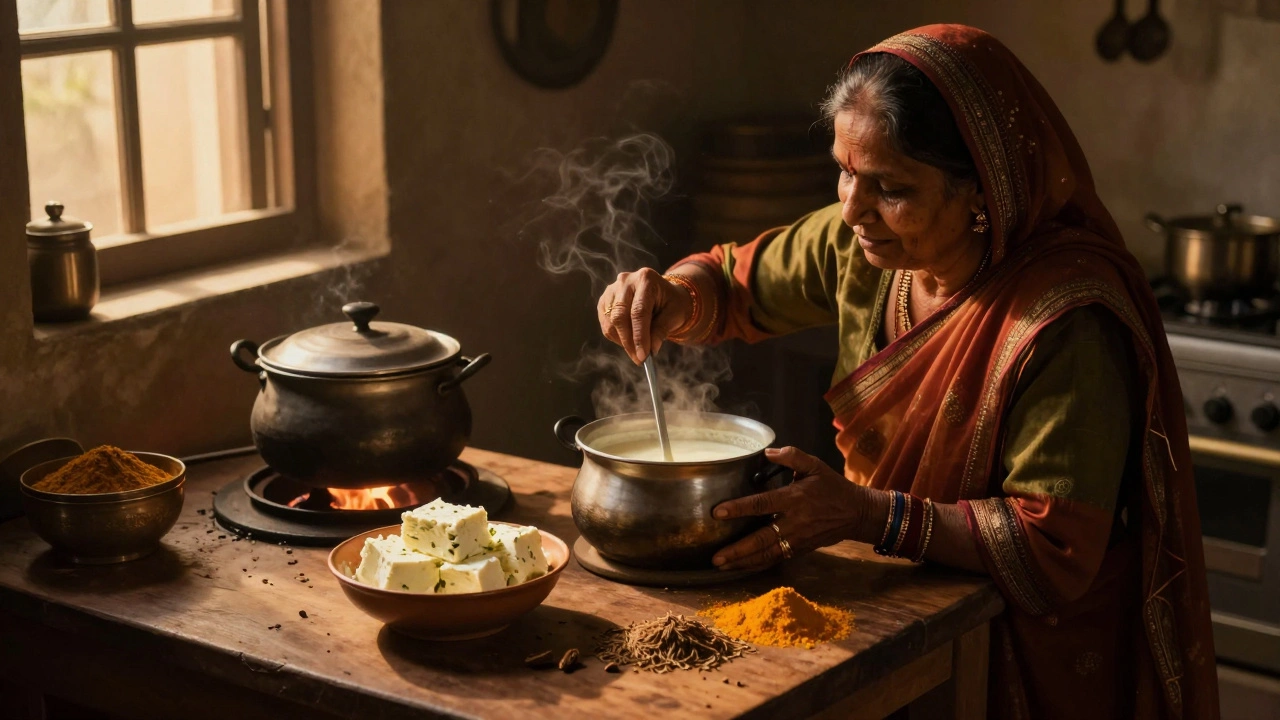
Why Ayurveda Says No to Curd - And What to Eat Instead
Ayurveda warns against curd due to its heavy, cooling nature that can worsen mucus and digestion. Homemade paneer is a better alternative - easier to digest, warming, and free of excess lactose. Learn why and how to make it right.
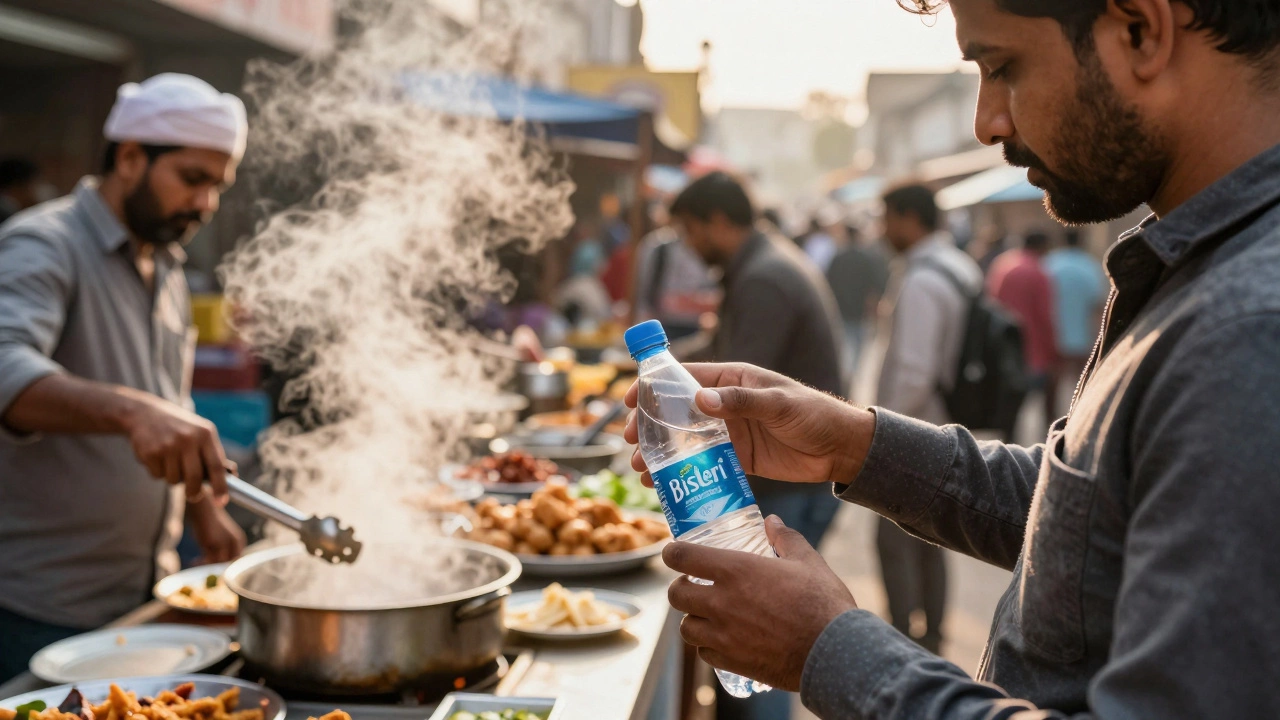
What Not to Eat in India: Common Food Mistakes Tourists Make
Learn what not to eat in India to avoid illness and cultural missteps. From tap water to street food, know the real risks and how to eat safely without missing out on flavor.

English word for chutney - definition, origins, and proper usage
Discover why "chutney" is the English word, its history, definitions, and proper usage in recipes and everyday conversation.