Daily Fruit Nutrition Calculator
Choose Your Daily Fruits
Your Health Profile
Your Daily Fruit Analysis
Want to snack smart but aren’t sure which fruits actually help you stay healthy when eaten every day? You’re not alone. Many people in India reach for bananas or apples thinking they’re harmless, but not all fruits are created equal-especially when you’re eating them daily as part of a balanced diet. The truth is, some fruits can spike your blood sugar, while others give you steady energy, fiber, and nutrients without the crash.
Apples: The Original Daily Snack
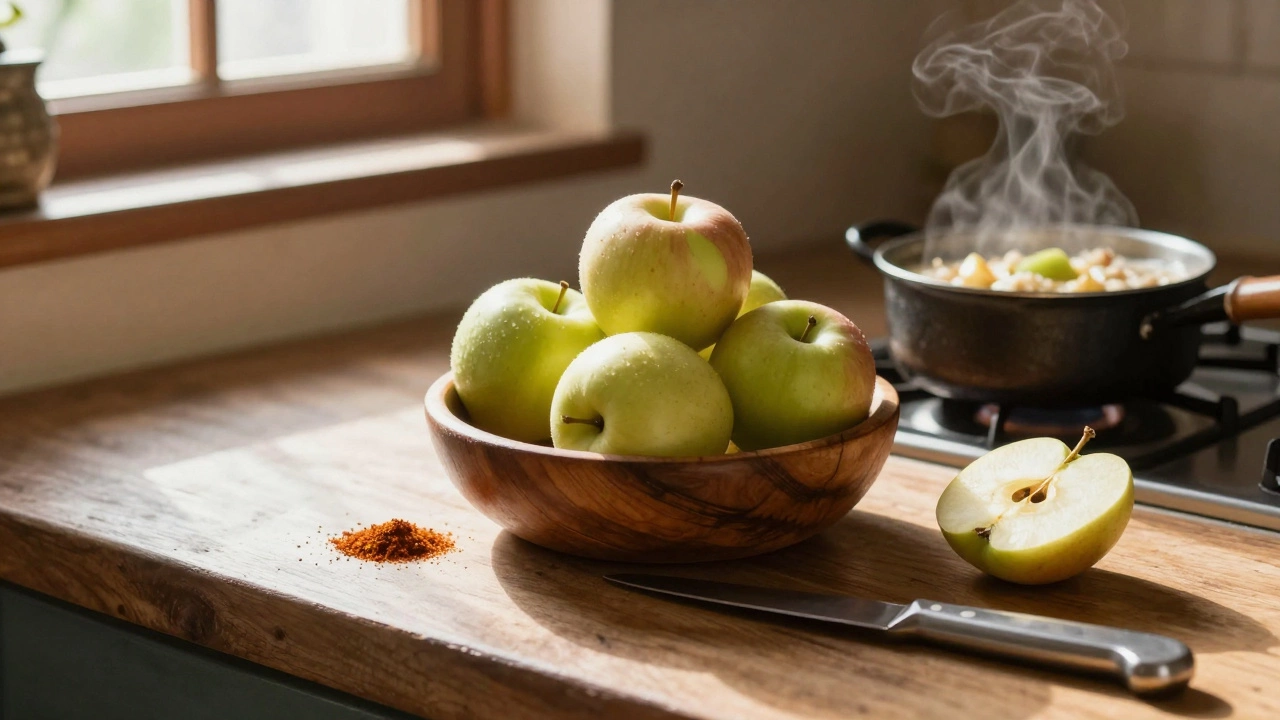
Apples are simple, cheap, and packed with fiber-about 4.4 grams per medium fruit. That’s nearly 18% of your daily needs. They also contain quercetin, a plant compound linked to lower inflammation and better heart health. In Indian households, apples are often eaten raw, sliced with a pinch of chaat masala, or even boiled into a light kheer. Unlike sugary snacks, an apple gives you slow-releasing energy. You won’t feel hungry again for hours. A 2023 study from the Indian Journal of Nutrition found that people who ate one apple daily had better digestion and lower LDL cholesterol levels over six months.
Guava: The Indian Superfruit
Guava is one of the most underrated fruits in India, yet it’s one of the best you can eat every day. One guava has over 200% of your daily vitamin C-more than an orange. It’s also low in sugar (just 5 grams per fruit) and high in fiber (9 grams). That combo means it won’t spike your blood sugar. Guava is naturally cooling, which makes it perfect for Indian summers. Eat it plain, sprinkle with black salt, or blend into a smoothie with mint and yogurt. Rural health workers in Uttar Pradesh have reported fewer cases of constipation and skin issues in families who added one guava a day to their meals.
Bananas: Eat Them Right
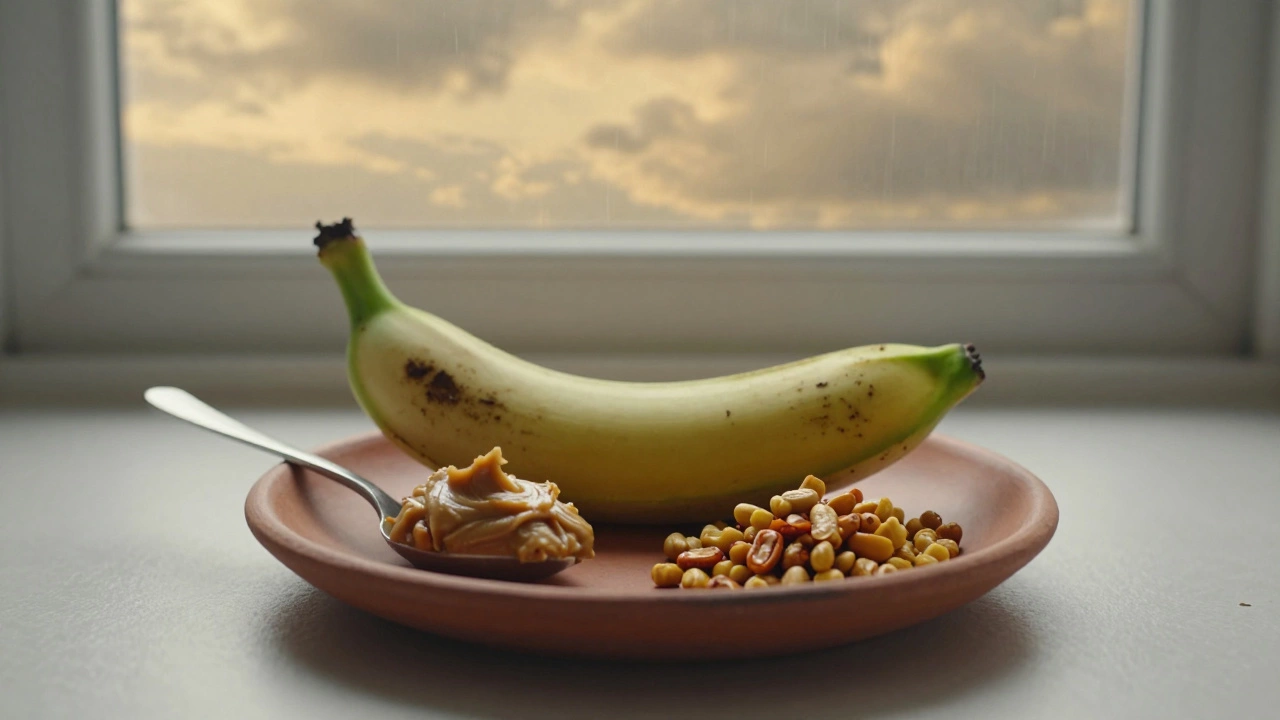
Bananas are convenient, but they’re also high in natural sugar-about 14 grams per medium banana. That’s not bad if you’re active, but if you’re sedentary or managing blood sugar, eating two a day can add up. The trick? Choose slightly green bananas. They contain resistant starch, which acts like fiber and helps control hunger. A ripe banana is fine once a day, especially after a workout. But if you’re snacking on bananas between meals, you’re likely adding empty calories. In South India, people often pair a half-banana with a handful of roasted peanuts to balance the sugar. That’s a smarter move.
Oranges and Mosambi: Citrus That Works
Oranges and mosambi (sweet lime) are great for daily intake because they’re hydrating and rich in vitamin C and potassium. One mosambi gives you nearly 50 mg of vitamin C and only 45 calories. It’s a natural detox drink too-many households in Gujarat and Rajasthan start their day with a glass of fresh mosambi juice. But avoid bottled versions. They’re loaded with added sugar. Stick to freshly squeezed, and drink it right away. The fiber in the pulp matters. Eating the whole fruit is better than juicing it. If you’re diabetic, limit yourself to one small orange or half a mosambi per day.

Watermelon: Summer Savior, Not Daily Staple
Watermelon is 92% water, so it’s great for cooling down in summer. But it’s also high on the glycemic index. That means it raises blood sugar fast. One cup has 10 grams of sugar. If you eat a whole wedge every day, you’re asking for energy crashes and cravings. Save watermelon for hot days, not daily snacks. A small slice (1 cup) once or twice a week is fine. Don’t pair it with other sugary snacks. In Maharashtra, people eat watermelon after lunch with a sprinkle of black salt and chili powder to slow sugar absorption. That’s a smart trick.
Berries: The Hidden Gem
Strawberries, blueberries, and blackberries aren’t common in every Indian kitchen, but they’re worth trying. They’re low in sugar, high in antioxidants, and packed with polyphenols that fight inflammation. If you live in a city with access to organic stores, add a small bowl (half a cup) to your morning yogurt or eat them plain. They’re expensive, so you don’t need to eat them daily-but even twice a week helps. A 2024 trial in Pune showed that participants who ate berries twice a week had better focus and less afternoon fatigue. That’s a big win if you’re working from home or studying.
Fruits to Limit or Avoid Daily
Not all fruits are safe for daily eating. Dried fruits like raisins, dates, and figs are concentrated sugar bombs. One date has 16 grams of sugar-almost as much as a candy bar. Eating three dates a day can lead to weight gain and insulin resistance over time. Mangoes are delicious, but one large mango has 45 grams of sugar. Save them for special occasions. Pineapple is acidic and high in sugar, so limit it to once or twice a week. Grapes? One bunch has 15 grams of sugar. They’re easy to overeat. Stick to a small handful, not a whole bowl.
How to Build Your Daily Fruit Habit
Start simple. Pick one fruit from the safe list and eat it at the same time every day-say, after breakfast or as an afternoon snack. Keep it visible: put apples on the counter, guava in the fruit bowl. Pair it with protein or healthy fat to slow sugar absorption. Try:
- Apple + a few almonds
- Guava + a spoon of Greek yogurt
- Orange + a handful of roasted chana
- Half a banana + 1 tsp peanut butter
Don’t overthink it. The goal isn’t to eat five fruits a day. It’s to replace chips, biscuits, and sweets with something that actually nourishes you.
What About Diabetes?
If you have prediabetes or type 2 diabetes, you can still eat fruit-but you need to be careful. Stick to low-glycemic fruits: guava, apples, berries, and citrus. Avoid bananas, mangoes, and dried fruits. Portion size matters. One small apple or one guava is a safe serving. Eat fruit with meals, not alone. A 2025 study from AIIMS found that diabetic patients who ate fruit with protein (like paneer or dal) had 30% lower blood sugar spikes than those who ate fruit on an empty stomach.
Seasonal Matters Too
Indian fruits are best when they’re in season. Eating out-of-season fruits means they’re picked early, shipped far, and treated with chemicals. That cuts down on nutrients. In winter, go for apples, oranges, and pomegranates. In summer, choose guava, watermelon, and papaya. In monsoon, try jamun (black plum)-it’s naturally low in sugar and helps regulate blood glucose. Local, seasonal fruit isn’t just cheaper-it’s better for you.
Final Rule: Less Is More
You don’t need to eat fruit every single day to be healthy. But if you do, pick the right ones. One serving a day-no more-is enough. A small apple. One guava. Half a banana. That’s it. Skip the fruit juices. Skip the smoothies with added sugar. Skip the dried fruit bowls. Real fruit, whole and unprocessed, is the only kind that works long-term.
Can I eat bananas every day as a snack?
You can eat one small banana a day, especially if you’re active or eat it after exercise. But avoid eating bananas on an empty stomach or pairing them with other sugary snacks. For better balance, pair it with a handful of nuts or a spoon of peanut butter. Eating two or more bananas daily can lead to excess sugar intake and weight gain over time.
Is it okay to drink fruit juice every day?
No. Even 100% natural fruit juice removes the fiber and concentrates the sugar. One glass of orange juice equals three oranges’ worth of sugar, without the filling fiber. It spikes blood sugar fast and doesn’t satisfy hunger. Stick to whole fruit. If you want juice, make it fresh, drink it slowly, and keep the pulp. But even then, limit it to once a week.
Which fruit is best for weight loss?
Guava and apples are the best for weight loss. Both are high in fiber and low in calories. Guava has only 37 calories per fruit and keeps you full longer. Apples are crunchy and require chewing, which slows down eating and signals fullness. Studies show people who snack on these fruits lose more belly fat over time than those who snack on chips or biscuits.
Are dried fruits like dates and raisins healthy snacks?
They’re nutrient-dense but not healthy as daily snacks. One date has 16 grams of sugar-similar to a candy bar. Raisins are even more concentrated. Eating a handful daily can lead to sugar overload, especially if you’re not active. Save them for occasional treats or use them in cooking, not as a go-to snack.
Can kids eat the same fruits every day?
Yes, but variety matters. Kids can safely eat one apple or one guava daily. But rotating fruits helps them get a wider range of nutrients. Try apples on Monday, guava on Tuesday, orange on Wednesday. Avoid giving them dried fruits or fruit juices regularly. Whole fruit is always better for growing bodies.