Vrindavan Meat-Alternative Finder
Missing your favorite non-veg dishes? Select the meat-based craving you're having, and we'll suggest the perfect local Braj alternative!
Click a craving on the left to discover the local equivalent!
The Reality of Non-Veg Bans in Vrindavan
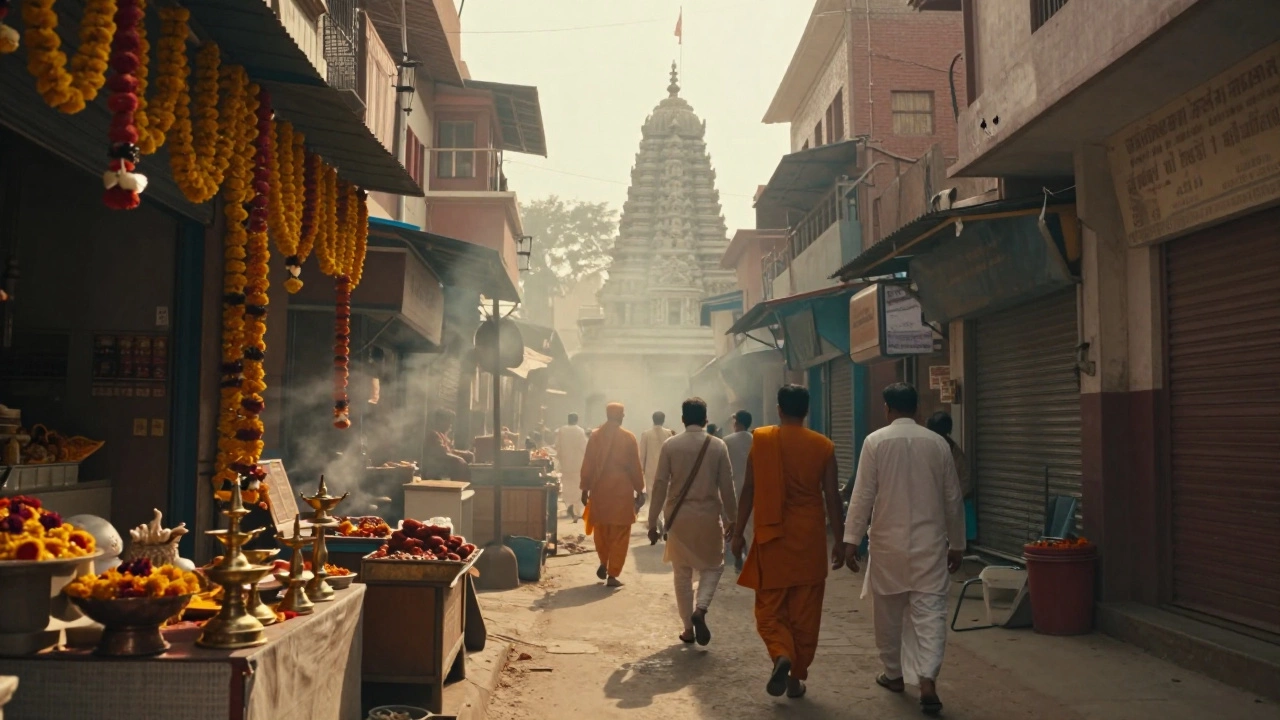
Vrindavan isn't like a typical city where laws are written in a boring government handbook. Here, the "ban" on non-vegetarian food is more of a cultural and religious mandate than a legal statute you'll find in a courtroom. Vrindavan is a holy town in the Mathura district of Uttar Pradesh, India, revered as the birthplace and playground of Lord Krishna . Because the town is seen as a sacred space, consuming meat, fish, or eggs is considered highly disrespectful.
You won't find a single mainstream restaurant in the heart of the town advertising "Non-Veg" on their menus. Most eateries are strictly vegetarian, and many are vegetarian Indian dishes specialists. If you try to carry meat products into the main temple areas, you might face strong disapproval from locals or even be asked to leave by shopkeepers. It's not just about the food; it's about the energy of the town, which focuses on Sattva (purity) and Ahimsa (non-violence).
Understanding the Braj Food Philosophy
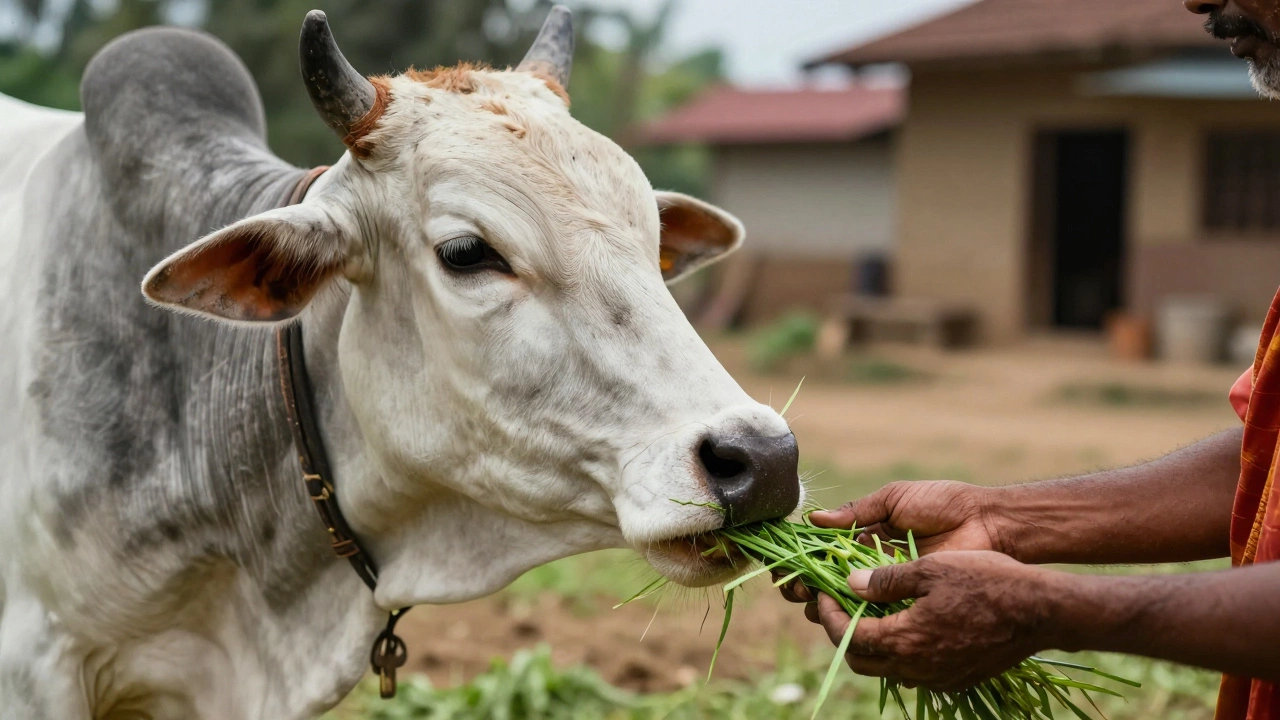
To get why meat is avoided, you have to understand the concept of Braj is the cultural and geographical region surrounding Vrindavan and Mathura, centered on the legends of Krishna . In Braj, the relationship between humans and animals is seen as a kinship. Cows, in particular, are treated as mothers, not livestock. This deep emotional bond makes the idea of eating meat feel unnatural to the residents.
The local diet is heavily influenced by the seasons and the availability of dairy. Since cows are everywhere, milk and its derivatives are the stars of the show. This leads to a diet rich in fats and proteins from dairy, making meat unnecessary for nutrition in the eyes of the locals. Have you ever tried a meal where the creaminess of the butter does all the heavy lifting? That's the Braj experience.
Where Do Non-Vegetarians Go?
If you absolutely cannot go without meat, you'll find that the options are virtually non-existent within the town limits. However, the nearby city of Mathura is the larger administrative hub and neighbor to Vrindavan, which has a slightly more relaxed commercial atmosphere . While Mathura is also a holy city, it's a larger urban center. You might find a few discreet hotels or eateries on the outskirts of Mathura that serve non-veg, but even there, it's not publicized.
Most travelers who prefer non-vegetarian food simply eat their fill in larger cities like Agra or Delhi before entering the sacred zone of Vrindavan. Once you cross the threshold into the town, the social contract is simple: respect the local sanctity and embrace the plant-based menu.
Must-Try Vegetarian Alternatives in Vrindavan
If you're worried that a meat-free trip will be boring, you're in for a surprise. The flavors here are intense. Instead of seeking out meat, dive into the local specialties that have been perfected over centuries. The sheer variety of vegetarian Indian dishes in this region is enough to satisfy any foodie.
| Local Dish | Key Ingredients | Why it Satisfies | Best Pairing |
|---|---|---|---|
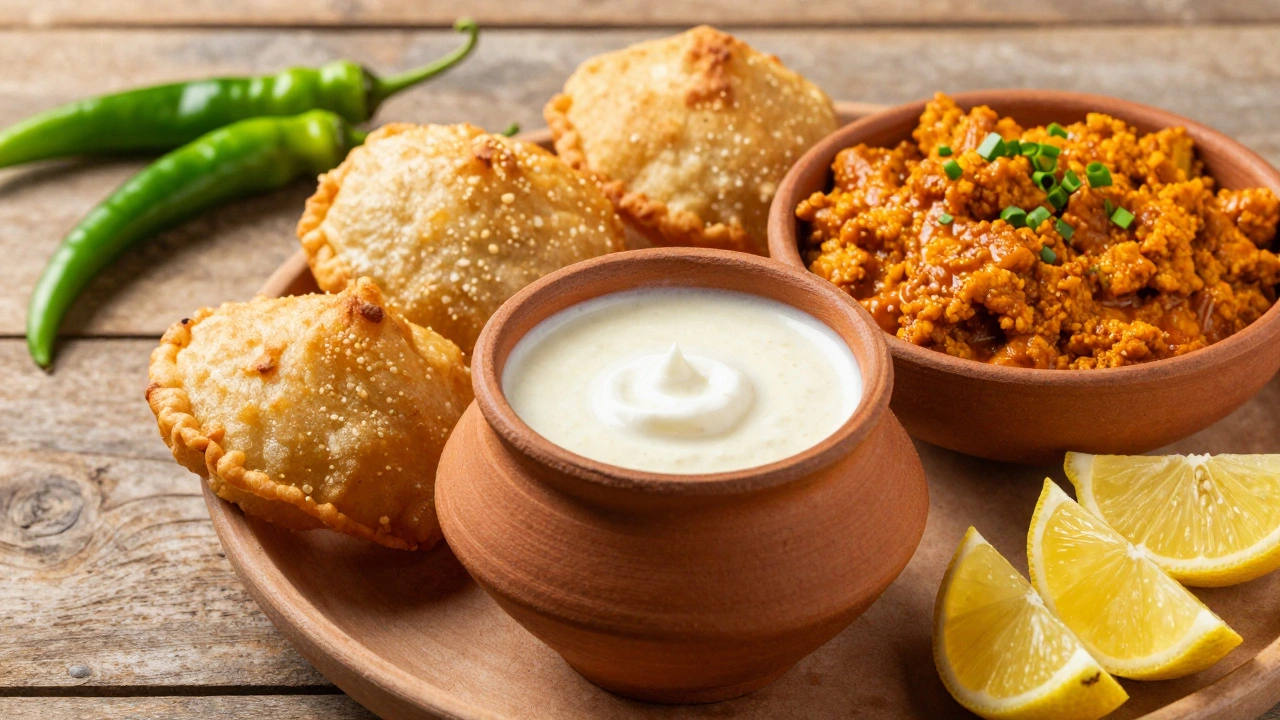
| Kachori | Flour, Dal, Spices | Deep-fried, savory, and filling | Aloo Sabzi (Potato curry) |
| Paneer Butter Masala | Cottage Cheese, Cream, Tomato | Rich, creamy texture similar to butter chicken | Butter Naan |
| Bedmi Poori | Urad Dal, Wheat Flour | Hearty and protein-rich | Spicy potato gravy |
| Peda | Condensed Milk, Sugar | The ultimate sweet treat of Braj | Masala Tea |
Practical Tips for Travelers
Navigating a strictly vegetarian town requires a bit of mental adjustment. If you're used to a diverse diet, here are a few ways to make your stay smooth without causing friction with the locals.
- Check your snacks: If you're bringing snacks from home, check the labels. Avoid items containing gelatin or animal fats (tallow/lard), as these are strictly forbidden in the same spirit as meat.
- Don't ask for it: Avoid asking waiters at local dhabas if they have "any chicken or eggs." Even in a tourist area, this can be seen as an insult to the holiness of the place.
- Focus on Legumes: If you're missing the protein from meat, lean into the Dal is a term used for dried, split pulses, which are a staple protein source in Indian vegetarian diets . Try the Dal Makhani or Chana Masala-they provide the heartiness you're looking for.
- Explore the street food: The narrow alleys of Vrindavan are filled with Lassi shops. A thick, creamy Lassi served in a clay pot is a great way to keep your energy up throughout the day.
The Social Etiquette of Eating in the Holy City
Eating in Vrindavan is more than just consuming calories; it's an act of devotion. Many people eat Prasadam, which is food that has been offered to the deity before being distributed to people. When you eat this, you're participating in a spiritual cycle.
Respecting the non-veg ban isn't just about following a rule; it's about fitting into the local rhythm. When you stop looking for meat and start looking for the best Peda or the crispest Kachori, you'll find that the town opens up to you in a different way. You'll notice the intricate spices and the mastery of dairy that makes this region unique in the world.
Can I bring non-veg food into Vrindavan from outside?
While there is no police checkpoint at the city entrance, bringing meat into hotels or public areas is strongly discouraged. Most hotels in the town will not allow you to cook or consume non-vegetarian food on their premises. It is best to consume such foods before entering the town to avoid conflict with locals.
Are eggs allowed in Vrindavan?
No, eggs are generally categorized as non-vegetarian in the local cultural context. You will not find eggs in the breakfast menus of the majority of guesthouses and restaurants in the central part of town.
Is there any restaurant that serves chicken in Vrindavan?
It is extremely rare to find a restaurant serving chicken within the main town. If such places exist, they are very discreet and typically located on the far outskirts, away from the temple zones. Most visitors head to Mathura or Agra for non-vegetarian options.
What can I eat if I'm a strict non-vegetarian?
Focus on high-protein vegetarian options like Paneer (Indian cottage cheese), various types of Dal (lentils), and chickpeas. These provide a similar satiety to meat. Also, the local dairy products like thick Lassi and Rabri are incredibly filling.
Will I get in trouble for eating non-veg in my private hotel room?
While you won't likely be arrested, most hotels in Vrindavan have a strict "no non-veg" policy. If the staff finds out, they may ask you to leave or charge a cleaning fee. It is a matter of respect and local custom rather than a criminal law.