Condiment Translator: What's it called in the US?
Describe your chutney's characteristics below to find out what an American would likely call it or where to find it in a US store.
1. Select the Texture:
2. Select the Primary Flavor:
US Equivalent:
The Great Naming Confusion: Relish, Jam, and Salsa
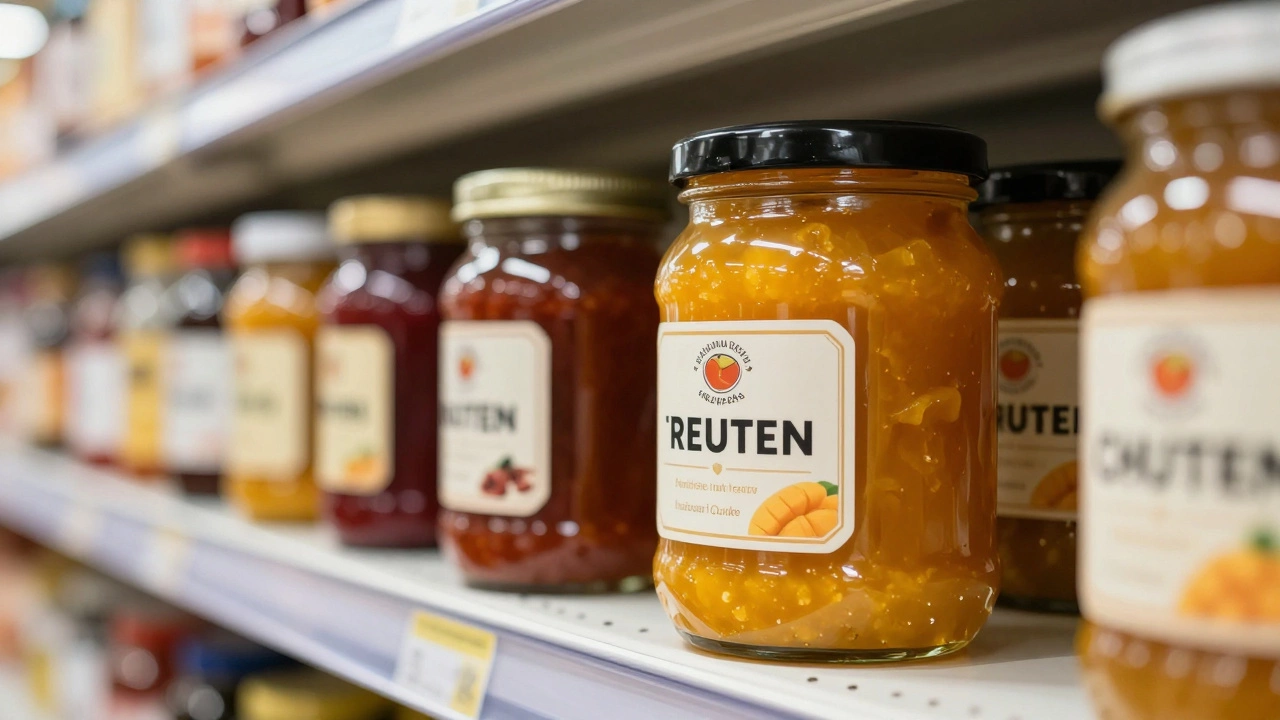
Since there isn't one single word that covers every type of chutney, Americans usually categorize them based on texture and flavor. If it's chunky, vinegary, and served with a hot dog or burger, they call it Relish. Now, don't confuse this with the complex flavor profiles of a traditional Indian chutney; American relish is often just chopped pickles with a bit of sugar. When a chutney is sweet and thick, it often falls into the category of Preserves or jams. You'll see 'Mango Chutney' in the international aisle, but it's often marketed as a gourmet spread. Then there's Salsa. While technically Mexican, many Americans view the fresh, raw, blended nature of a green chutney (like mint or coriander) as being 'like a salsa.' If you're trying to explain a fresh Indian chutney to someone who has never had it, tell them it's a 'savory dip' or a 'fresh condiment.' Using the word 'sauce' also works, though it's a bit generic. For instance, calling a tamarind chutney a 'tangy brown sauce' helps a local understand the vibe without getting bogged down in terminology.Why the Difference Matters for Your Plate
Understanding these labels is a lifesaver when you're shopping or cooking. If you buy something labeled 'Mango Chutney' from a standard US supermarket, expect it to be very sweet, thick, and syrupy. It's designed for canning and long-term storage. If you're looking for the fresh, zesty version used in street food, you won't find it under that name in the condiment aisle. You'll need to head to the produce section for fresh cilantro and ginger and make it yourself.| Feature | Traditional Indian Chutney | US-Style 'Chutney' / Preserves | American Relish |
|---|---|---|---|
| Texture | Range from smooth paste to chunky | Thick, jam-like, syrupy | Small, uniform cubes |
| Shelf Life | Often fresh (consumed in days) | Long-term (months/years) | Long-term (refrigerated) |
| Primary Flavor | Spicy, herbal, tangy, or nutty | Sweet and sour | Salty and vinegary |
| Common Base | Coconut, Mint, Tamarind, Tomato | Mango, Fig, Apple | Cucumber/Pickle |
The Role of Cultural Fusion in Modern US Menus
In the last decade, things have shifted. With the rise of 'fusion food' in cities like Los Angeles and New York, the term is becoming more accurate. You'll see 'Cilantro Chutney' listed on a menu at a trendy taco shop or an Indian-fusion burger joint. In these contexts, the word chutney in America is finally starting to align with its original meaning. These restaurants are bridging the gap by using the word 'chutney' to signal authenticity. They know their customers are more adventurous now. Instead of calling it a 'green sauce,' they keep the original name to evoke the feeling of an authentic experience. This trend is largely driven by the popularity of Street Food culture, where the raw, bold flavors of South Asia are celebrated over the sterilized, sugary versions found in cans.How to Find the 'Right' Chutney in a US Store
If you're craving a real chutney and you're stuck in a typical American suburb, you have to be a bit of a detective. Forget the 'Condiments' aisle for a moment. Look for the 'International' or 'Ethnic' section. Specifically, look for brands that import directly from India. Check the ingredients list. If the first three ingredients are sugar, vinegar, and pectin, you've found a preserve, not a fresh chutney. If you see things like Amchur (dried mango powder), cumin, or black salt, you're getting closer to the real deal. For the fresh stuff, you'll likely need to visit an Indian grocery store (a 'Patel' store or similar), where the refrigeration units hold fresh coconut and mint chutneys that taste like home.Tips for Making American-Friendly Chutneys
If you're cooking for American friends who aren't used to strong flavors, you can adjust your recipes without losing the essence. Most Americans love the 'sweet-and-spicy' combo. A tamarind chutney with a bit more jaggery or brown sugar usually hits the spot. For a green chutney, try blending it with a bit of Greek yogurt. This mimics the creamy texture of a dip, which is a familiar format in US cuisine. It tones down the intensity of the raw garlic and green chilies, making it more approachable. Also, presenting it as a 'dip' rather than a 'condiment' changes how people interact with it; they'll be more likely to scoop it up with chips or crackers.The Influence of British Colonialism on the Word
It's worth noting that the 'sweet jam' version of chutney exists in America because of the British. During the colonial era, the British took the Indian concept of chutney but adapted it to their own tastes and preservation methods. They added more sugar and vinegar so the jars could survive long sea voyages back to England. This 'Anglicized' version is what eventually traveled across the Atlantic to the US. This is why, for a long time, the only chutney Americans knew was the kind that tasted like a savory marmalade. It's a classic example of how a food item can travel across the globe and completely change its identity along the way.Is there a direct American word for chutney?
There isn't one single word. Depending on the type, Americans might call it 'relish' (if it's vinegary and chunky), 'jam/preserves' (if it's sweet and thick), or 'dip/salsa' (if it's fresh and blended). In gourmet circles, it's still called chutney, but usually refers to the sweet, preserved version.
Where can I find authentic Indian chutney in the US?
Your best bet is an Indian grocery store. While big chains like Walmart or Kroger carry bottled mango chutney, fresh versions like coconut or mint chutney are almost exclusively found in specialty Indian markets or authentic Indian restaurants.
Why is American chutney so sweet?
The version commonly sold in US supermarkets is based on the British colonial style. This version uses high amounts of sugar and vinegar to preserve the fruit for long periods, resulting in a sweet, jammy taste rather than the spicy, fresh profile of traditional Indian chutneys.
Can I use salsa instead of chutney?
In terms of how you use it (as a fresh, raw accompaniment), yes. A salsa verde, for example, is conceptually similar to a green coriander chutney. However, the flavor profile is different-salsa leans toward lime and tomatillos, while chutney leans toward cumin, mint, and ginger.
What is the best way to describe chutney to an American?
Describe it as a 'savory condiment' or a 'spicy fruit spread.' If it's a fresh version, calling it a 'savory dip' usually helps them understand the texture and purpose of the food immediately.