If you’ve ever eaten a plate of butter chicken in Delhi or sipped chai from a roadside stall in Varanasi, you know Indian food is unforgettable. But not every dish you see is safe-or even appropriate-to eat, especially if you’re new to the country’s food culture. Many travelers end up sick, confused, or even offended because they didn’t know what to avoid. This isn’t about fear. It’s about respect, safety, and smart choices.
Don’t Drink Tap Water
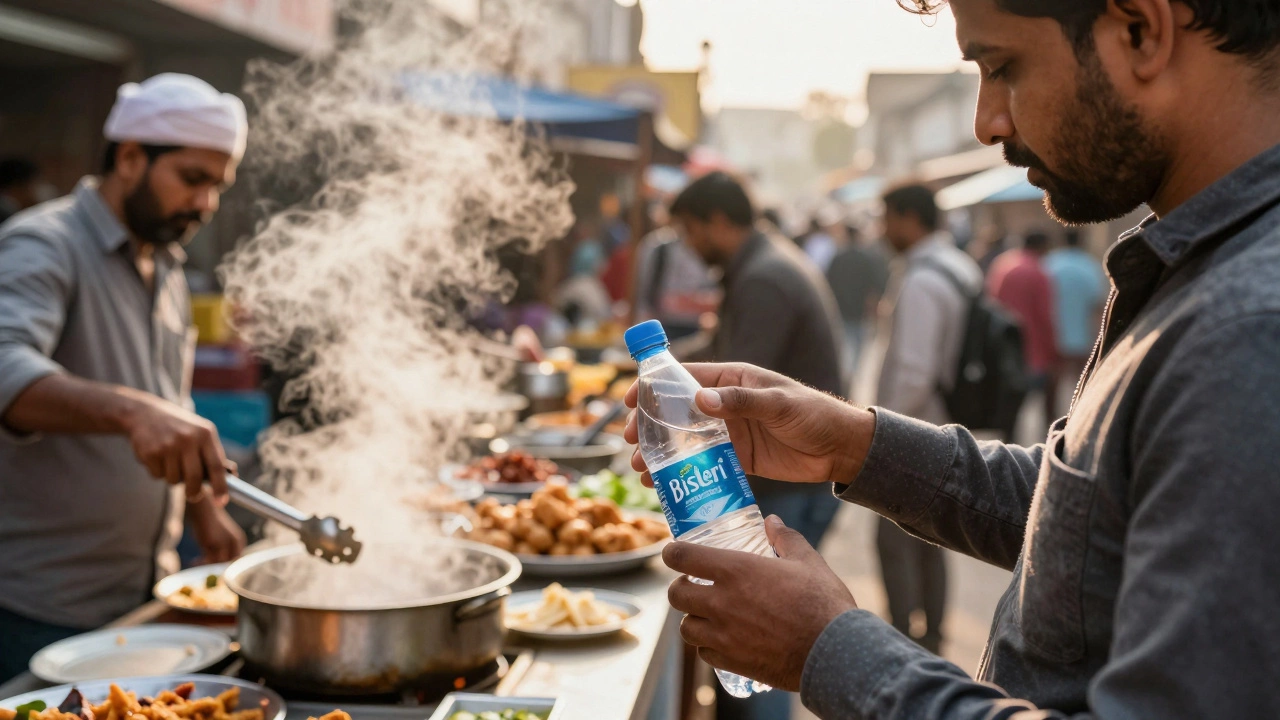
It sounds simple, but it’s the #1 cause of traveler illness in India. Tap water, even in five-star hotels, isn’t safe to drink. Bottled water is everywhere, but check the seal before you open it. Some vendors reuse bottles or refill them with tap water. Stick to brands like Bisleri, Aquafina, or Kinley-they’re widely available and reliable. If you’re in a rural area and bottled water isn’t around, boil water for at least three minutes or use iodine tablets. Don’t even think about brushing your teeth with tap water. Use bottled water for that too.
Avoid Raw Vegetables and Unpeeled Fruit
Salads, raw onions, cucumbers, tomatoes-they look fresh, but they’re often washed in contaminated water. Even if a restaurant serves a salad, ask if it’s been washed in filtered or boiled water. Most locals won’t eat raw veggies unless they’re peeled or cooked. Stick to fruits you can peel yourself: bananas, oranges, mangoes, pomegranates. Avoid pre-cut fruit from street vendors. A fruit seller might slice a watermelon and leave it out for hours under the sun. That’s not just risky-it’s asking for trouble.
Be Wary of Ice in Drinks
Ice in your lassi, soda, or whiskey? Skip it. Ice cubes in India are often made from tap water. Even fancy bars in Mumbai or Bangalore might use ice from local suppliers who don’t filter properly. If you’re not sure, say no ice. Or ask for bottled water with ice-if they open a fresh bottle right in front of you, you’re probably safe. But don’t rely on that. When in doubt, skip the chill.
Don’t Eat From Street Vendors With No Crowd
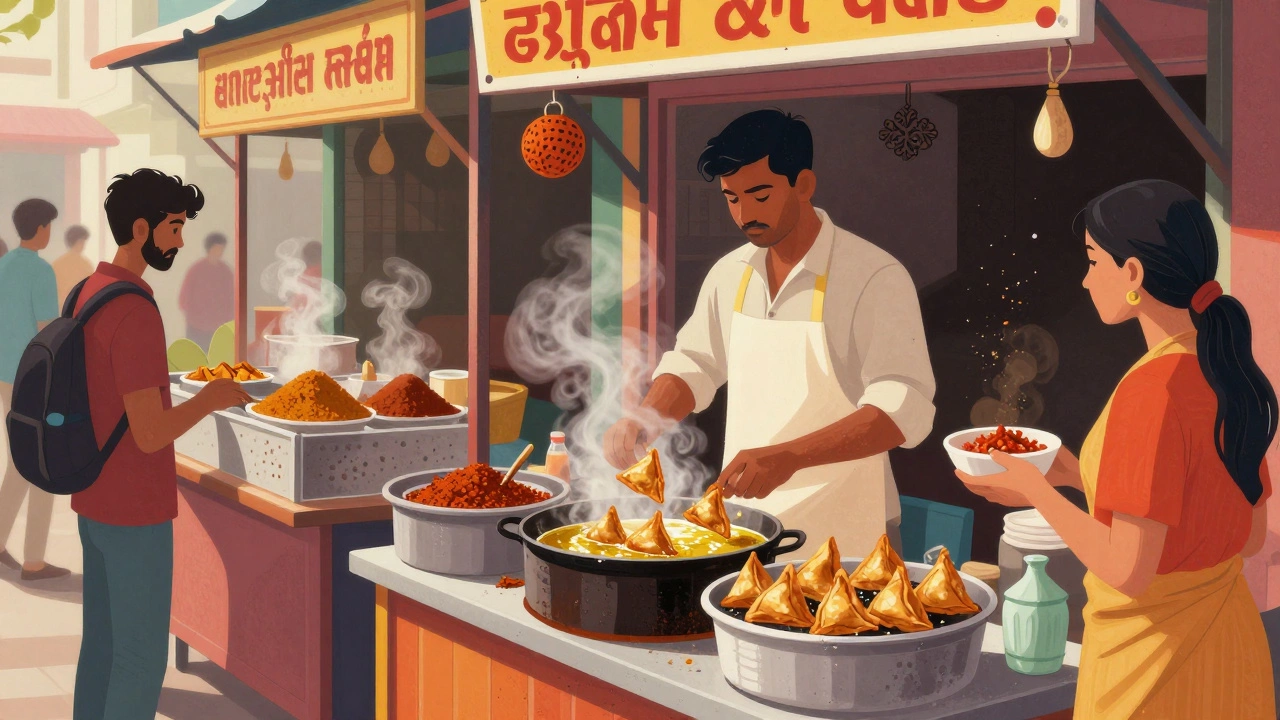
Street food in India is legendary. But not all stalls are created equal. The best rule? Look for the line. If a vendor has a crowd of locals eating there, it’s usually safe. High turnover means fresh food, clean hands, and quick cooking. Avoid stalls that sit empty for hours. No customers? That’s a red flag. Also, watch how they handle money and food. If the same pair of gloves or fingers touch cash and then your food, walk away. Vendors who wash their hands before handling food? Rare. But those who use tongs, fresh cloths, and separate containers? That’s your sign to join the queue.
Steer Clear of Non-Vegetarian Food From Unverified Sources
India has a huge vegetarian population, and meat handling isn’t always regulated. If you’re eating chicken, goat, or fish, make sure it’s from a place that looks clean and has a steady flow of customers. Avoid meat from roadside carts that don’t refrigerate properly. In hot cities like Jaipur or Hyderabad, meat can spoil in minutes. Even if it’s cooked, if the meat was sitting out before cooking, bacteria can still survive. Stick to restaurants with visible kitchens. Ask where the meat comes from. If they hesitate, go somewhere else. And never eat raw or undercooked meat-this isn’t a steakhouse in New York. Undercooked chicken in India can land you in the hospital.
Avoid Dairy Products That Aren’t Pasteurized
Milk, paneer, and yogurt are staples in Indian meals. But not all of it is safe. In small towns and villages, some families still sell milk straight from the cow or buffalo. It’s not pasteurized. It’s not tested. It’s fresh, yes-but it can carry bacteria like E. coli or salmonella. Stick to branded milk: Amul, Mother Dairy, or Nestlé. These are pasteurized and widely trusted. Same goes for paneer. If you’re buying it from a local market, make sure it’s sealed and labeled. Homemade paneer from a roadside shop? Skip it. You might miss out on flavor, but you’ll avoid weeks of stomach pain.
Don’t Eat Food That’s Been Sitting Out
Indian food is often served hot and fresh. But some vendors, especially near tourist spots, will reheat food from earlier in the day. That’s not illegal-it’s just dangerous. If a dish looks like it’s been sitting under a heat lamp for hours, or if the rice is sticky and clumped, don’t eat it. Reheated food doesn’t kill all bacteria-it just warms them up. Look for food that’s cooked to order. If you’re at a restaurant and the waiter says, “We have leftover biryani,” walk away. Fresh is the only safe option.
Respect Religious Food Rules
India isn’t just about safety-it’s about culture. Many Hindus avoid beef. Muslims avoid pork. Sikhs and Jains often avoid meat entirely. If you’re invited to someone’s home, don’t ask for beef curry. Don’t even mention it. If you’re unsure, ask politely: “Is there anything I should avoid?” Most people will appreciate the respect. Even if you’re vegetarian, don’t assume all Indian food is safe for you. Some dishes use ghee (clarified butter) made from cow fat, which Jains avoid. Others use asafoetida (hing), which some strict vegetarians skip. Ask. It’s not rude-it’s thoughtful.
Don’t Assume All Spicy Food Is Safe
Just because a dish is spicy doesn’t mean it’s clean. Spices like chili, turmeric, and cumin have antibacterial properties, but they don’t kill everything. A fiery vindaloo can still be made with spoiled meat or dirty water. Don’t use spice level as a safety meter. If you’re not used to Indian heat, start mild. But don’t think that eating extra spicy will protect you. It won’t. Your stomach doesn’t build immunity to bacteria just because it’s burning.
Watch Out for “Fancy” Tourist Restaurants
Yes, the places with English menus, air conditioning, and photos of the Taj Mahal on the wall are tempting. But they’re often the worst offenders. They charge more, and they think tourists won’t notice if the food is old or poorly handled. Locals rarely eat here. If you see a restaurant filled with foreigners and no Indians, that’s a warning sign. Stick to places where the staff speaks Hindi, Tamil, or Bengali-and the menu doesn’t have “Indian fusion” on it.
What You Can Eat-Safely
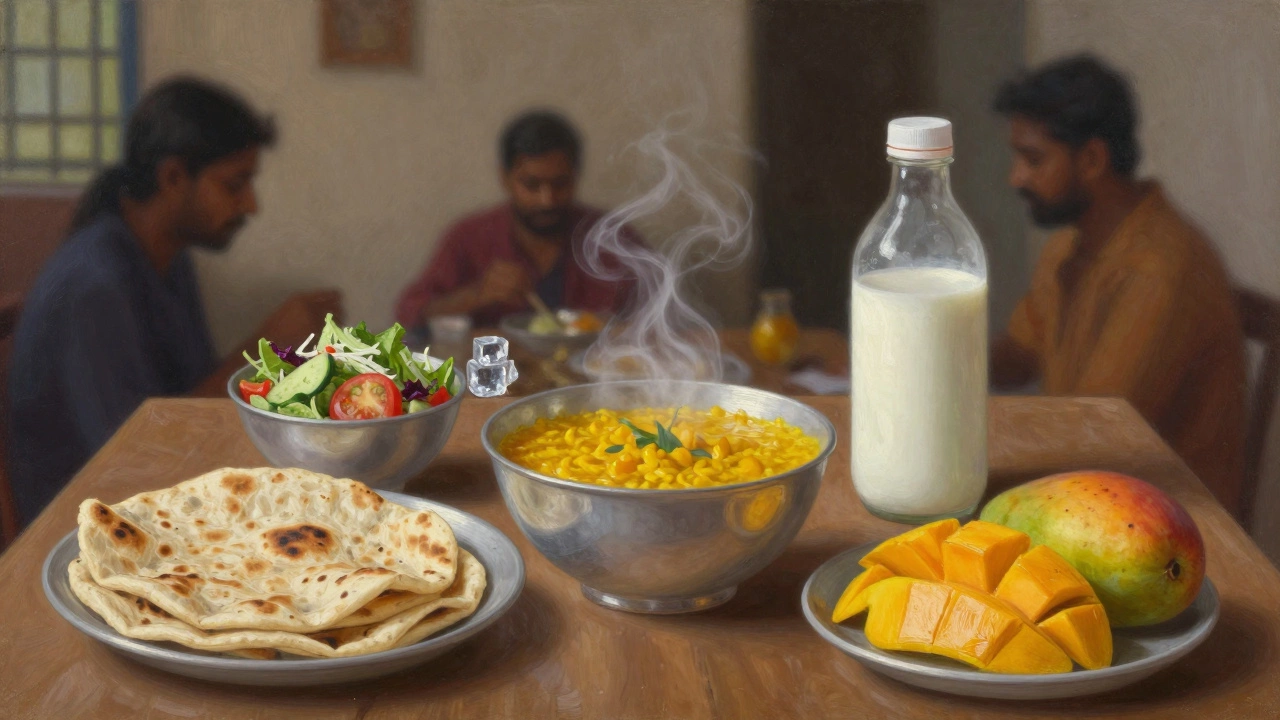
So what’s safe? Hot, freshly cooked food. Roti from a tandoor. Dal cooked in bulk and served steaming. Rice from a restaurant that makes it to order. Chai from a stall where the milk is boiled on the spot. Fruit you peel yourself. Bottled water. And yes-street food, if it’s busy, hot, and clean. The key is timing and temperature. Food that’s hot and fresh is your best friend. Cold, lukewarm, or sitting out? Your enemy.
What to Do If You Get Sick
Even if you follow all the rules, you might still get sick. It happens. Carry oral rehydration salts. Drink plenty of fluids. Avoid dairy, caffeine, and alcohol. Eat plain rice, bananas, or toast if you can. Don’t take antibiotics unless a doctor prescribes them. Many travelers self-medicate with leftover pills and make things worse. If you’re vomiting for more than 24 hours, have a fever, or see blood in your stool, see a doctor. Most cities have clinics for tourists. Pharmacies are everywhere. Don’t panic-but don’t ignore it either.
Indian food is one of the most vibrant, complex, and delicious cuisines in the world. But like any culture, it has rules. Following them isn’t about fear-it’s about enjoying the food the way locals do: safely, respectfully, and with full flavor.
Can I eat street food in India if I’m careful?
Yes, but only if it’s busy, hot, and freshly cooked. Look for long lines of locals, food cooked to order, and vendors who handle money and food separately. Avoid anything sitting out for more than 30 minutes.
Is it safe to eat dairy in India?
Only if it’s from a trusted brand like Amul or Mother Dairy. Avoid milk or paneer sold in open containers from roadside vendors. Pasteurized dairy is safe; raw dairy is not.
Should I avoid all raw vegetables?
Yes, unless you’re certain they were washed in filtered or boiled water. Stick to fruits you can peel yourself. Salads and raw onions are common causes of traveler illness.
Is bottled water always safe in India?
Mostly yes-if the seal is intact. Stick to well-known brands like Bisleri, Aquafina, or Kinley. Avoid unbranded or refillable bottles. Even hotel ice may be made from tap water.
Can vegetarians eat everything in India?
Not always. Some vegetarian dishes contain ghee made from cow fat, which Jains avoid. Others use asafoetida or animal-derived stock. Always ask if a dish is truly vegetarian, especially in non-vegetarian households or restaurants.
What should I do if I get food poisoning in India?
Drink oral rehydration salts and plenty of clean water. Avoid dairy, alcohol, and caffeine. Rest. If symptoms last more than 24 hours, have a fever, or include blood, see a doctor. Don’t self-medicate with antibiotics.