Dosa Batter Substitute Calculator
Configure Your Batter
Recipe Instructions
EasyIngredients Needed:
- 3 cups Raw Rice (Roasted lightly)
- 1 cup Moong Dal
- 2.5 cups Water (for grinding)
- Salt to taste
- Plus: None
Process & Timing:
Soak Time: 3-4 hours
Fermentation Time: 8-10 hours
Grinding Tip: Grind until fluffy but not mushy.
Pro Tip:
Use a stone-grinder for best texture if possible.
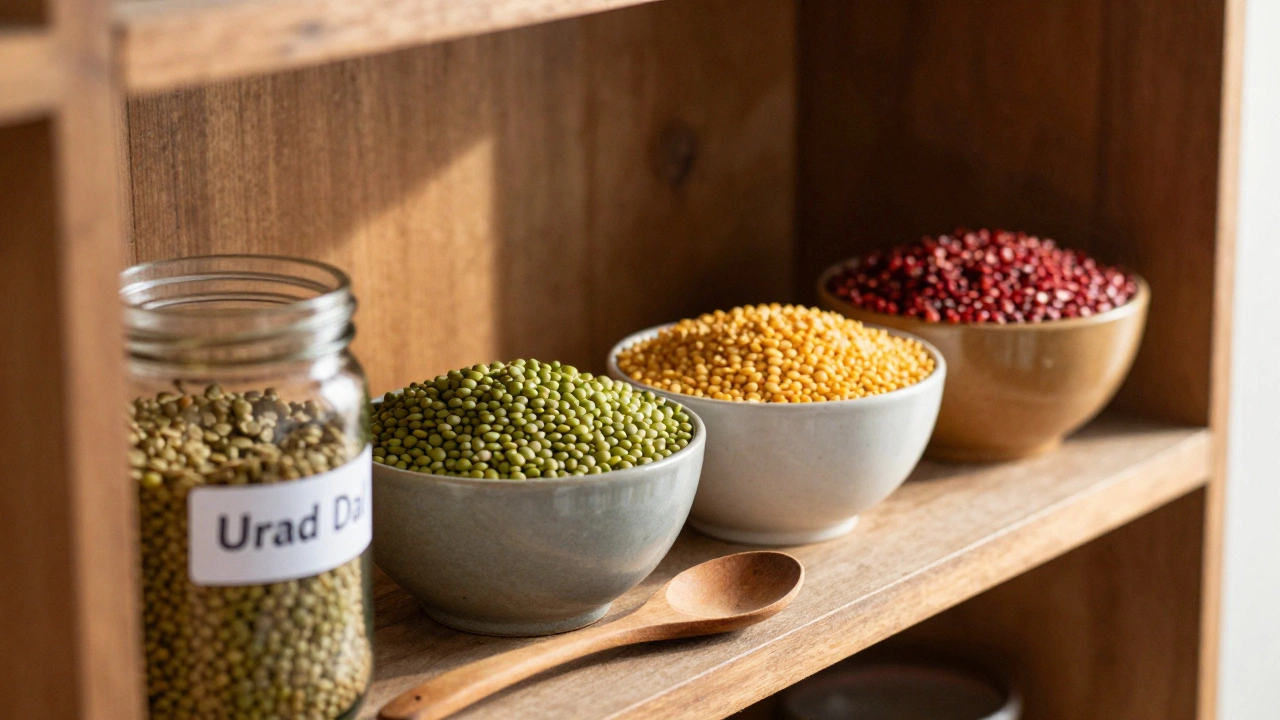
You open your pantry to make that weekend staple-dosa-and realize you’ve run out of urad dal. Panic sets in? It shouldn’t. While urad dal is the traditional backbone of authentic South Indian dosa batter, providing the crucial protein and leavening power needed for that signature crispness, it isn't strictly irreplaceable if you know the right tricks. Whether you are avoiding legumes due to allergies, dealing with a dietary restriction like FODMAP sensitivity, or simply forgot to buy black gram lentils, there are viable alternatives that can save your breakfast.
The challenge with replacing urad dal isn't just about swapping one ingredient for another; it's about replicating its specific chemical properties. Urad dal provides two things: structure (protein) and lift (fermentation-friendly carbohydrates). Without it, your dosa risks becoming flat, rubbery, or falling apart on the pan. However, by understanding what urad dal actually *does* in the batter, we can engineer substitutes that mimic these functions effectively.
Why Urad Dal Is Non-Negotiable in Traditional Recipes
To find a good replacement, we first need to understand why urad dal is so dominant in dosa batter. Black gram lentils have a high protein content and a unique starch profile that interacts beautifully with rice during fermentation. When soaked and ground, the proteins in urad dal create a network that traps carbon dioxide bubbles produced by wild yeast and bacteria. This creates the airy, spongy texture inside the dosa while allowing the exterior to crisp up perfectly.
Most other lentils, like chana dal or moong dal, lack this specific combination of soluble fiber and protein density. They tend to produce batters that are either too dense or fail to ferment properly, resulting in dosas that taste more like flatbreads than the delicate crepes we crave. If you stick to the traditional method without adjusting for these differences, the result will likely disappoint. But with the right adjustments, you can achieve surprisingly close results.
Best Direct Substitutes for Urad Dal
If you need a direct swap because you cannot eat black gram, here are the most effective alternatives, ranked by how well they mimic the original texture and taste.
1. Moong Dal (Green Gram)
Moong dal is the closest relative to urad dal in terms of fermentation behavior. Green gram splits easily and ferments quickly, making it an excellent candidate for a substitute. Unlike urad dal, which has a strong, earthy flavor, moong dal is milder and sweeter. This means your dosa will have a slightly lighter taste, which many people actually prefer.
To use moong dal as a substitute, replace the urad dal in a 1:1 ratio by weight. However, because moong dal is softer, you may need to add a bit less water when grinding the batter. The consistency should be similar to heavy cream. One pro tip: soak the moong dal for only 3-4 hours instead of the usual 6-8 hours for urad dal to prevent it from breaking down completely into a mush.
2. Chana Dal (Bengal Gram)
Chana dal offers a nuttier flavor and a firmer texture. It is richer in protein than moong dal but takes longer to ferment. If you use chana dal, you must extend the fermentation time. In warmer climates, 8-10 hours might suffice, but in cooler regions like Wellington, you might need to leave it for 12-14 hours to get that necessary rise.
Use a 1:1 substitution ratio. Because chana dal is denser, grind it separately from the rice until it forms a fluffy paste before mixing it with the rice batter. This ensures even distribution and prevents lumps. The resulting dosa will be slightly thicker and chewier, closer to a Uttapam texture, but still delicious.
3. Masoor Dal (Red Lentils)
Masoor dal is often overlooked, but it works surprisingly well for quick-fix dosas. Red lentils cook and soften rapidly, meaning you don't even need to soak them for long-just 30 minutes is enough. This makes masoor dal ideal for emergency situations where you want dosas within a few hours.
The downside is that masoor dal doesn't hold gas bubbles as well as urad or moong dal. Your dosas won't be as airy. To compensate, add a pinch of baking soda to the batter right before cooking. This artificial lift helps counteract the lack of natural fermentation strength. Use a 1:1 ratio, but expect a softer, less crispy result.
Non-Lentil Alternatives for Gluten-Free or Low-FODMAP Diets
Some people avoid urad dal not because they ran out, but because they are managing health conditions like IBS (where legumes can trigger bloating) or specific allergies. In these cases, lentil-based substitutes aren't options. Here is how to pivot.
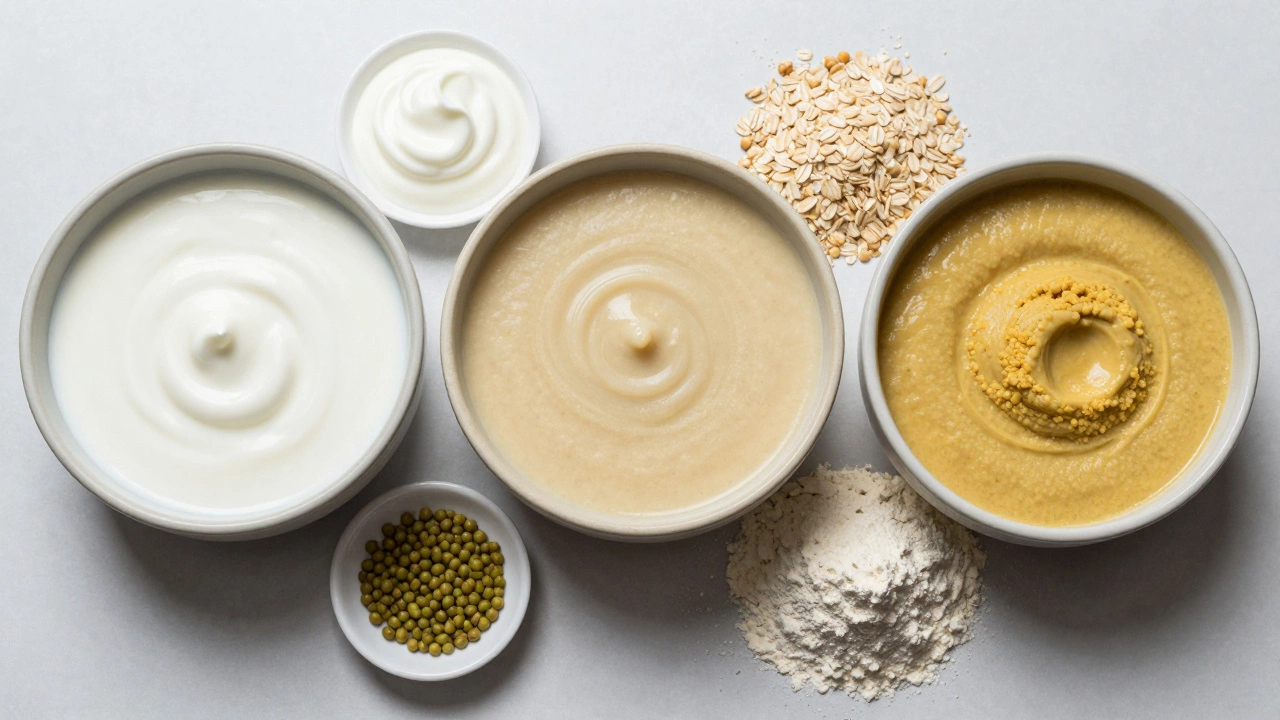
1. Rice Flour and Yogurt Batter
If you need a completely legume-free option, a combination of rice flour and yogurt is your best bet. Rice flour provides the base structure, while the lactose and proteins in yogurt act as a fermenting agent. This method skips the long wait for natural fermentation.
Mix 1 cup of rice flour with 1/2 cup of plain yogurt and enough water to reach a pouring consistency. Add a pinch of salt and cumin seeds for flavor. Let this mixture rest for at least 2 hours. The acidity of the yogurt reacts with any baking powder you add (optional) to create lift. These dosas are thinner and more fragile, so handle them gently on the tawa.
2. Oatmeal and Besan (Gram Flour) Mix
For those looking for a heartier, fiber-rich alternative, combining rolled oats with besan (chickpea flour) works well. Besan is technically a legume product, but it is processed differently and is often better tolerated than whole lentils. Oats provide binding and bulk.
Grind 1/2 cup of rolled oats into a coarse flour. Mix with 1/4 cup of besan. Add water gradually to form a smooth batter. Let it sit for 30 minutes. The besan adds a distinct yellow color and a savory depth that mimics the umami notes of fermented urad dal. These dosas are sturdy and great for holding toppings.
Critical Adjustments: Making Substitute Batters Work
Swapping the main ingredient changes the chemistry of the batter. You cannot simply swap and expect identical results without tweaking the process. Here are the essential adjustments to ensure success.
- Adjust Water Content: Different lentils absorb water at different rates. Moong dal absorbs less water than urad dal, while chana dal absorbs more. Always check the batter consistency. It should flow off the spoon smoothly but not be watery. If it’s too thick, the dosa won’t spread; if too thin, it won’t crisp.
- Extend Fermentation Time: Urad dal ferments relatively quickly due to its sugar content. Substitutes like chana dal or mixed grains may require longer resting periods. In winter, place the batter in a warm spot (like an oven with just the light on) to encourage yeast activity.
- Add Leavening Agents: If your substitute batter isn’t rising naturally, don’t hesitate to add 1/2 teaspoon of baking soda or baking powder per cup of batter. This is not cheating; it’s adapting to the ingredients you have. Mix it in just before cooking to maximize the lift.
- Control Heat: Substitute batters often burn faster or slower than traditional ones. Start with medium-low heat. If the dosa browns before the top cooks, lower the heat. If it stays pale and soggy, increase it slightly. Listen to the sizzle-it should be steady, not aggressive.
Troubleshooting Common Issues with Substitute Dosas
Even with the right ingredients, things can go wrong. Here is how to fix common pitfalls when using non-traditional bases.
| Problem | Likely Cause | Solution |
|---|---|---|
| Dosa breaks when flipping | Batter too thin or insufficient protein | Add a tablespoon of rice flour or besan to thicken. Ensure the pan is hot enough before spreading. |
| Dosa is hard/rubbery | Over-mixed batter or under-fermented | Do not over-beat the batter after fermentation. Let it rest longer next time. Avoid stirring vigorously. |
| No holes forming | Pan not hot enough or oil insufficient | Heat the tawa until a drop of water sizzles and evaporates instantly. Drizzle oil around the edges generously. |
| Sour taste is overpowering | Over-fermented | Add a pinch of sugar or roasted rice flour to balance the acidity. Next time, reduce fermentation time. |
Pro Tips for the Perfect Substitute Dosa
Want to elevate your substitute dosa from "edible" to "restaurant-quality"? Follow these expert tips.
- Roast the Rice: Regardless of the lentil substitute you use, always roast the rice lightly before soaking. This enhances the aroma and helps the dosa crisp up better. Roast until it smells nutty but doesn’t brown.
- Use Stone-Ground Flour: If you are using flours like rice flour or besan, opt for stone-ground varieties. They retain more nutrients and have a coarser texture that improves the final crunch.
- Don’t Skip the Salt: Salt isn’t just for flavor; it strengthens the gluten-like structures in the batter (even in gluten-free mixes). Add it before fermentation to help control the yeast activity.
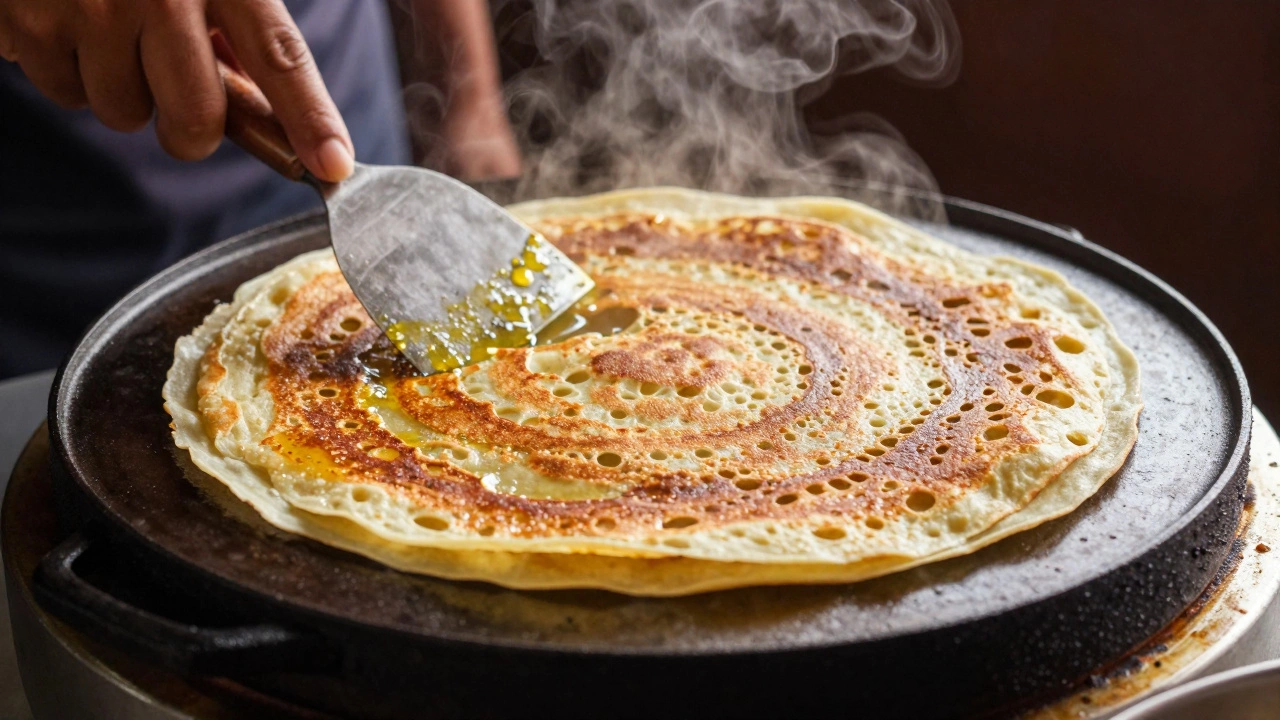
- Test the Pan Temperature: A cast-iron skillet or a seasoned non-stick tawa works best. Preheat it for at least 5 minutes. Sprinkle a few drops of water; if they dance and evaporate immediately, it’s ready.
- Oil Strategy: Brush the edges with coconut oil or ghee. This not only adds flavor but also creates a barrier that prevents sticking and promotes even browning.
Conclusion: Embrace the Flexibility
Running out of urad dal doesn’t mean the end of your dosa dreams. By understanding the role of each ingredient and being willing to adjust fermentation times and liquid ratios, you can create delicious, crispy dosas with moong dal, chana dal, masoor dal, or even grain-based mixes. The key is patience and observation. Watch your batter, listen to the pan, and adjust accordingly. With these substitutes and techniques, you’ll never be stuck without a satisfying breakfast again.
Can I use urad dal skinless (split black gram) instead of whole urad dal?
Yes, absolutely. Skinless urad dal (also known as ulundu paruppu) is actually preferred by many for dosa batter because it produces a smoother, finer texture. It ferments similarly to whole urad dal but requires slightly less grinding time. You can substitute it in a 1:1 ratio.
Why does my dosa batter smell sour even before fermentation?
If your batter smells sour before fermentation, it may have gone bad. Check for mold or an unpleasant odor. Legumes spoil quickly in warm weather. If it smells okay but tastes slightly tangy, it might be due to the type of rice used. However, if the smell is pungent or rancid, discard the batter and start fresh.
Can I make dosa without any fermentation?
Yes, you can make instant dosas without fermentation. Use a mix of rice flour, semolina (rava), and curd/yogurt. Add a pinch of baking soda and let it rest for 15-20 minutes. These dosas won’t have the same airy texture as fermented ones, but they are quick and tasty.
Is it safe to use expired urad dal?
No. Expired urad dal can harbor bacteria and lose its nutritional value. It may also fail to ferment properly, leading to hard or inedible dosas. Always check for signs of moisture, insects, or off odors before using stored lentils.
What is the best ratio of rice to lentil substitute for dosa?
The traditional ratio is 3:1 (rice to lentil). For most substitutes like moong dal or chana dal, stick to this 3:1 ratio. If using grain-based substitutes like oats or millet, you may need to increase the proportion to 4:1 or 5:1 to maintain the right consistency and crispness.