DIY Tandoori Masala Substitute Calculator
Step 1: Set Portion Size
How much chicken are you marinating?
Your Custom Blend
| Ingredient | Amount Needed |
|---|---|
| Enter weight and click generate to see your mix. | |
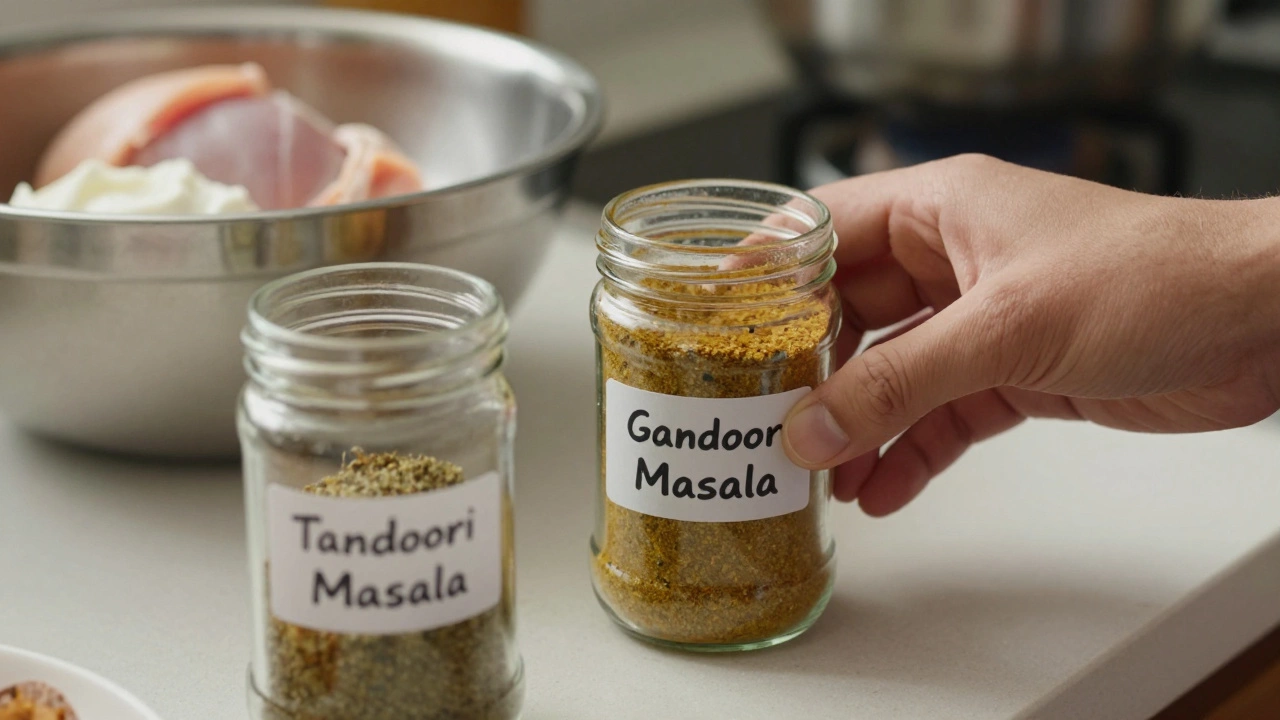
You’re standing in your kitchen, apron on, ready to make that smoky, charred tandoori chicken is a classic Indian dish marinated in yogurt and spices before being cooked at high heat. You reach for the jar labeled "Tandoori Masala," only to realize it’s empty. The pantry scan reveals a jar of garam masala is a warm blend of ground spices like cinnamon, cardamom, and cloves. Your brain immediately fires up the question: Can I just swap them? It seems logical. Both are brown powders. Both smell spicy. But if you’ve ever tried this swap without thinking twice, you know the result can be... disappointing. The chicken might taste like a sweet dessert or lack that signature tangy kick entirely.
The short answer is no, not directly. While both are staple spice blends in Indian cuisine, they serve completely different roles. Tandoori masala is designed to withstand high heat and provide acidity and color, while garam masala is a finishing spice meant to add warmth and aroma. Swapping them one-for-one changes the flavor profile drastically. However, with a few simple adjustments, you can absolutely save your recipe and get close to the authentic taste you’re craving.
The Flavor Profile Clash: Why They Aren't Interchangeable
To understand why a direct swap fails, we need to look at what’s actually inside these jars. Think of tandoori masala is a spice mix specifically formulated for marinades, containing red chili powder, Kashmiri chilies for color, and often dried mango powder (amchur) for sourness. Its job is to penetrate meat during a long marination process and survive the intense heat of a tandoor oven or a hot grill. It needs to be robust, acidic, and colorful.
On the other hand, garam masala typically contains toasted whole spices ground into a fine powder, such as black pepper, cumin, coriander, nutmeg, and mace. These spices lose their volatile oils when cooked for too long. That’s why chefs usually add garam masala at the very end of cooking-or even after-to preserve its fragrance. If you use garam masala as a base marinade for hours, the delicate notes evaporate, leaving behind a flat, sometimes bitter taste that lacks the brightness required for tandoori dishes.
| Feature | Tandoori Masala | Garam Masala |
|---|---|---|
| Primary Function | Marinade & Color | Finishing Spice & Aroma |
| Key Ingredients | Red Chili, Amchur, Coriander, Cumin | Cinnamon, Cardamom, Cloves, Nutmeg |
| Acidity | High (often contains citric acid or amchur) | None (neutral pH) |
| Color | Bright Red/Orange | Brown/Grey |
| Heat Level | Medium to Hot | Mild to Medium |
| Best Used When | Start of cooking/marinating | End of cooking/serving |
How to Make a DIY Tandoori Masala Substitute
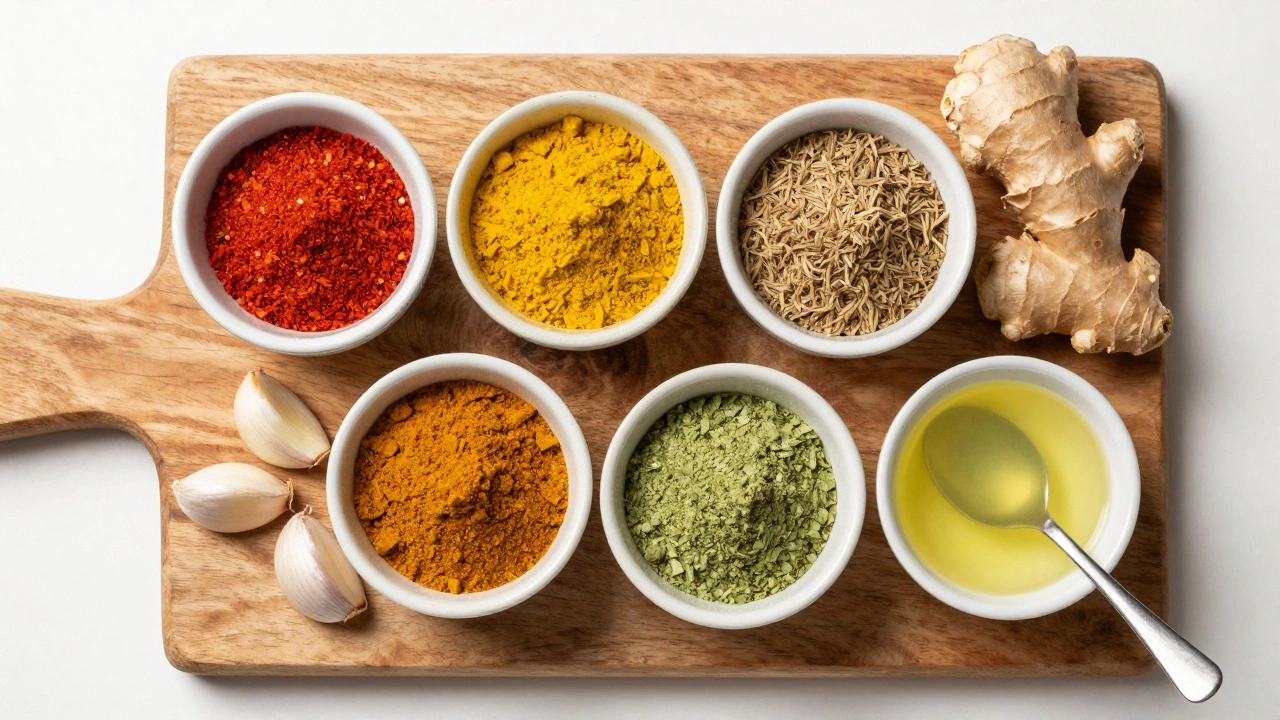
If you don’t have tandoori masala, don’t panic. You likely have the individual components needed to recreate it. The magic of tandoori flavor comes from three pillars: heat, tang, and earthiness. Garam masala provides some earthiness, but it lacks the heat and tang. Here is how you build a proper substitute using common pantry staples.
First, you need the color and mild heat. In India, cooks use Kashmiri red chili powder is a variety of dried chili known for its vibrant red color and low heat level. If you don’t have that, standard cayenne pepper works for heat, but it won’t give you the bright orange hue. To fix the color, many home cooks add a pinch of turmeric or even a drop of food coloring, though purists might frown upon the latter. For the best balance, mix 1 tablespoon of paprika (for color) with 1 teaspoon of cayenne (for heat).
Next, address the missing tang. This is the most critical step. Tandoori masala almost always includes amchur is dried green mango powder used in Indian cooking to add a sour, tangy flavor without moisture. If you don’t have amchur, lemon juice or vinegar is your best friend. Since you are marinating chicken, the yogurt already provides some acidity, but adding an extra tablespoon of fresh lemon juice to your spice mix mimics the sharp bite of amchur perfectly.
Finally, bring in the aromatics. Use your garam masala here, but sparingly. Instead of making it the star, let it support the cast. Add 1 teaspoon of garam masala to your mix. Then, add 1 tablespoon each of ground coriander and ground cumin. These two spices form the backbone of most Indian curries and marinades, providing the savory depth that garam masala alone cannot offer.
- Combine Dry Spices: Mix 1 tbsp paprika, 1 tsp cayenne, 1 tbsp coriander powder, 1 tbsp cumin powder, and 1 tsp garam masala.
- Add Acid: Stir in 1 tbsp lemon juice or 1 tsp amchur powder if available.
- Marinate: Whisk this mixture into plain yogurt until smooth. Coat your chicken thoroughly.
- Rest: Let it sit in the fridge for at least 4 hours, preferably overnight. Time is the secret ingredient that allows the flavors to penetrate the meat fibers.
Troubleshooting Common Substitution Errors
Even with the right ingredients, things can go wrong. Have you ever made a dish that tasted "off" but couldn’t pinpoint why? Usually, it’s because the substitution ignored the chemical reaction between acid and protein. Yogurt is acidic, which helps tenderize the chicken. If your substitute lacks additional acid (like lemon or amchur), the chicken might turn out tough rather than succulent. Always ensure your marinade has a good squeeze of citrus.
Another common mistake is over-salting. Store-bought tandoori masala often contains salt. Garam masala usually does not. If you are building your own blend, remember to add salt separately. Start with half a teaspoon per pound of chicken and adjust to taste. Over-salting draws out moisture too quickly, leading to dry meat.
Don’t forget the smoke. Authentic tandoori chicken gets its character from the charcoal-fired clay oven. At home, we use gas ovens or grills. To bridge this gap, consider using liquid smoke (just a few drops!) or smoking the yogurt itself. Heat a piece of charcoal until it glows, place it in a small metal bowl, drizzle a few drops of oil on it, and cover it with foil pierced with holes. Place this over the marinated chicken in the oven for 10 minutes. This technique, known as dhungar, infuses the meat with genuine smoky flavor that no spice blend can replicate on its own.
When Garam Masala Actually Works
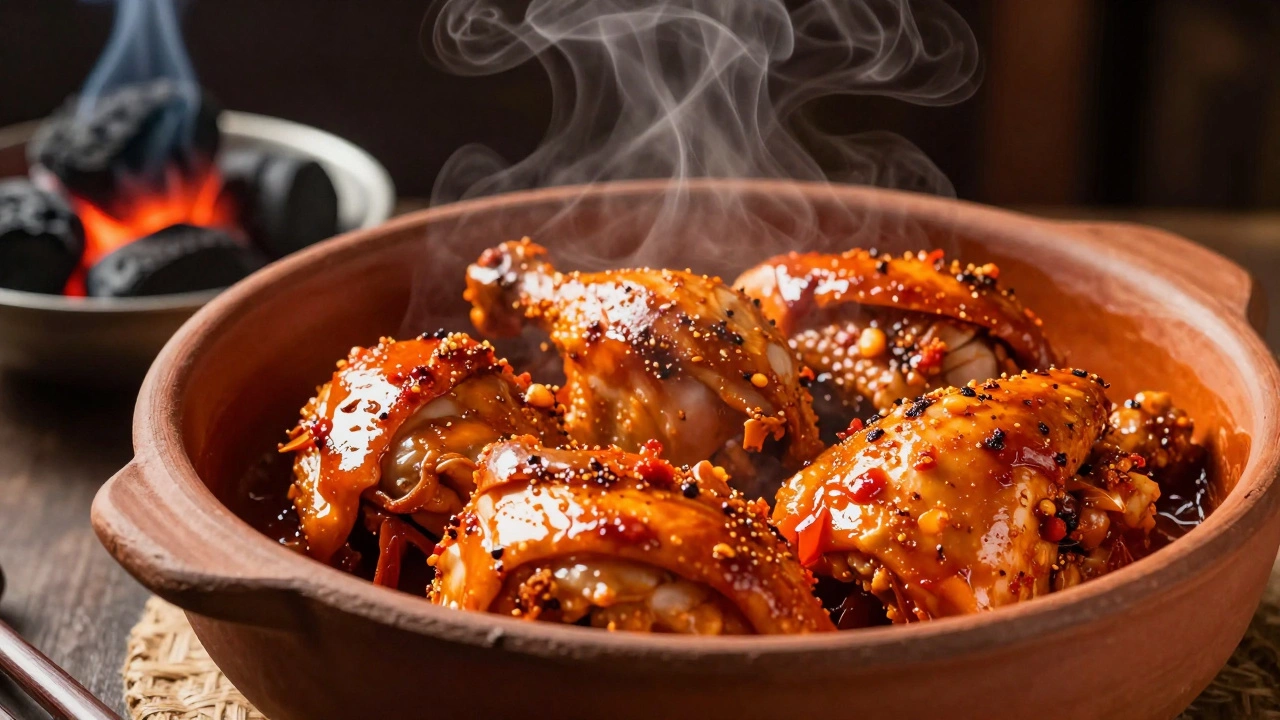
There are scenarios where you *should* use garam masala instead of trying to fake tandoori masala. If you are making a quick weeknight meal and don’t have time to marinate for hours, garam masala shines in fast-cooking methods. Try tossing diced chicken breast with yogurt, garlic, ginger, and a generous spoonful of garam masala. Sear it in a hot pan with butter. The result isn’t tandoori chicken, but it’s a delicious, aromatic stir-fry that highlights the warm, sweet notes of cinnamon and cardamom. Embrace the difference rather than fighting it.
Garam masala is also superior for vegetarian tandoori-style dishes like paneer tikka. Paneer absorbs spices differently than chicken. The strong, pungent flavors of raw chili powder can sometimes overpower the mild cheese. A blend rich in garam masala, tempered with a little lemon juice, creates a sophisticated flavor profile that complements the creamy texture of paneer without overwhelming it.
Storage and Freshness Matters
Before you blame the substitution, check your spices. Ground spices lose potency rapidly after opening. If your garam masala has been sitting in the cupboard for two years, it’s essentially colored dust. It will add no flavor, regardless of how much you use. Buy small quantities more often. Whole spices last longer, so if you grind your own, you’ll notice a dramatic difference in intensity. Freshly ground coriander and cumin smell bright and grassy; stale ones smell woody and dull.
Keep your spice jars away from direct sunlight and heat sources, like above the stove. Light and heat degrade the essential oils that carry the flavor. A cool, dark pantry shelf is ideal. If you live in a humid climate like Wellington can occasionally be, ensure your lids are tight to prevent clumping. Clumped spices don’t distribute evenly in marinades, leading to pockets of intense flavor and bland spots elsewhere.
Can I use curry powder instead of tandoori masala?
Not really. Curry powder is a British invention designed to mimic generic Indian curries. It often contains turmeric, fenugreek, and mustard seeds, which will make your chicken taste yellow and bitter rather than red and smoky. Stick to the DIY blend of paprika, chili, coriander, and cumin for better results.
Why does my tandoori chicken turn brown instead of red?
The red color comes from Kashmiri red chili powder or paprika. If you are using only garam masala or standard cayenne, the color will be muted. Add a tablespoon of smoked paprika to your marinade to achieve that signature restaurant-style orange-red hue.
Do I need to cook tandoori chicken in a special oven?
No. A regular home oven set to its highest temperature (usually 230°C/450°F) works well. Use a wire rack over a baking sheet to allow air circulation, mimicking the open flame effect. Broiling for the last 5 minutes helps char the edges.
Can I make this recipe vegan?
Yes. Replace the chicken with cauliflower florets, mushrooms, or tofu. Use coconut yogurt instead of dairy yogurt to keep it vegan-friendly. The spice blend remains exactly the same.
How long should I marinate the chicken?
For boneless chicken pieces, 4 hours is sufficient. For whole legs or wings, marinate overnight (8-12 hours). The longer the marination, the deeper the flavor penetration and the more tender the meat becomes due to the lactic acid in the yogurt.