Dosa Fermentation Time Calculator
Is Your Batter Ready? Check These Signs:
- ✓ Volume has doubled or significantly increased.
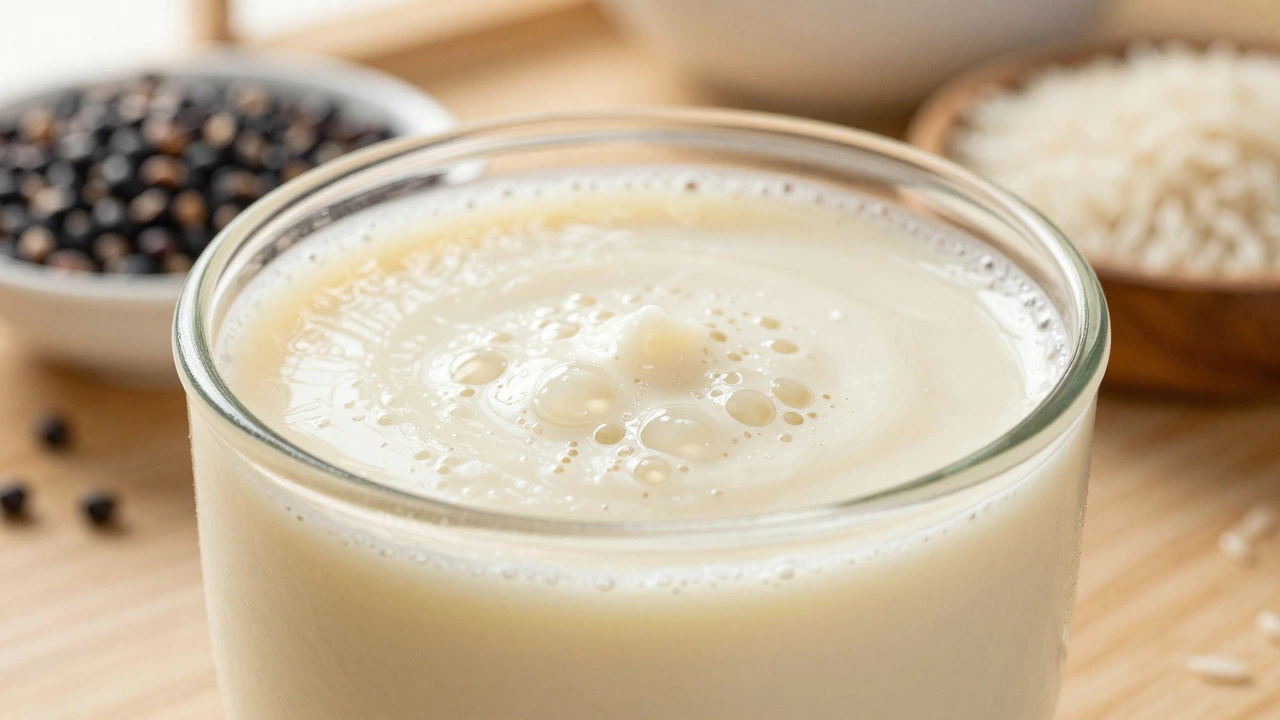
- ✓ Tiny bubbles visible on surface.
- ✓ Smells tangy/sour (like yogurt).
- ✓ A drop floats in water.
There is nothing quite like the smell of fresh dosa batter, a fermented mixture of rice and lentils that forms the base of South India's most iconic breakfast dish. But getting that perfect crispness and airy texture isn't just about grinding ingredients; it is all about time. Specifically, how long do you leave it alone? If you have ever stared at a jar of batter wondering if it is ready or if it has gone bad, you are not alone. The short answer is that standard dosa batter typically requires between 8 to 12 hours of fermentation in warm weather, but can take up to 24 hours in cooler climates. However, the reality is a bit more nuanced, depending on your kitchen temperature, the type of rice you use, and even the season.
The Science Behind the Rise
To understand why timing matters, we need to look at what is actually happening inside that jar. Fermentation is a biological process driven by wild yeast and bacteria naturally present on the grains and in your environment. When you mix soaked urad dal (black gram) and raw rice with water, you create an ideal breeding ground for these microorganisms. As they feed on the carbohydrates in the rice and dal, they produce carbon dioxide gas and lactic acid. The carbon dioxide creates the bubbles that make your dosa light and fluffy, while the lactic acid gives it that characteristic tangy flavor.
If you ferment the batter for too short a time, the gas production is insufficient. Your dosas will be dense, heavy, and likely fall apart when you try to flip them. On the other hand, over-fermentation leads to excessive acidity. The batter becomes too sour, loses its structural integrity, and may develop an unpleasant alcoholic smell. Finding the sweet spot is where the art of cooking comes in. It is not just about counting hours; it is about observing signs.
Temperature: The Biggest Variable
The single most important factor determining fermentation time is temperature. Yeast activity doubles with every 10-degree Celsius increase in temperature. This means that if you are living in a tropical climate like Chennai or Mumbai, your batter might be ready in as little as 6 to 8 hours during summer. Conversely, if you are in a cooler region like Wellington, New Zealand, or anywhere in Europe during winter, you might need 24 to 36 hours to achieve the same rise.
Here is a general guideline based on ambient kitchen temperatures:
- Below 20°C (68°F): Expect 24 to 36 hours. You will likely need to create a warm environment, such as placing the jar in an oven with only the light on, or wrapping it in a thick towel near a radiator.
- 20°C to 25°C (68°F to 77°F): Plan for 12 to 18 hours. This is a moderate range where fermentation happens steadily without rushing.
- Above 25°C (77°F): Check after 8 hours. In hot weather, fermentation accelerates rapidly, and you risk over-fermenting if you leave it overnight.
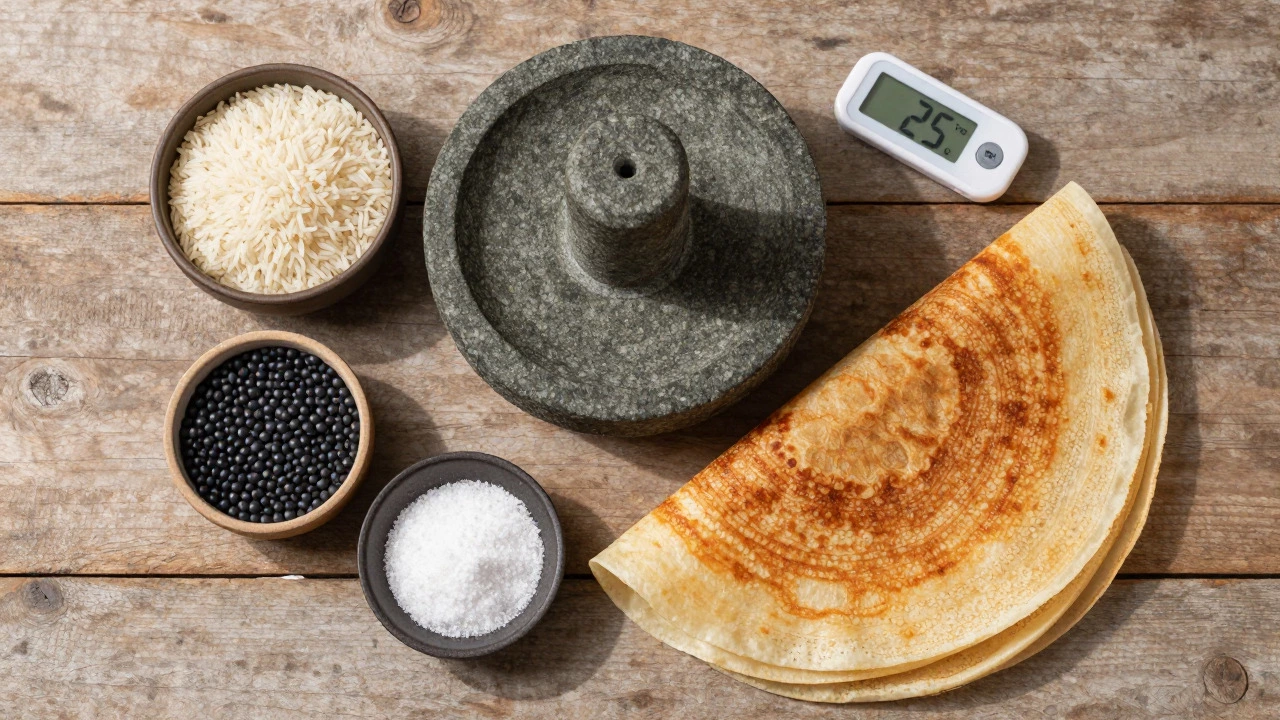
If you are unsure about your kitchen's temperature, place a thermometer next to the batter jar. Consistency is key. Sudden drops in temperature can halt fermentation, leaving you with flat batter the next morning.
Signs Your Dosa Batter Is Ready
Relying solely on a clock is risky because variables change. Instead, train yourself to recognize the visual and sensory cues that indicate readiness. These signs are universal, regardless of how many hours have passed.
- Volume Increase: The batter should have risen significantly, often doubling in volume. You might see the level of the batter touching the lid of the container. If you used a glass jar, you can clearly see the expansion.
- Bubbles: Look closely at the surface. A network of tiny air bubbles should be visible throughout the batter. When you stir it gently, these bubbles should release slowly, creating a frothy texture.
- Scent: A properly fermented batter has a distinct, pleasant sour aroma. It should smell tangy, similar to yogurt or sourdough starter. If it smells overly alcoholic or rotten, it has gone too far. If it smells neutral or just like wet grain, it needs more time.
- Texture Test: Dip a spoon into the batter and lift it. The batter should be smooth and slightly aerated. If you drop a small amount into a bowl of water, it should float to the top. Sinking batter indicates insufficient fermentation.

Adjusting for Different Rice Varieties
Not all rice behaves the same way during fermentation. Traditional recipes call for a specific ratio of parboiled rice (also known as ponni rice) to urad dal. Parboiled rice contains more starch and ferments differently than raw rice. Some cooks prefer using a mix of raw rice and parboiled rice to balance texture and fermentation speed. Raw rice tends to ferment faster and produces a thinner, crisper dosa, while parboiled rice results in a thicker, softer dosa that holds together better.
If you are using store-bought instant dosa batter, the fermentation rules change entirely. These products often contain preservatives or pre-fermented cultures that alter the timeline. Always follow the manufacturer's instructions, but generally, instant batters require less resting time-often just 1 to 2 hours after rehydration-to allow the gases to redistribute.
Troubleshooting Common Fermentation Issues
Even experienced cooks face setbacks. Here are some common problems and how to fix them.
| Problem | Cause | Solution |
|---|---|---|
| Batter did not rise | Too cold, old grains, or incorrect water ratio | Move to a warmer spot. Add a pinch of sugar or baking soda to jumpstart fermentation. Ensure you used enough water to make a pourable consistency. |
| Batter is too sour | Over-fermented due to heat or time | Add a pinch of baking soda to neutralize acidity. Mix in a small amount of unfermented batter if available. Use immediately. |
| Dosas are hard and crackly | Under-fermented or too much rice relative to dal | Allow more time for fermentation. Next time, increase the proportion of urad dal slightly for better fluffiness. |
| Batter smells alcoholic | Excessive fermentation | It is still usable but will be very sour. Balance with a bit of salt and cook immediately. Discard if mold appears. |
Another tip is to ensure your grinding stone or blender jar was completely dry before starting. Any residual oil or soap can inhibit bacterial growth. Also, using filtered water can help avoid chlorine interference, which sometimes kills beneficial microbes.
Storing and Using Fermented Batter
Once your batter has reached the peak of fermentation, what do you do? If you plan to make dosas within the next 24 hours, you can keep it at room temperature. However, if you want to pause the fermentation process, refrigerate it. Cold temperatures slow down yeast activity dramatically. You can store fermented batter in the fridge for up to 5 days. Before making dosas, let it come to room temperature for about an hour and give it a gentle stir. Note that refrigerated batter may lose some of its puffiness, so you might need to add a pinch of baking soda right before cooking to restore lift.
When spreading the batter on the hot tawa (griddle), remember that the fermentation structure is delicate. Stir the batter gently from the bottom to incorporate the settled solids without deflating the bubbles. A well-fermented batter will spread easily and form lacy holes on the surface as it cooks, indicating successful gas release.
Final Thoughts on Timing
Fermenting dosa batter is less about strict adherence to a clock and more about understanding the relationship between ingredients, temperature, and time. Whether you are aiming for 8 hours in a tropical summer or 24 hours in a cool winter, the goal remains the same: a bubbly, aromatic batter that transforms into crispy, golden crepes. By paying attention to the signs rather than just the hours, you master the craft of making authentic South Indian dosas at home.
Can I ferment dosa batter in the refrigerator?
Yes, but it takes much longer. Refrigeration slows down fermentation significantly. While room temperature fermentation takes 8-12 hours, refrigerated batter may take 24-48 hours. For best results, ferment at room temperature first, then refrigerate to stop further rising.
What if my dosa batter didn't rise?
If your batter hasn't risen after 12 hours, check the temperature. If it is cold, move it to a warmer spot. You can also add a pinch of sugar or a tiny amount of baking soda to encourage rising. Ensure your urad dal was fresh and properly soaked.
How long can I keep fermented dosa batter?
Fermented dosa batter can be stored in the refrigerator for up to 5 days. Keep it in an airtight container. Before using, let it come to room temperature and stir gently. The batter will become more sour over time.
Do I need to soak rice and dal separately?
Yes, traditionally, urad dal and rice are soaked separately for 4-6 hours. Dal softens faster than rice. Grinding them separately ensures a smoother, finer batter, which is crucial for achieving the right texture and fermentation consistency.
Can I use instant yeast to speed up fermentation?
While possible, it is not traditional. Adding a pinch of instant yeast can reduce fermentation time to 4-6 hours, but it may alter the flavor profile, making it less tangy and more bread-like. Natural fermentation yields the best taste and texture.