Dosa Batter Fermentation: How to Get Perfect Fermentation Every Time
When you make dosa batter fermentation, the natural process where rice and lentils break down with help from wild yeast and bacteria, creating air bubbles and tangy flavor. It's not just mixing ingredients—it's waiting for tiny organisms to do their job. Without it, your dosa turns flat, tough, and boring. With it, you get crisp edges, soft centers, and that unmistakable sour tang that makes South Indian breakfasts unforgettable.
What affects fermentation? temperature, how warm your kitchen is—too cold and the batter won’t rise, too hot and it overpowers with sourness. In winter, you might need to wrap the bowl in a towel and place it near a heater. In summer, just leave it on the counter. The rice-to-lentil ratio, usually 3:1 or 4:1, determines how airy the final dosa gets. Too much lentil? It becomes sticky and dense. Too little? It won’t ferment well. And don’t forget the water quality, chlorinated tap water can kill the good bacteria. Use filtered or boiled-and-cooled water if your tap tastes strong.
How long does it take? Most recipes say 8–12 hours, but that’s a guess. In Chennai, it might take 6 hours. In Delhi in December? It could take 24. The real sign it’s ready? Bubbles everywhere, a slight sour smell, and the batter doubles in volume. If it doesn’t rise, your lentils might be old, or your kitchen is too chilly. Try adding a pinch of fenugreek seeds—it helps kickstart fermentation. Or leave a spoonful of last batch in the new one—like a sourdough starter, but for dosa.
You’ll find posts here that explain why your batter didn’t puff, how to fix it in winter, what oils work best after fermentation, and even how to store extra batter for later. Some people swear by adding a bit of cooked rice or poha to help it rise. Others use yogurt as a booster. We’ve tested them all. No myths. No fluff. Just what works.
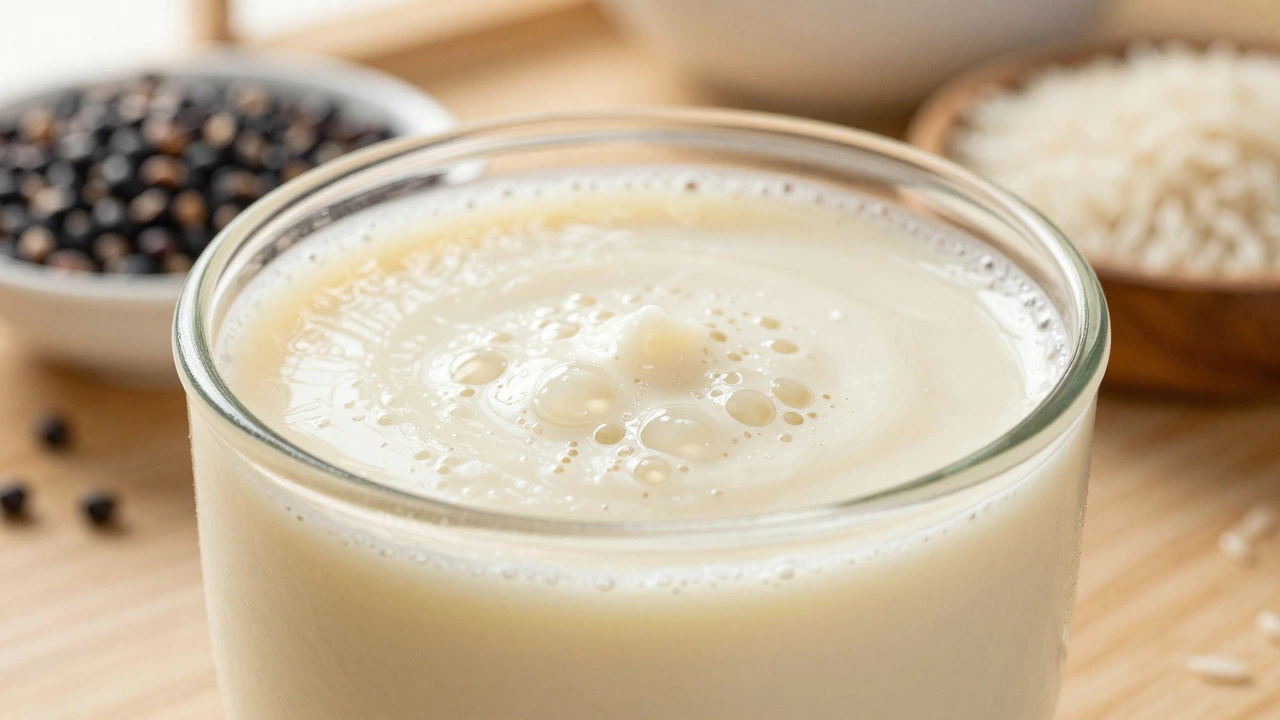
How Many Hours to Ferment Dosa Batter: The Ultimate Guide
Learn exactly how many hours to ferment dosa batter for perfect crispiness. Discover tips for different temperatures, signs of readiness, and troubleshooting advice.
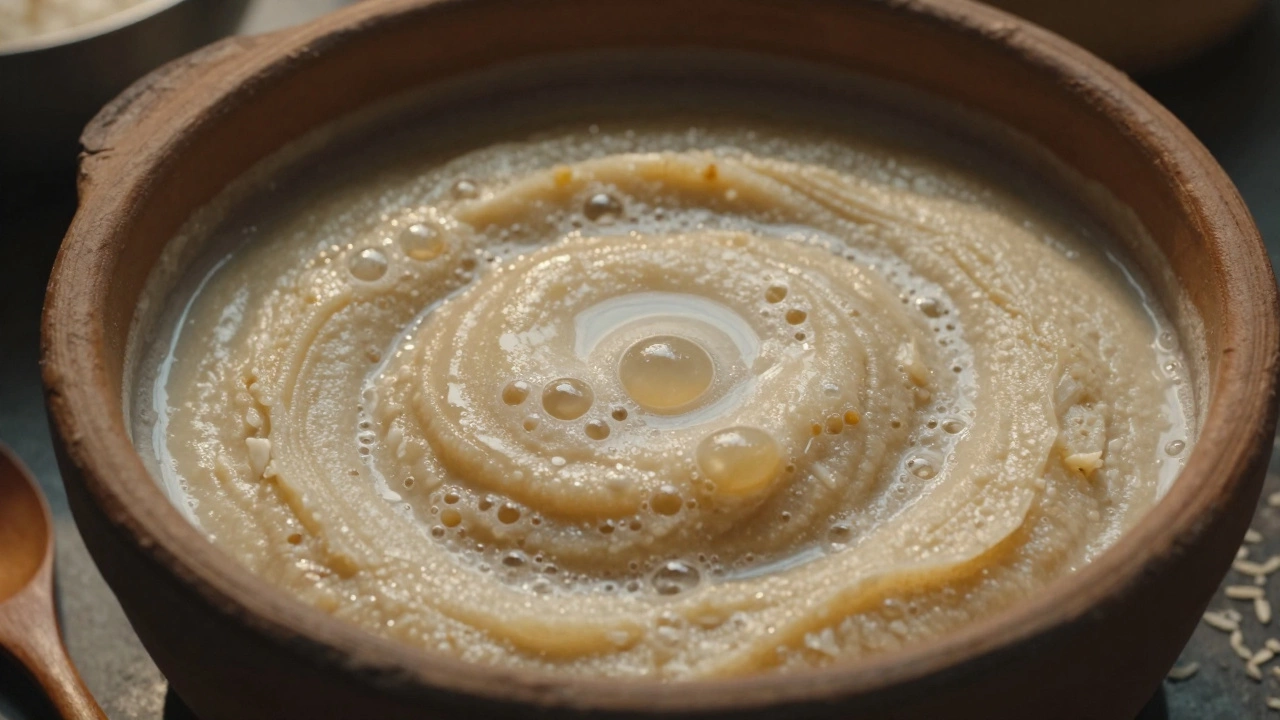
Is It Safe to Eat Over-Fermented Dosa Batter? What Happens When It Sours Too Much
Is over-fermented dosa batter safe to eat? Learn what happens when it sours too much, how to tell if it's spoiled, and simple fixes to save your batter without risking your health.