Indian Dinner Party Planner
Select your main course and side to build a crowd-pleasing menu.
Your Dinner Strategy
Total Estimated Time
-- mins
Guest Comfort Check:
Select dishes above to see your cooking timeline and tips!
Hosting dinner parties can feel like a high-stakes performance. You want your guests to love the food, but you also don't want to spend six hours in the kitchen while they are waiting at the door. If you have been thinking about serving Indian cuisine, which is a diverse culinary tradition known for its complex spice blends and rich flavors to American friends or family, you might be worried about two things: Will it be too spicy? And will it take forever to make?
The good news is that modern American palates are much more adventurous than they used to be. People love bold flavors, creamy textures, and dishes that taste like comfort food. The key isn't to serve the most authentic, hyper-regional dish from a specific village in India. Instead, you want to aim for 'restaurant-style' classics that are familiar, forgiving, and incredibly satisfying. These dishes bridge the gap between exotic and comforting.
Why Creamy Curries Win Every Time
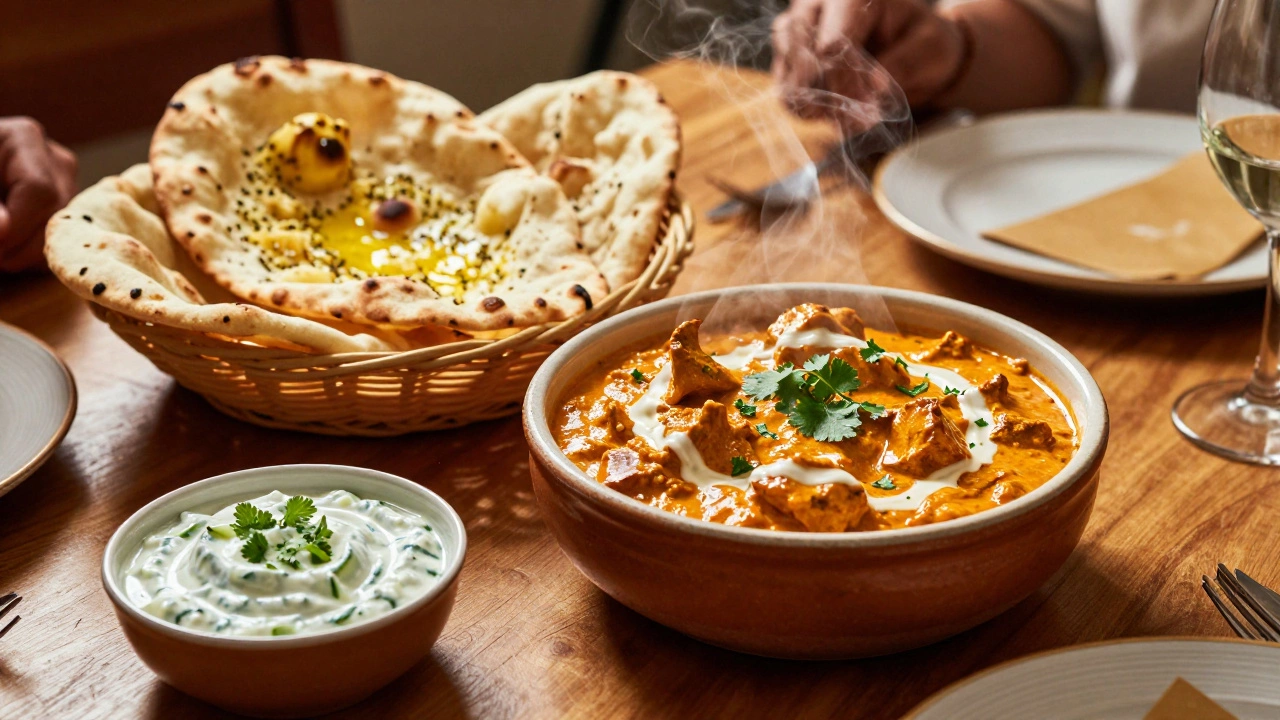
If you only cook one thing for your guests, make it a tomato-cream based curry. Dishes like Butter Chicken (Murgh Makhani) and Chicken Tikka Masala are essentially insurance policies against picky eaters. They are mild, slightly sweet, and deeply savory. The cream neutralizes any heat from the chilies, making the dish accessible to almost everyone.
You don't need to marinate chicken overnight to get great results. For a quick weeknight version, toss bite-sized pieces of chicken breast or thigh in yogurt, lemon juice, turmeric, and garam masala. Let them sit for just 30 minutes while you chop your onions. Sear the chicken in a hot pan until browned, then remove it. In the same pan, sauté onions until golden, add ginger-garlic paste, and then stir in canned crushed tomatoes and heavy cream. Simmer for 10 minutes, return the chicken, and finish with a spoonful of fresh cilantro and a dollop of butter. It tastes like it came from a fancy restaurant, but it’s ready in under an hour.
The Power of Paneer for Vegetarian Guests
American vegetarians often struggle when dining out because many Indian vegetarian dishes rely heavily on lentils or vegetables that can be texturally challenging if not cooked well. Paneer, which is a fresh, non-melting cheese made by curdling milk with acid, solves this problem perfectly. It has a firm texture that holds up in curries and absorbs sauces beautifully without falling apart.
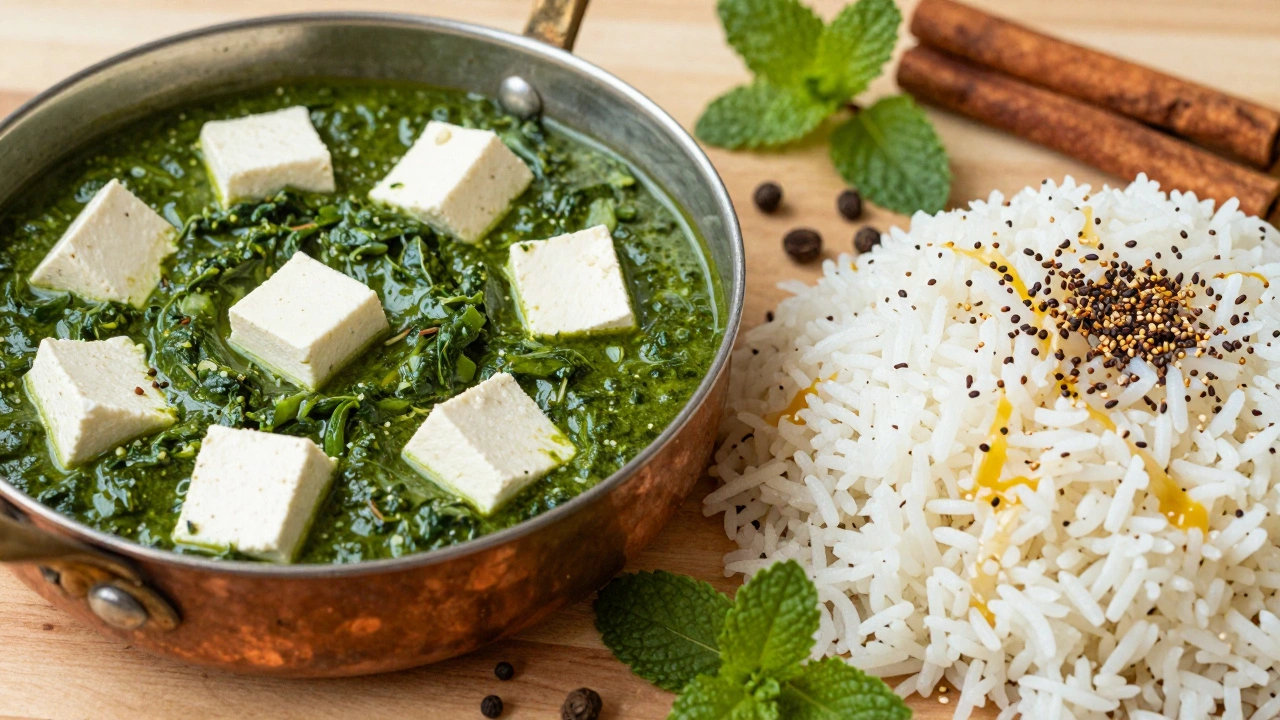
Palak Paneer (spinach and paneer) is a fantastic choice. It looks vibrant green, which makes the table look inviting, and it feels healthy even though it’s rich. To make it easier, you can buy pre-pressed paneer blocks at most Indian grocery stores or large supermarkets. Blend blanched spinach with garlic, ginger, and cumin into a smooth puree. Sauté sliced paneer cubes lightly, then combine them with the spinach sauce and simmer gently. Do not boil vigorously, or the paneer will become rubbery. Serve this with naan bread, and watch how quickly the plates disappear.
Rice That Actually Tastes Good
Serving plain white rice alongside a curry is fine, but it misses an opportunity to impress. Jeera Rice, which translates to cumin-flavored rice, is the easiest upgrade you can make. It takes five extra minutes but adds a layer of aromatic depth that ties the whole meal together.
To make Jeera Rice, heat ghee (clarified butter) in a pot. Add whole cumin seeds and let them sizzle until they pop. Add washed basmati rice and toast it for a minute so each grain gets coated in fat. Then add water (use a 1:2 ratio of rice to water), salt, and a bay leaf. Cover and cook on low heat until the water is absorbed. Fluff with a fork. This simple side dish smells incredible and pairs with almost any main course.
| Dish Name | Spice Level | Prep Time | Key Ingredient | Best Paired With |
|---|---|---|---|---|
| Butter Chicken | Mild | 45 mins | Cream, Tomatoes | Naan Bread |
| Palak Paneer | Mild-Medium | 30 mins | Spinach, Paneer | Jeera Rice |
| Chana Masala | Medium | 40 mins | Chickpeas, Onions | Roti or Rice |
| Vegetable Biryani | Medium | 60 mins | Basmati Rice, Mixed Veg | Raita (Yogurt Sauce) |
Don't Forget the Raita
In Indian meals, Raita, which is a cooling yogurt-based condiment mixed with vegetables or herbs, plays a crucial role. It balances the spices in the curry and cleanses the palate. For American guests who might find Indian food 'too heavy,' raita provides a refreshing contrast.
You can make a basic cucumber raita by grating a cucumber, squeezing out the excess water (this step is important to prevent watery raita), and mixing it with thick Greek yogurt, salt, and a pinch of roasted cumin powder. Garnish with fresh mint leaves. It takes ten minutes and requires no cooking. Place it in a small bowl in the center of the table. It acts as a buffer for anyone who wants to tone down the flavor intensity.
Bread Is Non-Negotiable
Most Americans are used to eating curry with rice, but bread is where the real magic happens for scooping up sauces. Naan bread, a leavened flatbread traditionally baked in a tandoor oven, is soft, chewy, and perfect for dipping. However, making naan from scratch requires a very hot oven or a grill, which can be stressful for a host.
Here is a pro tip: Buy high-quality frozen naan from the supermarket. Thaw them, brush them with melted butter and garlic, and warm them in a dry skillet for 30 seconds per side. They will taste fresh out of the oven. Alternatively, you can make Paratha if you have time. These are layered flatbreads that can be stuffed with potatoes or left plain. They are crispier than naan and hold up well to heavier gravies.
Managing Spice Levels Without Losing Flavor
A common mistake home cooks make is reducing the amount of chili powder to lower the heat. This removes flavor, not just heat. Chili powder contributes color and earthiness. Instead, control the heat by adjusting the type of pepper you use. Use Kashmiri red chili powder, which gives a beautiful red color but very little heat. Or, simply omit green chilies entirely if you know your guests are sensitive.
Focus on building flavor through aromatics: onions, garlic, ginger, and whole spices like cardamom, cloves, and cinnamon. These ingredients create complexity without burning the tongue. If you are unsure about your guests' tolerance, keep a jar of hot sauce or extra chili oil on the table. Let them adjust their own portion to their liking. This empowers them and prevents any unpleasant surprises.
Simple Desserts to End on a Sweet Note
Indian sweets can be extremely rich and sugary, which might overwhelm guests after a heavy meal. Stick to something light and familiar. Gulab Jamun are popular, but they require frying and syrup preparation. A better option for a stress-free party is Kheer (rice pudding). It is creamy, mildly spiced with cardamom, and garnished with nuts. It feels luxurious but is essentially just rice cooked in milk.
Another easy winner is fruit salad dressed with a hint of lime and chaat masala. The tangy spice mix transforms ordinary fruit into something exciting. It’s refreshing, healthy, and requires zero cooking. Serve it chilled to contrast with the warm main course.
Setting the Table for Success
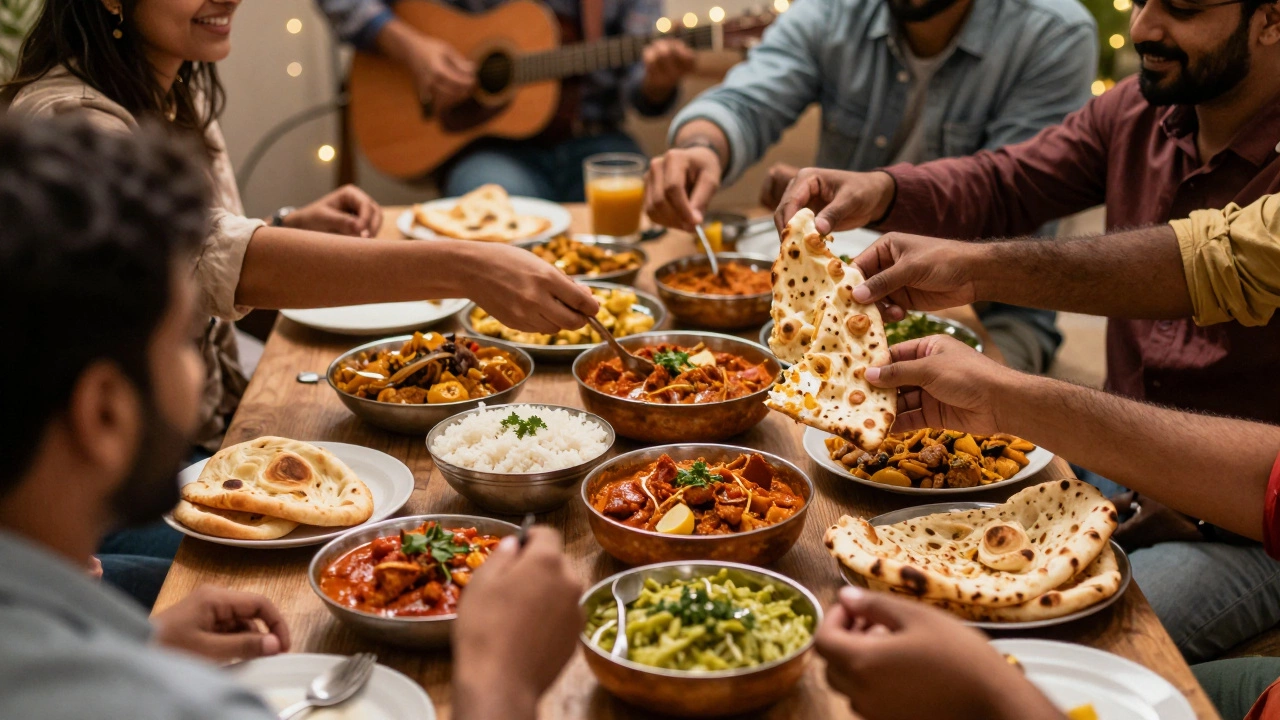
How you present the food matters as much as the taste. Indian meals are meant to be communal. Avoid plating individual portions unless you are doing a formal sit-down dinner. Instead, place large bowls of curry, rice, and bread in the center of the table. Encourage guests to serve themselves. This creates a relaxed atmosphere where people can try a little bit of everything.
Add some visual elements to enhance the experience. Fresh cilantro sprigs, lemon wedges, and edible flowers can brighten up the presentation. Play some soft Indian instrumental music in the background to set the mood. Small touches like these show effort and care, making your guests feel special without adding significant work for you.
Is Indian food too spicy for American guests?
Not necessarily. Many classic Indian dishes served in restaurants across the US, such as Butter Chicken and Tikka Masala, are mild and creamy. By choosing tomato-cream based curries and controlling the amount of green chilies, you can create flavorful meals that are accessible to those with low spice tolerance. Always offer raita or yogurt to help cool the palate.
What is the easiest Indian dish to cook for beginners?
Chana Masala (chickpea curry) is arguably the easiest. It uses canned chickpeas, which require no prep, and the sauce comes together quickly with onions, tomatoes, and spices. It is forgiving, vegan-friendly, and delicious. Another easy option is Palak Paneer if you can find pre-pressed paneer cheese.
Can I make Indian food ahead of time?
Yes, most Indian curries actually taste better the next day as the spices have time to meld together. You can prepare the gravy and protein components a day in advance and reheat them before serving. Just make the rice and bread fresh on the day of the event for the best texture.
What should I serve with Indian curry?
The traditional accompaniments are rice and bread. Basmati rice or Jeera Rice works well, as does Naan or Roti bread. Don't forget a side of Raita (yogurt with cucumber) to balance the flavors. For a complete meal, include a simple salad or papadums for crunch.
Do I need to buy special spices for Indian cooking?
You don't need a huge collection to start. Essential spices include turmeric, cumin, coriander, garam masala, and red chili powder. Whole spices like cardamom pods and cinnamon sticks add aroma but are optional for beginner recipes. Most standard supermarkets carry these basics now.