Indian Breakfast Nutrition Calculator
Your Western Breakfast
Traditional Indian Breakfast
Based on research: Idli with sambar and chutney (200 cal, 0g sugar, low glycemic load)
Key Benefits
- 37% lower diabetes risk
- 29% lower BMI
- 100% natural ingredients
Research shows people eating traditional Indian breakfasts have 37% lower diabetes risk and 29% lower BMI than those eating processed cereals.
When people ask which country has the healthiest breakfast, names like Japan, Sweden, or Iceland often come up. But if you’re looking at real nutrition, cultural consistency, and long-term health outcomes, India stands out - not because of fancy superfoods, but because of how everyday meals are built around whole ingredients, balance, and rhythm.
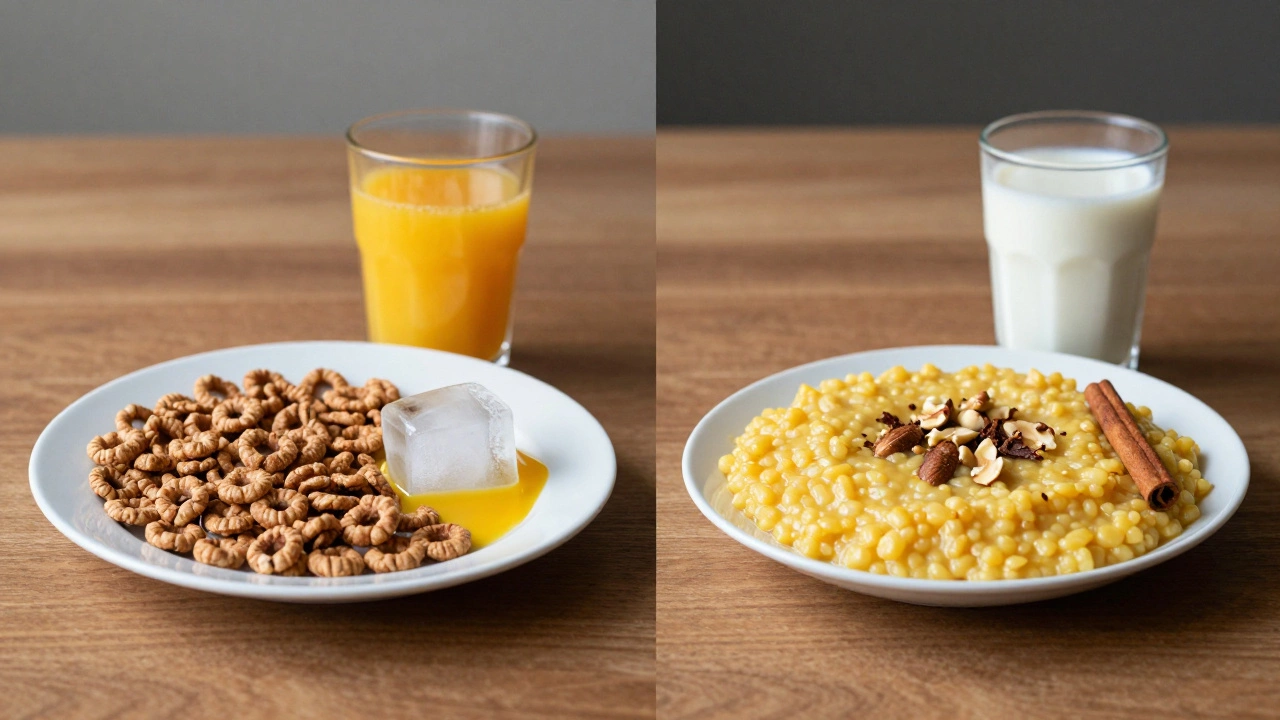
Most Western breakfasts are built on processed carbs: sugary cereals, white toast with jam, pastries, and orange juice. These spike blood sugar fast, leave you hungry by 10 a.m., and add up to weight gain over time. Meanwhile, across India, millions start their day with meals that have barely changed in 500 years. These aren’t trendy Instagram bowls. They’re functional, nourishing, and designed to fuel a long day without crashing.
What Makes an Indian Breakfast Healthy?
There’s no single Indian breakfast. From dosas in Tamil Nadu to parathas in Punjab, each region has its own version. But they all share core principles:
- Whole grains - rice, millet, wheat, or oats - not refined flour
- Fermented foods - like idli and dosa batter - that improve digestion and nutrient absorption
- Protein from lentils, yogurt, or paneer - not just sugar
- Vegetables - raw, steamed, or sautéed - added in every meal
- Spices like turmeric, cumin, and ginger - with anti-inflammatory and metabolic benefits
- No added sugar - sweeteners are rare, and when used, they’re natural like jaggery
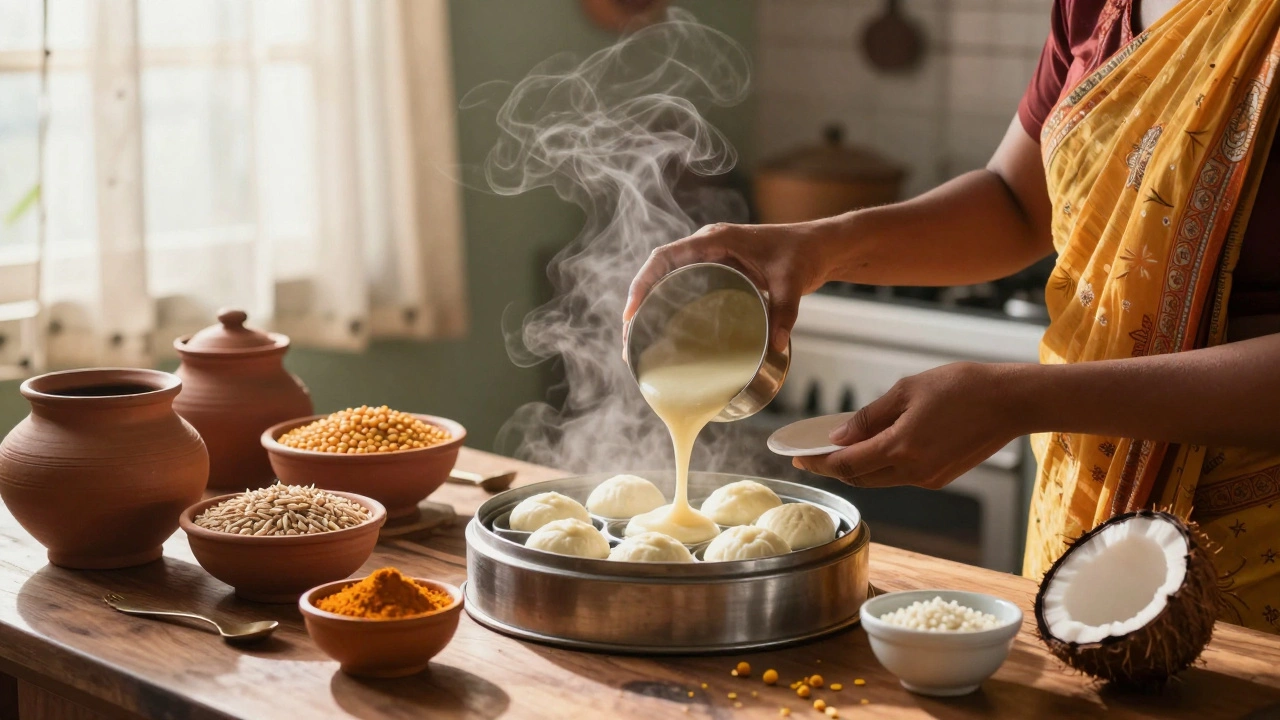
Take a typical South Indian breakfast: two idlis (steamed rice-lentil cakes) with sambar (lentil stew) and coconut chutney. That’s under 200 calories, packed with fiber, plant protein, and probiotics. It doesn’t need a nutrition label. It just works.
The Science Behind the Plate
A 2023 study from the Indian Council of Medical Research tracked 12,000 adults across six states. Those who ate traditional breakfasts - including upma, poha, or khichdi - had 37% lower rates of type 2 diabetes and 29% lower BMI than those who ate packaged cereals or bread. Why? Because these meals have a low glycemic load. They digest slowly. Blood sugar stays steady. Insulin doesn’t spike.
Fermentation plays a huge role. The batter for idli and dosa is left to sit overnight. Good bacteria grow. Phytic acid - which blocks mineral absorption - breaks down. Zinc and iron become more available. That’s why Indian breakfasts naturally help prevent anemia, especially in women and children.
Quick Breakfasts That Actually Work
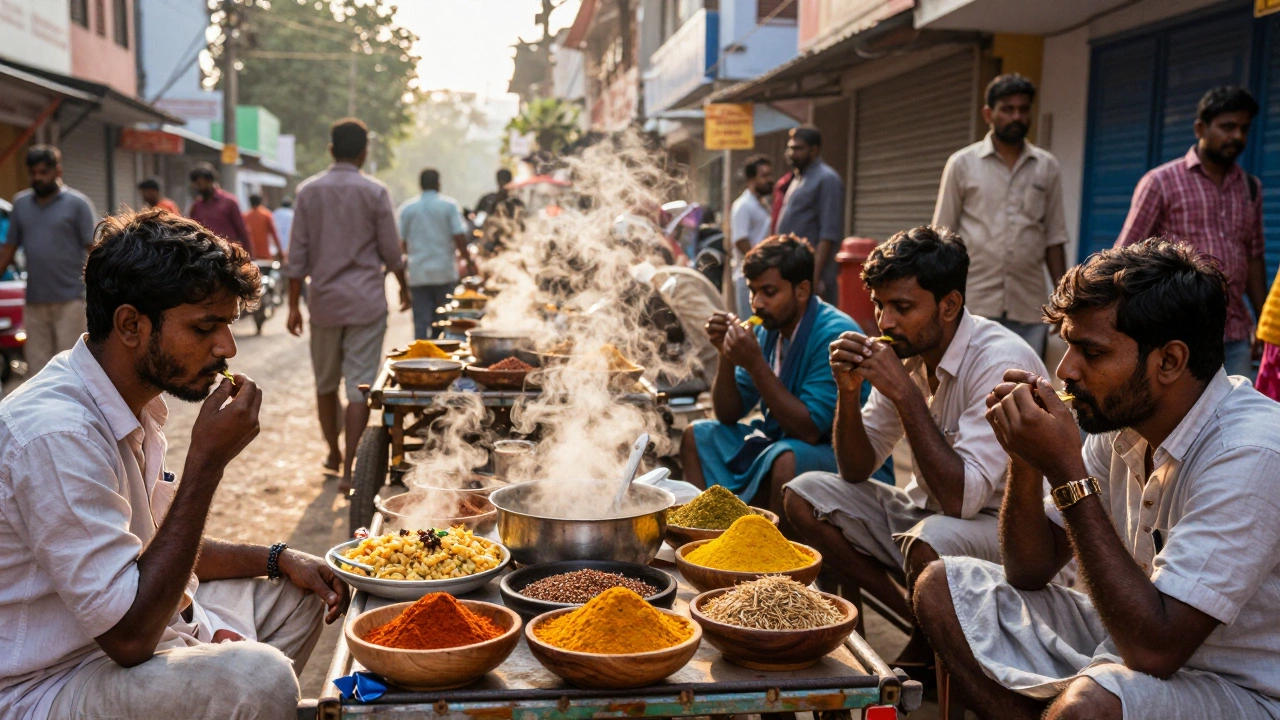
People think Indian breakfasts take all morning. Not true. Here are three that take under 15 minutes:
- Poha - flattened rice cooked with turmeric, mustard seeds, peanuts, and curry leaves. Ready in 10 minutes. High in iron, low in fat.
- Dalia - cracked wheat porridge with milk, cinnamon, and a handful of chopped nuts. Cooks in 8 minutes. Fills you up without sugar.
- Moong Dal Cheela - savory lentil pancakes made from soaked, ground moong dal. Cooks like a pancake. High in protein, gluten-free, and naturally filling.
These aren’t just meals. They’re preventive medicine. A 2024 analysis in the Journal of Traditional and Complementary Medicine found that people who ate poha or dalia daily had better cholesterol profiles and lower inflammation markers than those who ate oatmeal or granola.
Why Other Countries Don’t Compare
Japan’s breakfast of miso soup, fish, and rice is healthy - but fish isn’t accessible everywhere. Scandinavia’s rye bread and yogurt are good, but they rely on imported ingredients. In India, every ingredient grows locally. No shipping. No plastic packaging. No additives.
And while Mediterranean diets get praise for olive oil and tomatoes, they often lack protein at breakfast. Indian meals fix that. Lentils and yogurt provide 10-15 grams of protein per serving - without dairy allergies or lactose issues, because the fermentation breaks it down.
The Real Winner: Consistency Over Trends
Health isn’t about what’s trendy this month. It’s about what you eat every single day for decades. India’s breakfasts aren’t perfect. Some urban families now eat toast and jam. But in villages and small towns, the old ways still hold strong. And those communities have some of the lowest rates of heart disease and obesity in South Asia.
Even in cities, millions start their day with homemade meals. No energy bars. No protein shakes. Just food that comes from a kitchen, not a factory. That’s the real advantage.
How to Bring Indian Breakfast Home
You don’t need to fly to Chennai. Start simple:
- Swap cereal for poha or dalia - they’re sold in most grocery stores now.
- Make a batch of moong dal batter on Sunday and cook cheelas all week.
- Use turmeric and cumin in your morning porridge - they add flavor and health benefits.
- Drink buttermilk (chaas) instead of juice. It’s tangy, cooling, and full of probiotics.
Try one of these for a week. Notice how you feel by noon. No crash. No cravings. Just steady energy.
Is Indian breakfast really healthier than Western breakfast?
Yes - when it’s traditional. Indian breakfasts like idli, poha, and khichdi are made from whole grains, legumes, and vegetables with no added sugar or preservatives. Western breakfasts often rely on refined carbs and sugar, which spike insulin and lead to energy crashes. Studies show people who eat traditional Indian breakfasts have better blood sugar control and lower rates of obesity.
Can I make Indian breakfasts if I don’t have special ingredients?
Absolutely. Poha (flattened rice) and dalia (cracked wheat) are available in the international aisle of most supermarkets. Moong dal (split yellow lentils) is sold in bulk at Indian grocery stores or online. Spices like turmeric and cumin are common in any spice rack. You don’t need a tawa or steamer - a regular skillet works fine for cheelas and upma.
Does Indian breakfast work for weight loss?
It can. Traditional Indian breakfasts are naturally low in calories and high in fiber and protein, which keeps you full longer. A bowl of poha has around 150-180 calories and satisfies hunger better than a sugary cereal bar. When paired with light activity and hydration, it supports steady weight management without needing to count calories.
Are Indian breakfasts vegetarian?
Most are. The majority of traditional Indian breakfasts are plant-based - made from rice, lentils, wheat, vegetables, and dairy like yogurt or paneer. Meat isn’t part of the morning routine. This makes them ideal for vegetarians and those reducing animal products. Even non-vegetarian families often keep breakfast meat-free.
Why is fermentation important in Indian breakfasts?
Fermentation breaks down phytic acid, which blocks iron and zinc absorption. It also creates probiotics that support gut health. Idli and dosa batter ferment overnight, making nutrients more available and easier to digest. This natural process is why these foods are more nutritious than their unfermented counterparts - and why they’ve been eaten for centuries.