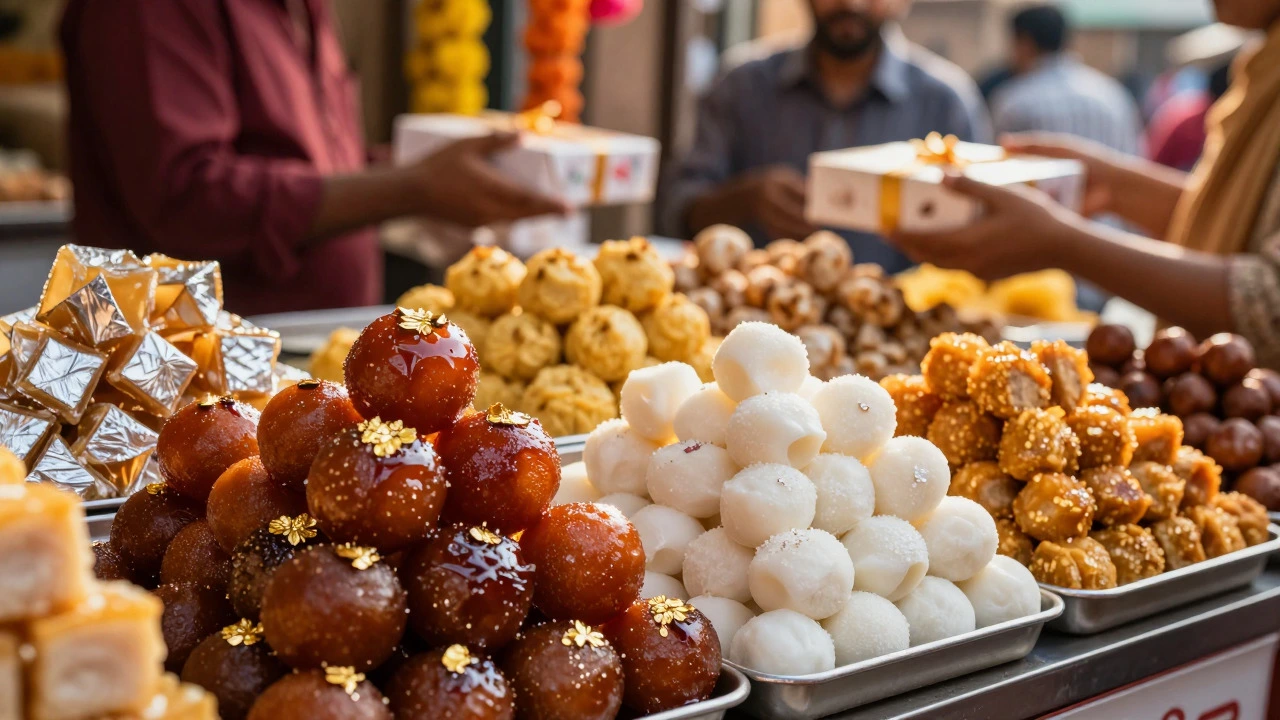
Indian Sweet Finder
Not sure what to order? Select your preferences below to find the perfect Indian sweet for you.
We Recommend:
Based on your choices...
Walk into any kitchen in Mumbai, Delhi, or Chennai during a festival, and you’ll hear the word mithai thrown around more than anything else. But if you’re standing at an airport duty-free shop or scrolling through international grocery apps, you might see them labeled as "Indian desserts," "sweets," or even just "snacks." It’s confusing, right? You want to order that rich, cardamom-infused treat for your guests, but you don’t know what to ask for. More importantly, do you know what it’s actually called where it comes from?
In India, food is deeply tied to culture, region, and occasion. There isn't one single English word that captures everything we eat after dinner. Instead, there is a whole vocabulary of terms that change depending on whether you are in the North, South, East, or West. Understanding these names helps you navigate menus, talk to local vendors, and truly appreciate the diversity of Indian cuisine.
The Umbrella Term: What Is Mithai?
If you learn only one word, let it be Mithai. This is the Hindi word for "sweet" and serves as the blanket term for almost all traditional Indian confections. When Indians say they are going to buy mithai, they mean those dense, syrup-soaked, milk-based, or nut-heavy treats that define our celebrations.
However, language shifts as you travel. In the southern states like Tamil Nadu and Kerala, you will rarely hear "mithai." Instead, people use the Tamil word Payasam (or Payasa) for pudding-like sweets, and often refer to solid sweets as Vadai or simply by their specific names like Laddu. In Bengali, the term is Mishti, which carries a slightly more refined, dessert-course connotation compared to the snack-like vibe of some northern mithai.
Why does this matter? Because ordering "mithai" in a high-end restaurant in Kolkata might get you a generic plate, whereas asking for "mishti doi" gets you exactly what you want: fermented sweet yogurt with caramelized edges. Knowing the local terminology shows respect for the culinary heritage and ensures you get the authentic experience.
Milk-Based Wonders: The Heart of Indian Sweets
A huge chunk of Indian sweets falls under the category of milk-based confections. These are not your average cakes; they are labor-intensive creations made by boiling liters of milk until it reduces to a thick cream. This process creates distinct textures and flavors that are impossible to replicate quickly.
| Sweet Name | Primary Ingredient | Texture | Regional Origin |
|---|---|---|---|
| Rasgulla | Cottage Cheese (Chena) | Spongy, Syrupy | West Bengal / Odisha |
| Gulab Jamun | Milk Solids (Khoya) | Dense, Soft, Soaked | Pan-India |
| Peda | Reduced Milk | Firm, Fudgy | Mathura / Rajasthan |
| Kheer | Milk & Rice | Creamy Pudding | Pan-India |
Gulab Jamun is perhaps the most famous export of Indian sweets. It consists of deep-fried dough balls made from khoya (milk solids) soaked in rose-flavored sugar syrup. But here’s a pro tip: if you want the best version, look for "Bombay-style" Gulab Jamun, which tends to be softer and darker due to the frying technique used in Maharashtra.
On the other hand, Rasgulla is the king of Eastern India. Made from chena (a fresh cheese similar to paneer but moister), these white spheres are boiled in light sugar syrup. They are spongy enough to absorb the syrup but firm enough to hold their shape. The debate over whether Rasgulla originated in Bengal or Odisha is fierce, but the taste remains divine regardless of the label.
Nutty and Flour-Based Delights
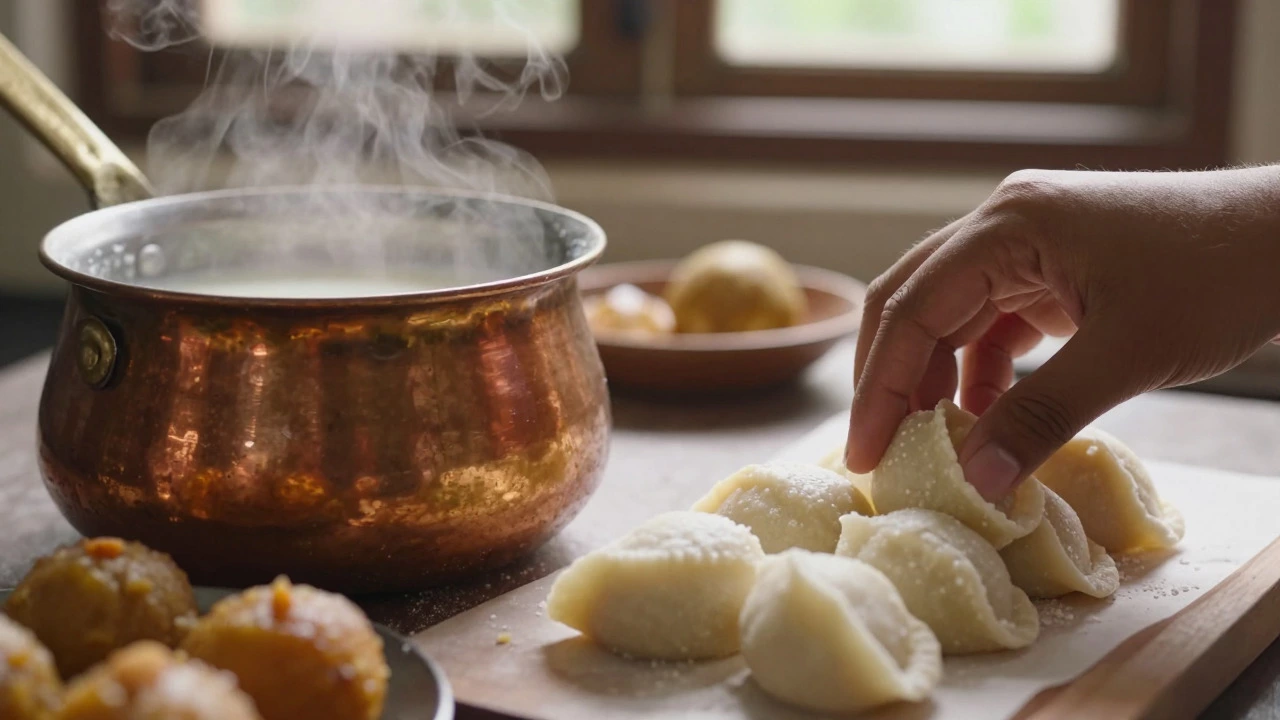
Not all Indian sweets rely on milk. Many are crafted from nuts, seeds, and flours, making them naturally vegetarian-friendly and often suitable for fasting periods (vrat). These sweets are denser, richer, and have a longer shelf life than their milk-based counterparts.
Laddu is the quintessential round sweet ball found across the country. However, the name changes based on the primary ingredient:
- Motichoor Laddu: Made from tiny boondi (fried chickpea flour droplets) soaked in syrup. Popular in North India.
- Gujariya Laddu: A Gujarati specialty made from besan (gram flour) and ghee, often containing cashews and raisins.
- Peanut Laddu: Simple ground peanuts mixed with jaggery syrup, common in rural households and festivals.
- Coconut Laddu: Shredded coconut mixed with sugar or jaggery, popular in South India and coastal regions.
Another heavy hitter in this category is Barfi. Barfi is a square-shaped fudge made by reducing milk with sugar and flavorings. Unlike Khoya-based sweets, Barfi can be made with various ingredients like pistachios (Pista Barfi), almonds (Badam Barfi), or even dark chocolate. It has a crumbly yet smooth texture that melts in your mouth. If you’ve ever tried Kaju Katli, you’ve tasted the premium end of the Barfi spectrum-thin, diamond-shaped slices made purely from cashew paste and sugar.
Savory-Sweet Street Food Hybrids
Here is where things get interesting for outsiders. In India, the line between "sweet" and "snack" is often blurred. Many items sold on the street are technically sweet but eaten as breakfast or tea-time snacks rather than post-dinner desserts.
Jalebi is the spiral-shaped, crispy orange delight that soaks up sugar syrup instantly. It’s best eaten hot, straight off the pan. Then there’s Imarti, which looks like a flower and is made from besan batter, giving it a distinct yellow color and nutty flavor. Both are considered "mithai" but function more like indulgent snacks.
In the South, you have Mysore Pak. Originally created in the royal kitchens of Mysore, this buttery, gram-flour brick is incredibly rich. It’s not something you eat in large quantities; one small piece is enough to satisfy a craving. Its high ghee content makes it melt instantly, creating a unique sensory experience that defies simple categorization.
Festive Favorites and Seasonal Specialties
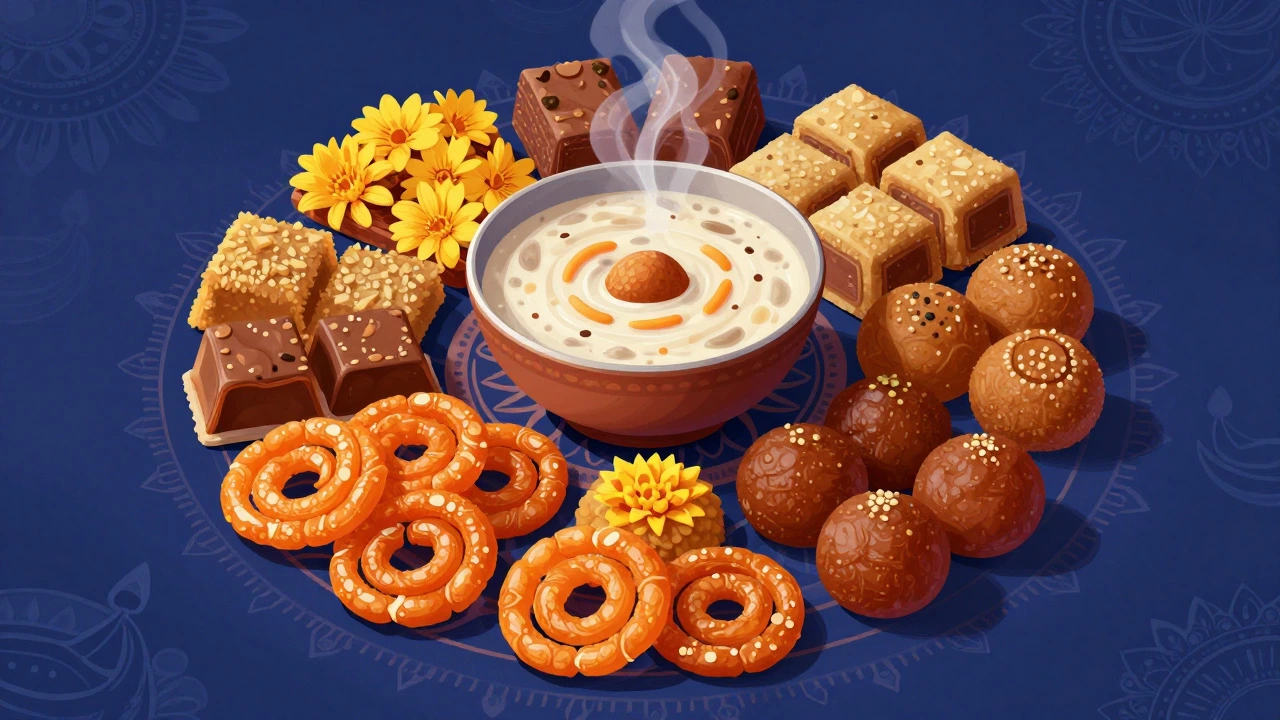
Indian sweets are inextricably linked to festivals. You cannot celebrate Diwali without lighting diyas and exchanging boxes of assorted mithai. During Eid, Sheer Khurma (a vermicelli pudding with dates and nuts) takes center stage. For Holi, everyone reaches for Gujiya, a semi-circular pastry filled with khoya and dried fruits.
Seasonality also plays a role. In winter, you’ll find more dry fruit-based sweets like Soan Papdi, a fluffy, layered confection made from wheat flour, sugar, and ghee. It’s light, airy, and perfect for cold days. In summer, lighter options like Phirni (ground rice pudding served in earthen pots) become more popular because they are refreshing and cooling.
How to Order and Enjoy Indian Sweets Like a Local
Now that you know the names, how do you consume them? Here are a few cultural norms to keep in mind:
- Small Portions: Indian sweets are intensely sweet and rich. Locals typically eat one or two pieces per sitting. Ordering a large box is usually for sharing among family or guests.
- Pair with Tea: Chai is the ultimate companion to mithai. The bitterness of black tea cuts through the sweetness of Gulab Jamun or Jalebi perfectly.
- Check Freshness: Milk-based sweets like Rasgulla and Kheer should be consumed within 24 hours. Nut-based sweets like Laddu and Barfi can last longer but still taste best when fresh.
- Ask for "Less Sugar": If you find traditional mithai too sweet, many shops now offer "light sugar" versions. Don’t be shy to ask!
Understanding what sweets are called in India opens up a world of flavor. Whether you call it mithai, mishti, or payasam, the joy of sharing these treats remains universal. Next time you visit an Indian store or restaurant, try using these specific names. You might just surprise the staff-and yourself-with the authenticity of your choice.
What is the general English term for Indian sweets?
The most common English term used internationally is "Indian desserts" or "Indian sweets." However, within India, the Hindi word "Mithai" is universally understood across most regions, though South Indians may prefer terms like "Payasam" for puddings or specific local names.
Is Mithai always made with dairy?
No, while many popular sweets like Gulab Jamun and Barfi are dairy-based, there are numerous vegan options. Sweets made from nuts (like Peanut Laddu), flour (like Jalebi), or fruits (like Anardana candy) contain no milk. Always check ingredients if you are lactose intolerant.
What is the difference between Kheer and Payasam?
They are essentially the same dish: a rice-and-milk pudding flavored with cardamom and nuts. "Kheer" is the North Indian term, while "Payasam" (or Payasa) is the South Indian term. The preparation method varies slightly, with South Indian versions sometimes using semolina or vermicelli instead of rice.
Which Indian sweet is best for beginners?
Gulab Jamun is widely considered the best entry point for beginners due to its soft texture and familiar syrup-soaked nature. Rasgulla is another great option for those who prefer a lighter, less dense sweet. Avoid extremely rich items like Mysore Pak or pure Khoya bars until you adjust to the intensity.
Can I find gluten-free Indian sweets?
Yes, many traditional sweets are naturally gluten-free. Milk-based sweets like Peda, Barfi, and Gulab Jamun (if made without flour coating) are safe. Nut-based Laddus are also typically gluten-free. However, avoid Jalebi, Imarti, and Motichoor Laddu as they are made from wheat or gram flour which may cross-contaminate or contain gluten depending on the recipe.