Indian Dish Egg-Content Checker
Select a dish below to see if it contains eggs and whether it fits your dietary requirements.
Dish Name
Description goes here.
Walk into an Indian restaurant in Wellington or London, and you might feel a moment of hesitation. The menu is a sea of rich curries, crispy fritters, and fluffy breads. But for many diners, especially those avoiding animal products or adhering to strict dietary beliefs, one question looms large: does Indian food have eggs? The answer isn't a simple yes or no. It’s a complex tapestry woven from regional traditions, religious practices, and modern culinary adaptations.
If you are vegan, lacto-vegetarian, or simply trying to cut down on cholesterol, understanding the role of eggs in Indian cuisine is crucial. You don't need to avoid the cuisine entirely, but you do need to know what you are ordering. This guide breaks down where eggs appear, where they are absent, and how to navigate menus with confidence.
The Cultural Divide: Lacto-Vegetarian vs. Non-Vegetarian
To understand why some Indian dishes have eggs and others don't, you have to look at the cultural roots. In India, vegetarianism is not just a diet; for many, it is a lifestyle rooted in Hinduism, Jainism, and Buddhism. The concept of Ahimsa, or non-violence, influences what millions of people eat every day.
Most traditional Indian vegetarians are lacto-vegetarians. This means they consume dairy products like milk, yogurt (dahi), and paneer (fresh cheese) but strictly avoid meat, fish, and eggs. For these communities, eggs are considered "tamasic" or life-potential, and thus are excluded from their diet. If a dish is labeled "vegetarian" in a traditional Indian household or a certified vegetarian restaurant in India, it will never contain eggs.
However, outside of these strict religious contexts, eggs are a staple protein source. In coastal regions like Goa and Kerala, and in urban centers across the country, eggs are cooked daily. They appear in omelets, curries, and even desserts. So, when you ask if Indian food has eggs, the truth is: it depends entirely on who is cooking and where they are from.
Dishes That Commonly Contain Eggs
If you are not vegetarian, you might be surprised by how often eggs sneak into savory dishes. Here are the most common scenarios where you will find eggs in Indian cuisine:
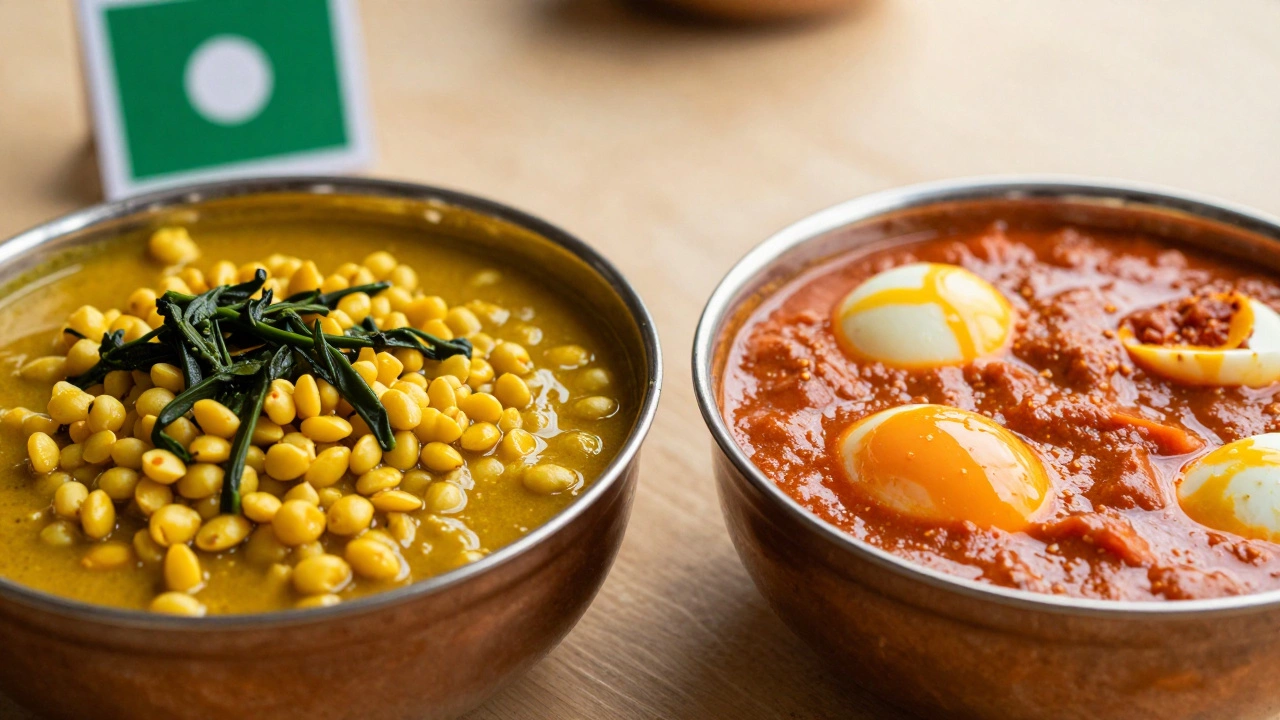
- Egg Curry (Anda Curry): This is perhaps the most obvious one. Hard-boiled eggs are simmered in a spiced tomato-onion gravy. It is a comfort food favorite in Bengal, Maharashtra, and Karnataka.
- Poha and Upma: These are popular breakfast dishes made from flattened rice or semolina. While traditionally vegetarian, many home cooks and restaurants add scrambled eggs for extra protein. Always check if it's "Egg Poha" or just plain Poha.
- Cutlets and Croquettes: Potato cutlets (Aloo Cutlet) are often bound together with egg before being fried. Some restaurants use this technique to keep the fritters intact during deep frying.
- Breads and Batters: Certain types of poori (fried bread) or dosa batters might include egg to make them fluffier or crispier, though this is less common in traditional South Indian preparations which rely on fermented rice and lentils.
- Desserts: Many Indian sweets, such as custard-based puddings or certain cakes like the popular Mysore Pak variations, may use egg whites or whole eggs as a binding agent or for texture.
Safe Havens: Naturally Egg-Free Indian Dishes
The good news? A vast majority of classic Indian vegetarian dishes are naturally free from eggs. Because the base of Indian vegetarian cooking relies on legumes, dairy, and vegetables, there is rarely a need for egg as a binder or thickener. Here is a list of dishes that are typically safe for lacto-vegetarians and vegans (if you skip the ghee/dairy):
| Dish Name | Primary Ingredients | Vegan Friendly? |
|---|---|---|
| Dal Tadka | Lentils, tomatoes, spices | Yes (if no ghee) |
| Chana Masala | Chickpeas, onions, tomatoes | Yes |
| Palak Paneer | Spinach, cottage cheese | No (contains dairy) |
| Samosa | Potatoes, peas, pastry shell | Usually Yes |
| Raita | Yogurt, cucumber/mango | No (contains dairy) |
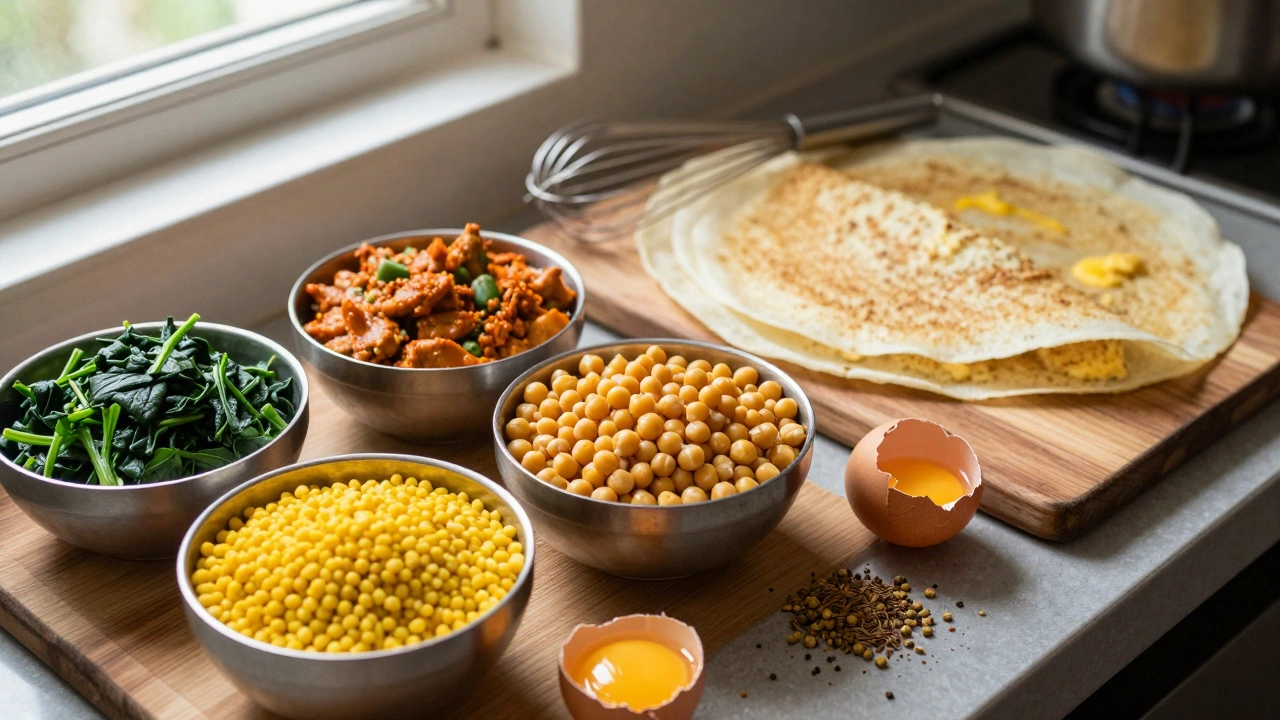
Dal (Lentils): Lentil soups are the backbone of Indian meals. Whether it is yellow moong dal or red masoor dal, these are almost always cooked without eggs. The thickness comes from the lentils themselves breaking down during slow cooking.
Sabzi (Vegetable Curries): Dishes like Bhindi Masala (okra), Baingan Bharta (roasted eggplant), and Aloo Gobi (potato and cauliflower) rely on spices and oil for flavor and texture. There is no functional reason to add eggs here.
South Indian Staples: Idli (steamed rice cakes) and Dosa (fermented crepes) are leavened through natural fermentation of rice and urad dal (black gram). They do not require yeast or eggs to rise. However, always ask about the chutneys, as some coconut chutneys might be blended with other ingredients, though rarely eggs.
Navigating Restaurant Menus: What to Ask
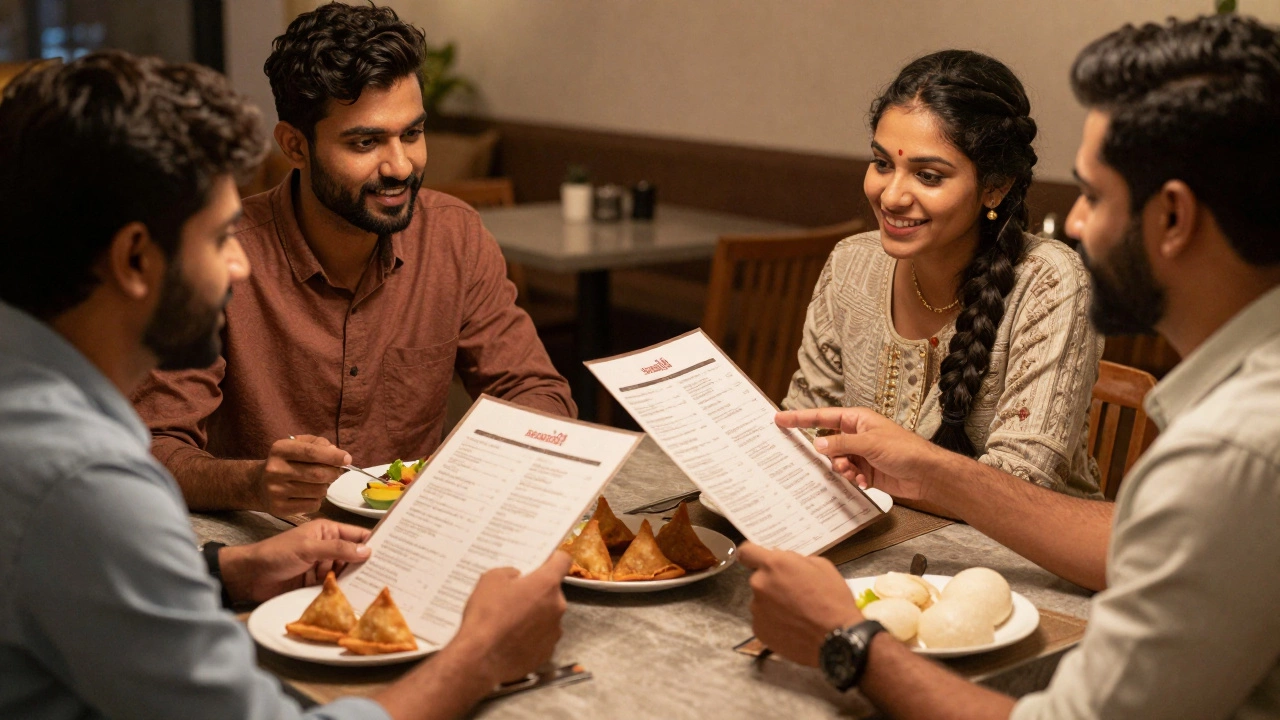
Dining out adds another layer of complexity. Restaurants, especially those outside of India or in non-specialized settings, may adapt recipes to suit local tastes or save costs. An "Eggless Burger" bun might still contain egg wash for shine. A "Vegetarian Pizza" might use egg in the dough.
Here is your checklist for ordering safely:
- Look for the Green Dot: In India, vegetarian restaurants display a green square with a white dot on their signage and menus. Non-vegetarian items have a brown dot. If you see the green dot, you can generally trust that no eggs or meat are used.
- Ask About Binders: If you order fritters (pakoras), cutlets, or koftas (meatballs made of veggies), ask specifically: "Is this bound with egg or flour?" Many places use chickpea flour (besan) as a binder, which is egg-free.
- Clarify "Vegetarian": In Western countries, "vegetarian" sometimes includes eggs. In an Indian context, it usually does not. But when in doubt, say "I do not eat eggs" rather than just "I am vegetarian." This removes ambiguity.
- Check Desserts: Kheer (rice pudding) is usually milk and rice, but custards and flan-style desserts often contain eggs. Stick to fruit-based sweets like Gulab Jamun (which uses khoya/milk solids, not eggs) or Jalebi (syrup-soaked batter).
Regional Variations: Where Eggs Are More Common
Geography plays a huge role. If you are eating North Indian food, you are more likely to encounter dairy-heavy, egg-free dishes like Butter Chicken (non-veg) or Palak Paneer (veg). The cuisine here is heavily influenced by Mughal rulers who favored rich gravies and dairy.
In contrast, East Indian cuisine, particularly from Bengal, loves eggs. Fish and egg curries are daily staples. Even their vegetarian sweets, like Rosogolla, are made from chhena (cheese curds), not eggs, but the proximity to egg-heavy dishes means cross-contamination in kitchens is a risk for strict vegetarians.
South Indian cuisine is largely safe for lacto-vegetarians. The focus is on rice, lentils, and coconut. However, in Kerala, due to its coastal location, chicken and egg dishes are prevalent. When ordering South Indian food, stick to the idli, dosa, and sambar trio, and you are usually safe.
Homemade vs. Restaurant: The Trust Factor
When you cook at home, you control the ingredients. Making a batch of Chole (chickpea curry) or Rajma (kidney bean curry) ensures zero eggs. But restaurant kitchens operate differently. To speed up service, chefs might use pre-made sauces or mixes. Some commercial spice mixes or roux bases could theoretically contain egg derivatives, though this is rare in authentic Indian cooking.
A pro tip: If you are highly sensitive, choose restaurants that specialize in vegetarian cuisine. These establishments often have separate kitchens for different types of food, reducing the risk of accidental inclusion of eggs or meat. In cities like Wellington, Melbourne, or New York, dedicated vegetarian Indian spots are becoming more common and offer peace of mind.
Conclusion: Enjoying Indian Food Without Worry
So, does Indian food have eggs? Sometimes, yes. But more often than not, the heart of Indian vegetarian cuisine-lentils, vegetables, and dairy-is completely egg-free. By understanding the cultural distinction between lacto-vegetarian and non-vegetarian traditions, and by asking the right questions, you can enjoy the full spectrum of flavors without compromising your dietary choices.
Next time you sit down for a meal, remember that the vibrant colors of turmeric, cumin, and coriander are your best friends. Stick to the classics like Dal, Sabzi, and Rice, and you will find a world of delicious, egg-free possibilities waiting for you.
Are all Indian vegetarian dishes egg-free?
Traditionally, yes. In India, "vegetarian" implies lacto-vegetarian, meaning no eggs are used. However, in international restaurants, "vegetarian" might include eggs. Always verify if you are strict about avoiding eggs.
Does naan bread contain eggs?
Traditional naan is made with flour, yogurt, and water. It does not contain eggs. However, some restaurant versions might add egg for softness. If you are unsure, ask the chef or opt for roti, which is simpler and always egg-free.
What is the difference between lacto-vegetarian and vegan Indian food?
Lacto-vegetarian Indian food includes dairy products like milk, yogurt, and paneer but excludes eggs, meat, and fish. Vegan Indian food excludes all animal products, including dairy. Many classic dishes like Dal Tadka can be easily made vegan by substituting ghee with oil.
Can I eat Samosas if I don't eat eggs?
Yes, traditional Samosas are filled with spiced potatoes and peas and wrapped in a pastry shell made of flour and water. They do not contain eggs. However, always check if the filling includes any hidden binders, though this is rare.
Do Indian desserts like Gulab Jamun have eggs?
No, Gulab Jamun is made from khoya (reduced milk solids) or milk powder, flour, and sugar syrup. It is egg-free. However, some cake-like desserts or custards in Indian cuisine may contain eggs, so read the description carefully.