Indian Dairy Consumption & Cheese Cost Calculator
India produces over 200 million metric tons of milk yearly, but most becomes fresh dairy rather than aged cheese. Here's a visual breakdown of where that milk goes:
Calculate the monthly savings by choosing fresh paneer over imported cheese for your household.
Enter your values and click calculate to see your potential savings.
Walk into any modern supermarket in Mumbai or Delhi, and you’ll see shelves stocked with cheddar slices, mozzarella blocks, and cream cheese tubs. Yet, ask the average Indian household what they eat for breakfast, and the answer is rarely a cheese sandwich. It’s paratha, idli, poha, or dosa. This disconnect raises a simple question: why is cheese not popular in India despite being a global staple?
The answer isn’t just about taste. It’s a complex mix of religious history, economic factors, climate realities, and culinary tradition. To understand this, we have to look at how Indians actually consume dairy, which is quite different from Western habits.
The Dairy Paradox: High Consumption, Low Cheese
India is the world’s largest producer of milk. According to the National Dairy Development Board (NDDB), the country produces over 200 million metric tons of milk annually. However, most of this milk doesn’t turn into cheese. Instead, it becomes ghee (clarified butter), curd (yogurt), buttermilk (chaas), and paneer.
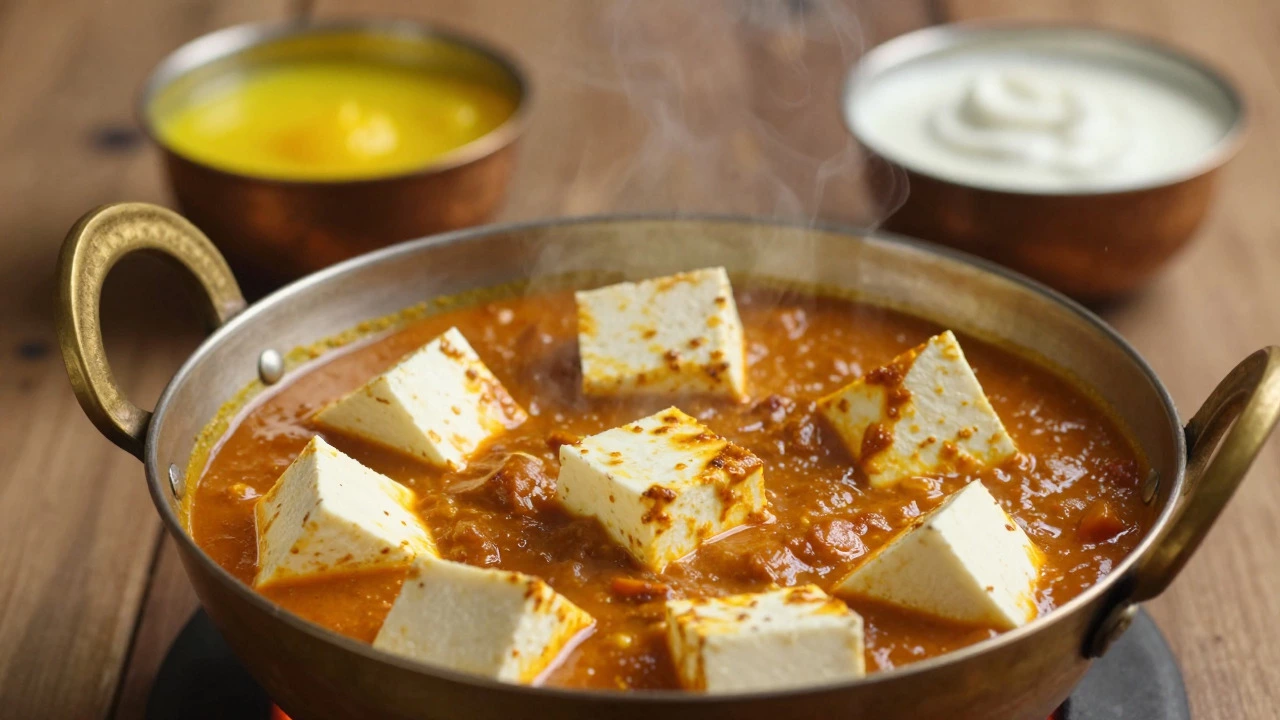
Paneer is a fresh, non-melting cheese made by coagulating hot milk with an acid like lemon juice or vinegar. Unlike Western cheeses that rely on bacterial cultures and aging, paneer is eaten immediately after making. It’s soft, mild, and versatile. You find it in street food stalls as pav bhaji toppings, in home-cooked curries, and even in breakfast dishes like paneer bhurji.
So, why not use standard cheese? The primary reason is texture and behavior in heat. Most Indian cooking involves high-heat frying, slow simmering, or deep-frying. Standard cheddar or mozzarella melts, stretches, or burns quickly. Paneer holds its shape. It absorbs flavors without dissolving into the sauce. For a cuisine built around rich gravies and spiced stews, a cheese that stays solid is far more useful than one that turns into goo.
Religious Roots and the Vedic Tradition
To really grasp the lack of cheese popularity, you have to look back thousands of years. In ancient Vedic texts, milk was considered sacred. The cow was revered, and its products were seen as pure. However, the process of making aged cheese involves fermentation and sometimes rennet derived from animal stomachs. While vegetarian Hindus accept plant-based rennet or microbial rennet, the concept of 'aged' dairy wasn't part of the traditional diet.
Ghee is clarified butter where milk solids and water are removed, leaving pure fat with a nutty flavor. Ghee has been a staple in Indian kitchens for millennia. It has a high smoke point, making it ideal for frying and tempering spices. In many households, ghee replaces oil entirely. If you already have a premium fat source that enhances every dish, the need for another dairy fat like hard cheese diminishes significantly.
Additionally, the caste system and dietary purity rules played a role. Historically, meat-eaters used animal rennet for cheese. Since many upper-caste Hindus avoided contact with non-vegetarian processes, they preferred ghee and fresh curds, which had clearer vegetarian origins. This created a cultural divide where cheese was associated with non-traditional or foreign diets.
Economic Barriers: Cost vs. Value
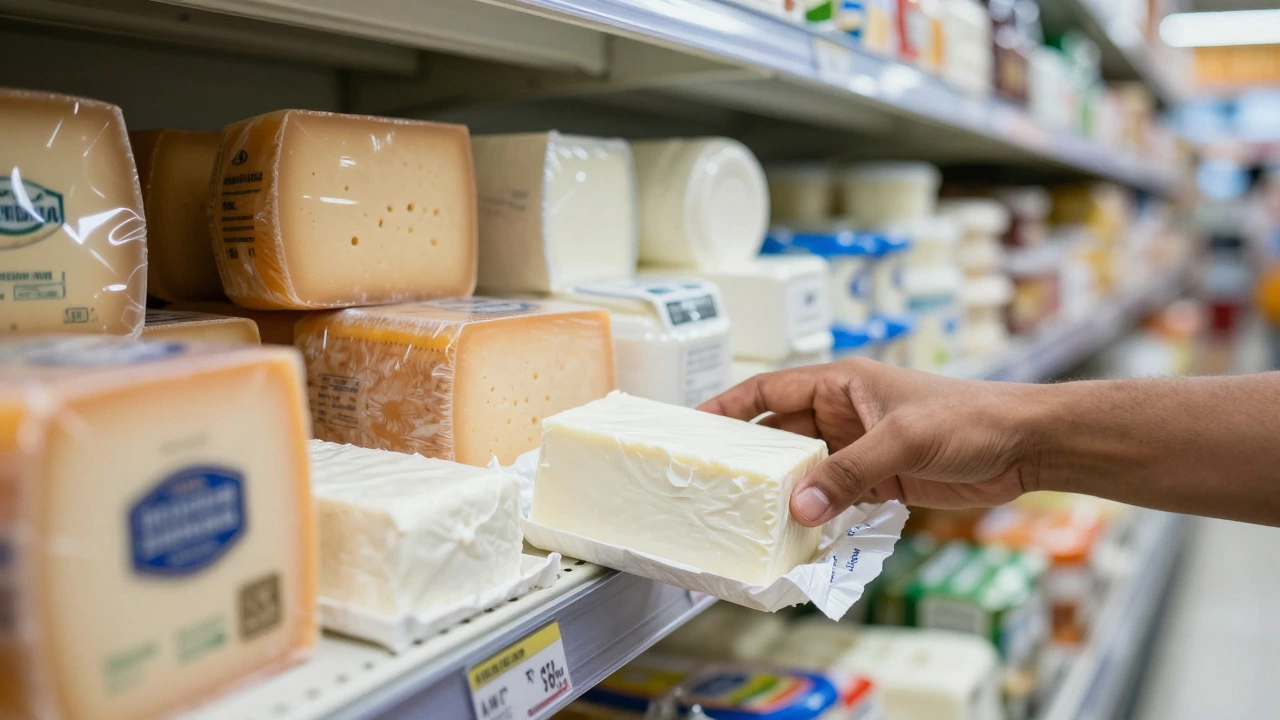
Let’s talk money. For the average Indian consumer, price is the biggest hurdle. Milk is relatively affordable due to strong cooperative networks like Amul and Nandini. But converting milk into cheese requires specific technology, time, and energy. Imported cheeses carry customs duties and shipping costs, making them expensive.
A block of imported cheddar can cost three to four times more per kilogram than fresh paneer. For a family buying groceries weekly, this difference adds up fast. Why spend ₹400 ($5) on a small pack of processed cheese when you can buy ₹150 ($2) worth of fresh paneer that lasts longer in the fridge and serves multiple meals?
Domestic cheese production exists, but it’s still a niche market. Brands like Amul do produce processed cheese slices, but these are often used in school canteens or fast-food chains rather than home cooking. The taste profile of mass-produced processed cheese-often salty and plasticky-doesn’t appeal to palates accustomed to fresh, natural dairy flavors.
Climatic Challenges and Storage
Climate matters more than people realize. Much of India experiences high humidity and heat for several months of the year. Traditional cheese-making relies on controlled temperature and humidity for aging. Without consistent refrigeration-which was historically unavailable in rural areas-fresh dairy spoils quickly.Paneer solves this problem because it’s meant to be consumed within a day or two. Ghee, being pure fat, has a long shelf life even in warm conditions. Curds and buttermilk are also short-term foods. Cheese, especially semi-hard varieties, needs cold storage to prevent mold and spoilage. Until reliable electricity and refrigerators became common in urban centers during the 1990s and 2000s, cheese simply wasn’t a practical food item for most Indians.
The Rise of Modern Snacking and Fusion Cuisine
Things are changing, though. The rise of quick service restaurants (QSRs) and fusion food has introduced cheese to millions of young Indians. Pizza, burgers, and pasta are now mainstream. Brands like Domino’s and McDonald’s have normalized cheese consumption among urban youth.
In metro cities, you’ll find 'cheese lovers' who enjoy grilled cheese sandwiches, mac and cheese, and fondue. Social media has also played a role. Instagram reels showing melted cheese pulls have made cheese seem aspirational and fun. However, this trend is largely confined to the urban elite and younger demographics. In Tier 2 and Tier 3 cities, and across rural India, traditional dairy products still dominate.
Even in fusion cooking, chefs often adapt Western recipes to suit Indian tastes. They might use paneer instead of feta in a salad, or add a layer of mozzarella only as a garnish rather than a main ingredient. This hybrid approach shows that while cheese is gaining visibility, it hasn’t yet replaced traditional dairy staples in the core Indian diet.

Comparison: Paneer vs. Western Cheese
To visualize the differences, let’s compare paneer with common Western cheeses based on key attributes relevant to Indian cooking.
| Attribute | Paneer | Mozzarella | Cheddar |
|---|---|---|---|
| Melting Behavior | Does not melt; holds shape | Melts well; stretchy | Melts smoothly; creamy |
| Flavor Profile | Mild, neutral, slightly tangy | Mild, milky | Savory, sharp, salty |
| Cost per kg (Approx.) | ₹300 - ₹500 | ₹800 - ₹1200 | ₹900 - ₹1500 |
| Shelf Life (Refrigerated) | 2-3 days | 1-2 weeks | 3-4 weeks |
| Primary Use in India | Cooking, snacks, breakfast | Pizza, pastas, appetizers | Sandwiches, grating, snacking |
This table highlights why paneer remains the default choice for home cooking. Its low cost and unique texture make it superior for traditional dishes. Western cheeses shine in specific applications like pizza or sandwiches, but they don’t fit into the broader framework of Indian savory cooking.
Future Trends: Will Cheese Become Mainstream?
Experts predict a gradual increase in cheese consumption, driven by rising disposable incomes and exposure to global cuisines. Younger generations are less bound by traditional dietary rules and more open to experimenting with new ingredients. Additionally, domestic cheese manufacturers are improving quality and reducing prices, making local options more competitive.However, complete dominance is unlikely. The Indian palate is deeply rooted in fresh, natural flavors. As long as ghee, curd, and paneer remain affordable and accessible, they will continue to hold their place in the kitchen. Cheese may become a regular feature in urban diets, but it’s likely to coexist with traditional dairy rather than replace it.
For now, if you’re visiting an Indian home, don’t expect a cheese board. Expect a bowl of fresh curd, a spoonful of ghee on your rice, and maybe some crispy paneer fries. That’s where the real story of Indian dairy lies-not in the fridge, but in the daily rhythm of the kitchen.
Is paneer considered a type of cheese?
Yes, technically paneer is a fresh cheese. It is made by coagulating milk with an acid, similar to how ricotta or queso fresco is made. However, unlike most Western cheeses, it is not aged and does not melt, which distinguishes it from cheddar or mozzarella in culinary applications.
Why is ghee more popular than butter in India?
Ghee has a higher smoke point than butter, making it better suited for high-heat Indian cooking methods like tempering and frying. It also has a longer shelf life and a distinct nutty flavor that complements spices. Culturally, ghee is considered purer and more auspicious in many Hindu traditions.
Can I substitute paneer with mozzarella in Indian recipes?
It depends on the dish. For curries where you want chunks of protein, stick with paneer because mozzarella will melt away. For pizzas or baked dishes, mozzarella works well. For stir-fries, paneer is preferable because it retains its shape and texture.
Are there any health benefits to eating paneer over other cheeses?
Paneer is high in protein and calcium but lower in sodium than many processed Western cheeses. Since it’s not aged, it contains fewer additives. However, it is still high in saturated fat, so moderation is key. It’s a good source of casein protein, which digests slowly and keeps you full longer.
Why do Indian supermarkets sell less cheese than Western ones?
Demand drives supply. Since the majority of Indian consumers prefer fresh dairy products like curd, buttermilk, and paneer, supermarkets stock these in larger quantities. Cheese is sold in smaller sections, often near the deli counter or in the international aisle, reflecting its status as a specialty item rather than a staple.