Paneer Whey Usage Planner
Protein Smoothie
Blend with banana, spinach, and honey. The acidity is masked by fruit sweetness.
High Protein Quick PrepMeat Marinade
Soak chicken or beef for 4-6 hours. Lactic acid tenderizes tough fibers effectively.
Tenderizing Flavor BoostBaking Bread & Roti
Replace 50% of water in dough. Creates fluffier bread and rotis that puff up better.
Better Texture Gluten StrengthCook Grains & Dal
Use instead of water for rice or lentils. Reduces cooking time and improves mineral absorption.
Faster Cooking Nutrient DenseFermented Pickles
Submerge veggies for 3-5 days. Creates probiotic-rich, crunchy pickles without vinegar.
Preservation Probiotic RichPlant Fertilizer
Dilute 1:10 with water. Great for tomatoes, peppers, and roses. Do not spray leaves.
Eco-Friendly Garden UseStorage Tips
- ■Refrigerate in airtight glass containers for up to 7 days.
- ■Freeze in ice cube trays for long-term storage (ideal for baking).
- ■Discard if mold appears or smell becomes pungent/ammonia-like.
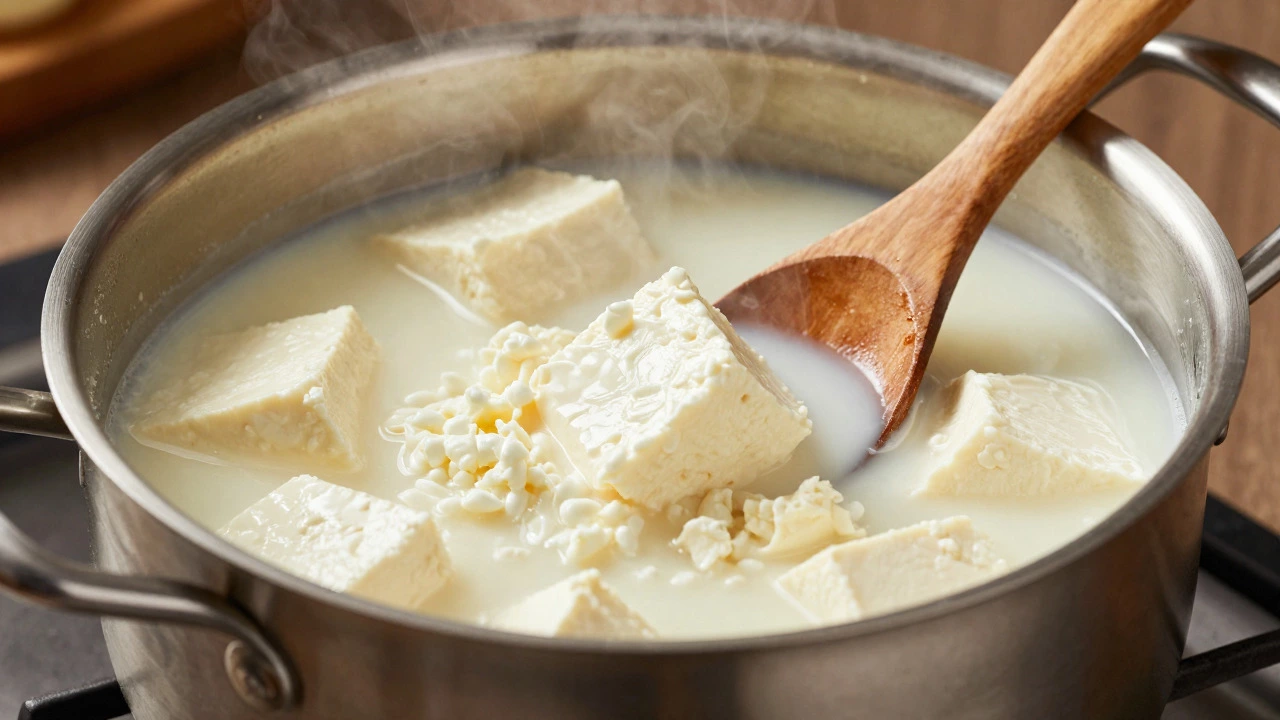
It sits there in the pot. A pale, cloudy liquid that looks like watered-down milk. You just spent twenty minutes stirring and heating milk to make fresh paneer, a soft Indian cottage cheese made by acidifying hot milk. The solid curds are set aside to drain, but what about the rest? Pouring it down the sink feels wrong. It’s nutrient-dense, slightly tangy, and represents a significant portion of your original milk volume. In fact, for every cup of paneer you make, you generate roughly two cups of this liquid.
This liquid is paneer whey, the byproduct of separating casein proteins from milk serum using an acid like lemon juice or vinegar. In commercial dairy processing, this is often called "acid whey" because it is produced through acidification rather than fermentation. Unlike sweet whey from cheesemaking, which has a neutral pH, acid whey is tart and thin. But don’t let its appearance fool you. This isn’t waste; it’s a versatile ingredient waiting to be used. Whether you want to boost your protein intake, tenderize meat, or bake fluffier bread, here is exactly how to use it up before it spoils.
Drink It as a Post-Workout Protein Boost
The most direct way to use paneer whey is to drink it. Yes, really. While it doesn’t have the creamy texture of a smoothie base, it is packed with fast-absorbing lactalbumin proteins and essential amino acids. If you are looking for a natural alternative to synthetic protein shakes, this is your option. It contains calcium, potassium, and B vitamins that leached out of the milk during the curdling process.
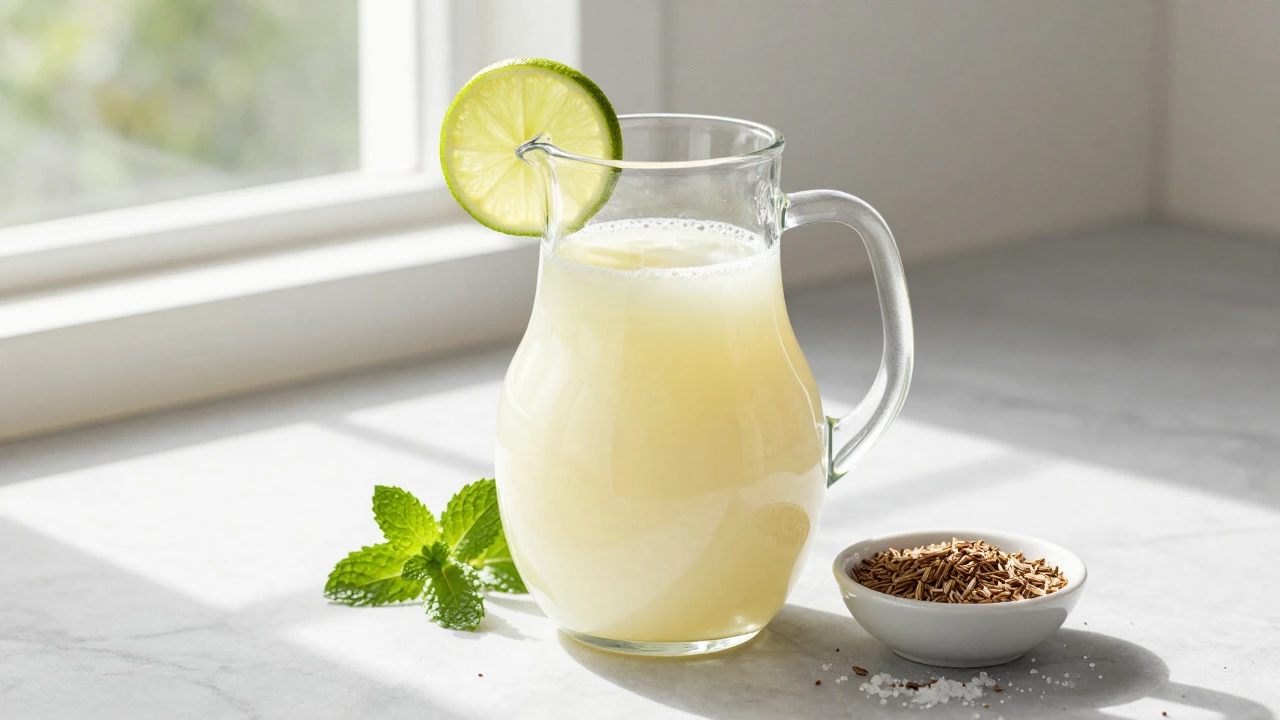
To make it palatable, treat it like a savory broth or a light electrolyte drink. Add a pinch of salt, some roasted cumin powder, and a squeeze of fresh lime. For a sweeter version, blend it with frozen bananas, a handful of spinach, and a dash of honey. The slight acidity masks any weirdness, and you get a clean energy boost without the bloating associated with heavy dairy meals. Just remember to chill it first; cold whey tastes significantly better than warm whey.
Tenderize Meat and Vegetables
The lactic acid present in paneer whey makes it an excellent marinade base. Acid breaks down tough muscle fibers in meat, resulting in more tender cuts. This is particularly useful for cheaper cuts of chicken thighs, pork shoulder, or beef stew meat. Instead of buying expensive store-bought tenderizers, pour the whey into a ziplock bag with your meat and let it sit in the refrigerator for four to six hours.
You can also use it for vegetables. Soaking cauliflower florets or broccoli stems in whey for thirty minutes before roasting helps them retain moisture and crisp up nicely in the oven. The acid reacts with the vegetable cell walls, preventing them from becoming mushy. Combine the whey with olive oil, garlic powder, and paprika for a quick, effective marinade that adds flavor while improving texture.
Bake Fluffier Bread and Doughs
If you bake at home, replace half of the water in your recipe with chilled paneer whey. The acidity strengthens gluten development, giving your bread a better rise and a chewier crumb. It works beautifully in naan, chapati, or even standard white loaf recipes. The result is a lighter, airier texture that stays fresh longer.
For flatbreads like roti, knead the dough directly with whey instead of water. The dough will feel slightly tackier at first, but it relaxes faster and rolls out smoother. When cooked on a hot tawa, these rotis puff up dramatically and develop those desirable brown spots. This trick is widely used in traditional households across North India to ensure consistent results without adding chemical leaveners.
Make Homemade Lassi or Smoothies
Whey blends seamlessly into yogurt-based drinks. Since it shares similar components with yogurt-probiotics (if unheated), proteins, and fats-it integrates without altering the flavor profile drastically. Use it to thin out thick Greek yogurt when making lassi. A ratio of one part whey to three parts yogurt creates a drinkable consistency perfect for summer days.
In fruit smoothies, whey acts as a liquid base that adds body without diluting flavor like plain water would. Pair it with mango, banana, or berries. The natural sweetness of the fruit balances the tanginess of the whey. Avoid pairing it with strongly bitter greens like kale unless you add enough sweetener, as the acid can amplify bitterness.
Cook Grains and Legumes Faster
Replace the cooking water for rice, lentils, or beans with paneer whey. The acidic environment helps break down hemicellulose in legume skins, reducing soaking and cooking times. Dal cooks faster and becomes creamier without needing excessive stirring. Similarly, rice grains separate more easily and cook evenly when prepared in whey.
This method also enhances mineral absorption. Phytic acid in whole grains and legumes binds to minerals like iron and zinc, reducing their bioavailability. The low pH of whey inhibits phytase activity less effectively than alkaline environments, but the added calcium and citric acid help chelate minerals, making them more accessible to your body. Simply rinse your lentils thoroughly before starting, then add whey until they are covered by two inches. Cook as usual.
Create Tangy Pickles and Ferments
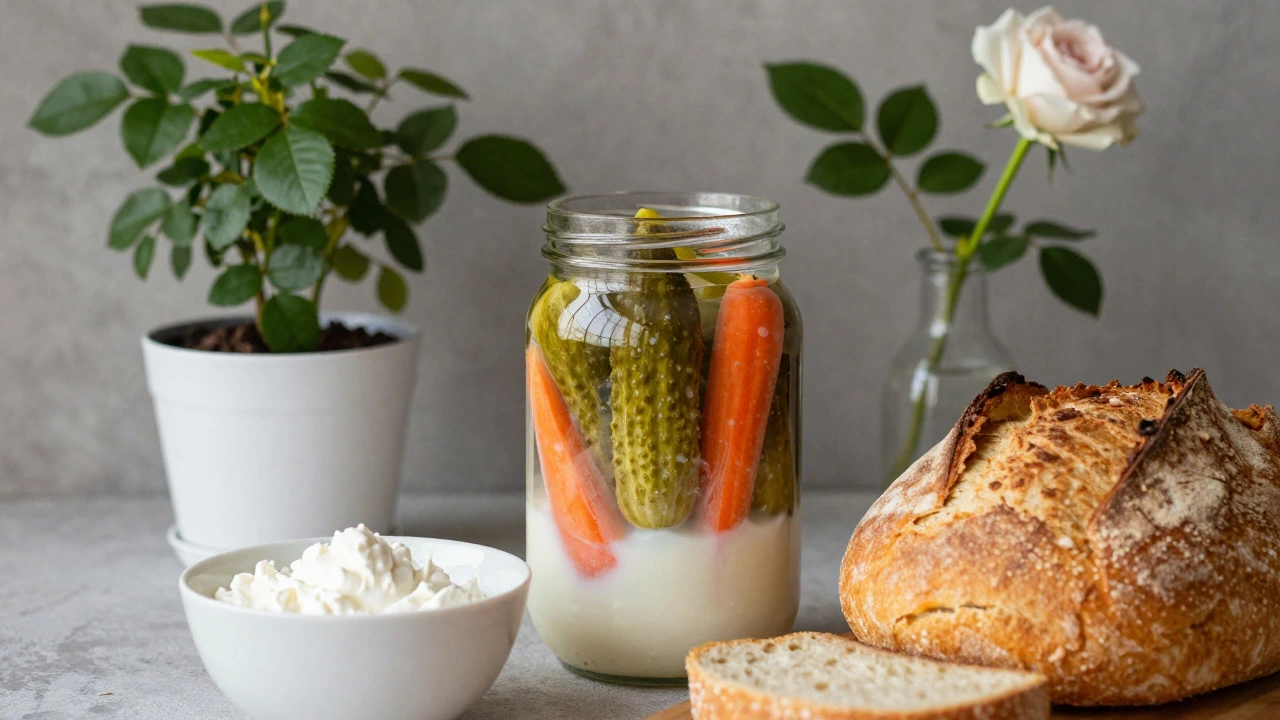
Pickling requires an acidic medium to preserve food and inhibit bacterial growth. Paneer whey provides both acidity and beneficial bacteria if handled correctly. Submerge sliced cucumbers, carrots, or radishes in whey inside a glass jar. Seal tightly and leave at room temperature for three to five days. The whey ferments further, creating a crunchy, probiotic-rich pickle.
For immediate gratification, use whey as a brine for quick pickles. Heat the whey with mustard seeds, turmeric, and red chili flakes, then pour over raw vegetables. Let cool completely before refrigerating. These pickles last up to two weeks and offer a sharper, cleaner taste compared to vinegar-based versions. The subtle dairy note complements spicy flavors exceptionally well.
Fertilize Your Houseplants
If you have no culinary use left, turn to gardening. Diluted whey is a fantastic fertilizer for acid-loving plants like tomatoes, peppers, and roses. It supplies nitrogen, phosphorus, and trace minerals. Mix one part whey with ten parts water and apply directly to the soil. Avoid spraying leaves, as the residue can attract pests or cause fungal issues.
Over time, regular applications improve soil structure and microbial activity. However, moderation is key. Too much undiluted whey can burn roots due to high salt content. Reserve this option for outdoor plants or large indoor pots where drainage is adequate. Never use spoiled or moldy whey on edible crops.
Comparison Table: Best Uses for Paneer Whey
| Use Case | Preparation Method | Shelf Life Impact | Flavor Profile Change |
|---|---|---|---|
| Drinking | Chill, season with salt/spices | Must use within 3 days | Tangy, refreshing |
| Marinade | Soak meat/veg 4+ hours | Extends freshness slightly | Mildly acidic, tenderizing |
| Baking | Replace 50% water in dough | Improves shelf life of bread | Neutral, enhances crust color |
| Cooking Grains | Substitute all cooking water | No change | Slight tang, richer mouthfeel |
| Pickling | Submerge veggies, ferment 3-5 days | Preserves for weeks | Complex, sour, umami |
Storage Guidelines and Safety Tips
Fresh paneer whey should be stored in an airtight glass container in the refrigerator. It lasts up to seven days if kept cold. Once opened or transferred, smell it before each use. Sour smells beyond the initial tang indicate spoilage. Mold growth means discard immediately.
Freezing extends usability indefinitely. Pour whey into ice cube trays, freeze solid, then transfer cubes to a freezer bag. Thaw only what you need. Frozen whey loses some structural integrity upon thawing but retains nutritional value and acidity. Ideal for baking and cooking where texture matters less.
Avoid mixing whey with strong odors like fish or onions in the fridge. Its porous nature absorbs surrounding smells quickly. Label containers clearly with dates. If you plan to ferment pickles, ensure jars are sterilized to prevent unwanted bacterial contamination.
Can I drink paneer whey straight from the pot?
Yes, but chilling it first improves taste significantly. Fresh whey is warm and may carry residual heat from the curdling process. Cooling concentrates flavors and reduces any potential discomfort from drinking hot liquids. Always strain through a fine mesh sieve to remove tiny curd fragments.
Does paneer whey expire?
Refrigerated whey lasts 5-7 days. Signs of spoilage include visible mold, off-putting rotten smells, or separation into distinct layers that don't mix when shaken. Freezing halts expiration indefinitely, though quality degrades after six months due to freezer burn effects.
Is paneer whey good for weight loss?
Yes, it supports satiety due to high protein content and low calorie density. One cup contains approximately 30-40 calories and 6-8 grams of protein. Replacing sugary beverages with whey-infused drinks reduces overall caloric intake while maintaining nutrient levels. Combine with fiber-rich foods for best results.
Can lactose-intolerant people consume paneer whey?
Most individuals tolerate small amounts since much of the lactose transfers into the curds during coagulation. However, sensitivity varies. Start with quarter-cup servings and monitor reactions. Heating whey briefly before consumption can denature remaining lactose enzymes, easing digestion further.
How do I know if my whey has gone bad?
Smell is the primary indicator. Fresh whey smells mildly sour like yogurt. Spoiled whey emits pungent, ammonia-like, or putrid odors. Visual cues include green/black mold spots or slimy textures. Discard any batch showing these signs. Never rely solely on date stamps if storage conditions were inconsistent.