Tandoori Flavor Profile Builder
Adjust the sliders to change the ingredient ratios and see how it affects the flavor profile.
Flavor Composition
- Tangy Base: Moderate
- Spice Intensity: Balanced
- Zest/Aroma: Fresh
- Smokiness: Charred
Authentic Tandoori Balance
Have you ever taken a bite of tandoori chicken, with its charred exterior and juicy interior, and wondered exactly what is driving that intense, complex flavor?
It isn't just heat. It isn't just smoke. It is a precise balance of tangy, earthy, and aromatic notes that hits your palate all at once. If you have tried to recreate it at home using store-bought packets or generic recipes, you might have ended up with something that tastes flat or overwhelmingly spicy. The secret lies in understanding the specific components of the tandoori marinade and how they interact.
So, what does tandoori sauce actually taste like? Let’s break down the flavor profile, ingredient by ingredient, so you can identify exactly what you are eating and how to get it right in your own kitchen.
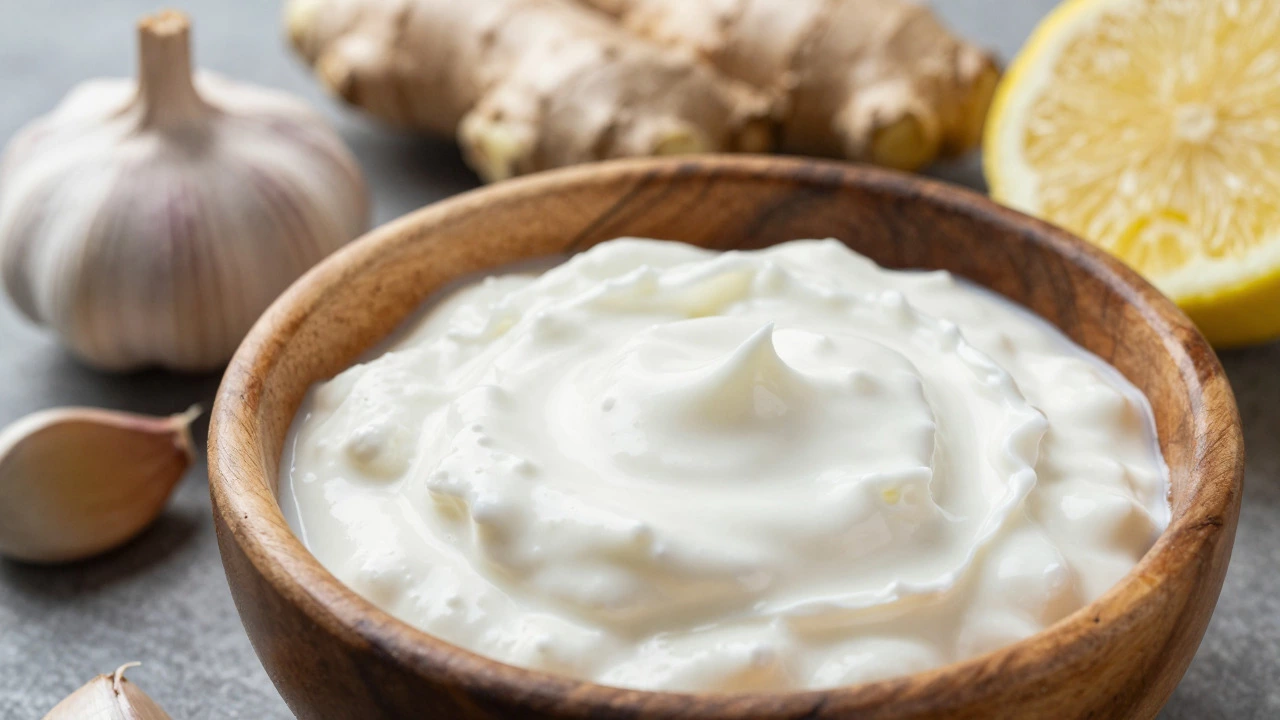
The Tangy Foundation: Yogurt's Role
The first thing you notice when tasting authentic tandoori sauce is a distinct, sharp tanginess. This comes from plain yogurt, which serves as the base for almost every traditional tandoori marinade. But not just any yogurt will do. In India, chefs typically use hung curd or thick Greek-style yogurt because regular runny yogurt dilutes the spices and makes the coating slide off the meat.
This dairy component does two critical jobs. First, it provides the sour note that cuts through the richness of the chicken fat. Second, the lactic acid in the yogurt acts as a tenderizer. When you marinate chicken in this mixture for several hours, the proteins break down slightly, resulting in that melt-in-your-mouth texture we all crave. Without the yogurt, the dish would lack depth and tenderness, tasting more like dry, spiced roasted meat than true tandoori chicken.
The Earthy Heat: Garam Masala and Chili
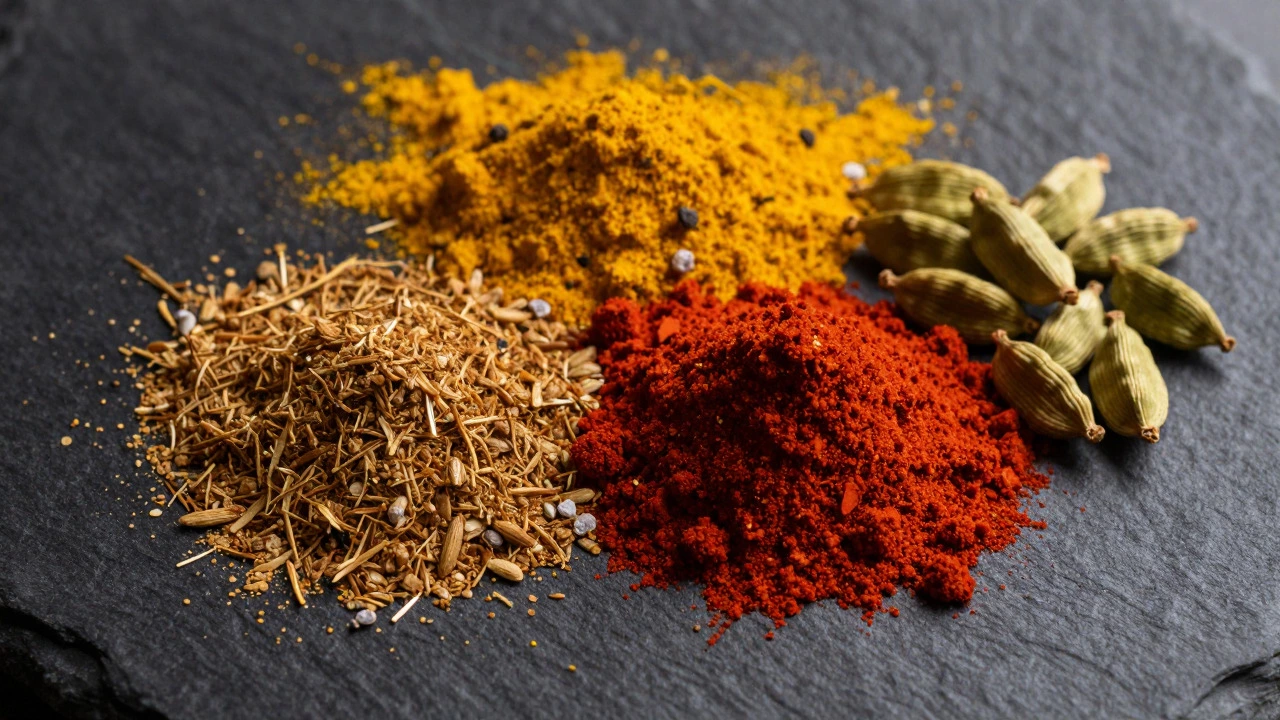
If yogurt is the body, then the spices are the soul. The dominant flavor profile of tandoori sauce is defined by garam masala. Unlike chili powder, which only brings heat, garam masala is a blend of warming spices. You will typically find cumin, coriander, cardamom, cloves, cinnamon, and black pepper mixed together.
When these spices are ground fresh and mixed into the wet marinade, they release essential oils that create an earthy, warm aroma. This is why tandoori chicken smells so inviting even before you see it. The heat level varies by region and personal preference, but traditional Northern Indian styles rely on Kashmiri red chilies. These chilies provide a vibrant red color and a mild-to-medium heat without overpowering the other subtle flavors. If you use standard cayenne or hot paprika, you risk burning your tongue and masking the delicate notes of the garam masala.
The Aromatic Lift: Ginger, Garlic, and Citrus
Behind the earthiness of the spices sits a bright, pungent layer provided by aromatics. Freshly grated ginger and minced garlic are non-negotiable ingredients. They add a sharp, zesty kick that cleanses the palate between bites of rich meat.
Then there is the citrus element. Many recipes call for lemon juice or lime juice. This acidity brightens the entire profile, preventing the heavy spices from feeling muddy or one-dimensional. Some modern variations also include a splash of vinegar or amchur (dry mango powder) to enhance this sourness further. The combination of ginger, garlic, and citrus creates a top-note freshness that makes the sauce taste alive rather than static.
The Smoky Secret: Charcoal Essence
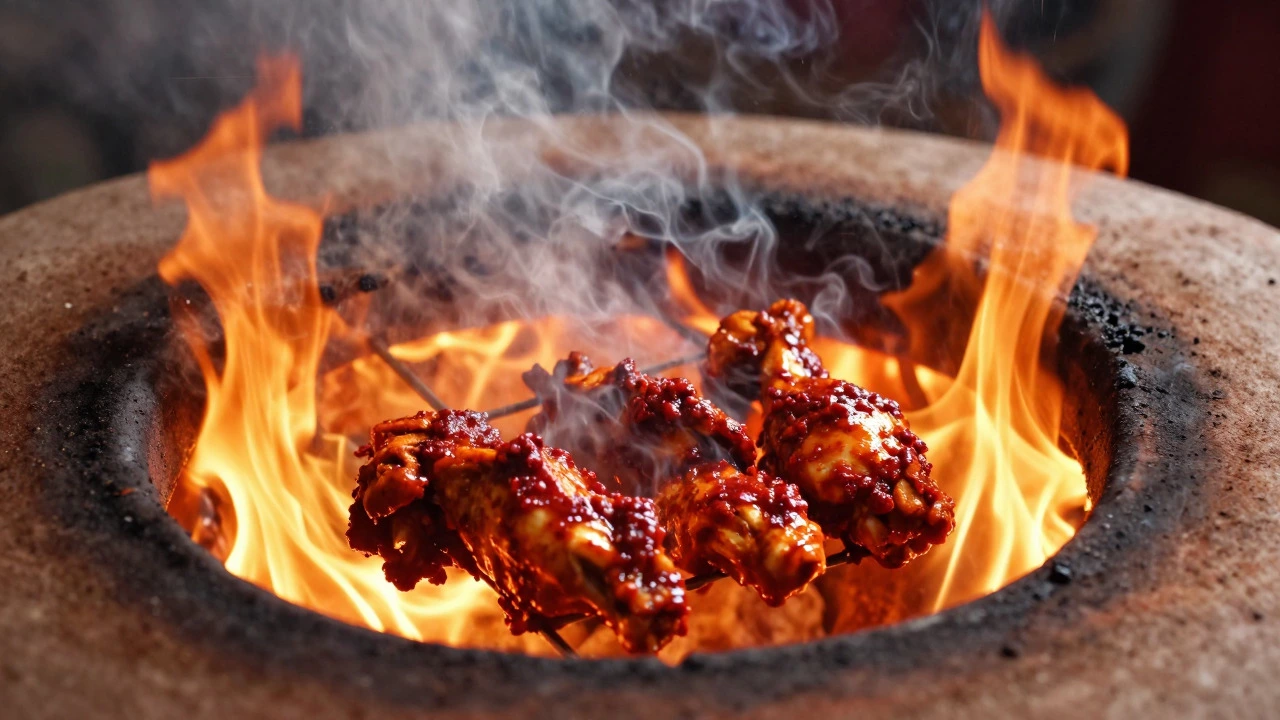
Here is where many home cooks get confused. Authentic tandoori chicken is cooked in a clay tandoor oven fueled by charcoal or wood. The high heat (often exceeding 900°F or 480°C) sears the outside instantly, creating a smoky, charred crust. This smoke flavor is integral to the taste of tandoori sauce.
Since most of us don’t have a clay oven in our backyard, how do we replicate that smokiness? Traditional restaurants often place a small piece of heated charcoal on a metal plate next to the cooking vessel, drizzle a little ghee over it, and cover it briefly. The smoke infuses the food. For home cooks, smoked paprika or a few drops of liquid smoke can mimic this effect, though nothing beats the real deal. Without this smoky element, the sauce tastes purely like spiced yogurt chicken, missing that rustic, outdoor-cooking character.
Color vs. Flavor: The Turmeric and Saffron Debate
You’ve probably noticed that restaurant-quality tandoori chicken has a deep, fiery red color. Is that natural? Partially. While Kashmiri chilies contribute some red hue, many commercial preparations use food coloring or excessive amounts of turmeric and saffron to achieve that striking look.
Taste-wise, turmeric adds a mild, bitter, earthy note that complements the warmth of the garam masala. Saffron, if used generously, imparts a floral, honey-like sweetness that elevates the dish significantly. However, be wary of sauces that taste overly metallic or artificial; this usually indicates too much synthetic dye. The best tandoori sauce lets the natural colors of the spices shine through, resulting in a reddish-orange hue rather than a neon red.
How to Make Authentic Tandoori Marinade at Home
Now that you know what to expect flavor-wise, let’s talk about execution. Making your own tandoori sauce is simpler than you think, provided you respect the ratios. Here is a reliable method to capture that authentic taste.
| Ingredient | Function | Flavor Contribution |
|---|---|---|
| Plain Yogurt (1 cup) | Base & Tenderizer | Tangy, Creamy |
| Garam Masala (1 tbsp) | Spice Blend | Earthy, Warm |
| Kashmiri Chili Powder (1-2 tsp) | Heat & Color | Mild Heat, Red Hue |
| Ginger-Garlic Paste (2 tbsp) | Aromatics | Pungent, Zesty |
| Lemon Juice (2 tbsp) | Acidity | Bright, Sour |
| Salt & Oil | Seasoning & Moisture | Savory, Rich |
Start by whisking the yogurt until smooth. Add the ginger-garlic paste and lemon juice. Then, fold in the dry spices-garam masala, chili powder, turmeric, and salt. Finally, stir in a tablespoon of oil or ghee. The oil helps conduct heat during cooking and prevents the yogurt from curdling too quickly under high temperatures.
Marinate your chicken pieces in this mixture for at least four hours, preferably overnight. The longer the sit time, the deeper the flavor penetration. When ready to cook, grill or roast at the highest possible temperature to mimic the tandoor effect. Brush with butter or ghee halfway through cooking for extra richness.
Common Mistakes That Ruin the Flavor
Even with the right ingredients, it is easy to go wrong. One common error is using low-fat yogurt. Fat carries flavor, so skim milk yogurt results in a watery, bland marinade that doesn’t adhere well to the meat. Stick to full-fat options.
Another mistake is overloading on chili powder. People often confuse heat with flavor. Too much chili overwhelms the subtle notes of cardamom and cloves in the garam masala. Aim for balance, not burn.
Lastly, skipping the resting phase kills the texture. If you throw raw, unmarinated chicken onto the grill and hope the spices stick, you’ll end up with dry meat and burnt spice dust. Patience is key to achieving that succulent, flavorful result.
Is tandoori sauce spicy?
It depends on the recipe. Traditional tandoori sauce uses Kashmiri red chilies, which offer a moderate heat level focused more on color and aroma than intense burning sensation. However, many regional variations and restaurant versions can be quite spicy. You can control the heat by adjusting the amount of chili powder in your marinade.
Can I make tandoori sauce without yogurt?
Yes, but it won't be traditional. Dairy-free alternatives like coconut cream or cashew paste can mimic the creamy texture and tanginess, especially if you add a bit of lemon juice or vinegar. These work well for vegan versions but lack the specific lactic acid tenderizing properties of yogurt.
Why is my tandoori chicken not red?
The vibrant red color comes primarily from Kashmiri red chili powder. If you are using regular paprika or cayenne, the color may be duller or darker. Additionally, insufficient marination time or cooking at too low a temperature can prevent the spices from developing their full color potential.
Does tandoori sauce contain sugar?
Authentic tandoori marinades rarely contain added sugar. The slight sweetness sometimes perceived comes from the natural sugars in caramelized onions (if included) or the floral notes of saffron. However, some modern fusion recipes may add a touch of honey or jaggery to balance the acidity of the yogurt and lemon.
How long should I marinate chicken for tandoori style?
For the best results, marinate chicken for at least 4 to 6 hours, ideally overnight. This allows the acids in the yogurt to tenderize the meat and the spices to penetrate deeply. Quick marinations of 30 minutes will only season the surface, resulting in less flavorful and tougher meat.