
Curry Powder Substitute Finder
Missing curry powder? Select the spices you have in your pantry to find the closest match for your dish.
Click the spices you currently possess:
Recommended Blend
Mix Ratio (for 1 tbsp Curry Powder)
--
Flavor Profile
--
Best For
--
Based on available ingredients
Remember: Taste as you cook. You can always add more spice, but you can't take it out.
You’re standing in your kitchen, ready to make that chicken curry recipe you found online, and you hit a wall: no curry powder. You check the back of the pantry, maybe find a lonely jar of cumin or a bag of paprika, but nothing screams "curry." The panic sets in. Can you just skip it? Will the dish taste like boiled chicken with too much salt?
Here’s the truth most recipes don’t tell you: there is no single spice that tastes exactly like curry powder because curry powder isn’t a single spice. It’s a blend. But that doesn’t mean you’re stuck. You can absolutely fake it, and sometimes, you can even improve on the store-bought stuff. The closest thing depends entirely on what kind of curry you’re trying to make. Are you going for a bright yellow Thai-style dish or a deep brown Indian tikka masala? The answer changes everything.
Why There Is No Single "Closest" Spice
To understand the substitute, you have to understand the original. When you buy a tin labeled "Curry Powder," you aren’t buying one ingredient. You’re buying a pre-mixed cocktail of turmeric, coriander, cumin, fenugreek, black pepper, and often ginger or garlic powder. This mixture was largely popularized by British colonialists who wanted to simplify complex Indian spice markets into a single shelf-stable product.
Because it’s a blend, asking for the "closest spice" is like asking for the closest fruit to a fruit salad. You can get close with melon, but you won’t get the grapes or the kiwi. If you use only turmeric, you get the color and earthiness but miss the citrusy top notes. If you use only cumin, you get warmth but lose the brightness. Your goal isn’t to find one magic bullet; it’s to rebuild the profile using what you have on hand.
The Best All-Around Substitute: Garam Masala + Turmeric
If you have an Indian grocery section nearby or a well-stocked spice rack, this is your golden ticket. Garam Masala is a warm spice blend common in North Indian cuisine, typically containing cinnamon, cardamom, cloves, cumin, and coriander. Unlike curry powder, garam masala usually lacks turmeric, which means it’s darker and sweeter-spicy rather than earthy-yellow.
By adding turmeric to garam masala, you bridge the gap perfectly. The turmeric provides the signature yellow hue and the mild bitter-earthy base, while the garam masala brings the complex aromatic heat. A good rule of thumb? Use 1 teaspoon of garam masala plus ½ teaspoon of turmeric for every 1 tablespoon of curry powder called for in a recipe. This combo works wonders for chicken curries, lentil dals, and vegetable stir-fries.
For Mild and Yellow Curries: Turmeric + Coriander
Maybe you don’t have garam masala. Maybe you’re making a lighter soup or a coconut-based curry where you don’t want heavy clove or cinnamon flavors dominating. In this case, look at the two most abundant ingredients in commercial curry powders: turmeric and ground coriander.
Turmeric gives you the color and the foundational earthy note. Ground coriander adds a lemony, floral brightness that cuts through rich fats like coconut milk or cream. Mix these two together. Start with a 1:1 ratio. If your curry powder brand was particularly pungent, add a pinch of black pepper. This simple duo won’t give you the deep complexity of a full blend, but it will give you a clean, bright flavor profile that pairs beautifully with seafood or chicken breast.
| Substitute Blend | Best For | Flavor Profile | Color Impact |
|---|---|---|---|
| Garam Masala + Turmeric | Rich, creamy curries; Tikka Masala | Warm, sweet, spicy, complex | Bright Yellow |
| Turmeric + Coriander | Light soups; Seafood; Coconut curries | Bright, citrusy, mild | Vibrant Yellow |
| Cumin + Paprika | Smoky dishes; Barbecue rubs | Earthy, smoky, slightly sweet | Orange-Red |
| Madras Curry Paste | Authentic South Indian styles | Hot, tangy, fresh | Deep Red/Yellow |
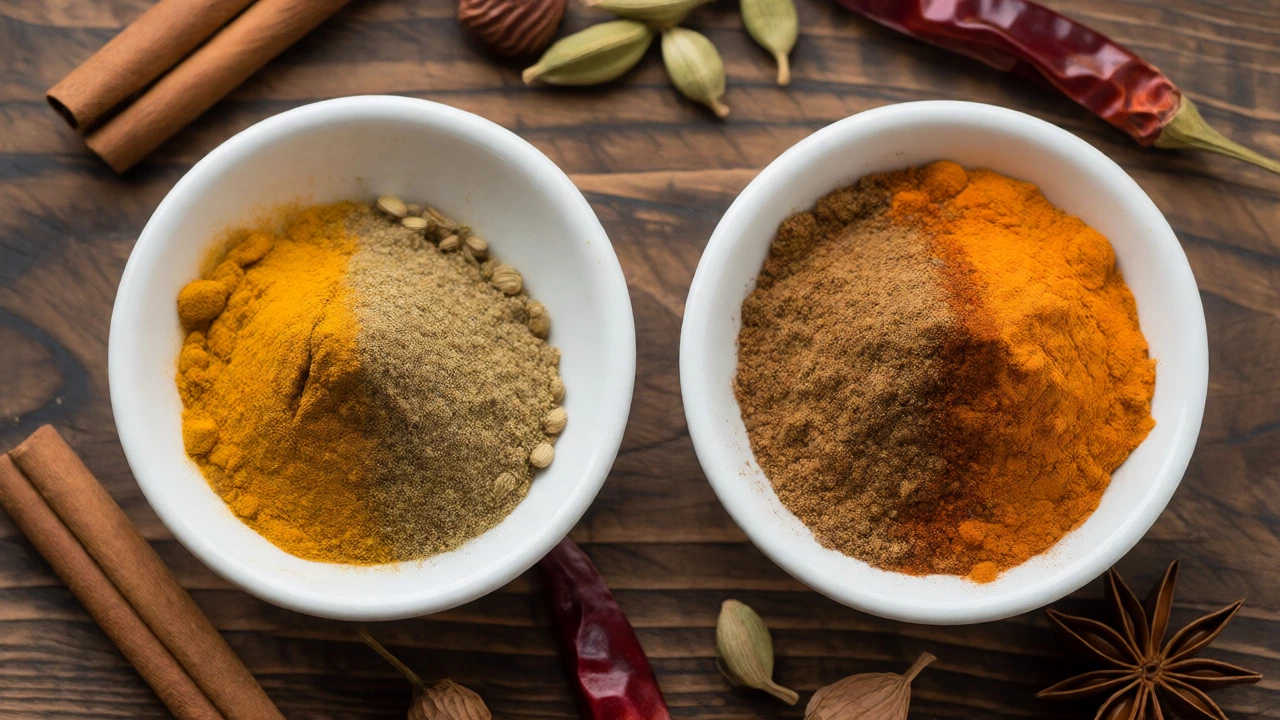
The Smoky Alternative: Cumin + Paprika
What if you’re out of turmeric? Or what if you’re making a dish that leans more towards barbecue or Tex-Mex fusion? Enter cumin and paprika. While not traditionally "Indian," this combination mimics the earthy warmth of cumin found in curry blends, while paprika adds a subtle sweetness and red hue.
This swap is excellent if you are making a dry rub for chicken thighs before roasting them, or if you’re making a potato curry where you want a deeper, roasted flavor rather than a bright yellow one. Use equal parts cumin and smoked paprika. Add a tiny pinch of cayenne if you want some kick. Note that this will change the color of your gravy from yellow to orange-red, so adjust your expectations accordingly. It won’t taste like standard curry powder, but it tastes delicious in its own right.
Fresh Options: Madras Curry Paste
If you happen to have a jar of Madras Curry Paste in your fridge, throw away the idea of using dried spices. This paste is made from fresh chilies, garlic, ginger, and whole spices ground together. It is far more potent and flavorful than any powdered substitute.
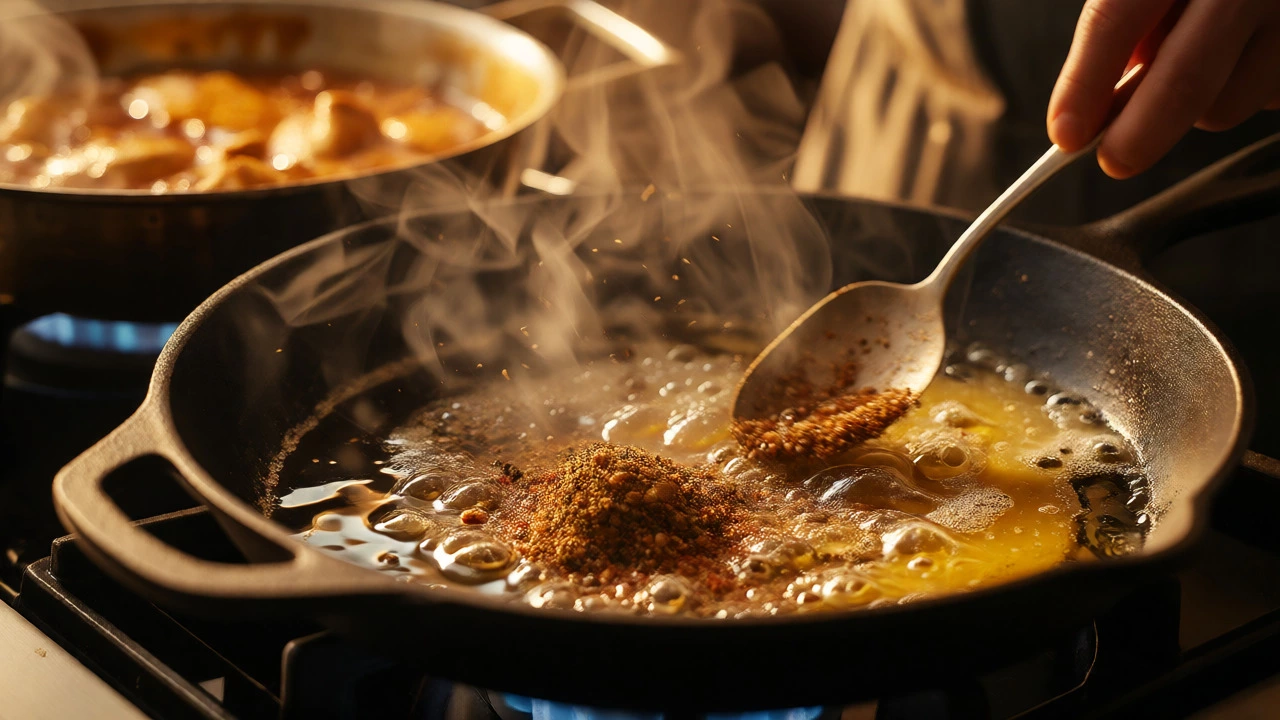
Because it contains oil and moisture, you need to cook it differently. Don’t just sprinkle it in. Fry the paste in oil for 30-60 seconds until it darkens slightly and smells fragrant. This process, known as "blooming," removes the raw garlic taste and deepens the flavor. Since the paste is concentrated, use about half the amount of powder required. One tablespoon of paste replaces two tablespoons of powder. This is arguably the best tasting option, provided you have it on hand.
DIY: How to Make Your Own Quick Blend
Why rely on substitutes when you can build the real thing? If you have basic individual spices, you can create a custom blend that actually tastes better than the stale jarred stuff. Commercial curry powders often sit on shelves for months, losing their volatile oils. Freshly ground spices pop.
Here is a simple, balanced formula for a mild-to-medium curry powder. Mix these in a small bowl:
- 2 tablespoons ground coriander
- 1 tablespoon ground cumin
- 1 tablespoon turmeric
- 1 teaspoon ground ginger
- 1 teaspoon ground fenugreek (optional, but authentic)
- ½ teaspoon black pepper
- ¼ teaspoon cayenne pepper (adjust for heat)
Store this in an airtight container. It stays fresh for about three weeks. Because you control the ratios, you can reduce the turmeric if you dislike bitterness, or increase the coriander if you love that citrusy lift. This method ensures your chicken curry has depth and aroma that pre-mixed powders simply cannot match.
Pitfalls to Avoid When Substituting
One major mistake people make is assuming all curry powders are created equal. They aren’t. Some brands are heavy on turmeric, others on chili. If you blindly follow a 1:1 substitution ratio without tasting, you might end up with a dish that is overwhelmingly yellow and bitter, or surprisingly spicy.
Always start with less than the recipe calls for. Taste your sauce as it simmers. You can always add more spice, but you can’t take it out. Another trap is ignoring salt. Many commercial curry powders contain added salt. If you switch to pure spice blends, remember to season your dish with salt separately, or your food will taste flat despite having plenty of spices.
Next Steps for Perfect Chicken Curry
Now that you know how to handle your missing curry powder, focus on technique. Regardless of which substitute you choose, bloom your spices in hot oil or ghee at the beginning of cooking. This step activates fat-soluble compounds in the spices, releasing their full aroma. If you dump dry spices into boiling liquid, they can taste dusty and raw.
Once your base is bloomed, add your aromatics (onions, garlic, ginger) and cook until soft. Then add your protein and liquids. Let the curry simmer gently. The longer it simmers, the more the substitute flavors meld together, masking the fact that it wasn’t originally "curry powder." Give it time, taste frequently, and trust your palate over the clock.
Can I use turmeric alone instead of curry powder?
You can, but the result will be very different. Turmeric provides color and a mild earthy bitterness but lacks the aromatic complexity of coriander, cumin, and other spices found in curry powder. The dish will look right but taste one-dimensional. Always pair turmeric with another spice like coriander or cumin for a better balance.
Is garam masala the same as curry powder?
No. Garam masala is a warming spice blend typically added near the end of cooking in Indian cuisine, featuring cinnamon, cardamom, and cloves. Curry powder is a milder, turmeric-heavy blend used throughout the cooking process. However, combining garam masala with turmeric makes an excellent substitute for curry powder.
What is the closest substitute for mild curry powder?
A mix of ground coriander and turmeric is the closest approximation for mild curry powder. Use equal parts of each. If you want a bit more depth, add a small pinch of cumin. This combination replicates the primary flavor notes of many commercial mild curry blends without the heat.
Does curry powder contain gluten?
Pure curry powder is naturally gluten-free. However, some cheaper brands may use anti-caking agents or thickeners that contain wheat. If you are sensitive to gluten, check the label for additives or buy from brands that certify their products as gluten-free.
How long does homemade curry powder last?
Homemade spice blends are best used within 3 to 4 weeks. Unlike whole spices, ground spices lose their volatile oils quickly. Store your blend in an airtight glass jar in a cool, dark place away from the stove to maximize freshness.