Dairy-Free Indian Dish Finder
Navigate the menu with confidence. Filter traditional Indian dishes by their dairy content to find vegan-friendly options.
Quick Reference: The Ghee Rule
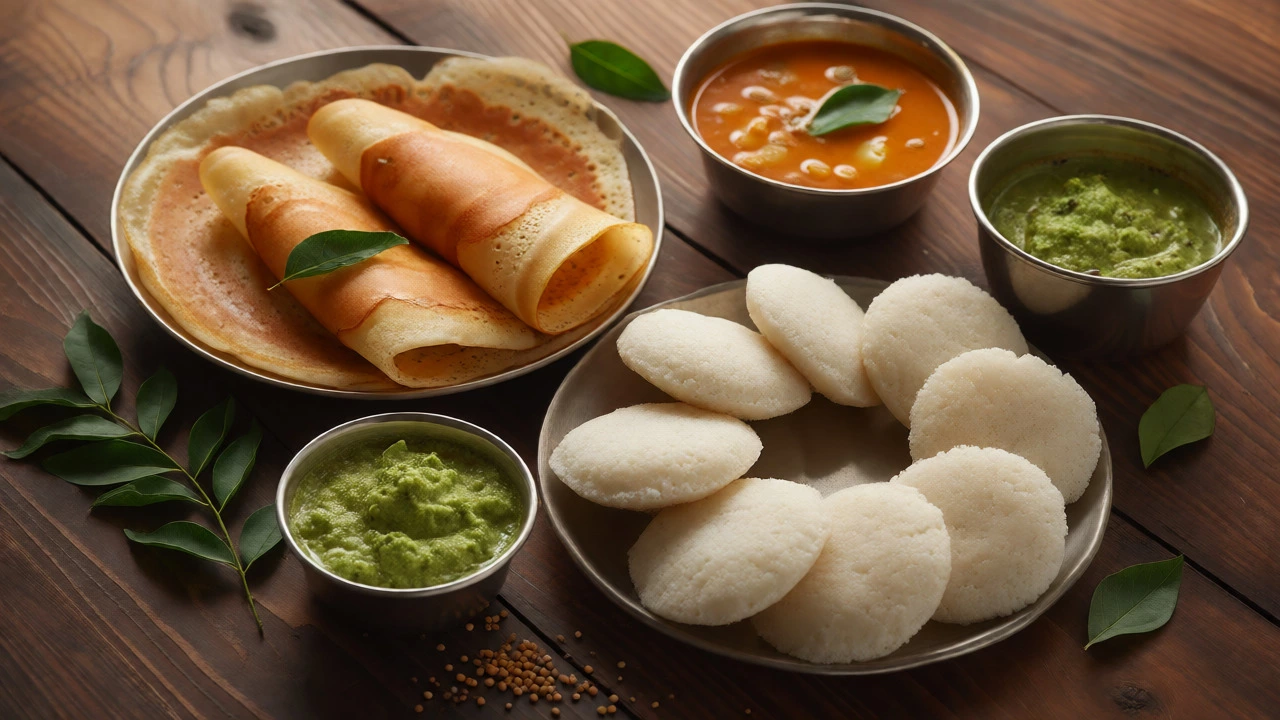
Ghee is clarified butter. Even if a dish looks dry, it may have been tempered with ghee. Always ask: "Was this cooked in oil or ghee?" South Indian staples like Dosa, Idli, and Kerala Stew are typically safest when prepared traditionally without ghee brushing.
You want the rich, complex flavors of Indian cuisine without the milk, butter, or cream. Maybe you’re lactose intolerant, following a vegan lifestyle, or just trying to cut back on saturated fats. The good news? Indian food is incredibly adaptable. While many North Indian curries rely heavily on dairy for that creamy texture, a massive portion of traditional dishes are naturally dairy-free. You don’t need to settle for bland substitutes; you just need to know which recipes stick to oil, coconut, and vegetables.
The central challenge here isn't finding food-it's navigating menu labels and recipe books where "ghee" (clarified butter) hides in plain sight. Most South Indian dishes, coastal specialties, and specific regional preparations skip dairy entirely. They use mustard seeds, curry leaves, tamarind, and coconut milk to build depth. Understanding the distinction between North Indian Mughlai influences (which love cream) and South Indian or Coastal traditions (which love coconut and oil) is your key to unlocking a dairy-free feast.
Why So Many Indian Dishes Are Naturally Dairy-Free
India is geographically diverse, and its culinary map reflects that. Northern India, with its cooler climate and pastoral history, leans into wheat and dairy products like paneer, yogurt, and ghee. But head south or east, and the landscape changes. Rice becomes the staple, and coconut takes center stage. This geographic split means that if you look toward Kerala, Goa, Tamil Nadu, or Bengal, you’ll find a treasure trove of dishes that never touch a cow’s udder.
Even within vegetarian options, the base ingredients matter. Legumes (dal), lentils, and vegetables provide protein and bulk. When cooked properly with spices, they offer satiety and flavor satisfaction that rivals any meat dish. The trick is avoiding the "finishing touches"-the swirl of cream added at the end for gloss. In authentic home cooking across much of India, that step simply doesn’t exist.
The Coconut Powerhouses: South Indian Staples
If you only remember one thing from this article, let it be this: Coconut is your best friend. It provides the fat content and richness that dairy usually supplies. Southern Indian cuisine relies on fresh grated coconut, coconut milk, and coconut oil. These ingredients create a luxurious mouthfeel without any animal products.
- Dosa: A fermented crepe made from rice and urad dal batter. Traditional dosa is vegan. Just ensure the cook uses oil instead of ghee for frying. Pair it with sambar (lentil stew) and coconut chutney.
- Idli: Steamed cakes made from the same fermented batter as dosa. Because they are steamed, no fat is needed for cooking. They are light, fluffy, and naturally gluten-free and dairy-free.
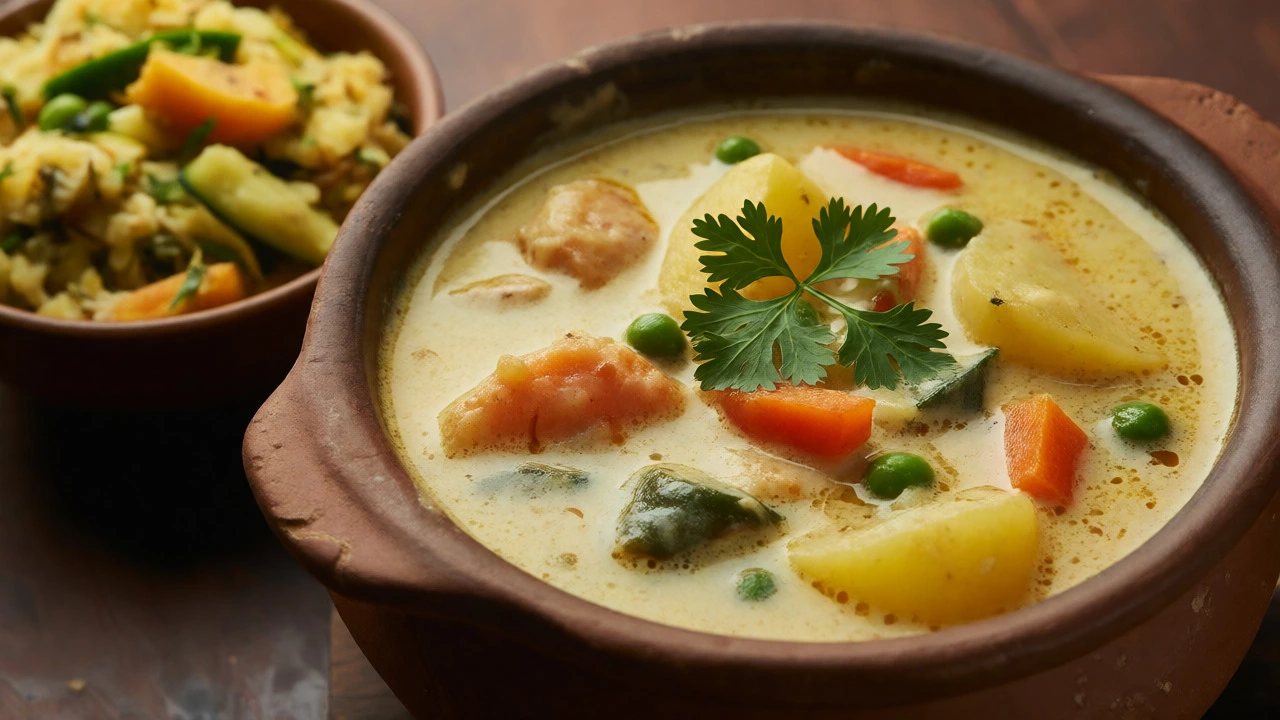
- Kerala Stew: Often made with chicken or vegetables, this mild curry uses coconut milk as its base. It’s thick, aromatic, and typically served with appam (fermented rice pancakes).
When ordering these, always specify "no ghee." Many restaurants default to brushing dosas with clarified butter for aroma, but asking for oil keeps it strictly dairy-free.
Coastal Curries and Fish Alternatives
Goan and Kerala cuisines have strong Portuguese and Arab influences, respectively, both of which favor vinegar, tamarind, and coconut over dairy. Goan Vindaloo, for instance, gets its tang from vinegar and garlic, not yogurt. If you eat fish, most coastal fish curries are water- or coconut-based. For vegetarians, the vegetable versions mimic these profiles perfectly.
Consider Avial, a mixed vegetable curry from Kerala that uses raw mangoes and coconut paste. It’s sour, spicy, and completely devoid of milk products. Another gem is Pachadi, a yogurt-like condiment made from cucumber or ash gourd tempered with mustard seeds and curry leaves. Wait, Pachadi often has yogurt? Yes, but there is a vegan version called Majjige Majjige using buttermilk substitutes or simply skipping the dairy element for a pure pickle-style relish.
Legume-Based Delights: Dal Without the Butter
Lentils are the backbone of Indian nutrition. While many restaurant dals are finished with a dollop of butter or cream, traditional preparations do not require them. The thickness comes from the lentils themselves breaking down during long simmering.
| Dish Name | Traditional Base | Dairy Status | Modification Needed |
|---|---|---|---|
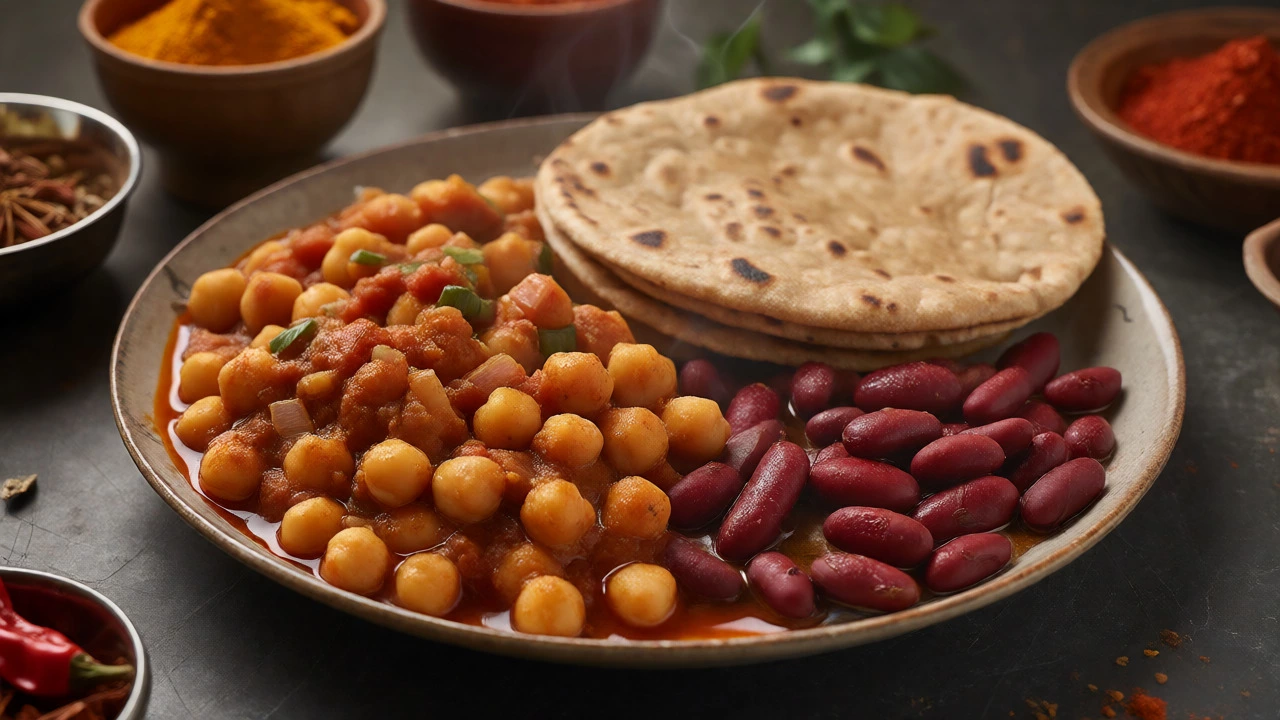
| Chana Masala | Tomato, Onion, Ginger-Garlic | Naturally Dairy-Free | None (check for ghee garnish) |
| Rajma | Red Kidney Beans, Tomato Gravy | Naturally Dairy-Free | None |
| Aloo Gobi | Potato, Cauliflower, Turmeric | Naturally Dairy-Free | Use oil instead of ghee |
| Palak Paneer | Spinach, Cottage Cheese, Cream | High Dairy Content | Replace Paneer with Tofu; omit cream |
| Butter Chicken | Chicken, Tomato, Butter, Cream | High Dairy Content | Hard to modify; choose Tikka instead |
Chana Masala (chickpea curry) is a prime example of a dish that needs no dairy. The gravy is built from sautéed onions, tomatoes, and ginger-garlic paste. The chickpeas add body. If you order this, ask for it "dry" or "with oil," and you have a hearty, protein-packed meal. Similarly, Rajma (kidney bean curry) is traditionally thickened by mashing some beans against the side of the pot, not by adding flour or cream.
Breads and Accompaniments: Watch the Fat
This is where things get tricky. Roti and Chapati are usually made with whole wheat flour and water, making them safe. However, Naan, Paratha, and Puri often contain milk, yogurt, or ghee. Naan dough frequently includes yogurt for tenderness. Parathas are layered with ghee. Puris are deep-fried, sometimes in ghee.
To stay safe:
- Stick to Roti/Chapati: Ask for them to be cooked dry (without ghee applied afterward).
- Choose Rice: Plain basmati or jeera rice (cumin rice) is almost always oil-based. Avoid pulao if it lists ghee or cashews (cashews are nuts, so they are vegan, but ghee is common).
- Appam: As mentioned earlier, these fermented rice pancakes are excellent dairy-free alternatives to bread.
Hidden Dairy: The Sneaky Ingredients
It’s not just about spotting butter on top. Several ingredients used for texture or preservation contain dairy or are processed with it.
- Ghee: Clarified butter. It’s used for tempering spices (tadka). Always ask if the tadka was done in oil or ghee.
- Khoya/Mawa: Solidified milk solids used in sweets and some rich gravies. Check ingredient lists for this.
- Cashews: While technically a nut, cashew paste is often blended with milk to make it smooth. Ensure the paste is made with water or coconut milk.
- Sweets (Mithai): Almost all traditional Indian sweets (Gulab Jamun, Rasgulla, Barfi) are milk-based. Stick to fruit-based desserts or sorbets if available.
For those who miss the sweetness, try Jalebi if made with refined flour and sugar syrup, but verify the frying medium. Many street vendors use vanaspati (hydrogenated vegetable oil), which is dairy-free, but some premium shops use ghee.
How to Order Dairy-Free Indian Food at Restaurants
Communicating your needs can feel awkward if you don’t speak the language or know the terms. Here is a quick cheat sheet for servers:
- "Does this dish contain ghee or butter?"
- "Can you make the tadka (tempering) with oil instead?"
- "Is there cream or yogurt in the gravy?"
- "I am allergic to milk products." (Using 'allergy' often gets more attention than 'preference'.)
Remember, many chefs are happy to accommodate. The cuisine is flexible. If a dish is inherently creamy like Korma, it might be impossible to save. But if it’s a dry stir-fry like Bhindi Masala (okra) or Aloo Methi (potato and fenugreek), it’s likely already close to what you want.
Common Pitfalls to Avoid
Don’t assume everything labeled "vegetarian" is dairy-free. In India, vegetarianism often overlaps with lacto-vegetarianism, meaning milk products are encouraged. Conversely, "Vegan" is a newer concept in many traditional kitchens. You must explicitly exclude milk derivatives.
Another trap is "light" or "healthy" labels. Sometimes, low-fat yogurt is added to curries to reduce calorie counts, introducing dairy where none existed in the original rustic recipe. Always check the actual ingredients, not just the marketing claims.
Is all Indian vegetarian food dairy-free?
No. A significant portion of Indian vegetarian cuisine uses ghee, butter, cream, yogurt, or paneer (cheese). You must specifically request dishes prepared without these ingredients.
Can I eat Naan bread on a dairy-free diet?
Usually, no. Naan dough often contains yogurt or milk, and it is frequently brushed with ghee after baking. Roti, Chapati, or Appam are safer choices.
What is the best substitute for cream in Indian curries?
Coconut milk or cashew paste (blended with water) works best. They provide similar richness and thickness without the dairy content.
Are all South Indian dishes dairy-free?
Most are, especially those based on rice, lentils, and coconut. However, some modern fusion dishes or specific temple offerings might include ghee or milk. Always verify the preparation method.
Is Ghee considered dairy?
Yes. Ghee is clarified butter derived from cow’s milk. While it has less lactose and casein than regular butter, it is still an animal product and unsuitable for vegans or those with severe milk allergies.