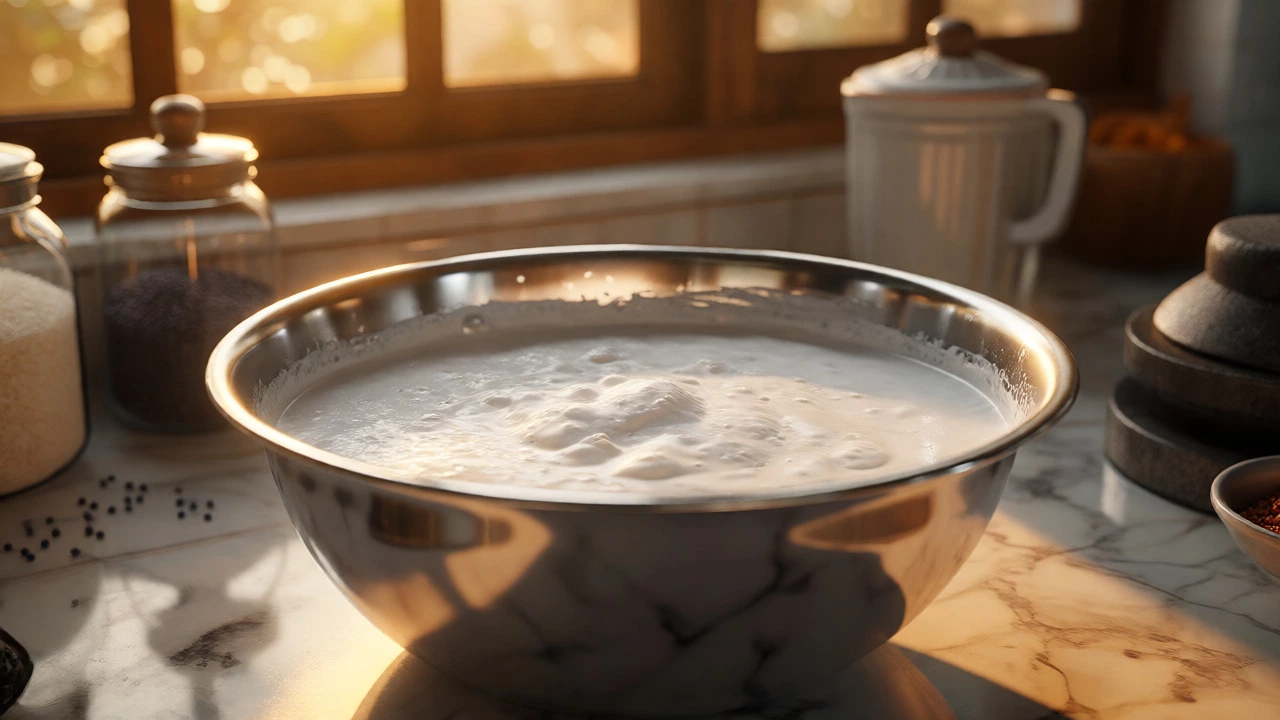
Dosa Batter Fermentation Simulator
Potential Issues:
Adjust the settings on the left and click Analyze Batter Status to see if your dosa will be fluffy!
You follow the recipe exactly. You soak the rice and urad dal overnight. You grind it into a smooth paste. You leave it on the counter for eight hours. But when you pour that batter onto the hot tawa, it spreads like glue and comes out flat, dense, and sad. No holes. No fluffiness. Just a heavy, rubbery disc.
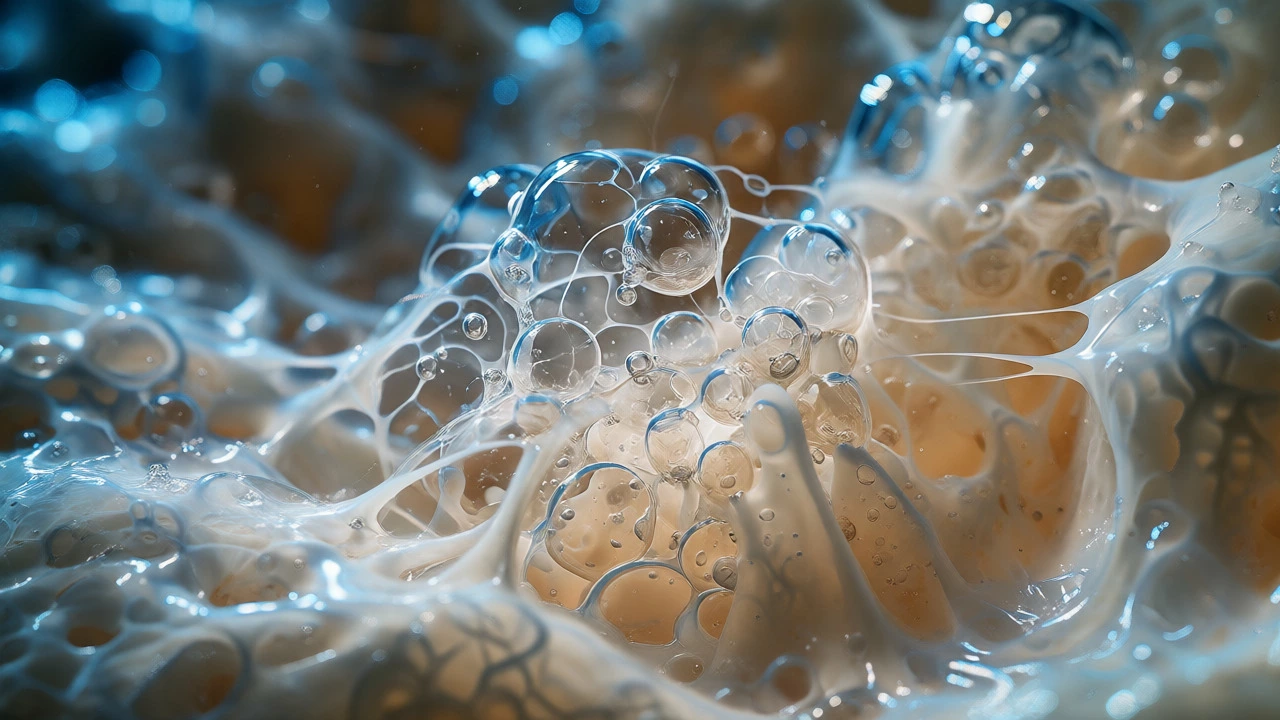
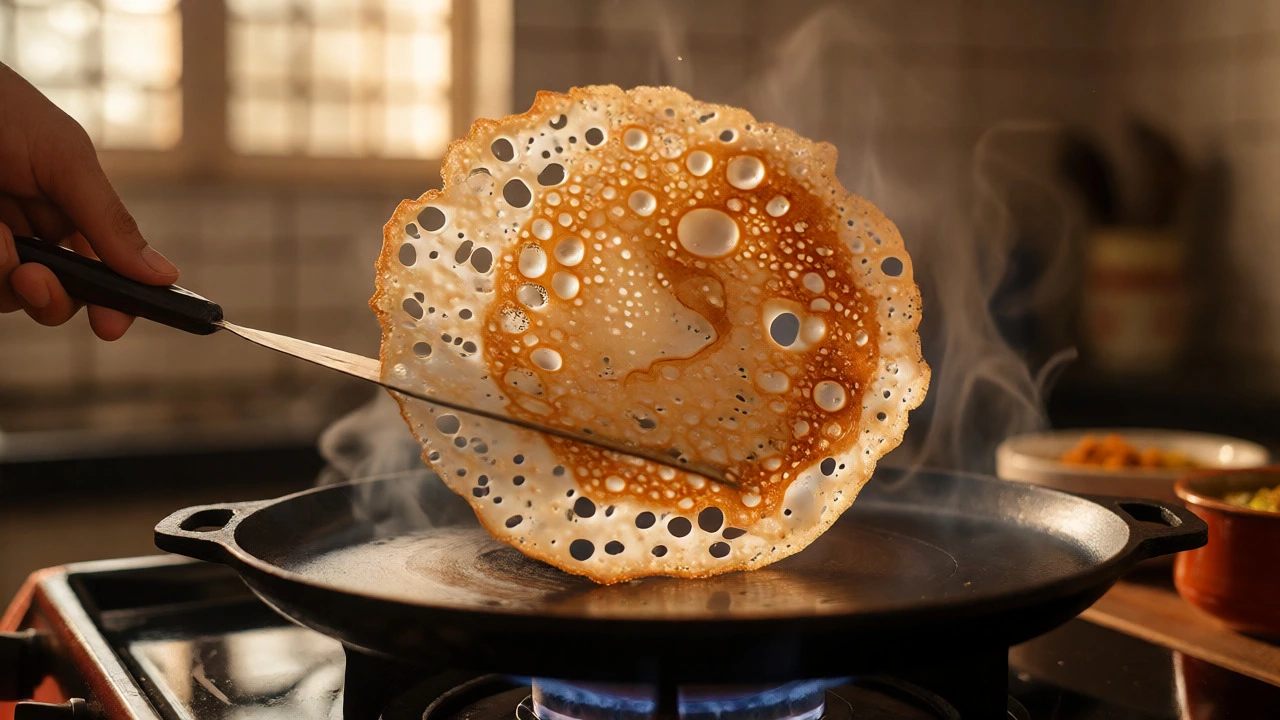
It’s frustrating because we all know what a perfect dosa looks like: golden, lacy edges, a hollow sound when tapped, and an interior that feels light as air. The difference between a good dosa and a great one isn’t magic-it’s science. Specifically, it’s about fermentation is the biological process where yeast and bacteria consume sugars in the batter and produce carbon dioxide gas, which gets trapped in the gluten network to create those signature airy pockets. If your dosa batter is not fluffy, something in this chain has broken.
The Temperature Trap
Let’s start with the biggest culprit: temperature. Fermentation is driven by microorganisms, specifically wild yeasts and lactic acid bacteria naturally present in the environment and on the lentils themselves. These microbes are picky. They have a preferred working range. If your kitchen is too cold, they go dormant. If it’s too hot, they die or produce off-flavors before the batter rises properly.
In Wellington, where I live, our kitchens can be chilly, especially in winter. A room temperature of 18°C (64°F) is often too low for traditional natural fermentation to kick in effectively within a reasonable timeframe. The ideal zone for dosa batter fermentation is between 25°C and 30°C (77°F - 86°F). At 20°C, the process might take 12-14 hours. At 28°C, it might only take 6-8 hours. If you left your batter out for 8 hours in a 19°C kitchen, it likely hasn’t fermented enough yet. It’s not bad; it’s just waiting.
How do you fix this without buying a proofer? Use your oven. Turn the oven light on but keep the heat off. The bulb generates enough gentle warmth to raise the ambient temperature inside the closed oven to around 25-28°C. Place your covered batter bowl inside. Check it after 6 hours. If it has doubled in volume and smells slightly sour and yeasty, you’re good to go.
The Ingredient Ratio Imbalance
Fermentation needs food. The primary fuel for the microbes is starch from the rice and proteins/sugars from the urad dal. The standard ratio for a fluffy dosa is 3 parts rice to 1 part urad dal by weight. Some people go 4:1 for crispier dosas, but if you want fluffiness, stick closer to 3:1 or even 2.5:1 for idlis.
If you use too much rice relative to the dal, there isn’t enough protein to form a strong gluten-like structure. The gas bubbles produced by fermentation escape easily, resulting in a flat pancake. Conversely, if you use too much dal, the batter becomes overly viscous and heavy, preventing proper spreading and leading to a gummy texture rather than a fluffy one.
| Ratio (Rice:Dal) | Texture Outcome | Best For |
|---|---|---|
| 3:1 | Balanced fluffiness and crispness | Standard Masala Dosa |
| 4:1 | Crispy, less airy | Rava Dosa or Crispy Plain Dosa |
| 2.5:1 | Very soft, highly aerated | Idli and Soft Set Dosa |
Another common mistake is using old ingredients. Urad dal loses its potency over time. If your dal is more than six months old, the natural microbial load may be insufficient to start a robust fermentation. Always buy fresh, split black gram (urad dal) from a store with high turnover.
Water Quality and Hygiene
Did you rinse your grinder jar thoroughly? Residual soap or detergent kills the delicate bacteria needed for fermentation. Even a tiny amount of antibacterial soap residue can inhibit the culture. Rinse your blender jars and mixing bowls with plain water, ensuring no soapy film remains.
Then there’s the water itself. Chlorinated tap water can sometimes slow down fermentation because chlorine is designed to kill microbes. While most municipal supplies are fine, if you notice consistent failures, try using filtered or boiled-and-cooled water. The key is to ensure the water is at room temperature when grinding. Cold water shocks the initial mix and slows the start of the reaction.
The Salt Timing Mistake
This is a subtle error many home cooks make. When should you add salt? If you add salt before fermentation, it draws moisture out of the cells via osmosis and can inhibit the activity of the yeast and bacteria. It doesn’t stop them entirely, but it slows them down significantly.
The best practice is to ferment the batter without salt. Once the batter has risen, doubled in size, and developed a pleasant sour aroma, stir in the salt just before cooking. This ensures the microbes work at full speed during the critical rising phase. Adding salt too early results in a batter that tastes okay but lacks the vigorous rise needed for fluffiness.
Grinding Consistency Matters
You can’t get fluffy dosas from gritty batter. The urad dal must be ground into a light, creamy, almost whipped cream-like consistency. This requires enough water and enough time. Under-grounded dal doesn’t release enough mucilage (the sticky substance) to trap the gas bubbles effectively.
Here’s a quick check: Take a small spoonful of the ground urad dal paste and drop it into a bowl of water. If it floats, you’ve incorporated enough air and achieved the right viscosity. If it sinks, it’s too dense. Grind it longer or add a bit more ice-cold water to help maintain the temperature while achieving that airy texture. The rice should be ground to a semolina-like consistency-fine, but with some graininess. Mixing these two distinct textures creates the perfect scaffold for fermentation.
Troubleshooting Flat Dosas: A Checklist
If your dosa is still coming out flat despite checking the above, run through this diagnostic list:
- Is the batter warm? Cold batter straight from the fridge won’t spread well or cook evenly. Let it come to room temperature for 30 minutes before making dosas.
- Is the tawa hot enough? If the pan isn’t sufficiently hot, the batter spreads too much before setting, losing its height. Test with a few drops of water; they should sizzle and evaporate instantly.
- Did you over-mix after fermentation? Stirring the batter vigorously collapses the gas bubbles. Gently fold the batter instead of stirring aggressively.
- Is the batter too thin? Add a little cooked rice flour or semolina (rava) to thicken it if it’s running like water. Thick batter holds gas better.
Boosting Fermentation Naturally
Sometimes, even with perfect conditions, natural fermentation is sluggish. Here are safe ways to boost it without compromising authenticity:
Add a pinch of fenugreek seeds (methi): Soak a teaspoon of methi seeds with the urad dal. Methi contains compounds that aid digestion and can subtly enhance the fermentation environment. It also adds a lovely aroma.
Use a starter culture: Save a tablespoon of well-fermented batter from a previous batch and mix it into your new batter. This introduces a strong colony of active cultures immediately, jump-starting the process.
Try a tiny bit of baking soda: This is controversial among purists, but if you’re in a rush or your climate is very cold, adding 1/4 teaspoon of baking soda per cup of batter right before cooking can provide immediate lift. However, rely on fermentation for flavor; use baking soda only as a structural backup.
Storing and Reusing Batter
Once your batter ferments correctly, don’t let it sit out indefinitely. Over-fermentation leads to excessive sourness and a breakdown of the structure, causing the dosa to tear. Store fermented batter in the refrigerator. It will last up to a week. Before using refrigerated batter, let it sit at room temperature for 30-45 minutes. The cold suppresses the gas expansion, so warming it up helps restore the fluffiness.
If your refrigerated batter seems flat after storage, whisk it gently to reincorporate any separated water and give it a chance to warm up. Do not add more water unless necessary, as this dilutes the gas-trapping network.
How long does dosa batter take to ferment?
In warm weather (above 25°C), it takes 6-8 hours. In cooler climates (below 20°C), it can take 12-14 hours. The batter is ready when it has roughly doubled in volume and smells pleasantly sour.
Can I use yeast to make dosa batter fluffy?
Yes, adding a pinch of instant yeast (about 1/4 tsp per cup of rice) can guarantee a rise, especially in cold climates. However, it changes the flavor profile slightly, making it less traditionally tangy. It’s a valid shortcut for beginners.
Why is my dosa sticking to the pan?
This usually means the pan isn’t seasoned properly or isn’t hot enough. Ensure your cast iron or non-stick pan is well-oiled and preheated. Also, check if your batter is too thin; thin batter sticks more easily.
Does soaking time affect fluffiness?
Absolutely. Rice needs 4-6 hours, and urad dal needs 6-8 hours. Under-soaked grains don’t grind smoothly, leading to poor gas retention. Over-soaking can cause premature fermentation or spoilage, especially in warm weather.
My batter didn’t rise at all. What did I do wrong?
Likely causes include: using chlorinated water, keeping the batter too cold, using old/expired urad dal, or washing the container with strong antibacterial soap that killed the natural cultures. Try using filtered water and a warmer spot next time.