Curry Spice Blend: The Real Secret Behind Indian Curries
When you hear curry spice blend, a mixture of ground spices used to build depth and aroma in Indian dishes. Also known as garam masala, it's not a single recipe—it's a living tradition that changes from kitchen to kitchen, village to village. Most people think curry powder is the answer, but that’s a colonial invention. Real Indian cooking doesn’t start with a jar. It starts with toasting whole spices—cumin, coriander, cardamom, cloves, cinnamon—and grinding them fresh. That’s where the magic happens.
The difference between a flat curry and one that makes you close your eyes? It’s not just heat. It’s garam masala, a warm, aromatic blend often added at the end of cooking to preserve its volatile oils. It’s curry powder, a pre-mixed, standardized blend created for export, lacking the nuance of homemade versions. And it’s the timing—adding spices at the right moment. Burn them, and they turn bitter. Add them too late, and they taste raw. The best curries layer spices in stages: first the whole seeds sizzled in oil, then ground powders fried just until fragrant, then the final pinch of garam masala stirred in off the heat. That’s how you get depth, not just spice.
What you’ll find in the posts below aren’t just recipes—they’re clues. You’ll learn why some curries use star anise while others skip it, how Kashmiri chili powder gives color without overwhelming heat, and why some cooks add dried mango powder for tang instead of lemon. You’ll see how the same curry spice blend can become the base for chicken, lentils, or vegetables, depending on what’s added before or after. No two grandmas make it the same way. And that’s the point. This isn’t about following a formula. It’s about understanding the rhythm of Indian spices—the way they dance together, when to let them sing, and when to let them rest.
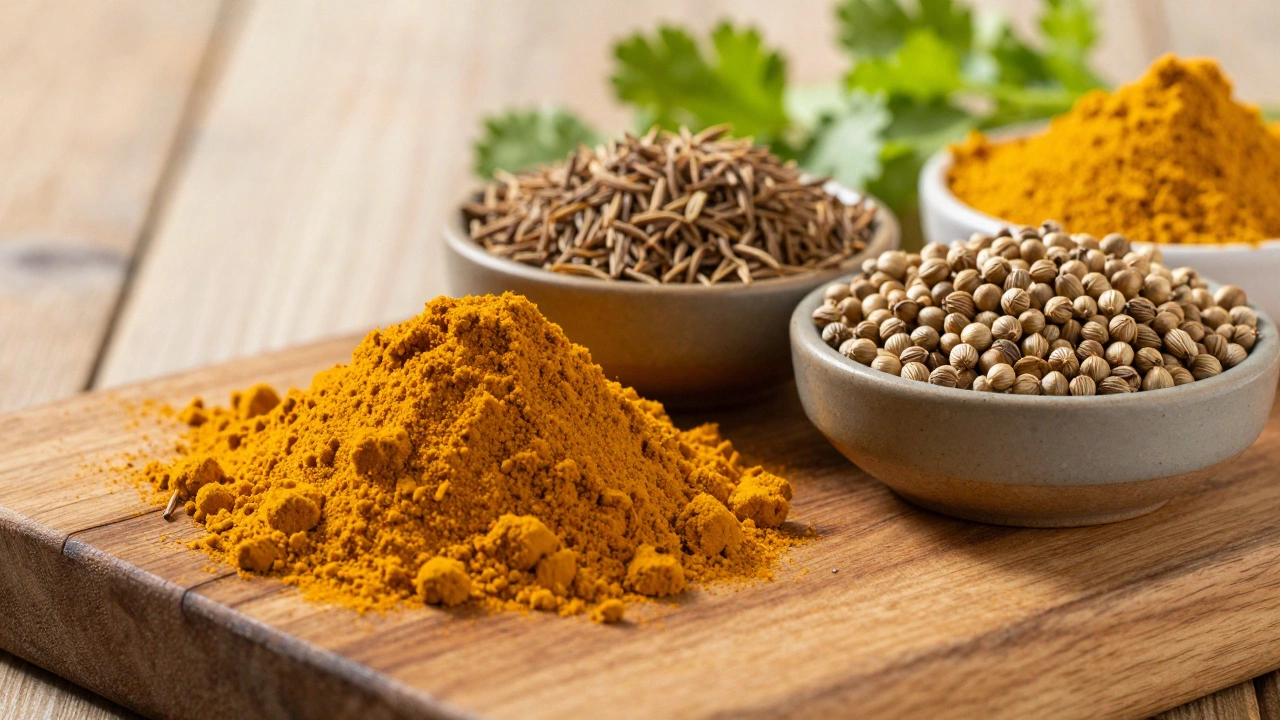
What is the Main Flavor in Curry? A Guide to Spices, Heat, and Aroma
Discover the true main flavors in curry, moving beyond simple heat to explore the essential roles of turmeric, cumin, and coriander. Learn how to bloom spices and balance regional profiles for perfect chicken curry recipes.
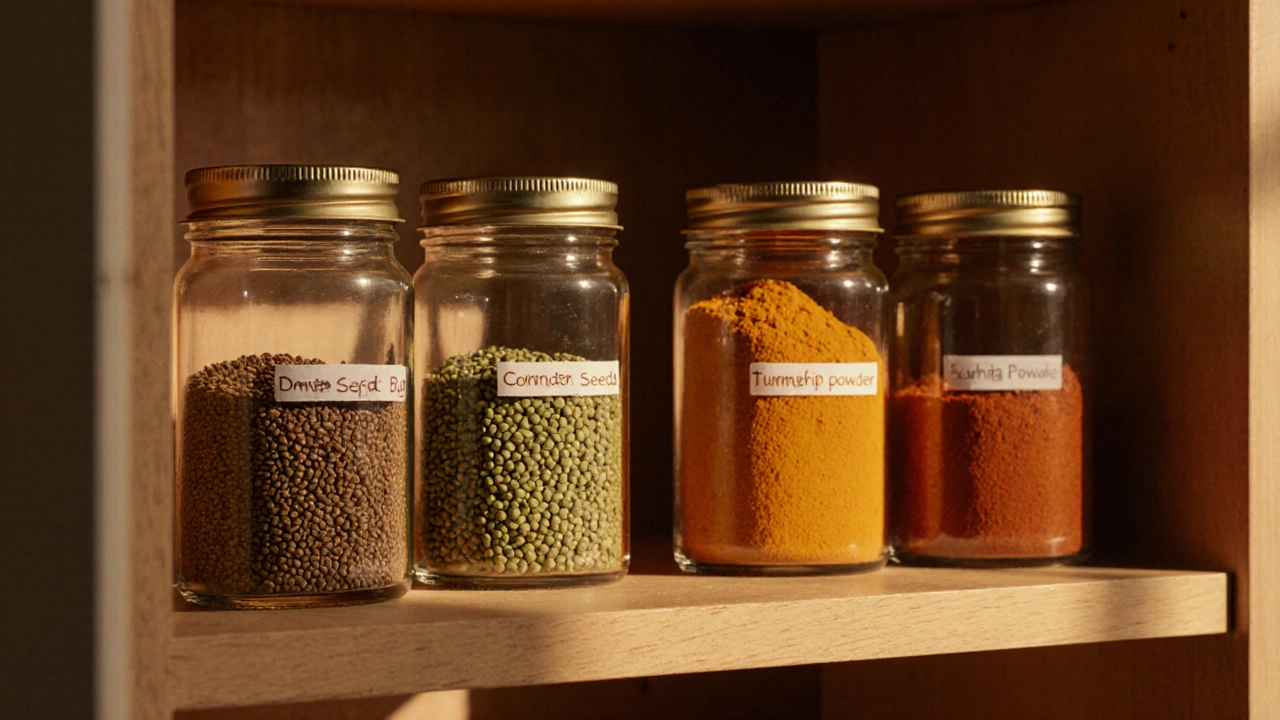
Four Key Spices in Curry - What They Are and How to Use Them
Learn the four essential spices that form the backbone of a classic chicken curry, how each works, and step‑by‑step tips for perfecting the dish.