Indian Food Safety Calculator
Estimate the safety risk of specific Indian dishes based on preparation method and ingredients. Helps travelers make informed decisions about what to eat.
India is a land of incredible flavors, but for many travelers, the excitement of trying local cuisine is shadowed by one persistent fear: getting sick. The phrase "Delhi Belly" has become almost as famous as the Taj Mahal itself. But here is the good news-you do not have to survive on plain crackers and bottled water for two weeks. You can enjoy authentic Indian street food, spicy curries, and fresh fruits without ending up in a hospital bed. The secret lies not in avoiding Indian food entirely, but in understanding how to choose it wisely.
The Golden Rules of Safe Eating in India
Before you even look at a menu, you need to adopt a specific mindset. In India, food safety often depends on visibility and temperature control rather than sterile packaging. The old adage "boil it, cook it, peel it, or forget it" is a great starting point, but it needs nuance. For example, peeling a banana yourself is safe; buying pre-cut fruit from a stall is risky. Cooking kills bacteria, so hot, freshly prepared meals are your best friends. Cold foods that sit out in the heat are the enemy.
Your immune system is likely accustomed to the microbial environment of your home country. When you travel to India, you encounter different strains of bacteria like E. coli and Salmonella. Your body reacts to these new invaders with inflammation, leading to diarrhea. This isn't necessarily because the food is "dirty" by local standards, but because your gut flora hasn't adapted yet. Respecting this biological reality helps you make smarter choices.
- Heat is your ally: Always prefer food that is piping hot and cooked right in front of you.
- Visibility matters: If you can see the kitchen and the cooking process, you are safer. Open kitchens are common in India and should be viewed as a positive sign.
- Avoid ice: Even in reputable hotels, ice cubes may be made from tap water. Stick to drinks served without ice or ask for them specifically without it.
- Peel it yourself: Fruits with thick skins like bananas, oranges, and mangoes (if peeled by you) are safe. Avoid salads and unpeeled vegetables unless they are washed in purified water.
Street Food: How to Enjoy It Safely
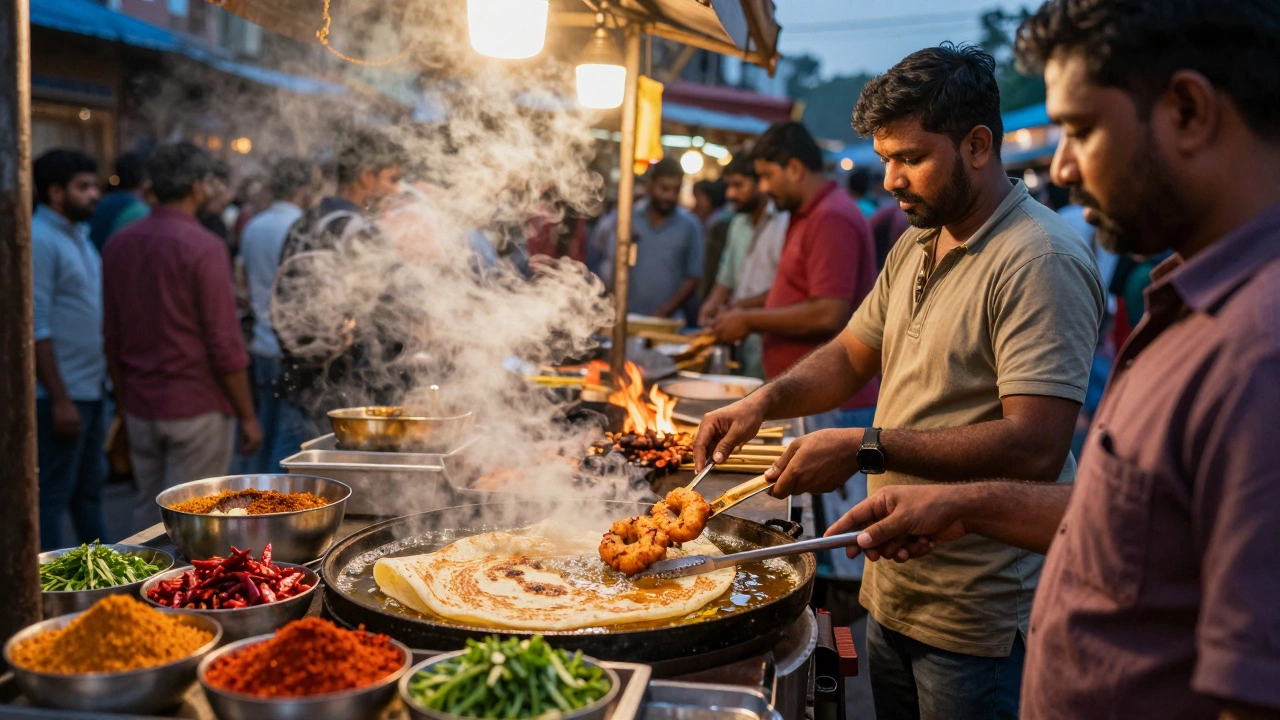
Street food is the soul of Indian culinary culture. From sizzling kebabs in Delhi to crispy dosas in Chennai, skipping street food means missing half the experience. However, not all street stalls are created equal. You need to learn how to read a stall for safety cues. Look for high turnover. A stall with a long line of locals is usually a good sign. High turnover means the food is fresh and hasn't been sitting out for hours. If a stall looks empty and the vendor is chatting away, think twice.
Focus on items that are fried or grilled thoroughly. The high temperatures involved in frying pakoras or grilling tikkas kill most pathogens. Here are some safe bets for your first few days:
- Pani Puri/Golgappa: This is tricky. The puri (cracker) is safe, but the water inside is the risk. Only eat this if you trust the vendor's water source completely, or skip it until you have built some immunity. Many modern chains use sealed, purified water packets, which makes them much safer.
- Vada Pav: A potato fritter in a bun. As long as the vada is fried fresh and hot, it is generally safe. Avoid chutneys that look watery or have been sitting out since morning.
- Dosa and Idli: These fermented rice and lentil cakes are steamed or pan-fried. They are excellent, safe options, especially when eaten hot. Pair them with sambar (lentil soup), which is boiled and thus safe.
- Kebabs and Tikkas: Meat skewers grilled over charcoal are delicious and safe due to the high heat. Ensure the meat is well-cooked throughout.
Avoid any dish that includes raw onions, tomatoes, or cucumber slices unless you can verify they were washed in clean water. Chutneys can also be risky if they contain raw ingredients and have been exposed to air and flies for long periods. Stick to dry snacks or those where the sauce is added fresh from a sealed container.
Navigating Restaurants and Home-Style Meals
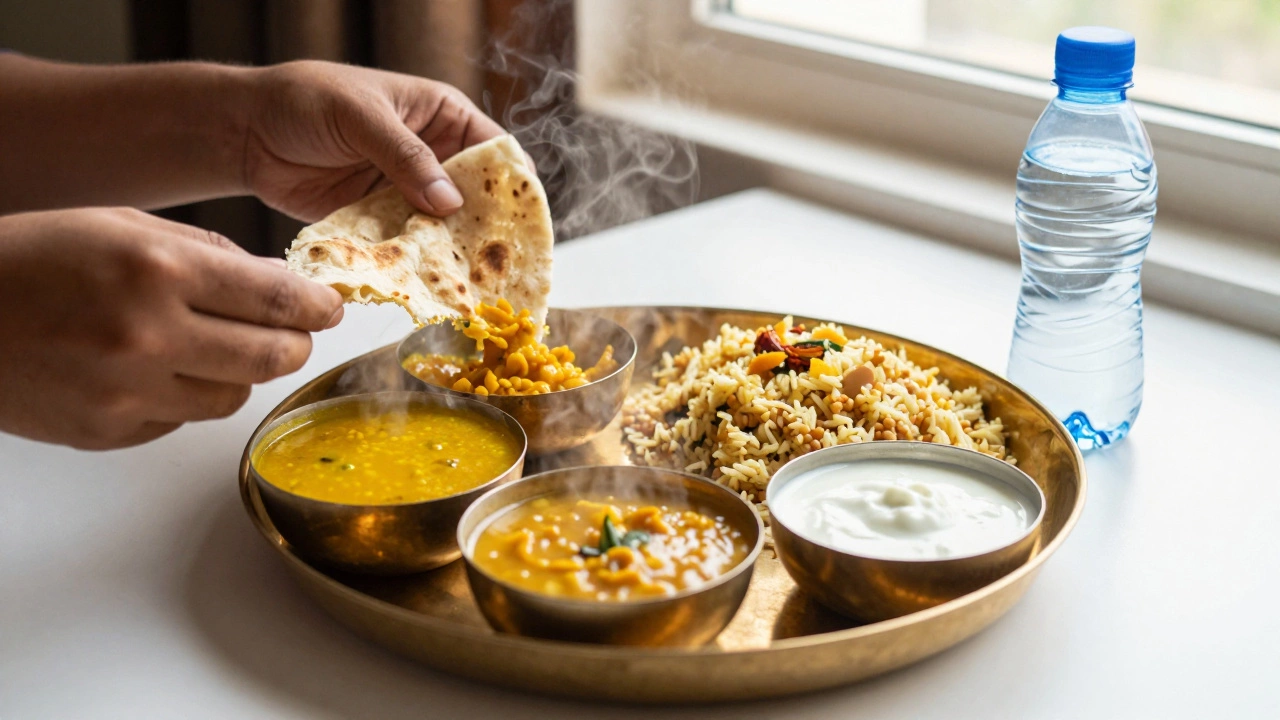
Once you move beyond street stalls, restaurants offer a more controlled environment. In mid-range to high-end restaurants, hygiene standards are generally good. However, even here, caution is needed. Salads are often the biggest trap. A side salad might look fresh, but the lettuce could have been rinsed in tap water. It is safer to skip the salad and opt for cooked vegetables like bhindi (okra) or baingan (eggplant).
Water is the most critical factor. Never drink tap water. Use bottled water for drinking and brushing your teeth. Check that the seal on the bottle is intact before opening it. When eating at a restaurant, ask for "bottled water" explicitly. Some places may serve filtered water in glasses, which is usually fine, but bottled is foolproof.
If you are invited to an Indian home, you are in luck. Home-cooked meals are typically very safe because they are prepared fresh and consumed immediately. Hosts often go out of their way to ensure guests are comfortable, sometimes preparing milder versions of dishes. Accepting hospitality is part of the cultural experience, and the food quality is usually superior to many commercial establishments.
| Food Item | Safety Level | Key Risk Factor | Recommendation |
|---|---|---|---|
| Biryani | High | Low if left out too long | Eat while hot; avoid leftovers kept overnight without refrigeration |
| Salad/Chaat | Low | Raw veggies, tap water wash | Avoid unless you know the water source is purified |
| Dal (Lentils) | Very High | Minimal | Excellent choice; always boiled |
| Ice Cream | Medium-Low | Unpasteurized milk, dirty scoops | Stick to major branded chains like Baskin Robbins |
| Roti/Naan | Very High | Minimal | Safe bread option; watch for butter added from open tubs |
Understanding Spices and Digestion
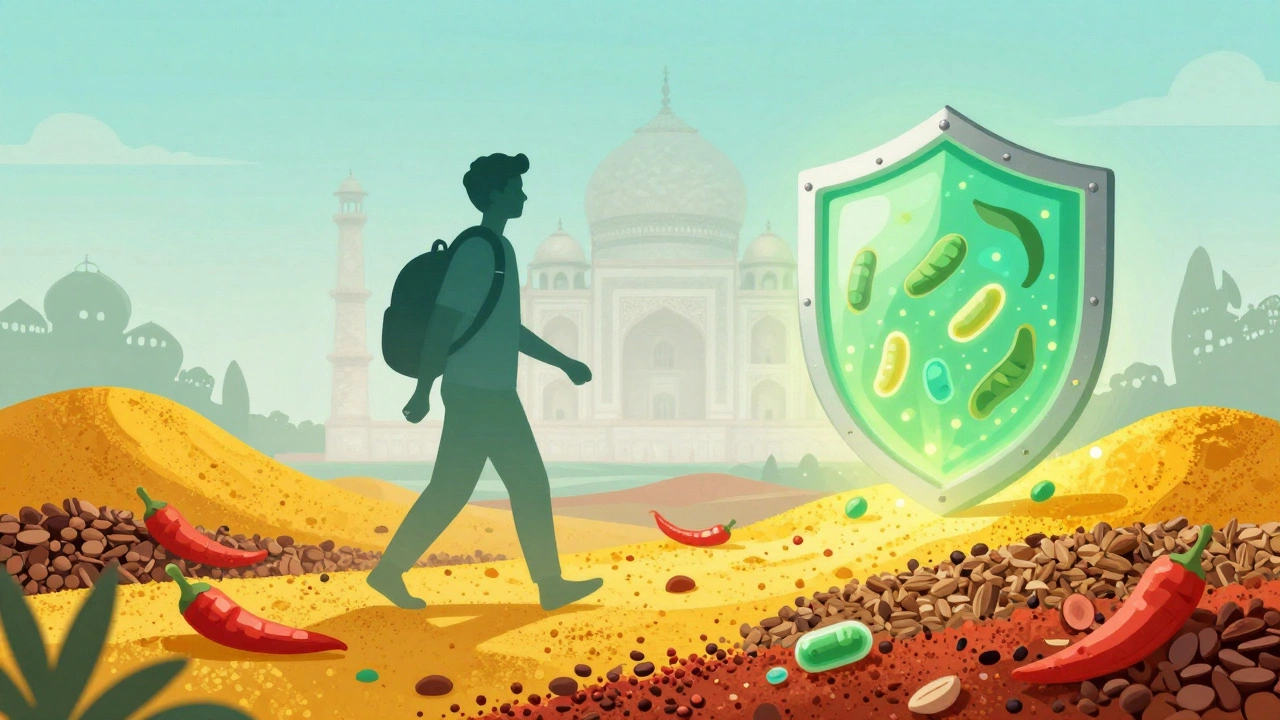
Spices are not just flavor enhancers in India; they are functional. Turmeric, cumin, coriander, and ginger have antimicrobial and anti-inflammatory properties. Traditional Indian cooking uses these spices generously, which actually helps protect against foodborne illnesses. Do not shy away from spicy food. In fact, capsaicin in chili peppers can stimulate digestion and kill certain bacteria. The issue is rarely the spice level itself, but rather the sudden introduction of heavy, oily, or unfamiliar ingredients to a sensitive stomach.
Start mild. If you are used to Western diets, jumping straight into rich, creamy korma or heavy paneer dishes might shock your system. Begin with lighter meals like dal tadka (tempered lentils) or khichdi (rice and lentil porridge). Khichdi is traditionally considered a healing food in India, often given to people recovering from illness. It is easy to digest and gentle on the gut.
Yogurt (dahi) is another powerhouse. Probiotics in yogurt help maintain healthy gut bacteria. Eating a bowl of plain yogurt with your meal can aid digestion and provide a buffer against harmful bacteria. Just ensure the yogurt is fresh and has been stored properly.
What to Do If You Get Sick
Despite your best efforts, you might still get sick. Traveler's diarrhea is common and usually resolves on its own within a few days. The primary danger is dehydration. At the first sign of symptoms, start rehydrating. Oral Rehydration Solution (ORS) is widely available in Indian pharmacies and is far more effective than sports drinks. It contains the right balance of salts and sugars to help your body absorb water quickly.
Rest is crucial. Your body needs energy to fight off the infection. Stick to bland, easy-to-digest foods like toast, bananas, rice, and applesauce (the BRAT diet) until your stomach settles. Avoid dairy, fatty foods, and caffeine during recovery. If symptoms persist for more than three days, include fever, blood in stool, or severe dehydration, seek medical attention immediately. India has excellent healthcare facilities in major cities, and many doctors speak English.
Preventative measures can also help. Some travelers take probiotics before and during their trip to bolster their gut health. Others consult their doctor about antibiotics for prophylaxis, though this is generally not recommended unless traveling to remote areas with limited medical access. Staying hydrated and maintaining good hand hygiene-washing hands with soap before every meal-are simple yet powerful tools.
Building Immunity Over Time
Most travelers find that after the first week or two, their stomach adjusts. This phenomenon is real. Your gut microbiome adapts to the new environment, becoming more resilient to local bacteria. By the second week, you can often eat a wider variety of foods with less risk. This doesn't mean you should let your guard down completely, but you can relax slightly. Try that chaat you avoided earlier. Sample the local specialties.
Embrace the rhythm of local eating. Indians often eat smaller, frequent meals rather than three large ones. This approach is easier on the digestive system, especially in hot weather. Observe what locals eat and follow their lead. If everyone is eating at a particular stall, join them. If a place looks closed or unpopular, move on.
Remember, the goal is not to live in a bubble of sterilized food. It is to enjoy the vibrant, diverse, and delicious cuisine of India safely. With a little knowledge and common sense, you can feast like a local without paying the price in discomfort. The flavors of India are worth the effort, and with these guidelines, you will be able to appreciate them fully.
Can I drink tap water in India?
No, you should never drink tap water in India. It is not treated to the same standards as in many Western countries and can contain bacteria and parasites that cause illness. Always drink bottled water, ensuring the seal is intact, or use water purification tablets/filters.
Is it safe to eat street food in India?
Yes, if you choose wisely. Stick to food that is cooked fresh and served hot, such as fried snacks, grilled meats, or freshly made dosas. Avoid raw ingredients, pre-cut fruits, and dishes with sauces that have been sitting out. High customer turnover is a good indicator of freshness and safety.
What should I do if I get traveler's diarrhea?
The most important step is to prevent dehydration. Drink Oral Rehydration Solution (ORS) available at local pharmacies. Rest and eat bland, easy-to-digest foods like rice, bananas, and toast. If symptoms are severe, last more than three days, or include fever/blood, seek medical attention immediately.
Are salads safe to eat in India?
Generally, no. Salads often contain raw vegetables that may have been washed in tap water, which can harbor harmful bacteria. Unless you are certain the vegetables were washed in purified water, it is safer to avoid salads and opt for cooked vegetables instead.
Does spicy food cause stomach problems in India?
Not necessarily. Spices like turmeric and ginger have antimicrobial properties. The issue is usually the sudden change in diet and oil content rather than the spice itself. Start with milder dishes and gradually increase spice levels as your stomach adjusts. Spicy food can actually aid digestion.
How long does it take for my stomach to adjust to Indian food?
Most travelers find that their stomachs begin to adjust after the first week or two. Your gut microbiome adapts to the local bacterial environment. During this initial period, stick to safe, cooked foods and gradually introduce more variety as your tolerance improves.