Indian Food Calorie & Weight Loss Checker
Select a dish to see the difference between traditional heavy preparations and healthier alternatives.
You’ve probably heard it before: "Indian food is too oily," or "You can’t lose weight eating curry." It’s a common belief, especially in Western countries where Indian cuisine is often associated with heavy cream sauces and deep-fried samosas. But here’s the thing-blaming the cuisine itself is like blaming Italian food because you ate three pizzas. The problem isn’t the spices; it’s how we cook them and what we pair them with.
If you’re trying to shed a few kilos but love your biryani and dosas, don’t panic. You don’t need to abandon your culture’s flavors to hit your fitness goals. In fact, many traditional Indian ingredients are scientifically proven to boost metabolism and reduce inflammation. The key is understanding which parts of the menu are helping you and which ones are secretly sabotaging your progress.
The Myth vs. The Reality of Indian Cuisine
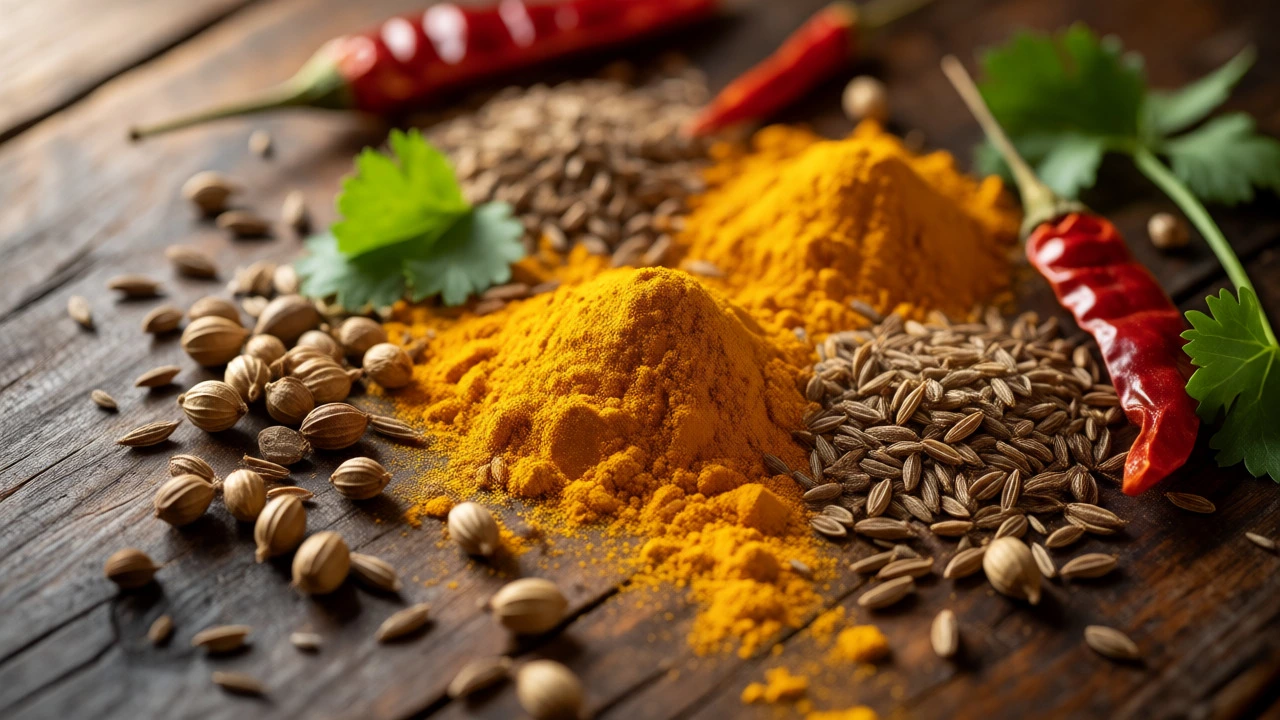
Let’s clear up the biggest misconception right away. Traditional Indian cooking, particularly from regions like Kerala or Punjab, wasn’t designed to be unhealthy. It was designed to preserve food in hot climates using turmeric, cumin, and coriander-ingredients with potent anti-inflammatory properties. According to research published in the Journal of Clinical Epidemiology, populations consuming high amounts of these spices often have lower rates of chronic disease.
So why does the reputation exist? It comes down to modern adaptation. When Indian restaurants abroad started catering to local palates, they increased butter, cream, and sugar content to make dishes richer and milder. A classic Butter Chicken served in London or New York might contain 30% more fat than its authentic counterpart in Delhi. That’s not the fault of the chicken; it’s the fault of the recipe modification.
Weight loss fundamentally relies on a caloric deficit, meaning you must burn more calories than you consume. No specific cuisine makes this impossible. However, some Indian dishes are calorie-dense by nature, while others are surprisingly light. Your job isn’t to cut out Indian food, but to curate your plate.
Key Ingredients That Actually Help You Lose Weight
Before we talk about what to avoid, let’s look at what works. Several staples in an Indian kitchen are actually powerful tools for weight management.
- Turmeric: Contains curcumin, which helps regulate blood sugar levels. Stable blood sugar means fewer cravings and less fat storage.
- Ginger and Garlic: These aren’t just flavor bombs; they are thermogenic, meaning they slightly increase your metabolic rate after eating.
- Lentils (Dal): High in protein and fiber. Protein keeps you full longer, reducing the urge to snack between meals.
- Yogurt (Dahi): Probiotics support gut health, which recent studies link directly to body weight regulation.
Think about a bowl of Moong Dal. It’s packed with plant-based protein, has minimal oil if cooked traditionally, and provides sustained energy. Compare that to a plate of fried pakoras, and you see the difference isn’t the ingredient-it’s the preparation method.
Healthy Indian Snacks That Won’t Derail Your Diet
Snacking is where most people fail. If you replace chips and cookies with smart Indian alternatives, you can satisfy cravings without blowing your daily calorie budget. Here are five healthy Indian snacks that fit perfectly into a weight-loss plan:
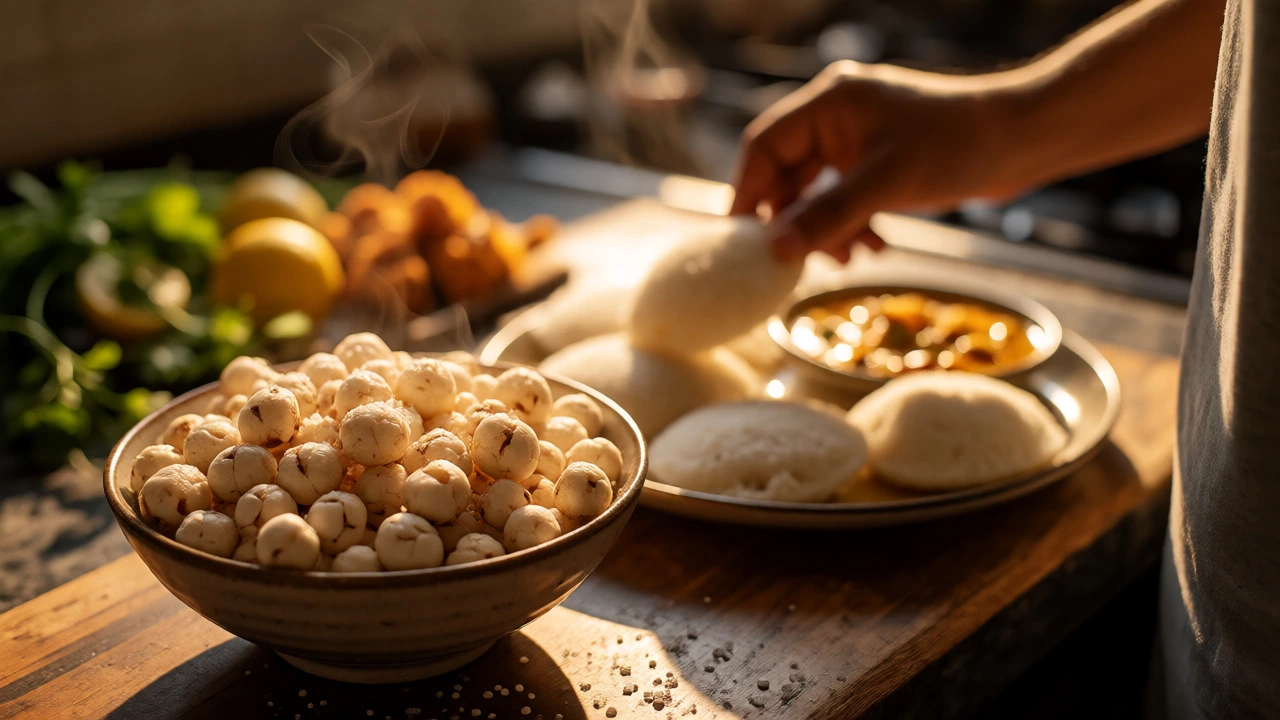
- Makhana (Fox Nuts): Roasted lightly with ghee and salt, these are crunchy, low-calorie, and high in calcium. A handful has roughly 100 calories, compared to 300+ for potato chips.
- Steamed Idlis: Made from fermented rice and lentil batter, idlis are steamed, not fried. They are easy to digest and provide complex carbs. Pair two small idlis with sambar instead of coconut chutney to keep calories low.
- Cucumber Raita: Instead of reaching for creamy dips, mix yogurt with grated cucumber, mint, and roasted cumin powder. It’s hydrating, probiotic-rich, and incredibly refreshing.
- Chana Chaat: Boiled chickpeas mixed with onions, tomatoes, lemon juice, and chaat masala. This is a protein-packed power snack that keeps hunger at bay for hours.
- Baked Dhokla: Traditionally steamed, but you can bake gram flour cakes with mustard seeds and curry leaves. They offer a savory, satisfying bite with significantly less oil than fried snacks.
Notice a pattern? None of these involve deep frying or heavy creams. They rely on fermentation, steaming, or roasting-methods that preserve nutrients while keeping calorie counts manageable.
Dishes to Watch Out For (And How to Fix Them)
You don’t have to ban your favorites, but you do need to modify them. Some classic dishes are calorie traps due to hidden fats and sugars.
| Dish | Traditional Prep (High Cal) | Modified Prep (Low Cal) | Why? |
|---|---|---|---|
| Paneer Tikka | Full-fat paneer marinated in cream | Low-fat paneer marinated in yogurt | Yogurt tenderizes without adding saturated fat. |
| Rajma Chawal | Heavy gravy, large portion of white rice | Light tomato-onion base, half portion brown rice | Reduces refined carbs and excess oil absorption. |
| Palak Paneer | Blended with cashews and cream | Stir-fried spinach with garlic, no nuts | Eliminates calorie-dense thickeners. |
| Samosa | Deep-fried pastry with potato filling | Baked samosa with vegetable filling | Absorbs significantly less oil during cooking. |
The takeaway here is simple: control the oil. One tablespoon of ghee adds about 120 calories. If you use two spoons per person, that’s nearly a whole meal’s worth of extra energy. Try measuring your oil instead of pouring it freely from the bottle.
Portion Control and Plate Composition
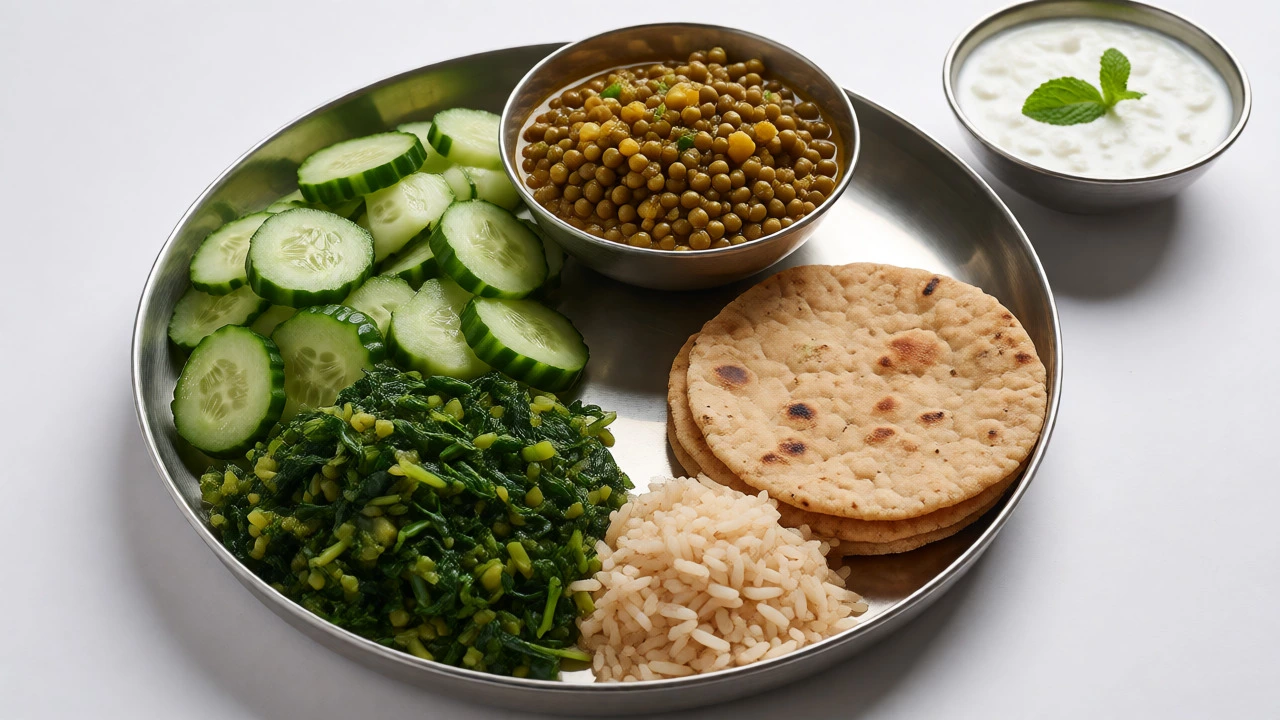
Even healthy food causes weight gain if you eat too much of it. The traditional Indian thali offers a perfect visual guide for portion control. Imagine dividing your plate into four sections:
- 50% Vegetables/Salad: Raw salad (kachumber) or cooked sabzi. This fills you up with fiber and water volume.
- 25% Protein: Dal, chicken tikka, fish, or paneer. Essential for muscle maintenance during weight loss.
- 25% Carbohydrates: Roti, rice, or quinoa. Keep this portion modest. Two small rotis are better than one giant paratha.
Many people skip the vegetables and double the rice. Flip that ratio. If you fill half your stomach with low-calorie veggies first, you’ll naturally eat less of the calorie-dense carbs and proteins.
The Role of Mindful Eating in Indian Culture
Indian culture emphasizes community and sharing, which is beautiful but can lead to overeating. We often eat quickly when surrounded by friends or family. Slow down. Use your hands to eat when appropriate-it forces you to be more deliberate with each bite. Put your spoon down between bites. Drink water before the meal, not during, to avoid diluting digestive enzymes and bloating.
Also, consider the timing. Heavy dinners late at night slow down metabolism. Try to finish your largest meal by 7 PM. If you’re hungry later, opt for a cup of herbal tea or a small piece of fruit rather than leftover curry.
Frequently Asked Questions
Is rice bad for weight loss in an Indian diet?
Not necessarily. White rice is calorie-dense and has a high glycemic index, which can spike blood sugar. However, portion control is key. Swapping white rice for brown rice, quinoa, or cauliflower rice can improve satiety and nutrient intake. Limiting rice to one fist-sized portion per meal allows you to enjoy it without hindering weight loss.
Can I eat sweets while losing weight?
Yes, but in moderation. Traditional Indian sweets like gulab jamun are high in sugar and fried dough. Opt for smaller portions or choose alternatives like date-based ladoos, yogurt-based shrikhand, or fresh fruit with cardamom. Save heavy sweets for special occasions rather than daily consumption.
Does spicy food help burn fat?
Spicy foods containing capsaicin (found in chili peppers) can temporarily boost metabolism and suppress appetite. However, the effect is minor and short-lived. It won’t compensate for a poor diet. Use spices for flavor and satisfaction, which helps you stick to a healthier eating plan long-term, rather than relying on them as a magic fat burner.
Is ghee good or bad for weight loss?
Ghee is pure fat, so it is calorie-dense. However, it contains conjugated linoleic acid (CLA), which some studies suggest may aid fat loss. The key is quantity. Using one teaspoon of ghee for flavor is fine; pouring it generously over dal or roti adds hundreds of unnecessary calories. Moderation is essential.
What are the best low-calorie Indian dinner options?
Opt for lighter dinners such as grilled tandoori chicken, steamed fish with green herbs, moong dal soup, or a large salad with chickpeas and paneer cubes. Avoid heavy gravies and fried breads at night. Pair these with a small portion of roti or no carb at all if you’re very active during the day.