Ancient Indian Dessert Heritage Guide
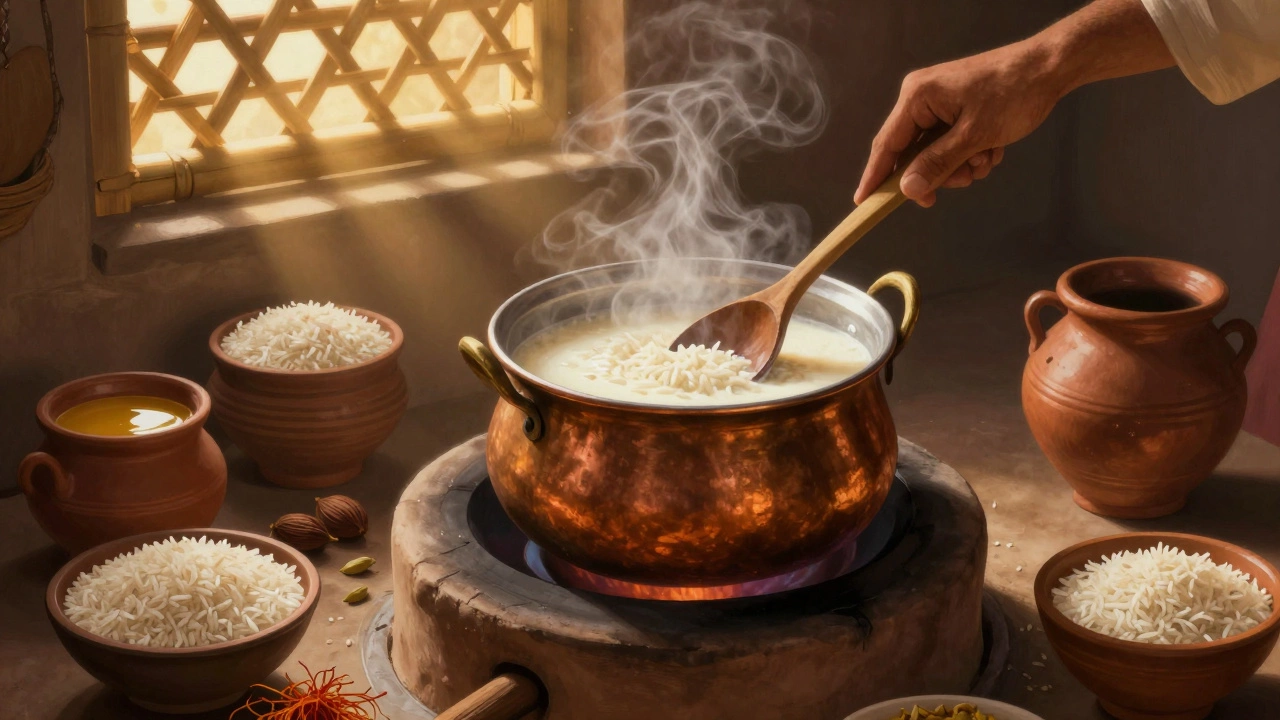
Imagine a kitchen in ancient Vedic India. There are no ovens, no electric mixers, and certainly no refrigerators. Yet, people were already crafting rich, comforting treats using milk, rice, ghee, and spices. If you ask what the oldest known dessert of India is, the answer isn't a single candy bar or cake. It is a category of food that has survived thousands of years: milk-based sweets, with Kheer (or Payasam) standing as the most enduring example.
We often think of sweets as modern indulgences, but in India, they are woven into the fabric of daily life and ritual. The roots go back to the Vedas, where milk was considered sacred. This deep cultural reverence shaped how Indians cook sweet things today. Understanding this history helps us appreciate why these recipes remain popular. They are not just food; they are heritage on a plate.
The Sacred Roots of Indian Sweets
To find the oldest dessert, we have to look at ingredients available before trade routes brought sugar cane widely. In the early Vedic period (around 1500 BCE), honey and jaggery were the primary sweeteners. However, the real star was milk. Cows were central to agrarian life, and their milk was used extensively in rituals and cooking.
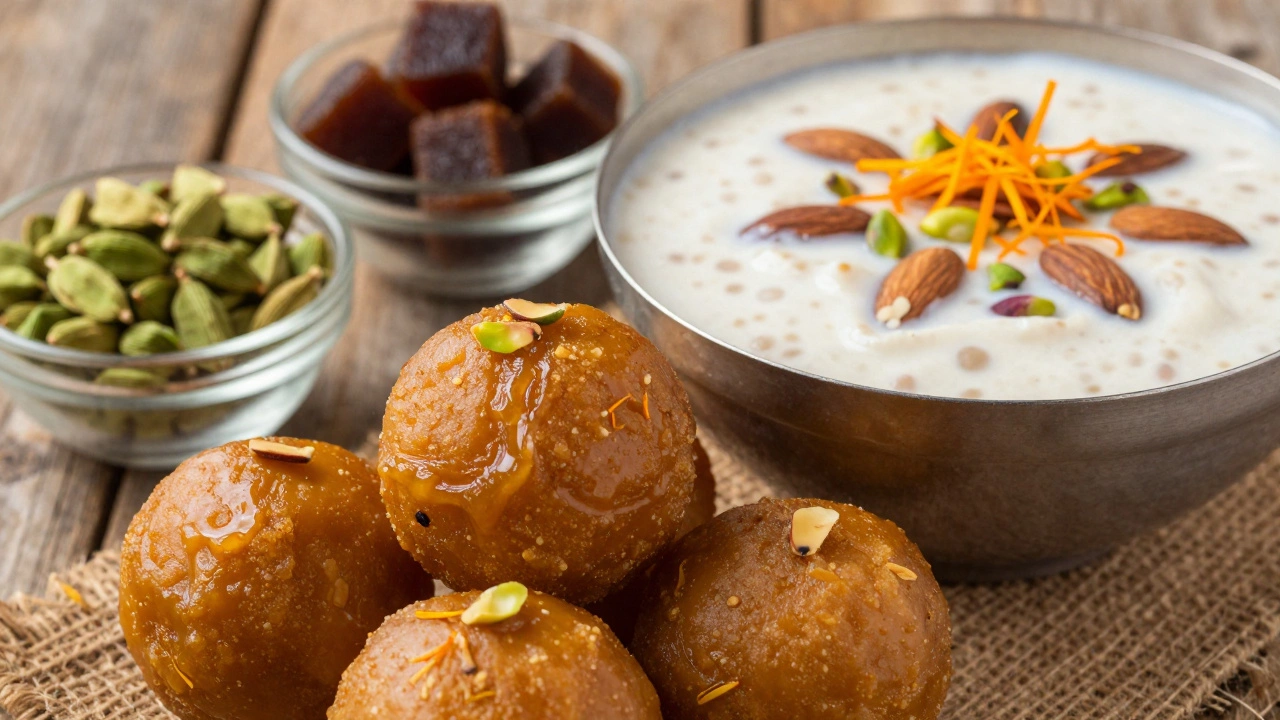
Kheer is a creamy pudding made by simmering rice in milk until thickened, then flavored with cardamom, saffron, and nuts. It appears in ancient texts like the Atharvaveda. The process is simple: reduce milk, add grain, stir constantly. This method requires patience, not technology. That simplicity is why it survived. While cakes require precise measurements and ovens, Kheer adapts to any stove and any pot.
Another contender for the title of "oldest" is Laddu. These spherical sweets are mentioned in the Mahabharata. They are essentially dense balls of flour, semolina, or chickpea flour bound with ghee and sweetener. Their shape symbolizes completeness and unity. You can still find Laddus in every temple festival across India today. The continuity from ancient scriptures to modern diwali celebrations is striking.
Key Ingredients That Defined Ancient Flavors
The flavor profile of ancient Indian desserts differs from what we might expect. Vanilla extract is a New World ingredient, unknown to ancient Indians. Instead, they relied on local botanicals.
- Ghee (Clarified Butter): More than just fat, ghee adds aroma and stability. It allows sweets to be stored longer without spoiling, which was crucial before refrigeration.
- Cardamom: Native to the Western Ghats, this spice provided a floral, camphor-like note that cut through the richness of milk and ghee.
- Saffron: Imported via trade routes, saffron added color and a distinct hay-like sweetness. It was a luxury ingredient, reserved for special occasions.
- Nuts: Almonds, pistachios, and cashews were used for texture and nutrition. They were often fried in ghee to enhance their flavor.
Sugar itself evolved. Early sweeteners included palm jaggery and honey. Refined white sugar came later with advancements in processing techniques. Today, many traditionalists prefer jaggery for its mineral content and deeper flavor, echoing ancient practices.
Kheer vs. Payasam: Regional Variations of an Ancient Classic
If Kheer is the northern name, Payasam is the southern equivalent. Both share the same DNA: milk, grain, and spice. But regional preferences create distinct identities.
| Feature | Northern Kheer | Southern Payasam |
|---|---|---|
| Primary Grain | Rice | Semolina (Rava), Vermicelli, or Rice |
| Milk Type | Full-fat cow milk | Often coconut milk or full-fat cow milk |
| Key Spices | Cardamom, Saffron | Cardamom, Nutmeg, sometimes cinnamon |
| Texture | Creamy, spoonable | Can be thicker or more liquid depending on occasion |
| Serving Context | Daily dessert, festivals | Temple offerings, weddings, religious ceremonies |
In South India, coconut milk is frequently used, especially in coastal regions. This gives Payasam a lighter, tropical taste compared to the heavy creaminess of North Indian Kheer. Some versions use vermicelli (sevai) instead of rice, adding a slight crunch. Despite these differences, the core technique remains identical: slow reduction of milk.
The Role of Sweets in Ritual and Daily Life
Indian sweets are rarely eaten alone. They are part of a social exchange. When you visit someone’s home, offering a sweet is a sign of respect. At weddings, sweets mark the union. During festivals like Diwali and Holi, specific sweets are prepared to honor deities.
This ritualistic aspect preserves old recipes. Families pass down methods orally. A grandmother teaches her granddaughter how to know when the milk has reduced enough by watching the bubbles. This tactile knowledge is hard to capture in written instructions but essential for authenticity.
Consider Peda, a fudge-like sweet made from chenna (cottage cheese). Originating in Mathura, Peda is offered to Lord Krishna. Its preparation involves curdling milk, draining the whey, and kneading the solids with sugar and cardamom. This process dates back centuries and remains largely unchanged. The reliance on fresh milk means quality varies by region, creating unique local tastes.
How to Make Traditional Kheer at Home
You don’t need ancient tools to make this historic dessert. Modern kitchens can replicate the results if you follow the traditional principles. Here is a simple guide to making authentic Kheer.
- Choose Full-Fat Milk: Skimmed milk will not thicken properly. Use 1 liter of whole milk for best results.
- Wash the Rice: Use 2 tablespoons of short-grain rice. Rinse it well to remove excess starch, which prevents clumping.
- Simmer Slowly: Pour milk into a heavy-bottomed pan. Bring to a boil, then reduce heat to low. Stir occasionally to prevent scorching.
- Add Rice: Once milk reduces slightly, add the rice. Cook until the rice is soft and the mixture thickens. This takes about 30-40 minutes.
- Sweeten: Add sugar or jaggery to taste. Remember, it should be slightly sweeter than desired because cooling intensifies sweetness.
- Flavor: Stir in crushed cardamom pods and a pinch of saffron soaked in warm milk. Garnish with slivered almonds and pistachios.
The key is patience. Rushing the process leads to a watery consistency. Let the milk evaporate naturally. The final product should coat the back of a spoon.
Modern Adaptations and Health Considerations
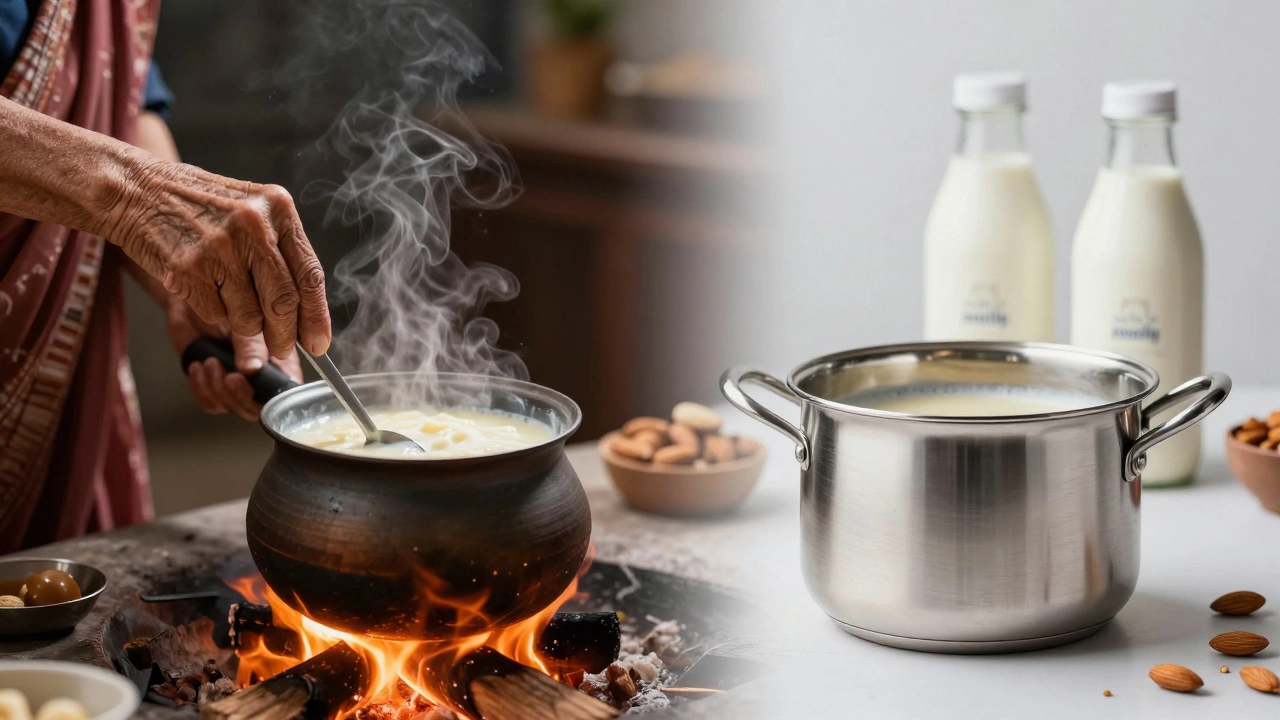
Today, health-conscious consumers are reimagining ancient sweets. Traditional Kheer is high in calories due to full-fat milk and sugar. Modern twists include using almond milk, reducing sugar, or substituting jaggery for refined sugar. Some chefs experiment with quinoa or oats instead of rice for added fiber.
However, purists argue that altering the base ingredients changes the essence of the dish. The richness of full-fat milk is integral to the experience. Finding a balance between tradition and modern dietary needs is an ongoing conversation in Indian cuisine.
Another trend is fusion desserts. Chefs combine Kheer with chocolate, coffee, or fruit purees. While innovative, these variations move away from the historical roots. For those seeking authenticity, sticking to the classic trio of milk, rice, and cardamom is best.
Preserving Culinary Heritage
As globalization homogenizes diets, preserving traditional Indian sweets becomes vital. These recipes carry stories of migration, trade, and spirituality. Every bite of Kheer connects you to thousands of years of culinary evolution.
Supporting local artisans who make handmade sweets helps sustain these traditions. Many small businesses continue to use copper pots and wood fires, claiming it enhances flavor. Whether scientifically proven or not, the effort reflects a commitment to heritage.
Understanding the oldest known dessert of India is not just about trivia. It is about recognizing how food shapes culture. From Vedic rituals to modern dinner tables, Indian sweets endure because they offer comfort, community, and continuity.
Is Kheer really the oldest Indian dessert?
While pinpointing a single "oldest" dessert is difficult, Kheer (and its variants like Payasam) is among the earliest documented. References appear in ancient Vedic texts, indicating its presence over 3,000 years ago. Its simplicity and reliance on basic ingredients like milk and rice contributed to its longevity.
What is the difference between Kheer and Payasam?
Both are milk-based puddings, but regional differences exist. Kheer is typically associated with North India and uses rice. Payasam is common in South India and may use semolina, vermicelli, or coconut milk. Flavor profiles also vary, with Payasam often featuring nutmeg and coconut notes.
Can I make Kheer without dairy?
Yes, modern adaptations use plant-based milks like almond, soy, or oat milk. However, traditional Kheer relies on the fat content of cow's milk for thickness and richness. Non-dairy versions may require thickeners like cornstarch to achieve a similar consistency.
Why is ghee important in Indian sweets?
Ghee provides flavor, aroma, and preservation. Historically, it allowed sweets to last longer without refrigeration. Culturally, it is considered pure and auspicious, enhancing the spiritual significance of offerings and festive foods.
Are there vegan options for ancient Indian sweets?
Many traditional sweets are vegetarian but not vegan due to milk and ghee. However, some sweets like certain types of Laddu made with flour and jaggery can be adapted to be vegan by omitting ghee or using oil. Pure vegan traditions exist in some regional cuisines, focusing on fruits, nuts, and grains.