Whey Safety & Nutrition Calculator
Whey Safety Assessment
Check if your homemade paneer whey is safe to drink based on your preparation and storage conditions.
Nutritional Value Calculator
Calculate the nutritional content of your whey consumption.
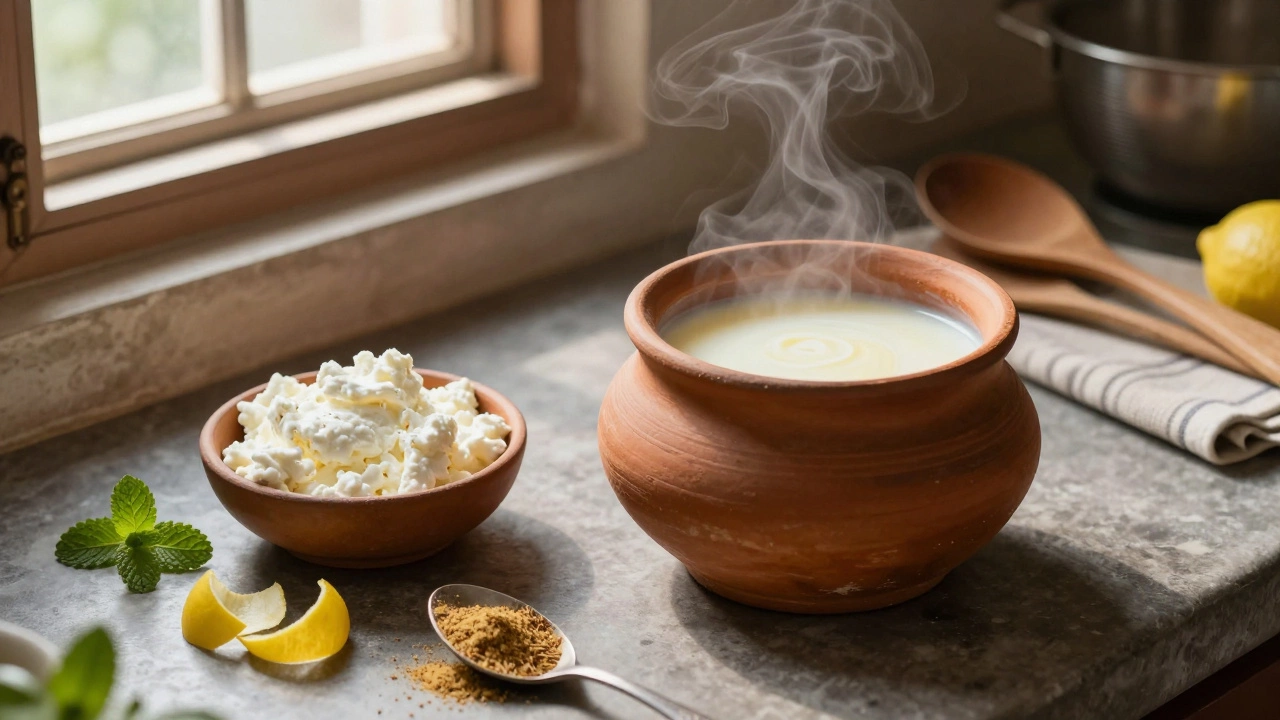
When you make paneer at home, you end up with a big pot of leftover liquid. It’s milky, a little tangy, and smells like fresh dairy. You might think, Can I just drink this? The answer isn’t a simple yes or no-it’s more like, yes, but here’s how to do it right.
What exactly is paneer whey?
Paneer is made by heating milk and adding an acid-lemon juice, vinegar, or yogurt-to separate the curds from the liquid. The curds become your paneer. The liquid left behind? That’s whey. It’s not waste. It’s the watery part of milk that still holds protein, lactose, minerals, and live cultures if you used yogurt to curdle it.
Whey from paneer is different from commercial whey protein powder. It’s not concentrated. It’s thin, pale, and packed with nutrients your body can use right away. In India, this liquid is called chhachh or mattha in some regions. People drink it diluted with water, salted, and spiced with cumin or mint. It’s a traditional cooling drink, especially in summer.
Is it safe to drink?
Yes-if you made it cleanly.
If you used fresh, pasteurized milk and clean utensils, the whey is safe to drink within 24-48 hours if refrigerated. It’s naturally acidic from the lemon or vinegar you added, which helps keep bad bacteria out. But if your milk was old, your pot wasn’t washed well, or you left the whey out overnight? Don’t risk it. Spoiled whey smells sour beyond tangy-like spoiled yogurt mixed with rotten eggs. If it’s fizzy or has mold, throw it out.
People in rural India and Nepal have been drinking whey for centuries. It’s not a fad. It’s practical. But modern kitchens aren’t always as clean as village setups. So, if you’re new to making paneer, start small. Make a cup of whey, chill it, and taste it. If it’s clean and bright, you’re good.
What’s in paneer whey?
Here’s what you’re actually getting when you drink it:
- Protein: About 0.5-0.7 grams per 100 ml. Not as much as whey protein powder, but still useful.
- Lactose: Most of the milk sugar stays here. If you’re lactose intolerant, this might upset your stomach.
- Calcium: Around 100-120 mg per cup-about 10% of your daily need.
- B vitamins: B2 and B12, which help with energy and nerve function.
- Live cultures: If you used yogurt to make paneer, you’re drinking probiotics. Good for gut health.
Compare that to a glass of milk: whey has less fat and fewer calories, but similar minerals and a bit less protein. It’s lighter, easier to digest, and often less bloating than whole milk.
How to make it taste good
Plain whey tastes like watery milk with a lemony kick. Not everyone loves it straight. Here’s how to make it enjoyable:
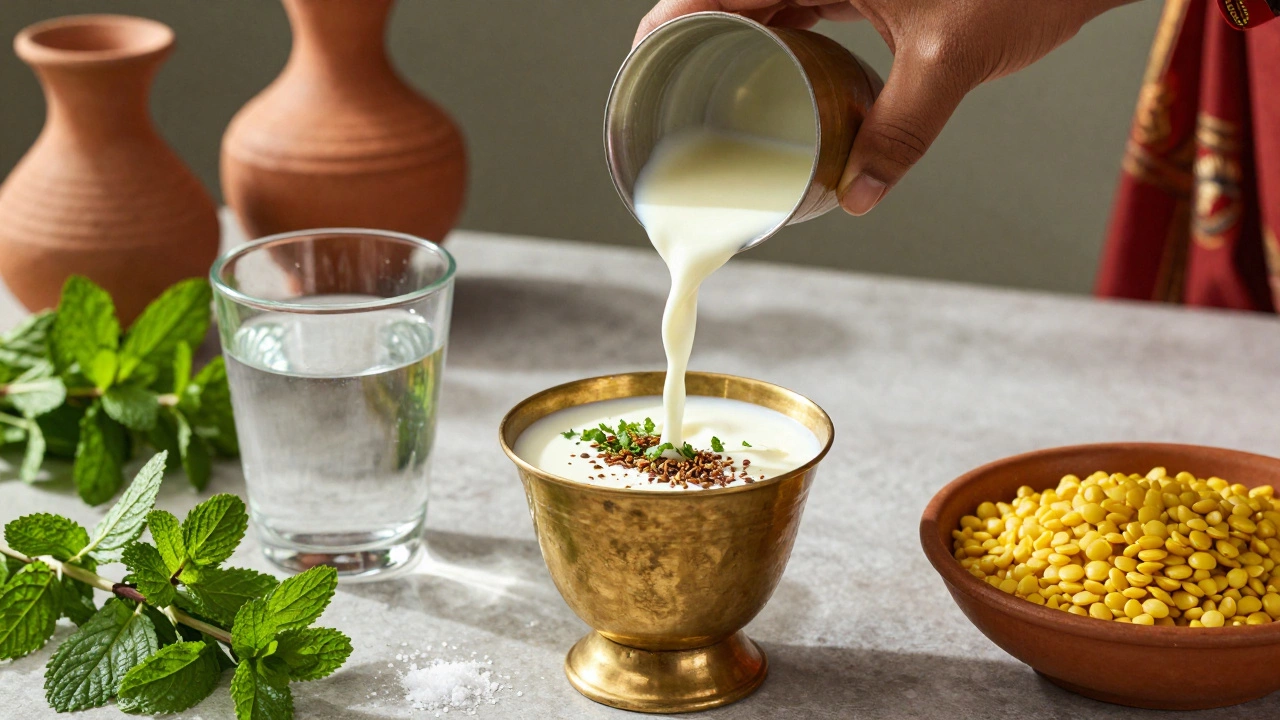
- Classic Indian chhachh: Mix 1 cup whey with ½ cup water. Add a pinch of salt, a quarter teaspoon of roasted cumin powder, and a few chopped mint leaves. Chill for an hour. Refreshing on a hot day.
- Spiced whey: Add a tiny bit of black salt (kala namak), a pinch of black pepper, and a squeeze of lime. It’s like a digestive tonic.
- Smoothie base: Blend whey with banana, a spoon of peanut butter, and a dash of cinnamon. It thickens nicely and gives you a protein boost without dairy overload.
- For baking: Swap whey for water or milk in bread, pancakes, or muffins. It adds moisture and a slight tang that improves texture.
Don’t boil whey. Heat it gently if you want to warm it, but boiling destroys the probiotics and makes it bitter. Keep it cool, keep it fresh.
Who shouldn’t drink it?
Not everyone should sip whey without thinking.
- Lactose intolerant people: Whey still has lactose. You might get gas or cramps. Try a small sip first.
- People with kidney issues: Whey is high in potassium and phosphorus. If you’re on a renal diet, talk to your doctor before drinking it regularly.
- Diabetics: It has natural sugars. Monitor your blood sugar if you drink it often.
- Infants: Never give whey to babies under 12 months. Their digestive systems can’t handle it.
If you’re healthy and active, drinking a glass a day is fine. Many athletes in India use whey as a post-workout drink. It’s cheap, natural, and doesn’t come in a plastic tub with a label you can’t read.
What else can you do with it?
Drinking it is just the start. Here are other smart uses:
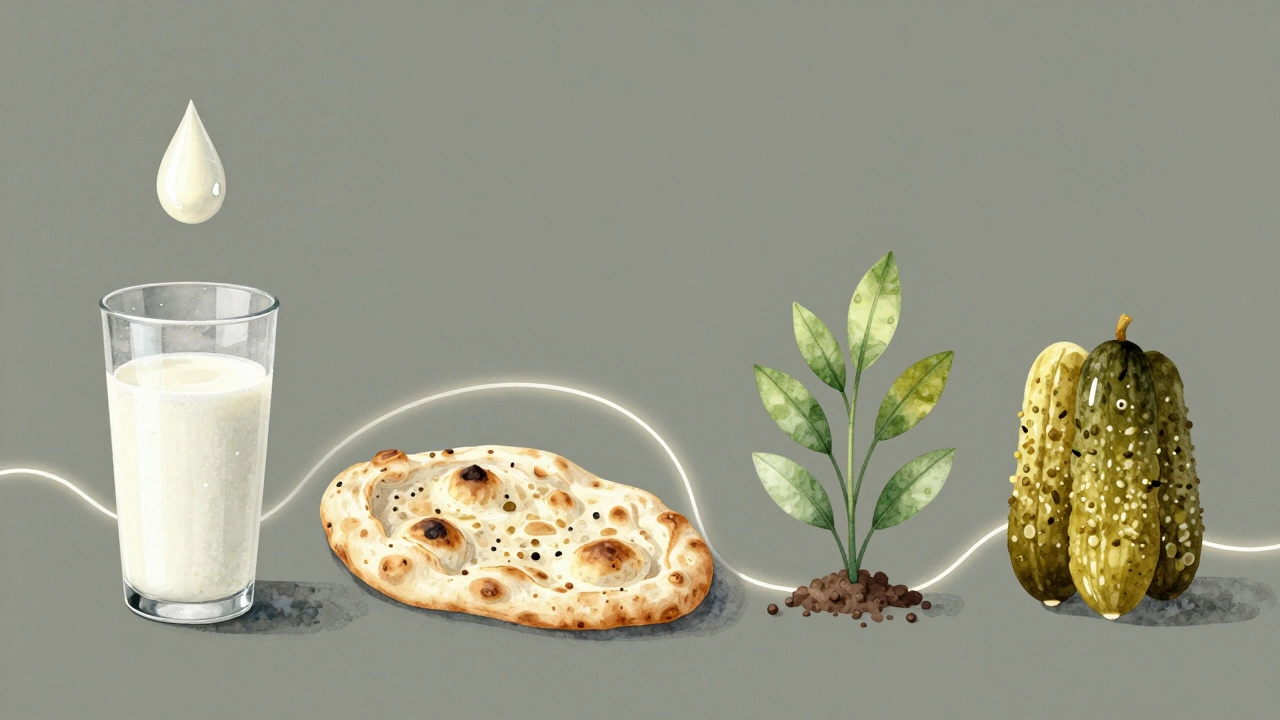
- Watering plants: Dilute it 1:5 with water. It’s a gentle fertilizer rich in nitrogen.
- Soaking lentils or rice: Adds acidity that helps break down phytic acid, making nutrients more absorbable.
- Marinating chicken or tofu: The acidity tenderizes meat and adds flavor without oil.
- Making fermented drinks: Use it as a starter for lacto-fermented vegetables like pickles or sauerkraut.
Don’t pour it down the drain. That’s like throwing away half the nutrition from your milk. Every drop counts.
How long does it last?
Store whey in a clean, sealed glass jar in the fridge. It keeps for:
- 2 days: Best for drinking.
- 5-7 days: Still safe for cooking or fermenting.
- After a week: Smell and taste it. If it’s overly sour, fizzy, or smells off, toss it.
Freezing works too. Pour it into ice cube trays. Use frozen whey cubes in smoothies or soups later.
Real-life example: My kitchen, Wellington
Last month, I made paneer for a curry using full-fat milk and lemon juice. I saved the whey. The next morning, I mixed it with cold water, a pinch of salt, and crushed coriander. I drank it with my toast. It didn’t replace coffee, but it gave me a clean, light start to the day. No bloating. No crash. Just quiet energy.
I’ve since used whey to soak my overnight oats. The oats softened faster and tasted richer. I’ve even used it to make naan-my bread is softer now, and I don’t need as much oil.
It’s not magic. It’s just smart cooking.
Can I drink whey from store-bought paneer?
No. Store-bought paneer is usually pressed under heavy weights and washed with water to remove acidity. The whey is often discarded or not collected at all. Even if you find liquid with it, it’s likely been treated with preservatives or stabilizers. Homemade whey is fresher, cleaner, and more nutritious.
Does drinking whey help with weight loss?
It can help, but not because it’s a magic fat-burner. Whey is low in calories and keeps you full longer than plain water. If you swap sugary drinks for spiced whey, you’ll cut sugar and calories. It also supports muscle retention during weight loss, thanks to its protein content. But it’s not a replacement for balanced meals.
Is paneer whey the same as whey protein powder?
No. Whey protein powder is concentrated, filtered, and dried. It’s made to deliver 20-30 grams of protein per scoop. Paneer whey has less than 1 gram per 100 ml. It’s a whole food, not a supplement. You get fewer grams of protein, but you also get probiotics, vitamins, and minerals that processed powders lose.
Can I use whey to make more paneer?
Not really. Once you’ve strained the curds, the milk proteins are mostly gone. You can’t re-curdle whey into more paneer. But you can use it to make soft cheeses like ricotta-by heating it and adding a little more acid. It won’t be paneer, but it’ll still be tasty.
Why does my whey smell funny after a day?
It’s fermenting. That’s normal if you used yogurt to make the paneer. The good bacteria keep working. A mild sour smell is fine. But if it smells like rotten milk, vinegar, or has bubbles or mold, it’s gone bad. Always trust your nose. If it makes you wrinkle your face, don’t drink it.
Final thought: Don’t waste the liquid
When you make paneer, you’re not just making cheese. You’re unlocking the full value of milk. Throwing away the whey is like eating half a mango and tossing the rest. It’s not just about saving money-it’s about respecting the food you’re using.
Drink it. Cook with it. Water your plants with it. Use it to make your bread better. It’s simple, it’s traditional, and it’s right in front of you after every batch. You don’t need a fancy supplement or a health trend. You just need to pay attention.