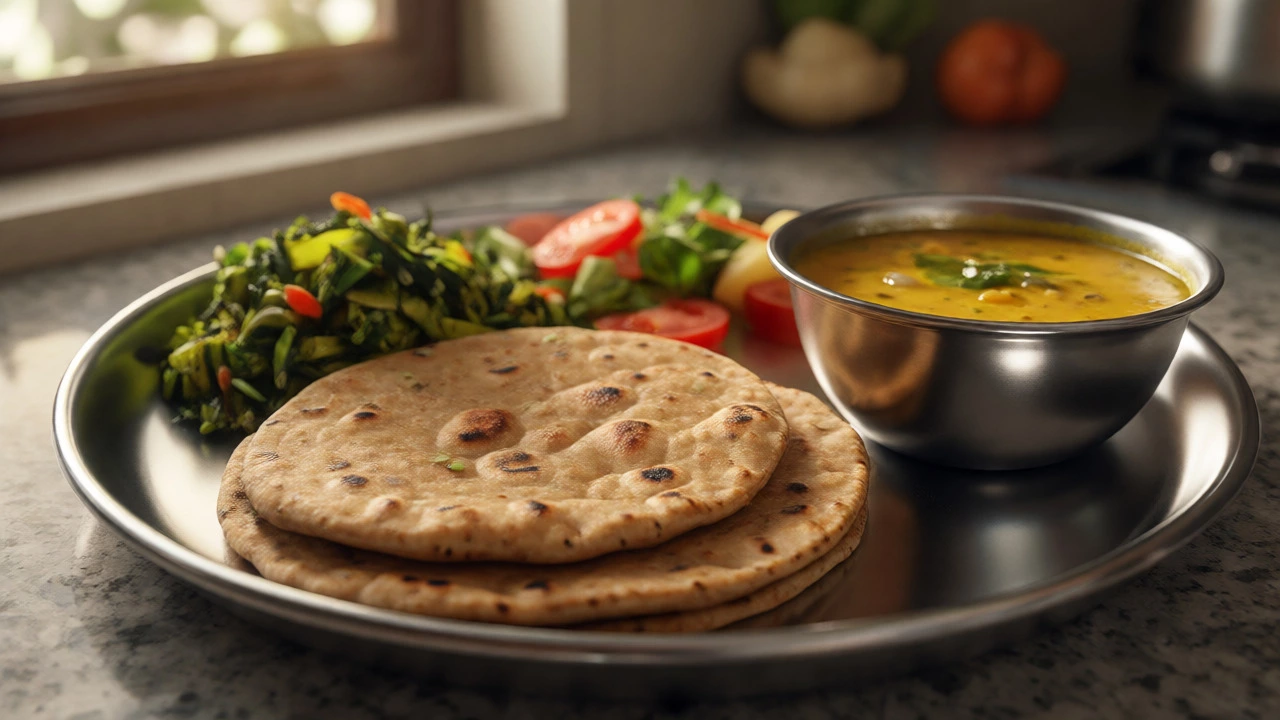
Chapati Portion Calculator for Belly Fat Loss
Enter your daily calorie target and activity level to find out how many medium-sized chapatis fit into your weight loss plan without leaving you hungry.
You’re staring at your plate, wondering if that third chapati is secretly sabotaging your waistline. It’s a common dilemma for anyone trying to shed stubborn abdominal weight while keeping their traditional staples on the menu. The truth? You don’t have to banish chapatis to lose belly fat. But you do need to get the math right.
Belly fat isn’t just about what you eat; it’s about how much energy you burn versus how much you consume. Chapatis are often blamed because they are carbohydrates, but they also provide fiber and satiety. The key lies in portion control and context. Let’s break down exactly how many chapatis fit into a fat-loss plan without leaving you hungry or miserable.
The Calorie Math Behind Your Roti
To understand the limit, we first need to look at the numbers. A standard homemade medium-sized chapati (about 45-50 grams) contains roughly 100 to 120 calories. This varies based on the amount of oil or ghee used during cooking and the thickness of the dough.
If your goal is weight loss, you generally need a calorie deficit. For an average adult, this might mean consuming 1,500 to 1,800 calories a day, depending on height, weight, and activity level. If you eat six chapatis a day, that’s 600 to 720 calories just from bread. That leaves less room for protein, vegetables, and healthy fats, which are crucial for muscle maintenance and metabolic health.
| Chapati Size | Weight (Approx.) | Calories (Plain) | Calories (With Ghee) |
|---|---|---|---|
| Small (Katori size) | 30g | 70 kcal | 90 kcal |
| Medium (Standard) | 45-50g | 100-120 kcal | 130-150 kcal |
| Large (Restaurant style) | 70-80g | 150-180 kcal | 190-220 kcal |
Notice how quickly the calories add up when you switch to larger sizes or add ghee. A single tablespoon of ghee can add 100 calories. If you’re eating three large rotis with ghee, you’ve already hit 600+ calories before touching any other food. This is why measuring your intake matters more than guessing.
Why Carbs Aren’t the Enemy
Many people jump on the low-carb bandwagon thinking it’s the only way to flatten their stomach. But whole wheat chapatis are not refined white flour products. They contain fiber, which slows down digestion and prevents blood sugar spikes. When your blood sugar stays stable, your body is less likely to store excess energy as visceral fat around your organs.
Visceral fat is the dangerous kind linked to heart disease and type 2 diabetes. It responds well to dietary changes that improve insulin sensitivity. Eating moderate amounts of complex carbs like whole grain roti, paired with protein and fiber, actually helps regulate insulin levels better than skipping meals or eating sugary snacks.
The Magic Number: How Many Should You Eat?
So, what’s the sweet spot? For most adults aiming for steady weight loss, two to three medium-sized chapatis per meal is a sustainable target. If you eat two meals a day that include chapatis, that’s four to six total per day. If you eat three meals, aim for one to two per meal, totaling three to five daily.
This range allows you to stay within a reasonable carbohydrate budget while still feeling full. Here’s a simple rule of thumb: Fill half your plate with non-starchy vegetables, one-quarter with lean protein, and the remaining quarter with chapatis. This visual guide works better than counting every gram.
- Sedentary lifestyle: Limit to 2-3 chapatis per day total.
- Moderately active (walking, light gym): 3-5 chapatis per day.
- Highly active (heavy lifting, running): 5-7 chapatis per day may be appropriate.
Listen to your body. If you’re constantly hungry after two chapatis, you might need more protein, not more bread. Protein takes longer to digest and keeps you satiated for hours.
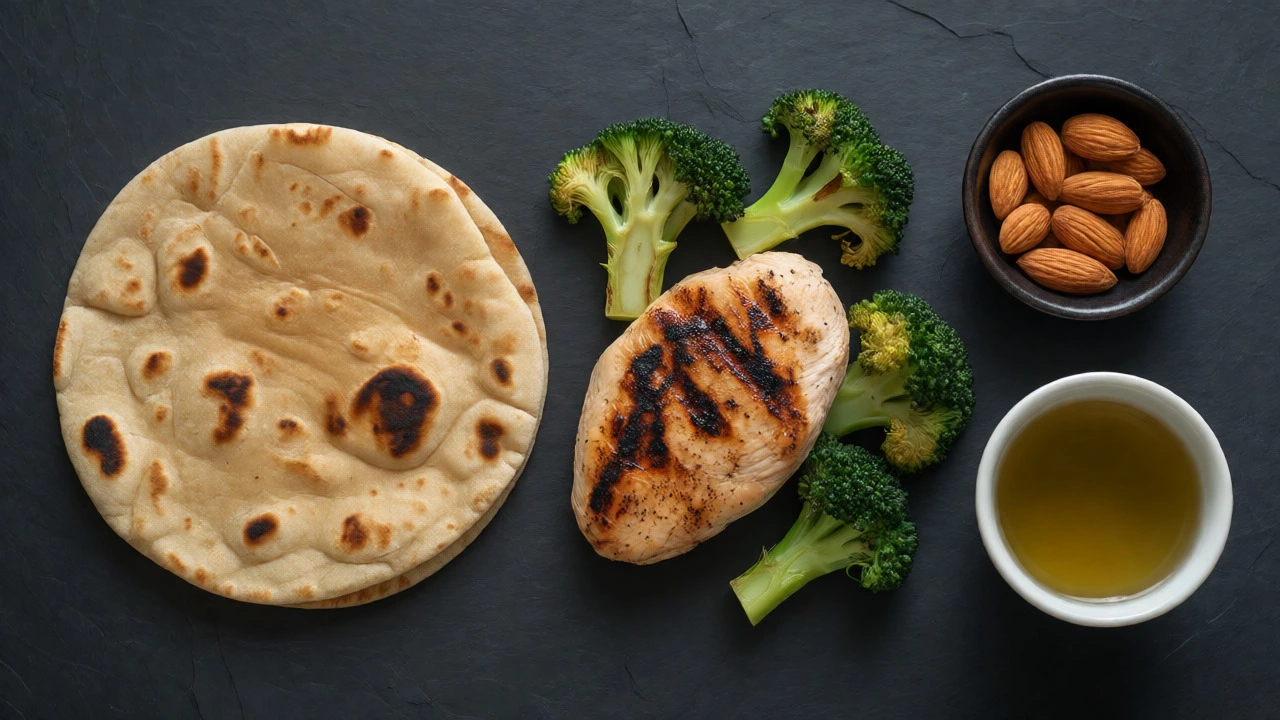
It’s Not Just About Quantity
Eating the "right" number of chapatis won’t help if the rest of your diet is off. Pairing your roti with heavy curries loaded with cream, butter, or excessive oil negates the benefits of choosing whole grains. Instead, pair your chapatis with lentil soups (dals), grilled chicken, fish, or vegetable stir-fries.
Consider the glycemic load. White rice has a higher glycemic index than whole wheat chapati. Swapping rice for chapatis can sometimes aid weight loss simply because the fiber content reduces overall calorie consumption naturally-you feel fuller faster. However, if you make your chapatis with maida (refined flour) instead of atta (whole wheat), you lose that advantage. Stick to 100% whole wheat flour.
Common Mistakes That Stall Fat Loss
People often sabotage their progress by hiding calories in plain sight. Here are the usual suspects:
- Hidden Oils: Brushing each side of the roti with ghee adds up fast. Try dry roasting or using a non-stick pan with minimal oil.
- Portion Creep: "One more" becomes three more. Use a fixed-size plate to control portions visually.
- Liquid Calories: Drinking sugary chai or lassi alongside your chapatis adds hundreds of empty calories.
- Nighttime Snacking: Eating heavy carb-heavy dinners late at night can slow metabolism. Keep dinner lighter and earlier.
Also, beware of "healthy" alternatives that aren’t. Multigrain rotis sound good, but check the label. Some commercial brands mix in refined flours or preservatives that spike blood sugar just like white bread.

Sample Daily Plan for Belly Fat Reduction
Let’s put this into practice. Here’s a realistic day that includes chapatis but prioritizes fat loss.
Breakfast: Two eggs scrambled with spinach and mushrooms. No bread here, or perhaps one small katori-sized roti if you prefer savory breakfasts. Total: ~300 calories.
Lunch: One bowl of dal, a large serving of mixed vegetable sabzi (cooked with minimal oil), salad, and two medium chapatis. Total: ~500-600 calories.
Snack: A handful of almonds or a cup of green tea. Total: ~100-150 calories.
Dinner: Grilled chicken breast or paneer tikka, sautéed broccoli, and one medium chapati. Total: ~400-500 calories.
Total daily chapatis: Three. Total calories: ~1,400-1,600. This creates a deficit for most people without feeling restrictive.
Tips for Making Healthier Chapatis
You can optimize your roti further. Adding psyllium husk or methi seeds to the dough increases fiber content, which improves gut health and satiety. Using a tawa (griddle) with less oil reduces fat intake significantly. Some people even use cauliflower flour mixed with whole wheat to lower the carb count per piece.
Remember, consistency beats perfection. Missing your target by one chapati occasionally won’t ruin your progress. But making it a daily habit of overeating will.
Are chapatis worse than rice for belly fat?
Not necessarily. Whole wheat chapatis generally have more fiber and a lower glycemic index than white rice, which can help with satiety and blood sugar control. However, portion size matters most. Overeating either can lead to weight gain.
Can I eat chapatis at night?
Yes, but keep the portion small. One chapati at dinner is fine if it fits your daily calorie limit. Avoid heavy, oily accompaniments late at night to prevent digestive discomfort and potential fat storage.
Does removing chapatis completely speed up weight loss?
It can create a larger calorie deficit quickly, but it’s often unsustainable long-term. Cutting out entire food groups can lead to binge eating later. Moderation usually yields better long-term results than elimination.
Is multigrain roti better than whole wheat?
Sometimes. True multigrain rotis with high fiber content can be beneficial. However, many store-bought versions contain refined flour. Always check ingredients for whole grains and avoid added sugars or preservatives.
How does exercise affect my chapati allowance?
If you engage in intense physical activity, your body needs more fuel. You can safely increase your chapati intake by 1-2 pieces on workout days to support energy levels and recovery without hindering fat loss.