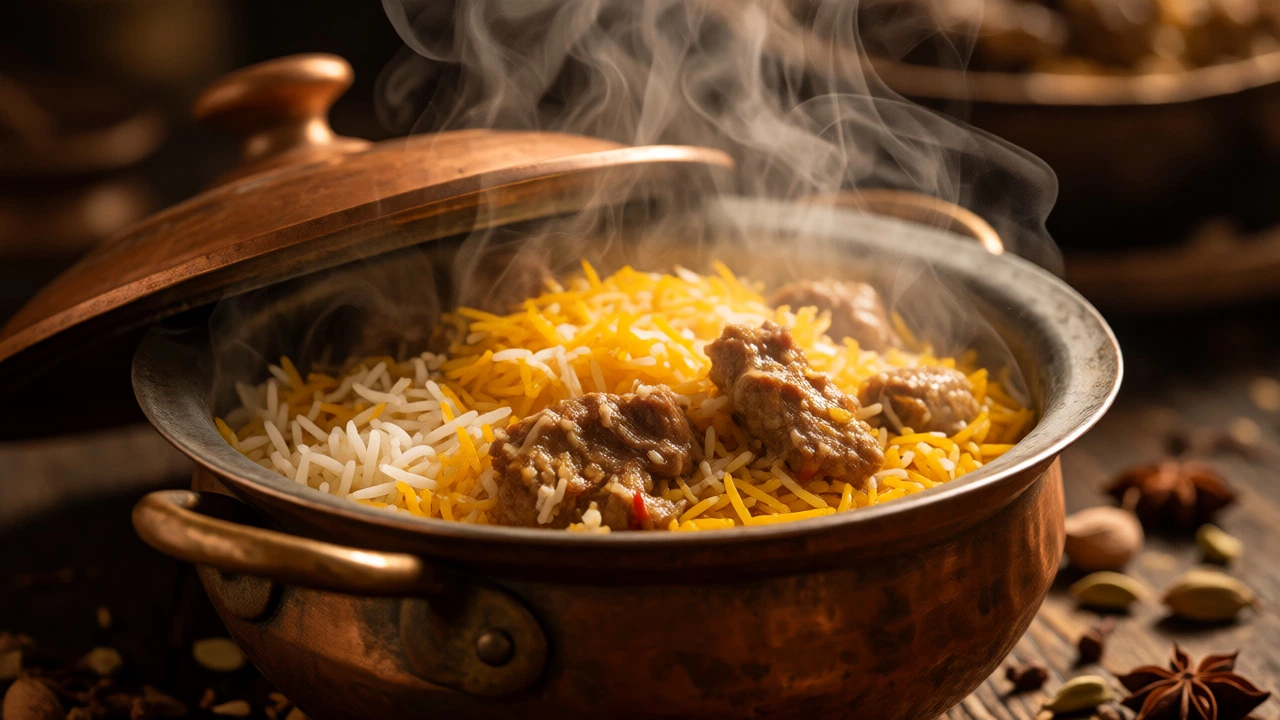
Biryani Halal Checker
Select the ingredients used in your Biryani to see if it meets Halal standards according to general Islamic guidelines.
You might think Biryani is just a spicy rice dish with chicken or lamb. But for millions of Muslims, it’s way more than that. It’s a symbol of hospitality, a centerpiece at weddings, and a comfort food that connects people to their heritage. If you’ve ever wondered why this specific dish holds such a special place in Muslim communities, the answer isn’t just about taste. It’s about history, religion, and community.
Let’s clear up a common misconception first: Islam doesn’t command Muslims to eat biryani. You won’t find a verse in the Quran saying, "Thou shalt consume layered rice." So why is it everywhere from Eid feasts in London to Friday dinners in Jakarta? Because food is language. And for many Muslims, biryani speaks volumes.
The Historical Journey of Biryani
To understand why Muslims love biryani, you have to look at where it came from. Most food historians trace its roots to the Persian word birian, meaning "fried before cooking," or birinj, the Persian word for rice. When the Mughal Empire expanded into the Indian subcontinent, they brought their culinary traditions with them. The Mughals were patrons of art, architecture, and, crucially, food.
The dish evolved as it traveled. In the royal kitchens of Delhi and Lucknow, cooks experimented with layering marinated meat and parboiled rice, sealing the pot (a technique called dum pukht) to steam everything together. This method wasn’t just about flavor; it was efficient. It allowed large quantities of food to be cooked evenly without constant stirring. As Islam spread across South Asia, Southeast Asia, and the Middle East, so did this rich, aromatic rice dish. It became a staple not because it was religiously mandated, but because it was culturally adopted by the communities that embraced Islam.
Halal Compliance and Dietary Laws
One of the biggest reasons biryani fits seamlessly into Muslim life is its compatibility with Halal dietary laws. Halal refers to what is permissible under Islamic law, particularly regarding food preparation. For meat to be halal, the animal must be slaughtered in a specific way, invoking the name of God, and all blood must be drained. Pork and alcohol are strictly forbidden (haram).
Biryani is naturally suited to these rules. It typically features goat, lamb, chicken, or beef-all meats that can be prepared halal. Unlike some Western dishes that might use wine in sauces or pork fat for frying, traditional biryani relies on ghee (clarified butter), yogurt, and spices like cardamom, cloves, and saffron. These ingredients are inherently halal. This makes biryani a "safe" choice for Muslims who need to ensure every ingredient meets religious standards without having to constantly check labels or ask questions at restaurants. It’s a dish where faith and flavor don’t clash.
The Role of Hospitality and Community
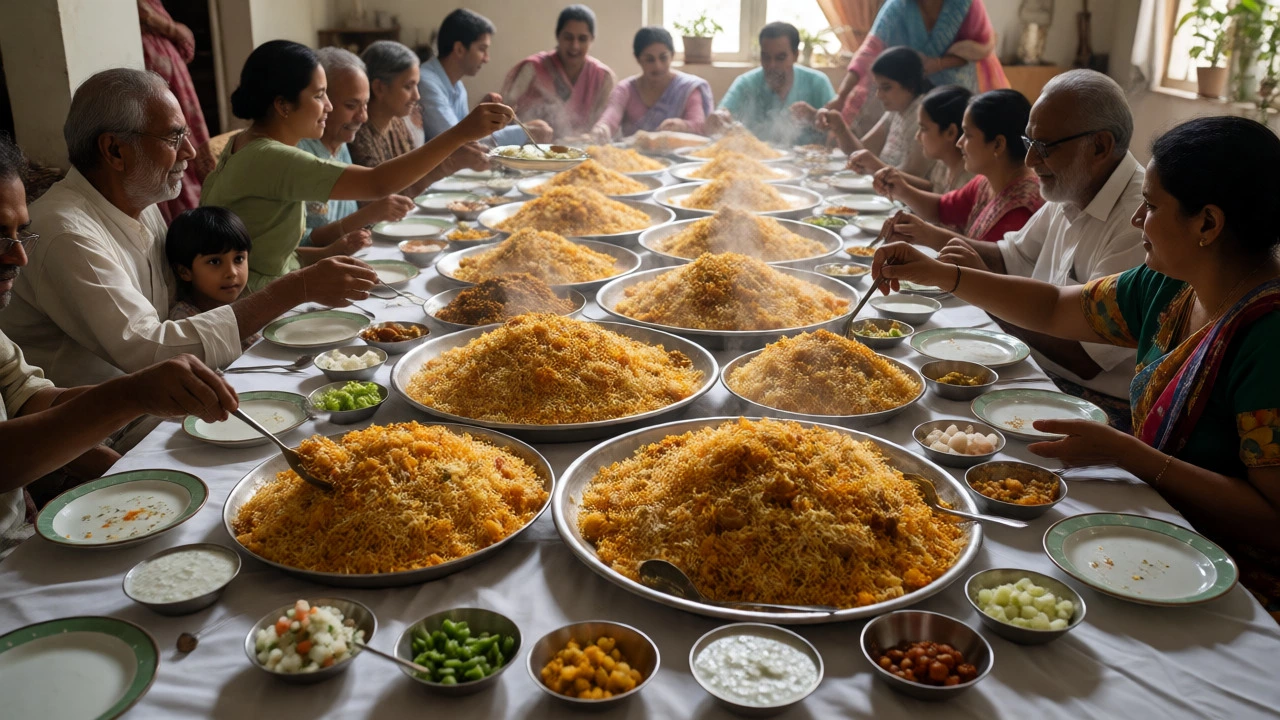
In many Muslim-majority cultures, sharing food is an act of worship and social bonding. There’s a strong emphasis on feeding others, especially guests and the poor. Biryani is often too complex and time-consuming for a quick Tuesday night dinner for one person. It’s designed for crowds.
Think about a family gathering during Ramadan. After a long day of fasting, breaking the fast (Iftar) with a heavy, comforting meal like biryani feels rewarding. It’s substantial enough to sustain energy through the night prayers. Similarly, during Eid al-Fitr and Eid al-Adha, when families visit each other, biryani is often the main course. It signals effort and respect. Serving someone homemade biryani says, "I spent hours making this for you." It’s a gesture of generosity that aligns with the Islamic value of ihsan (excellence) and kindness to neighbors.
Versatility Across Regions
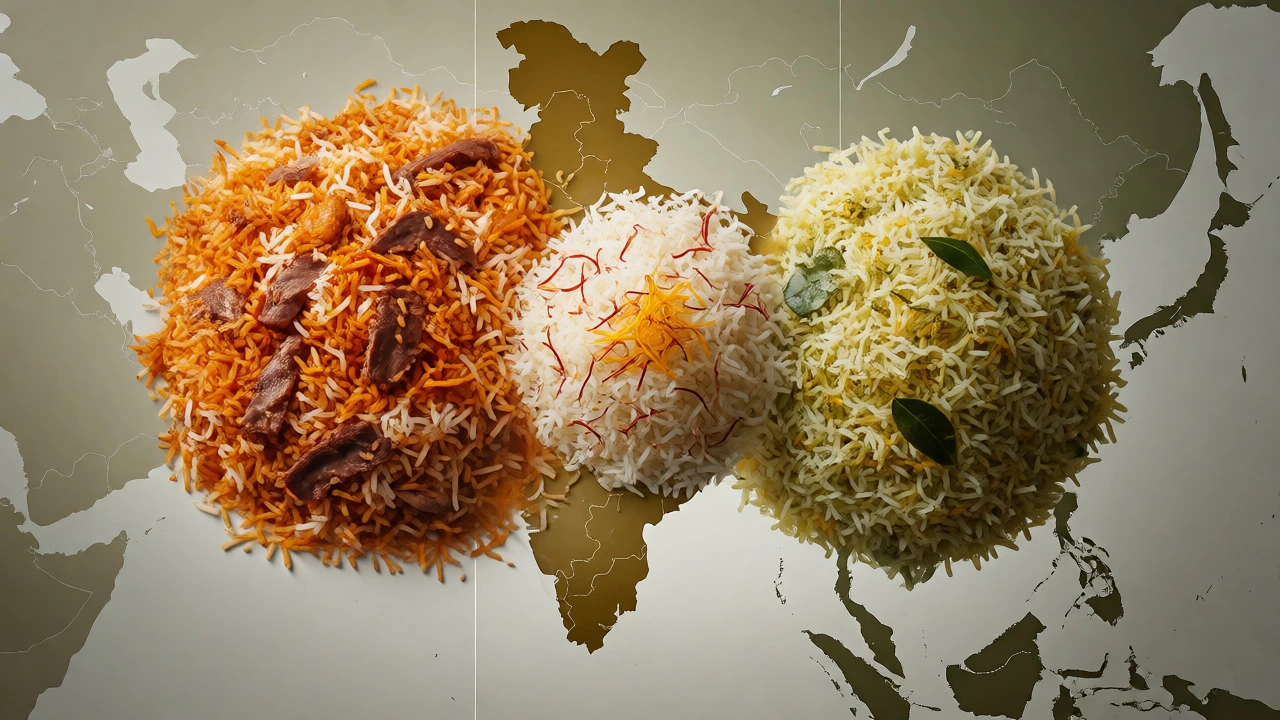
Another reason biryani has stuck around is its adaptability. It’s not one single recipe. It’s a template that changes based on local ingredients and tastes. This flexibility allows Muslim communities worldwide to make it their own while keeping the core identity intact.
| Region | Key Characteristics | Preferred Meat |
|---|---|---|
| Hyderabad (India) | Spicy, uses kachhi style (raw meat layered with rice), heavy on saffron | Goat or Chicken |
| Lucknow (India) | Pukki style (meat cooked separately then layered), milder, subtle spices | Chicken or Lamb |
| Sindh (Pakistan) | Aromatic, uses potatoes and plums, less oily | Beef or Goat |
| Dubai/UAE | Often includes dried fruits and nuts, milder spice profile | Chicken or Fish |
| Sri Lanka | Uses coconut milk and curry leaves, distinct green tint | Chicken or Seafood |
This variety means that whether you’re in a mosque in New Zealand or a home in Malaysia, there’s a version of biryani that feels familiar. It bridges geographic gaps. A Pakistani student in Wellington might crave Sindhi biryani because it reminds them of home, even if the local ingredients differ slightly. That emotional connection keeps the tradition alive.
Nutritional Balance and Satisfaction
From a practical standpoint, biryani is a complete meal. It combines carbohydrates from the basmati rice, protein from the meat, and fats from the ghee or oil. Add in the yogurt-based marinade, which provides probiotics and calcium, and you have a balanced plate.
For many Muslims, especially those observing fasting months, getting enough nutrients in one sitting is important. Biryani delivers high satiety. You feel full and satisfied, which helps prevent overeating later in the evening. Plus, the spices used-like turmeric, cumin, and coriander-have anti-inflammatory properties. While it’s not health food per se, it’s a hearty, nourishing option that fuels the body well, fitting into the Islamic principle of maintaining physical strength for worship and daily duties.
Is Biryani Religious?
No. Eating biryani is not a religious obligation. A Muslim can live a perfectly devout life without ever tasting it. However, food practices often become intertwined with cultural identity. Over centuries, biryani became synonymous with celebration in many Muslim communities. It’s served at births, circumcisions, weddings, and funerals. It marks milestones.
If you remove the cultural layer, you’re left with a delicious rice dish. But add the context of community gatherings, shared labor in the kitchen, and the joy of serving guests, and it becomes something deeper. It’s a vessel for memory and connection. That’s why, even in secular households, biryani remains a top choice for weekend treats. It’s comfort food with a soul.
Quick Summary / Key Takeaways
- Not Religious Mandate: Biryani is not required by Islamic law; it’s a cultural adoption.
- Halal Friendly: Its ingredients (rice, meat, spices) easily comply with Halal dietary restrictions.
- Social Glue: It’s ideal for large gatherings, reinforcing values of hospitality and community.
- Historical Roots: Originated from Persian influences via the Mughal Empire, spreading with Islam.
- Regional Adaptability: Local variations allow global Muslim communities to personalize the dish.
Is biryani always halal?
Not automatically. While the dish itself contains no haram ingredients like pork or alcohol, the meat must be sourced from a halal-certified supplier and slaughtered according to Islamic rites. Non-halal chicken or beef will make the biryani non-compliant.
Why is biryani popular at Muslim weddings?
Biryani is considered a premium, labor-intensive dish that signifies celebration and generosity. Serving it shows respect for guests and aligns with the cultural expectation of providing abundant, high-quality food at major life events.
Can vegetarians eat biryani?
Yes, vegetable biryani exists and is popular. It replaces meat with paneer, vegetables, or lentils. However, strict vegetarians should check if ghee (which is vegetarian but derived from dairy) is used, as some may prefer oil-based versions.
What makes biryani different from pilaf?
The key difference is the cooking method. Biryani involves layering partially cooked rice and meat and steaming them together (dum), creating distinct flavors and textures. Pilaf typically involves cooking rice and ingredients together in a single pot from the start, resulting in a more uniform texture.
Do all Muslims eat biryani?
No. While popular in South Asian, Middle Eastern, and Southeast Asian Muslim communities, it is not universal. Some regions prefer other rice dishes like Maqluba, Kabsa, or plain rice with curries. Personal preference and local availability play huge roles.