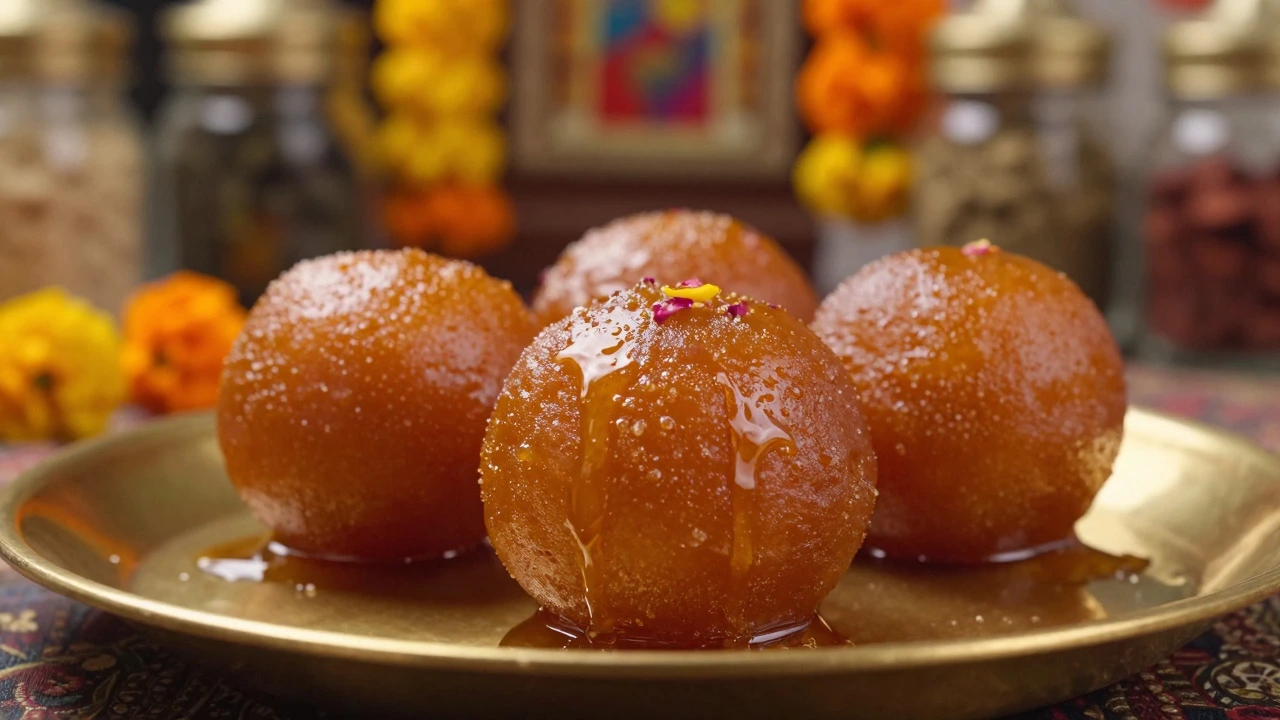
Indian Sweet Selector
Not sure which sweet to order or bake? Select your preferences below to find your perfect match.
Your Match:
Walk into any Indian sweet shop, often called a mithai ki dukan, and you will smell sugar syrup, cardamom, and ghee before you even see the counter. But if you ask someone who works there or grew up eating these treats, "Who is the king?" the answer usually points in one direction. It’s not the rich, fudge-like Gulab Jamun, nor is it the royal, saffron-infused Kheer. For most people across the subcontinent, the title belongs to Gulab Jamun.
Why does this small, dark brown ball of dough soaked in rose-scented syrup hold such power? It’s not just about taste. It’s about presence. You don’t eat Gulab Jamun on a Tuesday afternoon because you’re bored. You eat it when there is a wedding, a festival like Diwali, or a family gathering. It is the dessert that signals celebration. But calling it the "king" isn't just a feeling; it's backed by history, geography, and the sheer volume of consumption across India.
The Crown Contenders: Why It’s Not Just One Sweet
Before we hand the crown permanently to Gulab Jamun, let’s look at the other heavy hitters. In the world of Indian cuisine, regional pride runs deep. What is king in Mumbai might be a distant cousin in Kolkata.
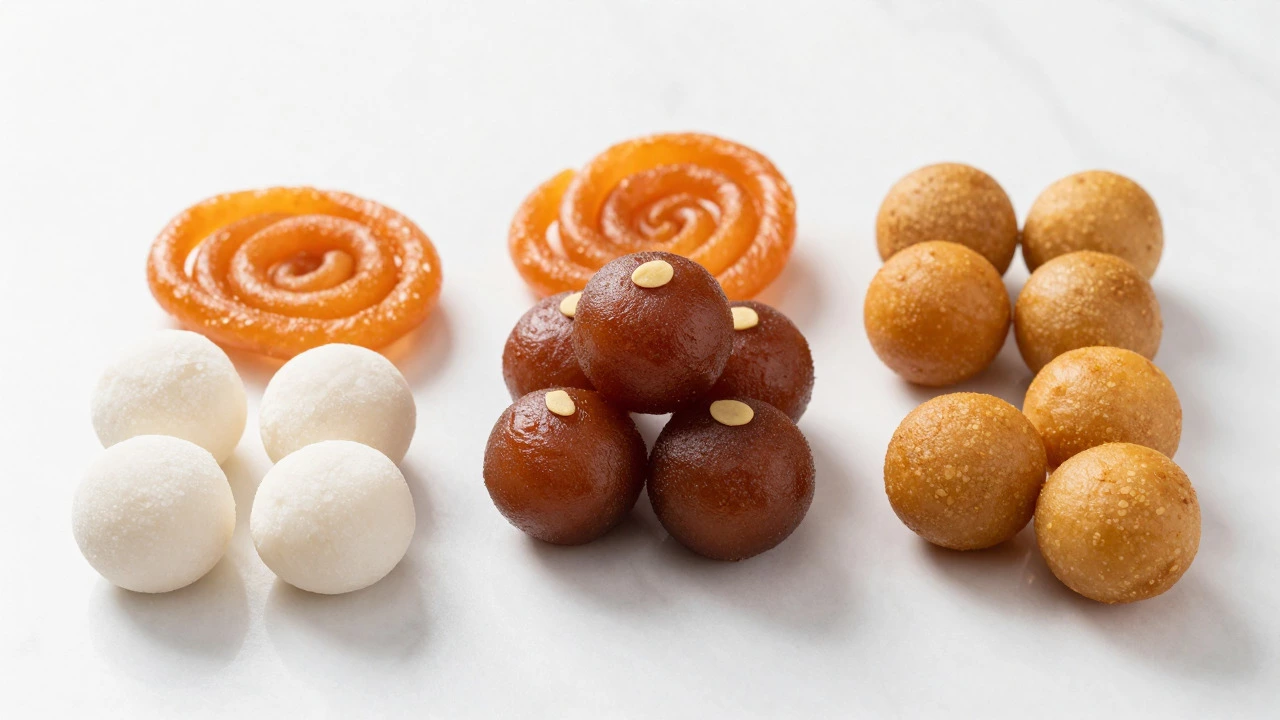
In North India, Rasgulla has its own fierce fanbase. These white, spongy balls made from chenna (cottage cheese) and soaked in light sugar syrup are the undisputed stars of Bengal and Odisha. They are lighter, less oily, and have a texture that melts in your mouth. If Gulab Jamun is the robust, hearty king, Rasgulla is the elegant prince. However, Rasgulla’s dominance is largely regional. Outside Eastern India, it is popular but doesn't command the same universal recognition as the deep-fried favorite.
Then there is Jalebi. Bright orange, crispy on the outside, soft on the inside, and served hot with rabri (thickened milk). Jalebi is the king of breakfasts and evening snacks. It is street food royalty. But because it is often eaten as a snack rather than a formal dessert course, it rarely takes the top spot for "sweetest treat."
And we cannot ignore Ladoo (or Laddu). Made from flour, semolina, or chickpea flour, Ladoos are dry, portable, and incredibly dense. They are the go-to gift for religious ceremonies. You can carry them in your pocket without making a mess. But they lack the immediate sensory explosion-the soak, the heat, the aroma-that defines the "king" experience for many.
Why Gulab Jamun Wears the Crown
So, why does Gulab Jamun win? Let’s break down the attributes that make it the default choice for millions.
1. Universal Appeal: Whether you are in Delhi, Chennai, Mumbai, or Kolkata, everyone knows what Gulab Jamun is. Even if the recipe varies slightly-some use khoya (reduced milk), others use mawa powder, and some use milk powder-the core identity remains the same. This universality is rare in Indian food, where regional differences are huge.
2. The Texture Contrast: There is something psychologically satisfying about the contrast between the warm, syrup-soaked exterior and the soft, melt-in-the-mouth interior. When done right, the center should not be hard. It should yield easily to pressure. This textural complexity makes it more engaging to eat than a simple barfi or fudge.
3. Cultural Significance: Think about the last time you visited an Indian home during a holiday. Was there a plate of Gulab Jamun? Almost certainly. It is the visual shorthand for hospitality. Serving Gulab Jamun says, "We are celebrating, and we want you to feel special." That emotional weight elevates it above other sweets.
4. Affordability and Accessibility: Unlike Kaju Katli, which relies on expensive cashews, or Badam Halwa, which uses almonds, Gulab Jamun is made from basic ingredients: milk solids, flour, and sugar. This makes it accessible to almost every economic class, ensuring its widespread popularity.
| Sweet Name | Main Ingredients | Texture | Primary Region | Occasion Type |
|---|---|---|---|---|
| Gulab Jamun | Mawa/Khoya, Flour, Sugar Syrup | Soft, Soaked, Dense | Pan-India | Festivals, Weddings |
| Rasgulla | Chenna (Cottage Cheese), Sugar | Spongy, Light, Juicy | Bengal, Odisha | Daily Dessert, Festivals |
| Jalebi | Flour Batter, Sugar Syrup | Crispy Outside, Soft Inside | Pan-India (Street Food) | Breakfast, Evening Snack |
| Kaju Katli | Cashew Paste, Sugar | Fudgy, Smooth, Dry | Rajasthan, Pan-India | Gifting, Premium Occasions |
| Ladoo | Semolina/Flour/Ghee | Dry, Crumbly, Dense | Pan-India | Religious Ceremonies |
The Science Behind the Perfect Gulab Jamun
If Gulab Jamun is the king, then knowing how to make it properly is understanding its kingdom. Many people fail at home because they treat it like regular dough. It’s not. It’s chemistry.
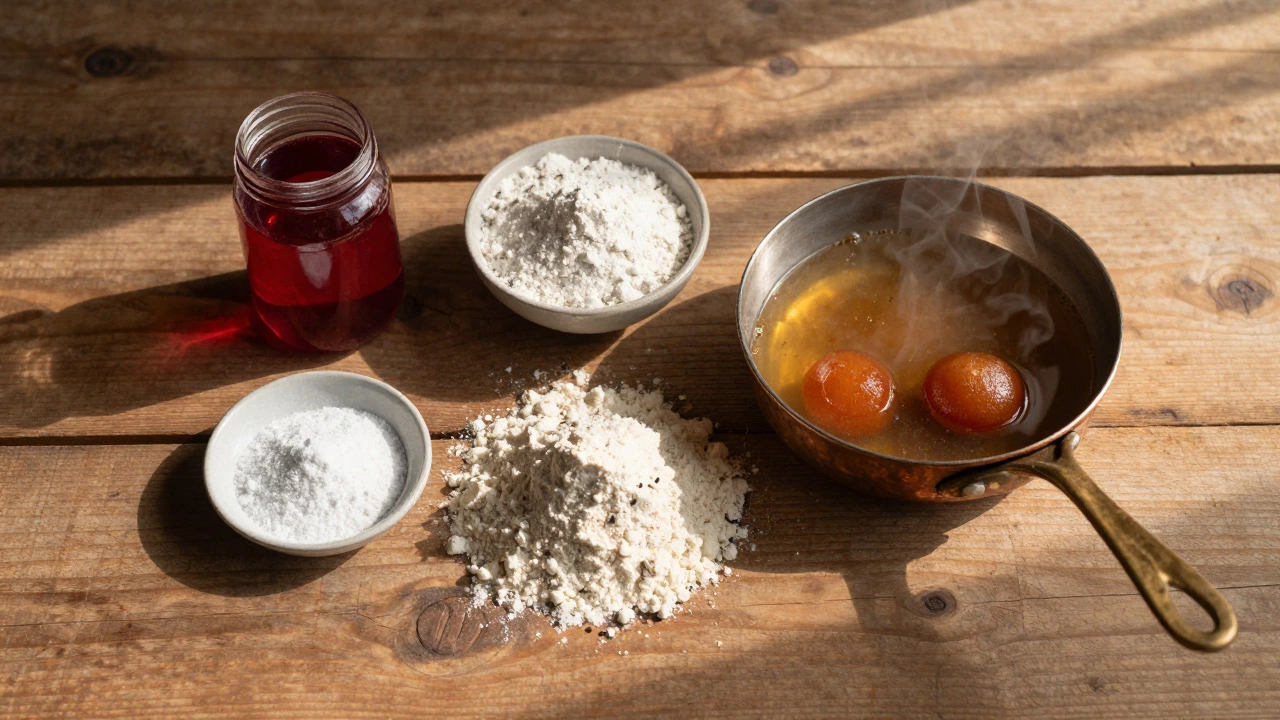
The main ingredient is Mawa (also known as Khoya or reduced milk solids). Mawa provides the fat content and richness. If you buy pre-made mawa powder, ensure it’s fine. If you make it fresh, cook the milk until it separates from the whey. The ratio matters: too much flour makes it hard; too little makes it crumble in the oil.
Here is the critical rule: Temperature control.
- The Dough: Mix mawa, a spoonful of flour, and a pinch of baking soda (optional, but helps puffing). Add milk drop by drop. Do not knead vigorously. Over-kneading develops gluten, which makes the jamun hard. The dough should be smooth and pliable, like playdough.
- The Shaping: Roll small balls. Check for cracks. If you see cracks, add a few more drops of milk. Cracks mean air pockets, which will cause the jamun to explode or absorb uneven amounts of syrup.
- The Frying: This is where most people mess up. Use medium-low heat. If the oil is too hot, the outside burns before the inside cooks. If it’s too cold, the jamun absorbs too much oil and becomes greasy. The jamuns should float to the top slowly. Turn them gently until they are a uniform dark brown.
- The Syrup: Make a one-string consistency (ek-khasi) sugar syrup. Add rose water, cardamom, and a slice of ginger. The key secret? Add the hot jamuns to the warm syrup. If the syrup is cold, the jamun won’t absorb it. If the syrup is boiling, it might dissolve the jamun. Warm is perfect.
Let them soak for at least two hours. The longer they sit, the softer they get. This patience is part of the ritual.
Regional Variations: The Royal Court
Even within the kingdom of Gulab Jamun, there are different courts. Understanding these variations adds depth to your appreciation.
Kolkata Style: In West Bengal, you might find Gulab Jamun made with a mix of mawa and chenna. This gives it a slightly lighter, more spongy texture, bridging the gap between Gulab Jamun and Rasgulla. The syrup here is often lighter and less sticky.
Punjabi Style: In Punjab, the emphasis is on richness. The mawa content is higher, and the frying is done in clarified butter (ghee) or a mix of ghee and oil. The result is a denser, richer, and more decadent treat. The syrup is thick and heavy with cardamom.
South Indian Adaptation: While less common, South Indian versions sometimes incorporate coconut milk into the syrup or use rice flour in the dough for a different texture. Some regions prefer a simpler, less sweet version to balance spicy meals.
Health Considerations: Can the King Be Healthy?
Let’s be real. Gulab Jamun is not a health food. It is high in sugar and fat. A single piece can contain anywhere from 80 to 150 calories, depending on size and preparation. For those watching their blood sugar or calorie intake, the traditional king can be a challenge.
However, modern adaptations exist. You can make Baked Gulab Jamun using an oven or air fryer. This reduces the fat content significantly. You can also use jaggery instead of refined sugar for the syrup, which adds minerals like iron and magnesium. Using whole wheat flour or almond flour in the dough can boost fiber and protein. While these versions may not have the exact same melt-in-the-mouth texture as the fried original, they allow you to enjoy the flavor profile without the guilt.
Remember, moderation is key. Eating one piece as part of a balanced meal is very different from eating five pieces on an empty stomach. Pair it with black coffee or tea to cut through the sweetness.
How to Choose the Best Gulab Jamun
When you visit a sweet shop, how do you know if you’re getting the best? Look for these signs:
- Color: It should be a uniform dark brown. If it’s patchy, it was fried unevenly. If it’s black, it’s burnt.
- Shape: It should be round and smooth. Irregular shapes indicate poor shaping technique.
- Syrup Level: The jamun should be moist but not swimming in syrup. If the plate is flooded, the shop might be hiding stale jamuns under excess liquid.
- Aroma: Smell it. You should smell rose, cardamom, and cooked milk. If it smells only of sugar or oil, it’s likely low quality.
- Freshness: Ask when they were made. Gulab Jamun is best eaten within 24 hours. Older jamuns become hard and lose their flavor.
Conclusion: The Enduring Reign
Is Gulab Jamun truly the king of Indian sweets? By the metrics of popularity, cultural significance, and universal appeal, yes. It transcends language barriers, regional boundaries, and economic classes. It is the sweet that brings people together. While Rasgulla has its elegance and Jalebi has its crunch, Gulab Jamun offers a complete sensory experience that is hard to beat.
But perhaps the real beauty of Indian sweets is that there is no single ruler. Every region has its champion. Every family has its preferred recipe. The "king" changes depending on who you ask. But if you want to impress a crowd, or simply indulge in a classic, Gulab Jamun remains the safest and most beloved bet.
What is the difference between Gulab Jamun and Rasgulla?
The main difference lies in the base ingredient and texture. Gulab Jamun is made from mawa (reduced milk solids) and flour, giving it a dense, soft, and rich texture. It is deep-fried and soaked in a thick, rose-flavored sugar syrup. Rasgulla, on the other hand, is made from chenna (fresh cottage cheese), has a spongy, light, and juicy texture, and is boiled in a lighter sugar syrup. Rasgulla is not fried.
Why do my homemade Gulab Jamuns turn hard?
Hard Gulab Jamuns are usually caused by three things: over-kneading the dough (which develops gluten), using too much flour relative to mawa, or frying them in oil that is too hot. Another reason is soaking them in cold syrup; always use warm syrup to keep them soft. Ensure the dough is smooth and free of cracks before frying.
Can I make Gulab Jamun without mawa?
Yes, you can. Many home cooks use milk powder mixed with a little flour and ghee to create a substitute for mawa. This method is easier and faster than reducing milk to make fresh mawa. The texture will be slightly different but still delicious. Another alternative is using paneer (cottage cheese) blended into a paste, though this makes it closer to a Rasgulla hybrid.
How long does Gulab Jamun stay fresh?
Homemade Gulab Jamun stays fresh for about 2-3 days in the refrigerator. Store it in an airtight container with the syrup. For best results, bring it to room temperature before eating. Commercial Gulab Jamun may last longer due to preservatives, but the texture often suffers after a week.
Is Gulab Jamun vegetarian?
Yes, traditional Gulab Jamun is strictly vegetarian. It is made from milk solids, flour, sugar, and spices. However, some commercial brands might use vanaspati (vegetable ghee) which is still vegetarian but processed. Always check labels if you have specific dietary restrictions, but generally, it is safe for lacto-vegetarians.
What is the origin of Gulab Jamun?
The origins of Gulab Jamun are debated. Some historians trace it back to ancient Persian sweets brought to India by Mughals. Others believe it evolved from indigenous Indian sweets like 'Zarda Gola' or 'Feni'. The name 'Gulab' comes from the Persian word for rose, referring to the rose water used in the syrup. It became widely popular in North India during the British Raj era.