Cheese Vegetarian Checker
Check Your Cheese
Select a cheese type or enter a label keyword to check its vegetarian status according to common Indian manufacturing practices.
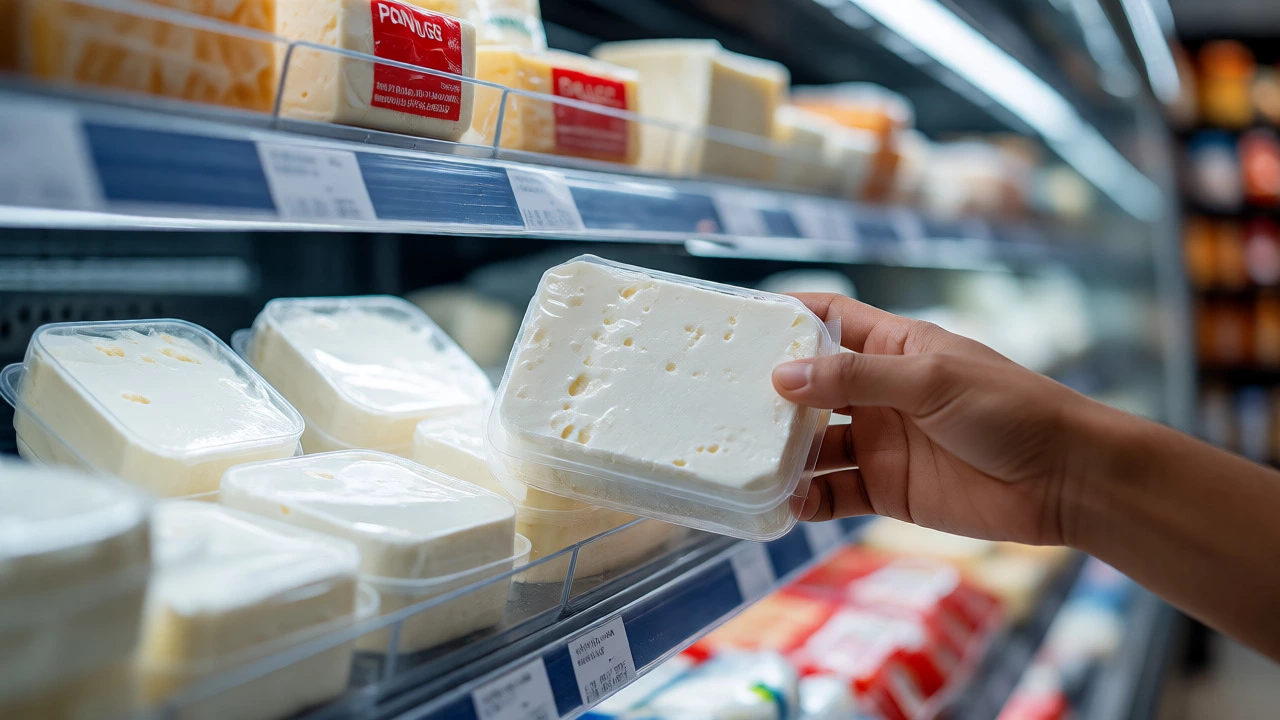
You walk into a supermarket in Mumbai or Delhi, grab a block of Paneer, and assume it is vegetarian. For millions of Indians, this assumption holds true because traditional home-cooked paneer uses lemon juice or vinegar to curdle milk. But when you buy packaged cheese from brands like Amul, Mother Dairy, or Britannia, the story gets complicated. Many commercial cheeses use Rennet, an enzyme traditionally extracted from the stomach lining of calves. This makes them non-vegetarian by strict Hindu dietary standards.
So, which cheese has no rennet in India? The short answer is that most standard commercial Paneer blocks sold in India are made using lactic acid bacteria or citric acid, making them vegetarian-friendly. However, imported cheeses like Cheddar, Mozzarella, and Parmesan almost always contain animal rennet unless explicitly labeled "vegetarian" or "microbial." If you are cooking at home, making your own Homemade Paneer is the safest bet for total control over ingredients.
Understanding Rennet: Why It Matters
Rennet isn't just a fancy ingredient name; it's a biological tool used to separate milk solids from liquid. Traditional rennet contains chymosin, an enzyme found in the fourth stomach of unweaned calves. When added to warm milk, it causes casein proteins to coagulate, forming curds. This process creates the texture we associate with hard cheeses like Swiss or Gouda.
For vegetarians who avoid meat but consume dairy, animal rennet presents a moral dilemma. It involves slaughtering young animals specifically for their stomach linings. Consequently, many Indian consumers strictly avoid products containing animal-derived enzymes. Fortunately, technology offers alternatives. Microbial rennet comes from fungi or bacteria, while vegetable rennet derives from plants like figs or nettles. These options allow manufacturers to produce cheese without harming animals.
| Coagulant Type | Source | Vegetarian Status | Common In |
|---|---|---|---|
| Animal Rennet | Calf stomach lining | No | Traditional European Cheeses (Parmesan, Gruyere) |
| Microbial Rennet | Fungi/Bacteria fermentation | Yes | Mass-produced Cheddar, Mozzarella |
| Acid Coagulants | Lemon juice, Vinegar, Citric Acid | Yes | Paneer, Ricotta, Mascarpone |
| Plant-Based Rennet | Figs, Thistle, Nettle | Yes | Niche artisanal cheeses |
The Truth About Commercial Paneer in India
If you pick up a pack of Amul Fresh Cream Paneer or Mother Dairy Paneer, check the ingredient list. You will likely see only two things: pasteurized milk and citric acid or lactic culture. There is no mention of rennet. This is because paneer is technically a fresh cheese, not a aged one. Its production relies on acid precipitation rather than enzymatic action. Acid coagulation works perfectly for soft, crumbly textures and does not require animal enzymes.
This distinction is crucial. While Western cheeses rely on rennet to create firm structures that can be sliced and melted, paneer is designed to hold its shape when fried or cooked in gravies. The acid method achieves this naturally. Therefore, the vast majority of locally manufactured paneer in India is vegetarian. Brands like Haldiram’s, ITC Sunfeast, and local dairy cooperatives follow this standard practice to cater to the massive vegetarian demographic.
However, vigilance is still required. Some premium or specialty brands might blend different types of cheese or use stabilizers derived from animal sources. Always look for the green dot symbol mandated by the Food Safety and Standards Authority of India (FSSAI). A green dot inside a square confirms the product is vegetarian. If you see a brown dot, it indicates the presence of egg or other non-veg ingredients, though this is rare in plain paneer.
Imported Cheeses: Where the Danger Lies
When you venture away from paneer into the world of imported or premium Indian cheeses, the rules change. Cheeses like Cheddar, Mozzarella, Edam, and Brie often require rennet for proper texture development during aging. In India, brands like Kraft, President, and Le Creuset often import these varieties or manufacture them under license using traditional methods.
Kraft Cheese Slices, for example, have historically caused confusion among consumers. While some variants use microbial enzymes, others may use animal-derived enzymes depending on the region of origin. You must read the label carefully. Look for terms like "enzymes" or "rennet." If the label simply says "enzymes," it is ambiguous. Reputable brands usually specify if they use microbial or fungal enzymes. If it doesn't say, assume it might be animal-based unless certified otherwise.
Mozzarella is another tricky one. Authentic Italian Mozzarella di Bufala Campana uses calf rennet. However, the low-moisture mozzarella used in pizzas sold in Indian supermarkets often uses microbial rennet to reduce costs and ensure consistency. Again, the packaging is your best friend here. If you cannot find a clear declaration, ask the retailer or contact customer support before purchasing.
How to Make Vegetarian Paneer at Home
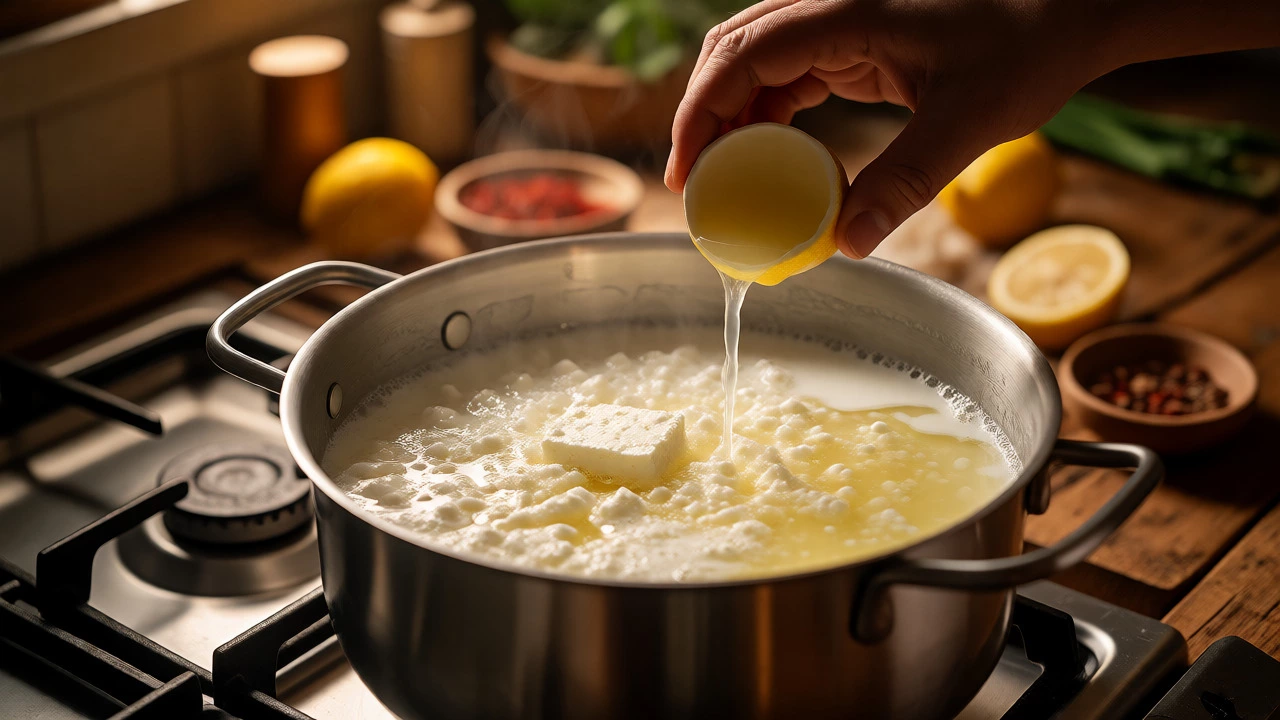
The easiest way to guarantee your cheese is free of rennet is to make it yourself. Homemade paneer takes less than thirty minutes and requires only three ingredients: full-fat milk, water, and an acid. This method eliminates any doubt about hidden additives or animal enzymes. Plus, it tastes significantly fresher than store-bought blocks.
- Ingredients: 1 liter of full-fat cow or buffalo milk, 2 tablespoons of lemon juice or white vinegar, and a pinch of salt (optional).
- Step 1: Boil the milk in a heavy-bottomed pan. Stir occasionally to prevent burning at the bottom.
- Step 2: Once boiling, turn off the heat. Add the lemon juice or vinegar gradually while stirring gently.
- Step 3: Wait for the milk to split completely into white curds and yellowish whey. If it hasn't separated fully, add a bit more acid.
- Step 4: Strain the mixture through a muslin cloth or cheesecloth placed over a colander.
- Step 5: Rinse the curds under cold water to remove the sour taste of the acid.
- Step 6: Gather the edges of the cloth and squeeze out excess water. Shape it into a flat disc.
- Step 7: Place a heavy weight on top for 20-30 minutes to set the shape. Your vegetarian paneer is ready.
This homemade version is inherently vegan-compatible regarding rennet, though not vegan overall due to the milk. It serves as the perfect base for dishes like Palak Paneer or Shahi Paneer without worrying about dietary restrictions.
Reading Labels Like a Pro
Navigating food labels in India can be confusing due to inconsistent terminology. Here is a quick cheat sheet to help you identify rennet-free options quickly.
First, ignore marketing fluff like "100% Natural" or "Farm Fresh." Focus on the ingredient panel. If you see "Cultured Pasteurized Milk," that is good-it means bacterial fermentation was used. If you see "Enzymes," pause. Check if it specifies "Microbial Enzymes" or "Fungal Enzymes." If it just says "Enzymes," call the company. If you see "Rennet," put it back on the shelf unless it says "Vegetable Rennet."
Also, watch out for cross-contamination warnings. Phrases like "May contain traces of..." are common. For strict vegetarians, this might matter. However, for most people, the primary concern is the intentional addition of animal rennet, not trace amounts. Stick to brands known for their transparency, such as Amul and Mother Dairy, which clearly mark their products with the vegetarian green dot.
Alternatives to Traditional Cheese
If you are looking for rennet-free options beyond paneer, consider exploring plant-based cheeses. India has seen a surge in vegan brands offering cashew-based or almond-based cheeses. These are entirely free of animal products, including rennet. Brands like GoodMilk and Veganz offer shreds and slices that melt reasonably well, though the texture differs from dairy cheese.
Another option is tofu. While not cheese, firm tofu mimics the texture of paneer in many recipes. It absorbs flavors well and provides a similar protein content. Marinating tofu before frying gives it a chewy exterior similar to grilled paneer. This is an excellent swap for those avoiding all dairy, not just rennet.
Finally, remember that yogurt (curd) is also a fermented dairy product made without rennet. Thick Greek-style yogurt can sometimes substitute for creaminess in dishes where cheese would normally be used. It adds tanginess and body without introducing animal enzymes.
Frequently Asked Questions
Is all paneer in India vegetarian?
Most commercially available paneer in India is vegetarian because it is made using acid coagulants like citric acid or lemon juice instead of rennet. However, always check the label for the green vegetarian symbol to be sure, especially with lesser-known brands.
Does Amul cheese contain rennet?
Amul Paneer typically does not contain rennet as it uses acid coagulation. However, Amul processed cheese slices and cubes may contain microbial or animal enzymes depending on the specific variant. Always check the ingredient list for "enzymes" and look for the vegetarian mark.
What is microbial rennet?
Microbial rennet is produced by fermenting specific molds or bacteria, such as Mucor miehei. It functions similarly to animal rennet in coagulating milk but is considered vegetarian-friendly because it does not involve animal slaughter.
Can I eat Mozzarella if I am vegetarian?
You can eat Mozzarella if it is made with microbial or vegetable rennet. Many mass-produced Mozzarellas use microbial enzymes. However, authentic Italian Mozzarella often uses animal rennet. Always verify the source of enzymes on the packaging.
Why do some cheeses need rennet?
Rennet helps form a firm curd structure that can be cut, pressed, and aged. Acid coagulants tend to make softer, crumblier cheeses like Paneer or Ricotta. Hard cheeses require the structural integrity provided by enzymatic coagulation.