Paan & Gutka Health Risk Estimator
Select a product type or customize your chew to understand its potential impact on your health. This tool is for educational purposes only.
1. Choose Your Chew Type
2. Customize Ingredients
Adjust checkboxes to simulate specific variations found in street stalls.
Risk Assessment
Low RiskKey Ingredients Detected:
A sweet paan without tobacco is generally considered a low-risk cultural treat, though sugar content should be monitored.
You’ve probably seen it. Maybe you were walking through a busy market in Mumbai or Delhi, or perhaps you visited an Indian restaurant and noticed people spitting out something reddish into a bin. You asked yourself: what is the Indian chewing stuff? It’s not gum. It’s not candy. And depending on who you ask, it’s either a beloved cultural ritual or a public health nightmare.
The short answer is that "the Indian chewing stuff" usually refers to one of two things: Paan (Betel Leaf Quids) or Gutka. While they look similar to the untrained eye, they are vastly different products with different ingredients, effects, and legal statuses. Understanding the difference matters if you’re traveling to India, trying to understand local customs, or just curious about what those bright red stains on the sidewalks actually are.
It’s Not Just One Thing: The Two Main Contenders
When foreigners ask about the "chewing stuff," they are almost always confusing Paan with Gutka. Think of them as cousins, but very distant ones. One is often considered a mild stimulant or digestive aid, while the other is a potent, addictive mix of tobacco and nuts.
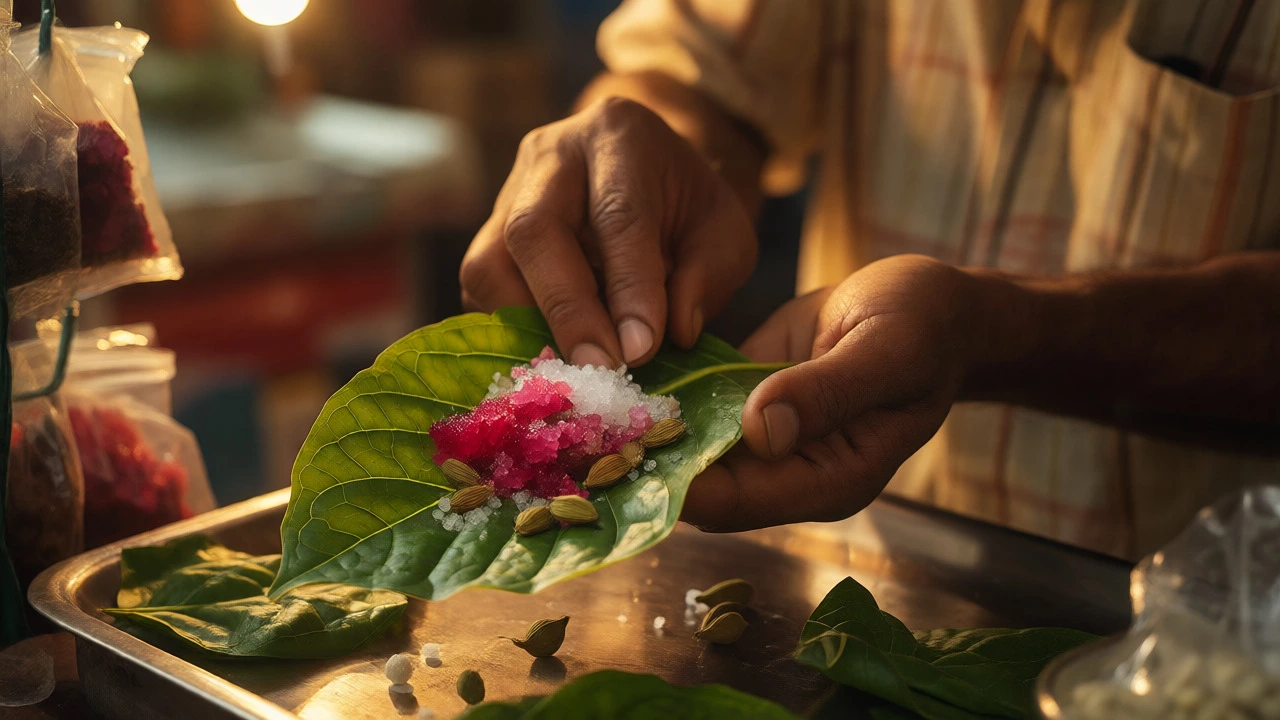
Paan is a broad term for a leaf-based chew. The core component is the Piper betle (betel) leaf. This leaf acts as a wrapper. Inside, vendors place various fillings. Sometimes it’s sweet (Meetha Paan), sometimes it’s spicy, and sometimes it contains tobacco. When people talk about the traditional, non-addictive version, they mean the sweet or plain variety without tobacco.
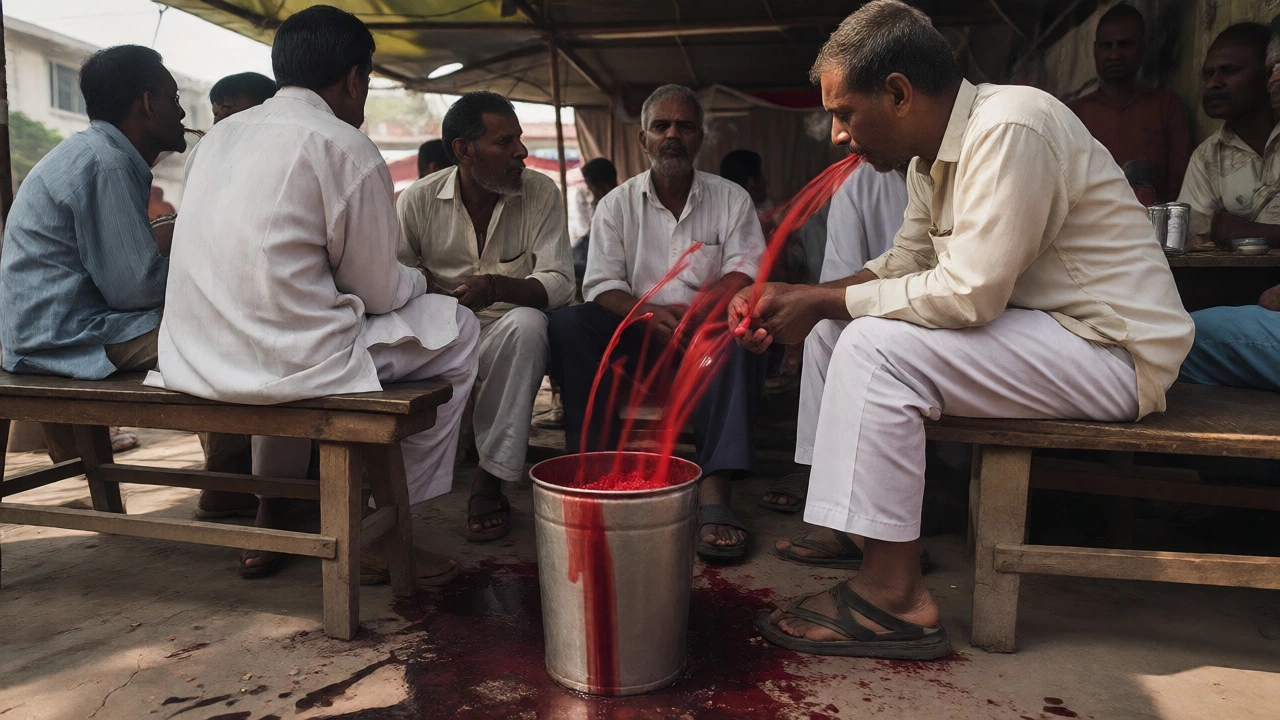
Gutka, on the other hand, is a specific commercial product. It’s a mixture of crushed Areca nut (supari), slaked lime, catechu, and-crucially-tobacco. It comes in small plastic packets. It’s cheap, easy to buy, and highly addictive. This is likely the "stuff" you see men chewing aggressively at tea stalls, producing copious amounts of red spit.
Breaking Down the Ingredients
To really understand what you’re looking at, you need to know what goes into these chews. It’s a complex chemistry experiment happening in your mouth.
The base of almost all Indian chews is the Betel Leaf. These are heart-shaped leaves from the Piper betle vine. They have a peppery, slightly bitter taste. On their own, they aren’t very exciting. But when combined with other ingredients, they release alkaloids like chavicol, which provide a mild warming sensation.
The real kick comes from the Areca Nut (also known as Betel Nut or Supari). This is the seed of the Areca palm. It contains arecoline, a psychoactive compound that stimulates saliva production and gives a mild buzz. In many parts of Asia, chewing areca nut is ancient tradition. However, the World Health Organization classifies areca nut as a Group 1 carcinogen, meaning it causes cancer in humans, regardless of whether tobacco is added.
Then there’s the binding agent: Slaked Lime (calcium hydroxide). Yes, the same stuff used in construction. When mixed with the areca nut, it creates an alkaline environment that helps release the active chemicals more efficiently. It also contributes to the gritty texture. Finally, in Gutka and some Paans, Tobacco is added. This is where the addiction factor skyrockets.
| Feature | Meetha Paan (Sweet) | Sada Paan (Plain) | Gutka |
|---|---|---|---|
| Main Base | Betel Leaf | Betel Leaf | Crushed Areca Nut + Tobacco |
| Tobacco Content | Usually None | Optional (often included) | High |
| Addictiveness | Low | Moderate (if tobacco present) | Very High |
| Common Additives | Sugar, Gulkand (rose petal jam), Cardamom | Lime, Catechu, Kewra water | Sweeteners, Flavoring agents, Menthol |
| Health Risk Level | Low to Moderate | Moderate to High | High |
Why Do People Chew It?
If you don’t chew it, it’s hard to get why millions do. For starters, it’s a social lubricant. Offering a paan after a meal is a sign of hospitality and friendship in many Indian households. It closes a business deal, seals a marriage promise, or simply marks the end of a good dinner.
Physiologically, it does something distinct. The combination of areca nut and lime increases blood flow and produces a mild euphoria or alertness. Users report feeling a "warm rush" to the head and chest. It also promotes heavy salivation, which many Indians believe aids digestion. After a heavy biryani or butter chicken meal, a paan is thought to settle the stomach. Whether this is scientifically proven or just placebo is up for debate, but the habit persists because it feels good.
For Gutka users, the motivation is largely nicotine addiction. The tobacco provides the hit, while the areca nut enhances the absorption of nicotine. It’s a quick, discreet way to get a fix without smoking. You don’t need a lighter, you don’t create smoke, and you can do it anywhere-even in offices or trains (though spitting is another matter).
The Red Stain Mystery
You cannot discuss Indian chewing habits without addressing the elephant in the room: the spit. Why is everything red? The reaction between the tannins in the areca nut/betel leaf and the calcium hydroxide (lime) creates a chemical change that results in a deep red pigment. When you chew, your saliva mixes with this pigment, turning it bright red or brown.
This isn’t just cosmetic. It’s a practical problem. The stain is incredibly stubborn. It ruins clothes, teeth, and public infrastructure. In cities like Mumbai and Bangalore, entire walls and train compartments are stained maroon. This has led to strict laws. In many places, spitting paan or gutka residue in public areas carries heavy fines. Some states have even banned the sale of Gutka entirely due to health concerns.
Is It Safe? The Health Reality Check
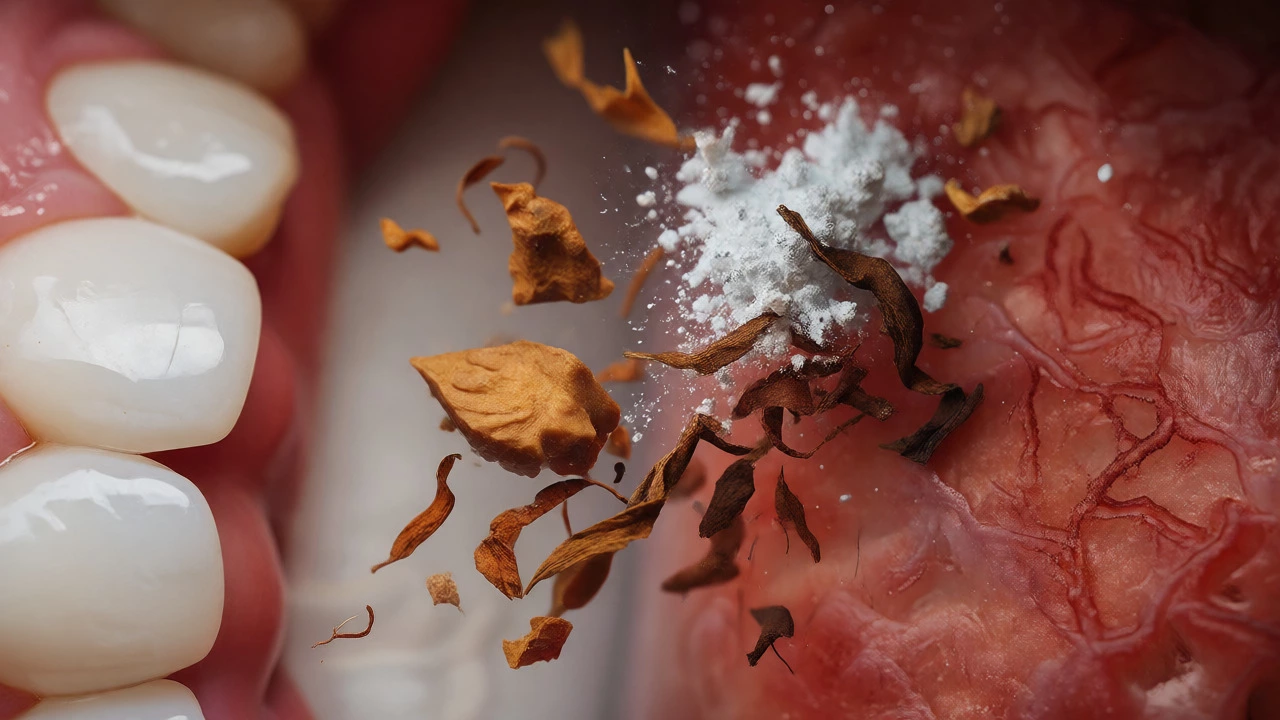
Here is the uncomfortable truth: chewing betel quid with tobacco is bad for you. Very bad. The International Agency for Research on Cancer (IARC) links betel quid use to oral cancer, esophageal cancer, and liver problems. Even without tobacco, the areca nut itself is carcinogenic. The constant abrasion from the lime and nut damages the lining of the mouth, leading to conditions like Oral Submucous Fibrosis, where the inside of your cheeks become stiff and hard to open.
However, not all paan is created equal. A simple Meetha Paan with no tobacco and minimal sugar is significantly less harmful than a packet of Gutka. Many tourists try a Meetha Paan once and enjoy the flavor without suffering long-term consequences. But daily Gutka users face serious risks. If you are visiting India and want to try the experience, stick to the sweet, tobacco-free versions. Avoid the dark, gritty Gutka packets unless you already have a tolerance for strong stimulants.
How to Try It Like a Local
If you’re curious, here’s how to navigate the street stall. Don’t just point; communicate.
- Choose Your Type: Ask for "Meetha Paan" (Sweet) if you want a dessert-like experience. Ask for "Sada Paan" (Plain) if you want the authentic, bitter-spicy kick. Avoid "Gutka" if you don’t smoke.
- Inspect the Hygiene: Look at the vendor’s hands. Do they wear gloves? Are the ingredients covered? Street food hygiene varies wildly. If the lime paste looks dry or the leaves are wilted, walk away.
- The Bite: Take a small bite first. It’s strong. The initial taste might be bitter or astringent. Let it sit in your mouth. You will start drooling-that’s normal.
- The Spit: Find a bin or a designated spit area. Do not swallow the juice initially if you aren’t used to it; it can cause nausea. Spit out the residue after a few minutes.
Remember, the goal is the experience, not necessarily finishing the whole thing. Many locals take a few bites and then discard it. That’s perfectly acceptable.
Is paan the same as betel nut?
No. Betel nut (areca nut) is one ingredient. Paan is the entire assembly, which includes the betel leaf wrapping around the nut, lime, and other additives. You can chew betel nut alone, but "paan" refers to the prepared leaf package.
Does paan contain tobacco?
It depends. Sweet Paan (Meetha) typically does not contain tobacco. Plain Paan (Sada) often does. Gutka always contains tobacco. Always ask the vendor if it contains tobacco ("Tambakoo") if you want to avoid it.
Why does paan turn your teeth red?
The tannins in the areca nut and betel leaf react with the calcium hydroxide (lime) to create a red pigment. This pigment stains the enamel of the teeth and the soft tissues of the mouth. Regular users often have permanently stained teeth.
Is Gutka legal in India?
Laws vary by state. Several Indian states, including Maharashtra and Gujarat, have banned the sale and manufacture of Gutka due to its link to oral cancer. In other regions, it remains widely available despite national health warnings.
Can I eat paan if I am pregnant?
Most doctors advise against chewing betel quid during pregnancy, especially varieties containing tobacco or areca nut, due to risks of low birth weight and preterm delivery. Consult a healthcare provider before trying it.