
30/30/30 Morning Protocol Planner
Step 1: Set Your Wake Up Time
The protocol requires you to complete your exercise and eat within 30 minutes of this time.
Step 2: Choose Activity
Step 3: Build Your 30g Protein Meal
Click on food items to add them to your plate until you reach 30g of protein.
Your 30/30/30 Game Plan
Window Closes At
Recommended Duration
Protein Target
Have you ever woken up feeling sluggish, only to find yourself snacking uncontrollably by mid-morning? You are not alone. Most of us start our day with a coffee and a croissant, or maybe just a quick scroll through our phones before rushing out the door. This routine sets off a chain reaction in your body that makes losing weight feel like an uphill battle against biology itself.
Enter the 30/30/30 rule. It is a simple, three-step morning protocol designed to hack your metabolism and stabilize your blood sugar right from the moment you open your eyes. Unlike crash diets that leave you starving, this approach focuses on timing and nutrition to keep your energy levels steady throughout the day. If you have been struggling with stubborn belly fat or constant cravings, this might be the missing piece of your puzzle.
The Core Components of the 30/30/30 Rule
To understand why this method works, we need to break down exactly what those numbers mean. The rule is straightforward: within the first hour after waking up, you complete three specific actions.
- 30 Minutes: Engage in 30 minutes of movement or exercise.
- 30 Grams: Consume 30 grams of protein.
- 30 Minutes Window: Do all of this within the first 30 minutes of being awake.
This sequence targets two major metabolic drivers: insulin sensitivity and muscle preservation. By moving your body while it is still fasted (or lightly fueled), you encourage your body to burn stored fat for energy. Following this immediately with high-quality protein prevents muscle breakdown and keeps you satiated for hours. It is not about doing a marathon; it is about consistency and precision in your morning window.
Why Morning Timing Matters for Metabolism
Your body operates on a circadian rhythm, which influences how you process food and burn calories. Cortisol, often called the stress hormone, naturally peaks in the early morning to help you wake up. While cortisol is necessary, chronic elevation can lead to water retention and increased appetite later in the day.
By engaging in light to moderate exercise during this peak cortisol window, you leverage your body’s natural alertness without spiking insulin prematurely. Insulin is the storage hormone; when it is high, your body stores fat rather than burning it. Keeping insulin low in the morning allows your body to access fat stores more efficiently. This is why skipping the sugary breakfast cereal is crucial. Instead, focusing on protein helps flatten the glucose curve, preventing the mid-morning crash that usually leads to reaching for unhealthy snacks.
Step-by-Step Implementation Guide
Implementing the 30/30/30 rule does not require expensive equipment or a gym membership. Here is how you can structure your morning effectively.
- Wake Up and Hydrate: Before anything else, drink a large glass of water. Overnight dehydration slows down metabolism. Add a squeeze of lemon if you like, but avoid juice as it spikes blood sugar.
- Movement Phase (First 30 Minutes): Start your activity within 15 minutes of waking. This could be a brisk walk, yoga, cycling, or strength training. The key is to keep your heart rate elevated but manageable. You should be able to hold a conversation while exercising. Avoid high-intensity interval training (HIIT) if you are new to this, as it may spike cortisol too aggressively.
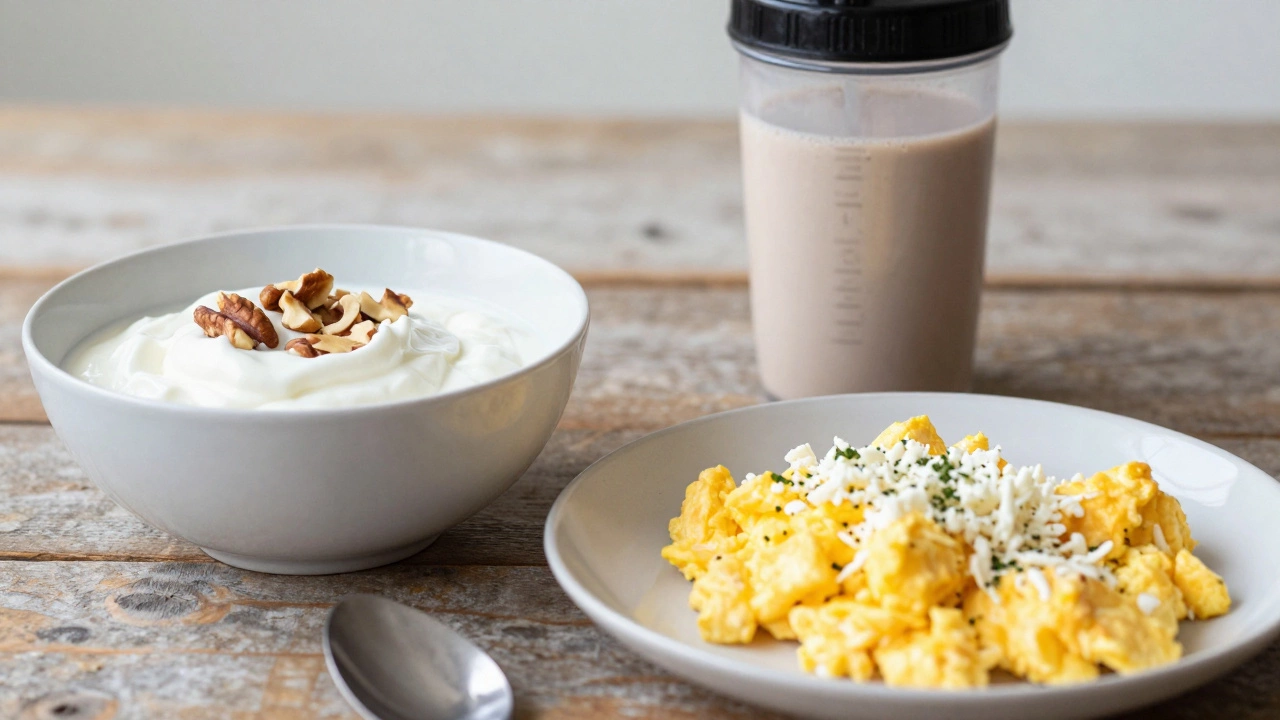
- Protein Intake (Within 30 Minutes of Waking): Immediately after your workout, consume 30 grams of protein. This window is critical because your muscles are primed to absorb amino acids for repair and growth. Delaying this meal can reduce the effectiveness of the protocol.
Consistency is more important than intensity. Doing this every day will yield better results than going hard once a week and skipping the rest.
Choosing the Right Protein Sources
Not all proteins are created equal. To get the full benefit of the 30-gram target, you need sources that are rich in leucine, an amino acid that triggers muscle protein synthesis. Here are some practical options:
| Food Item | Serving Size | Protein Content | Notes |
|---|---|---|---|
| Whole Eggs | 4 large eggs | ~24g | Add 1 oz cheese to reach 30g |
| Greek Yogurt | 1 cup (plain, non-fat) | ~20g | Mix with 1 scoop whey protein powder |
| Cottage Cheese | 1.5 cups | ~30g | Low carb, high casein for slow release |
| Tofu Scramble | 1.5 cups firm tofu | ~27g | Great vegetarian option with turmeric and spinach |
| Whey Protein Shake | 2 scoops | ~50g | Fastest absorption, ideal post-workout |
If you follow a plant-based diet, combining legumes with grains can help you hit the 30-gram mark, though it may require larger portions. For example, a bowl of lentil soup with a side of quinoa can work well. Always check nutrition labels to ensure you are hitting the target accurately.
Integrating Healthy Indian Snacks into Your Plan
While the 30/30/30 rule focuses heavily on the morning, your success depends on what you eat for the rest of the day. Many people struggle because they replace processed snacks with nothing, leading to binge eating later. Incorporating healthy Indian snacks can bridge the gap between meals without derailing your progress.
Traditional Indian snacks are often deep-fried or loaded with refined flour (maida). However, there are nutritious alternatives that align with weight loss goals. Roasted makhana (fox nuts) is an excellent choice. One cup provides about 4 grams of protein and is low in calories. Sprinkle them with chaat masala and black salt for flavor without the sugar.
Another great option is sprouted moong chaat. Moong beans are high in fiber and protein. Soak them overnight, drain, and mix with chopped onions, tomatoes, lemon juice, and coriander. This snack supports gut health and keeps you full. Avoid adding fried sev or chutneys with added sugar. Stick to mint-coriander chutney blended with minimal oil.
For a savory bite, try air-popped popcorn seasoned with turmeric and cumin. Popcorn is a whole grain that expands in volume, giving you a satisfying crunch with fewer calories than chips. These snacks help maintain stable blood sugar levels, complementing the metabolic benefits of your morning routine.

Common Mistakes to Avoid
Even with a solid plan, small errors can undermine your efforts. Here are the most frequent pitfalls:
- Overtraining: Spending 60 minutes on intense cardio instead of 30 minutes of moderate movement can increase cortisol and hinder recovery. Listen to your body.
- Ignoring Protein Quality: Eating 30 grams of protein from processed meats or sugary protein bars can introduce unnecessary additives. Whole foods are always superior.
- Inconsistent Timing: Waiting two hours after waking to eat breaks the metabolic window. Set alarms if needed to stay on track.
- Neglecting Sleep: Poor sleep disrupts hunger hormones ghrelin and leptin, making it harder to stick to any diet. Aim for 7-8 hours of quality rest.
Remember, the goal is sustainability. If you feel exhausted or dizzy, reassess your calorie intake and hydration levels. The 30/30/30 rule is a tool, not a punishment.
Expected Results and Timeline
How quickly will you see changes? Most people report feeling more energetic and less hungry within the first week. Visible weight loss typically begins around weeks 3 to 4, depending on your starting point and adherence. Studies suggest that consistent morning exercise combined with high-protein breakfasts can improve insulin sensitivity by up to 20% over eight weeks.
However, individual results vary based on genetics, age, and overall lifestyle. Track your progress using measurements and photos rather than just the scale, as muscle gain can offset fat loss on the weigh-in. Be patient and focus on how your clothes fit and how you feel throughout the day.
Can I do the 30/30/30 rule if I have diabetes?
Yes, but consult your doctor first. The rule helps stabilize blood sugar, which is beneficial for type 2 diabetes management. However, fasting exercise might cause hypoglycemia in some individuals. Monitor your glucose levels closely and adjust medication as advised by your healthcare provider.
Is 30 minutes of walking enough for the exercise component?
Absolutely. Brisk walking for 30 minutes is sufficient to elevate your heart rate and boost metabolism without causing excessive stress. It is accessible for most fitness levels and reduces the risk of injury compared to high-impact workouts.
What if I cannot get 30 grams of protein in one meal?
You can split the protein intake. For example, have 15 grams immediately after exercise and another 15 grams within the next 30 minutes. The key is to minimize the gap between movement and nutrient intake to maximize muscle repair.
Does the 30/30/30 rule work for vegetarians?
Yes. Vegetarians can easily meet the protein requirement using dairy products like Greek yogurt, cottage cheese, and paneer, or plant-based sources like tofu, tempeh, and legumes. Combining different plant proteins ensures you get all essential amino acids.
Should I eat carbohydrates after my morning workout?
It depends on your goals. For weight loss, prioritizing protein and healthy fats is better as it keeps insulin low. If you perform high-intensity training, a small amount of complex carbs like sweet potato or oats can aid recovery. Avoid refined sugars and white bread.