Indian Diet Calorie Estimator
Build your ideal plate below to see estimated calories and nutritional balance. Select one item from each category.
1. Choose Your Main Course
2. Choose Your Carb/Flatbread
3. Add Side/Salad
Your Meal Summary
Select items to begin...
Legend:
Weight Loss Friendly (<400kcal)
Moderate (400-600kcal)
High Calorie (>600kcal)
You probably think Indian food is a calorie bomb waiting to explode. Butter chicken, creamy naan, and ghee-laden sweets dominate the global perception. But here is the twist: traditional Indian cuisine is actually one of the most weight-friendly diets in the world if you know what to order. The problem isn't the spices or the vegetables; it's the modern restaurant habit of drowning everything in cream and deep-frying every snack. You don't have to give up your favorite curries to stay lean. In fact, many authentic regional dishes are naturally low-calorie, high-protein, and packed with fiber.
Why does this misconception exist? Because Westernized versions of Indian food prioritize richness over balance. Real home-cooked Indian food relies on lentils, whole grains, fermented batters, and fresh vegetables. If you are looking for meals that keep you full without adding inches to your waistline, you need to shift your focus from "rich" to "light." This guide breaks down exactly which Indian foods help you lose weight, which ones to avoid, and how to build a plate that satisfies both your taste buds and your health goals.
The Core Principle: Why Some Indian Foods Help You Lose Weight
To understand what isn't fattening, you first need to grasp why some things are. Traditional Indian cooking uses Ghee (clarified butter used extensively in Indian cuisine) and heavy cream as flavor bases. While ghee has health benefits in moderation, restaurant portions often contain three times the recommended amount. Conversely, foods based on fermentation, steaming, or dry roasting retain their nutritional integrity without added fats.
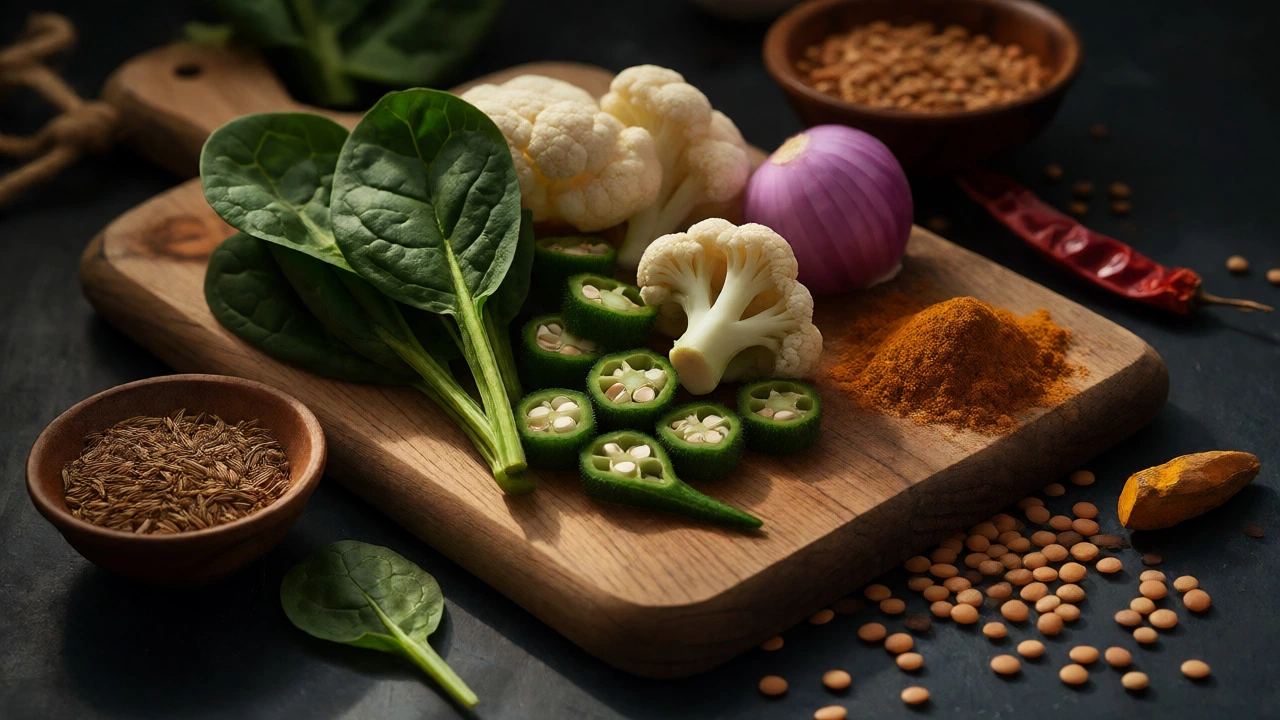
The secret weapon in Indian weight-loss cooking is protein and fiber combination. Lentils (Dal (lentil-based dishes common in South Asian cuisine)) provide plant-based protein that stabilizes blood sugar. Vegetables like okra, spinach, and cauliflower add volume with minimal calories. When you pair these with small portions of complex carbs like millet or brown rice, you create a meal that keeps satiety hormones balanced for hours.
Top Low-Calorie Main Courses
If you are ordering out or cooking at home, steer clear of anything labeled "Korma," "Butter," or "Malai." These terms signal heavy cream usage. Instead, look for these specific dishes:
- Tandoori Chicken: Marinated in yogurt and spices, then cooked in a clay oven. No oil needed. A typical serving has around 150-200 calories and 30g of protein.
- Chana Masala: Chickpeas simmered in tomato-onion gravy. High in fiber and protein. Avoid versions with excessive oil floating on top.
- Rajma (Kidney Bean Curry): Another legume powerhouse. It’s dense, filling, and usually prepared with less fat than meat curries.
- Saag Paneer (Light Version): Spinach and cottage cheese. Ask for it "dry" or with minimal cream. Paneer is high in fat, so portion control is key here.
- Bhindi Masala (Okra): Okra is incredibly low-calorie. When stir-fried with minimal oil and spices, it’s a fantastic side dish.
Notice the pattern? Legumes, grilled proteins, and fibrous vegetables. These are the pillars of a non-fattening Indian diet. They rely on spice blends like cumin, coriander, turmeric, and chili for flavor rather than fat.
Snacking Without the Guilt
India has a massive street food culture, but not all of it is bad. The trick is choosing baked, steamed, or roasted options over fried ones. Here are the best bets for healthy snacking:
| Snack Item | Preparation Method | Approx. Calories (per serving) | Weight Loss Friendly? |
|---|---|---|---|
| Idli (steamed rice cakes made from fermented batter) | Steamed | 39 kcal per piece | Yes |
| Dosa (thin crepe made from fermented rice and lentil batter) | Griddled with little oil | 100-120 kcal per plain dosa | Yes (if plain) |
| Poha (flattened rice dish commonly eaten for breakfast) | Stir-fried with peanuts/veg | 150-200 kcal per bowl | Moderate (watch oil) |
| Vada (deep-fried savory doughnut made from lentils) | Deep-fried | 200+ kcal per piece | No |
| Chaap (spiced chicken or tofu skewers) | Grilled/Baked | 100-150 kcal per skewer | Yes |
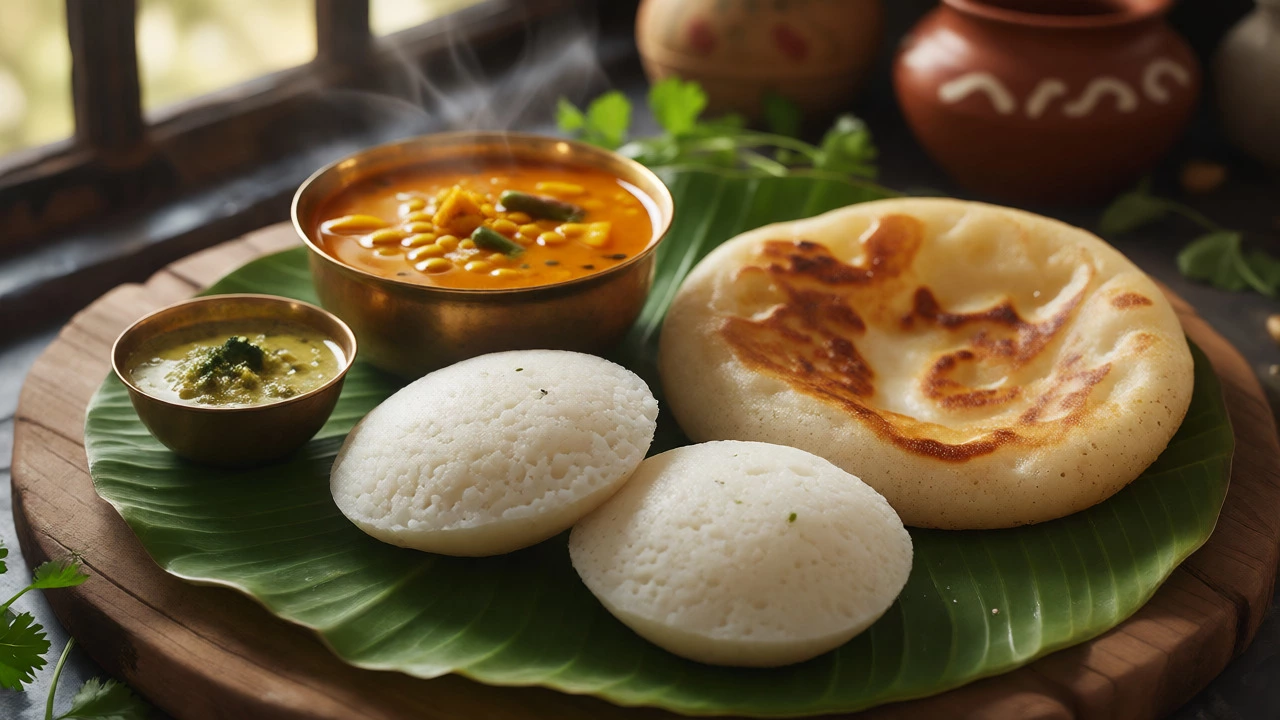
Idlis are arguably the healthiest breakfast item globally. They are steamed, fermented (good for gut health), and gluten-free. Pair them with sambar (lentil stew) instead of coconut chutney to cut calories further. Coconut chutney is delicious but calorie-dense due to the coconut milk base. Sambar adds protein and veggies, making it a superior choice for weight management.
The Carbohydrate Trap: Rice vs. Roti vs. Naan
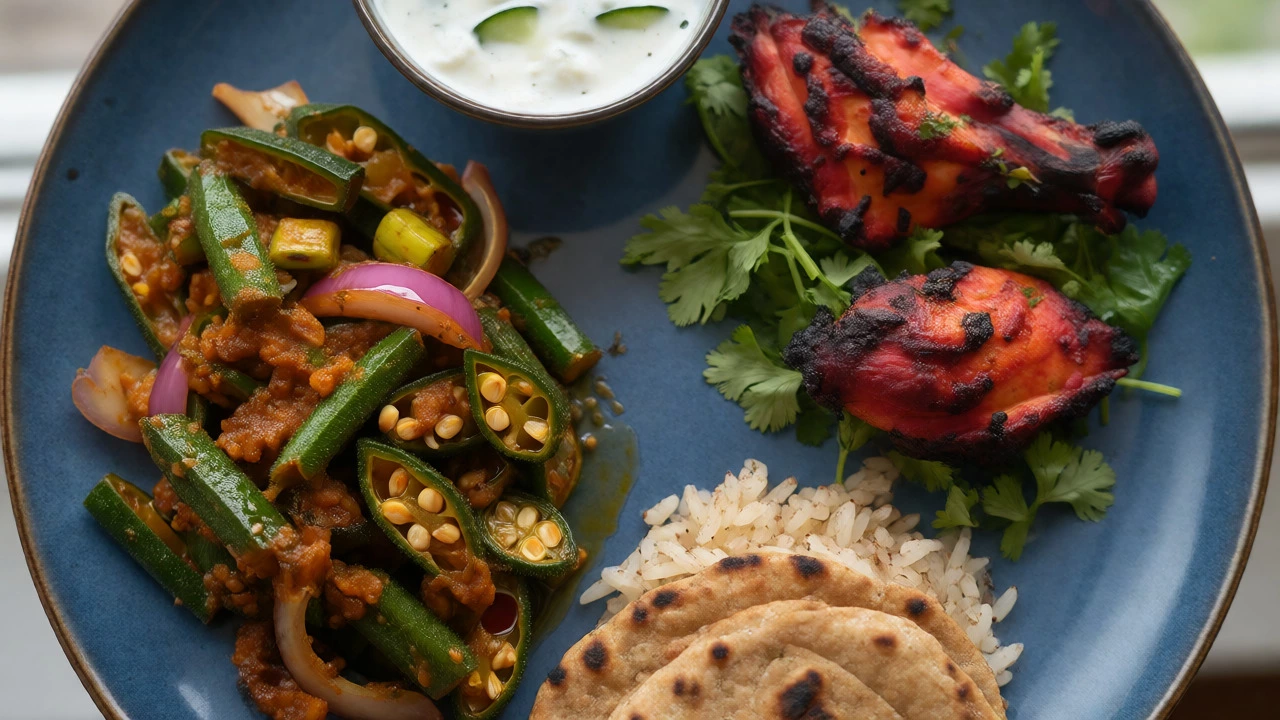
Carbs are where most people go wrong. White rice isn't inherently fattening, but the portion size is. A standard restaurant serving can hit 400 calories before you even add curry. Rotis (whole wheat flatbreads) are better because they contain fiber, which slows digestion. However, homemade rotis are often thicker and larger than necessary.
Naan is the biggest offender. It is leavened with yeast and brushed with ghee. One butter naan can equal two rotis in calories. If you want bread, ask for Tandoori Roti. It is dry, crisp, and made from whole wheat flour. Better yet, switch to millet rotis (Jowar or Bajra). These grains have a lower glycemic index, meaning they won't spike your insulin levels as sharply, helping prevent fat storage.
Regional Gems You Might Be Missing
Not all Indian food looks like North Indian curry. Explore other regions for lighter options:
- South Indian: As mentioned, Idli and Dosa are great. Also try Avial, a mixed vegetable stew with coconut paste, but use less coconut and more tamarind for tanginess.
- Gujarati: Look for Khichdi (rice and lentils cooked together). It’s comforting and easy to digest. Ensure it’s made with yellow moong dal, not heavy masoor dal, for lighter digestion.
- Goan: Fish Curry. Goan curries use coconut milk but also lots of vinegar and chili. The acidity helps cut through the fat. Choose fish over pork or beef for fewer saturated fats.
- Kerala: Appam (fermented rice pancake) served with vegetable stew. The stew is usually broth-based rather than cream-based, making it very light.
Hidden Calories: What to Watch Out For
Even healthy ingredients can become fattening depending on preparation. Here are the hidden traps:
- Tempering (Tadka): Pouring hot oil over spices at the end of cooking adds significant fat. Ask for "less tadka" or skip it entirely.
- Nuts in Gravies: Cashew and almond pastes thicken gravies but add hundreds of calories. Tomato-onion bases are lighter.
- Sweet Chutneys: Mango or tamarind chutneys often have added sugar. Use sparingly.
- Fried Garnishes: Crispy onions or garlic chips are essentially candy-like when fried in oil.
When eating out, communicate clearly. Say, "Please make my curry dry, with no cream, and minimal oil." Most kitchens will accommodate this request. At home, measure your oil. One teaspoon goes a long way in Indian cooking if you bloom the spices properly.
Building Your Perfect Plate
How do you assemble a meal that tastes indulgent but acts like a diet food? Follow this simple formula:
- Half Plate Vegetables: Fill half your plate with sabzi (vegetable dish) like bhindi, lauki (bottle gourd), or palak (spinach).
- One Quarter Protein: Add a scoop of dal, a piece of tandoori chicken, or paneer tikka.
- One Quarter Complex Carb: Two small tandoori rotis or a small cup of brown rice/millet.
- Hydration & Digestion: Finish with a small bowl of raita (yogurt with cucumber) or buttermilk. Yogurt aids digestion and provides probiotics.
This structure ensures you get fiber, protein, and moderate carbs. It prevents the post-meal slump that leads to snacking later. Plus, the variety of textures-crisp roti, soft dal, juicy veggies-keeps you mentally satisfied.
Common Myths About Indian Diets
Let’s bust a few myths. First, "Vegetarian means healthy." Wrong. Aloo Paratha (potato-stuffed bread) fried in ghee is heavier than grilled chicken. Second, "Spicy food burns fat." Capsaicin in chili peppers does boost metabolism slightly, but it won’t offset a cream-heavy curry. Third, "Ghee is bad." Ghee contains conjugated linoleic acid (CLA) and butyrate, which have anti-inflammatory properties. The issue is quantity, not quality. A teaspoon is fine; a ladle is not.
Another myth is that you must eat less to lose weight. Indian cuisine offers high-volume, low-calorie options. You can eat a large bowl of sambar-rice combo and feel fuller than you would after a small pasta dish. The key is nutrient density, not just calorie counting.
Final Thoughts on Eating Light
Indian food doesn't have to be an obstacle to your fitness journey. It can be the fuel that powers it. By focusing on steamed, grilled, and legume-based dishes, you unlock a diverse, flavorful, and satisfying diet. Start small: swap one white rice meal for quinoa or millet, replace cream with tomato puree in your curries, and choose idli over vada for breakfast. Your body-and your taste buds-will thank you.
Is Dal fattening?
No, dal itself is not fattening. It is high in protein and fiber. However, dals prepared with excessive ghee, cream, or fried garnishes can become calorie-dense. Stick to thin, soupy consistency dals like Moong or Toor dal for weight loss.
Can I eat rice while losing weight?
Yes, but portion control is critical. Opt for smaller portions of white rice or switch to brown rice, red rice, or millets. Pair rice with plenty of vegetables and protein to lower the overall glycemic load of the meal.
Which Indian snack is lowest in calories?
Idli is generally the lowest-calorie popular snack, containing about 39 calories per piece. Steamed momos and Dhokla are also excellent low-calorie options compared to fried snacks like Samosas or Vadas.
Is Paneer good for weight loss?
Paneer is high in protein but also high in saturated fat. It can fit into a weight-loss diet in moderation. Choose low-fat paneer if available, and prepare it by grilling or sautéing with minimal oil rather than frying in butter.
Does drinking chai make you gain weight?
Chai itself is low in calories, but the sugar and full-fat milk add up. A typical cup with two spoons of sugar and whole milk can have 100-150 calories. Switch to black tea, green tea, or use skim milk and less sugar to keep it weight-friendly.