Mild Indian Dish Finder
Select a Dish
Click on any dish from the left list
Choose a dish to see if it's safe for your palate.
Most people think mild means bland, but in Indian cooking, it actually means balanced. You get all the aromatic depth of cumin, coriander, and turmeric without the fiery kick of dried chilies or heavy amounts of fresh green chilies. If you are new to Indian flavors or just have a sensitive stomach, finding that sweet spot between "tasty" and "burning your tongue" is the biggest hurdle.
This guide breaks down the specific dishes that consistently rank as the gentlest on the palate. We will look at why certain ingredients create heat versus aroma, which vegetables hold up best in low-spice preparations, and how to order these meals safely if you are eating out. Whether you are cooking at home or navigating a menu, these options deliver authentic flavor without the burn.
Why Some Indian Food Feels Hot While Others Feel Warm
To understand what makes a dish mild, you first need to separate heat from flavor. In many cuisines, spice equals heat. In Indian cooking, they are often distinct. The heat usually comes from capsaicin found in chili peppers. However, the rich, earthy taste you love comes from whole spices like cumin seeds, cardamom pods, and cloves.
A mild dish relies heavily on these aromatic whole spices while minimizing or omitting the chili peppers entirely. For example, a curry can be deeply flavored with roasted cumin and ginger but still be perfectly palatable for a child or someone who avoids spiciness. The key ingredient to watch out for is mirchi (chili). If a recipe calls for dried red chilies, Kashmiri chilies, or fresh green chilies, the heat level jumps significantly. Mild dishes typically use only a pinch of turmeric for color and a small amount of black pepper for subtle warmth, rather than direct chili heat.
The Top 5 Mildest Dishes for First-Timers
If you want to try Indian food without risking a spicy surprise, start with these five classics. They are staples in both home kitchens and restaurants across India because they appeal to almost everyone, regardless of their spice tolerance.
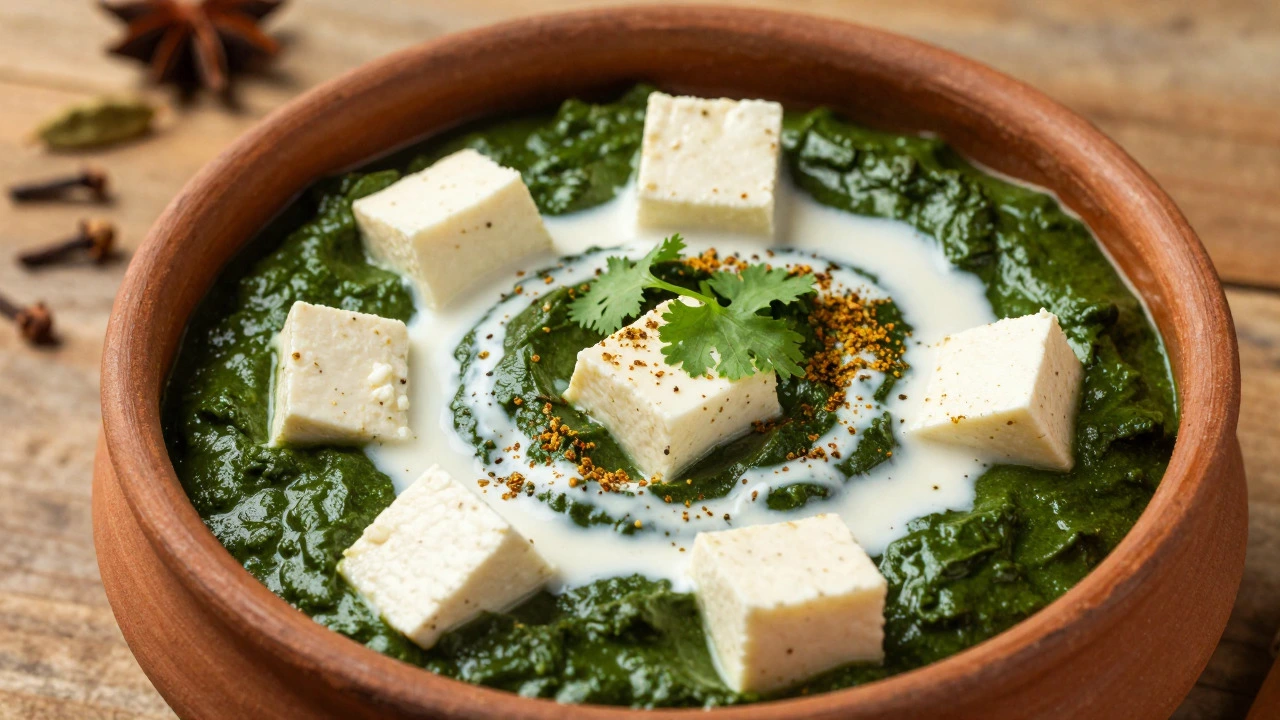
- Palak Paneer: This is spinach puree cooked with soft cubes of paneer (Indian cottage cheese). The spinach has a natural bitterness that balances the creamy cheese, and the base gravy is usually made with onions, tomatoes, and cream. It is rarely spicy unless specifically requested. The texture is smooth and comforting, making it an ideal entry point.
- Dal Tadka: Lentils are the backbone of Indian vegetarian food. A standard dal is boiled until soft and mashed slightly. The "tadka" is a tempering of hot oil with cumin seeds and garlic. While some versions add green chilies, the base lentil flavor is earthy and mild. Yellow split peas (moong dal) are particularly gentle on the stomach.
- Malai Kofta: These are meatballs (often made from minced chicken or mutton) simmered in a creamy tomato-based sauce. The word "malai" means cream, signaling a rich, non-spicy profile. The meatballs are tender, and the sauce is sweet-tart from the tomatoes, providing a cozy meal that feels more like a stew than a spicy curry.
- Kheera Salad (Cucumber Raita): Sometimes the mildest thing on the plate is the side dish. Cucumber raita is yogurt mixed with grated cucumber, a pinch of salt, and sometimes a dash of roasted cumin powder. It is cooling, refreshing, and virtually zero-heat. It serves as a perfect palate cleanser alongside other foods.
- Bhindi Masala (Okra): Okra is stir-fried with onions and tomatoes. Unlike leafy greens or legumes, okra holds its shape well. When prepared mildly, it uses mostly cumin and turmeric. It has a slight stickiness that some find unusual, but the flavor is neutral enough to pair with bread or rice without overwhelming the senses.
Vegetables That Naturally Resist Heat
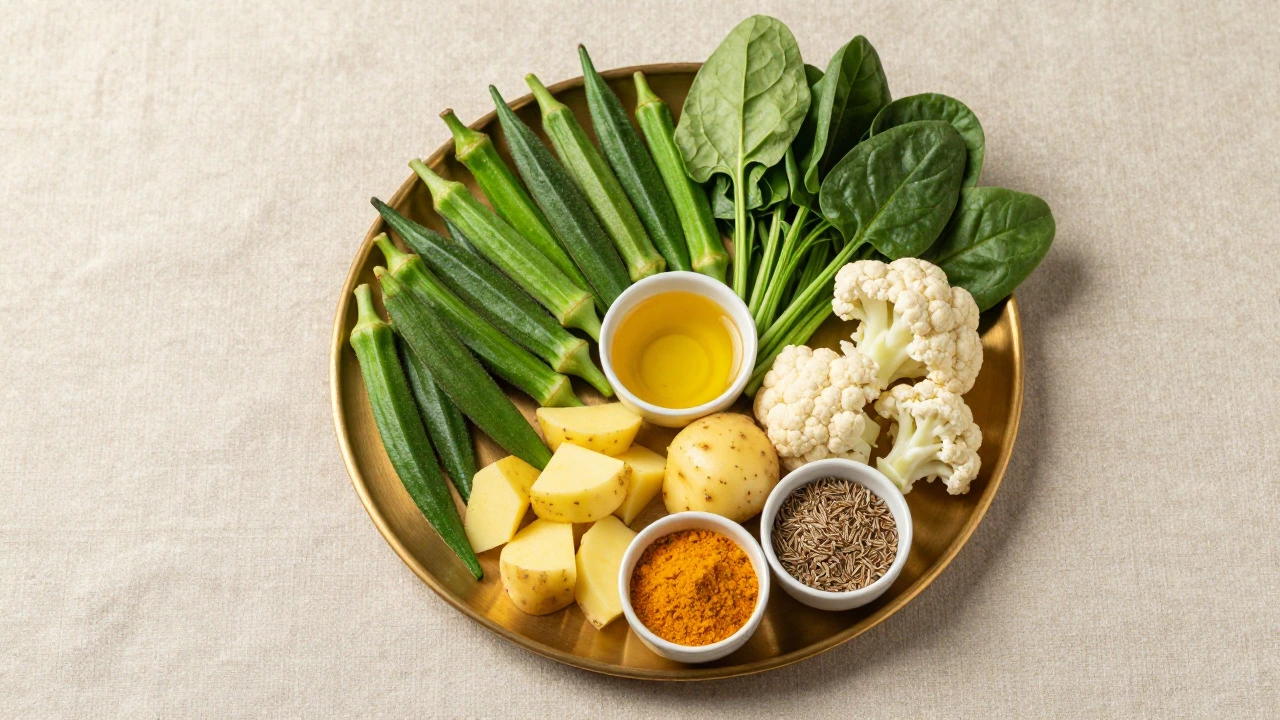
Not all vegetables react the same way to spices. Some absorb heat aggressively, while others remain neutral. Knowing which vegetables are naturally mild helps you build your own safe plates when dining out or cooking at home.
| Vegetable | Spice Absorption Level | Best Mild Preparation |
|---|---|---|
| Cauliflower | Low | Roasted with lemon and herbs |
| Potato | Medium-High | Boiled or lightly fried with cumin |
| Spinach | Low | Sautéed with garlic and cream |
| Okra | Medium | Stir-fried with tomatoes |
| Beans (Green) | Low | Steamed or lightly sautéed |
Cauliflower and spinach are champions of mildness. Their cellular structure doesn't trap capsaicin molecules as effectively as dense root vegetables do. Potatoes, on the other hand, are sponges for flavor. If you put potatoes in a spicy curry, they become spicy. If you keep them in a mild one, they stay mild. This makes potatoes a great vehicle for introducing new aromatics without adding heat. Green beans are another underappreciated option; they retain a crisp texture and a sweet, grassy flavor that stands up to light seasoning without needing heavy spices to make them interesting.
Navigating Restaurant Menus Without Burning Your Tongue
Eating out introduces variables you don't control at home. Regional styles vary wildly. A "mild" dish in Mumbai might be considered medium-hot in Delhi. Here is how to decode menus and ask the right questions to ensure you get what you expect.
- Look for Cream-Based Sauces: Words like "Malai," "Kasundi" (sometimes), or "White Sauce" indicate dairy or butter usage. Fat binds with capsaicin, reducing the perceived heat. These dishes are inherently less aggressive.
- Avoid "Tikka" and "Keema": Tikka refers to grilled meats, often marinated in strong spice blends. Keema is minced meat, which releases juices that can intensify spice perception. Stick to curries or stews instead.
- Ask About "Dried Chilies": Fresh green chilies provide a sharp, immediate heat. Dried red chilies provide a deeper, lingering burn. Ask the server: "Does this contain dried red chilies?" If yes, assume it will be hotter than a dish with only fresh herbs.
- Order Rice or Naan as a Buffer: Starchy carbohydrates dilute spice. Plain basmati rice or butter naan acts as a neutral canvas. Avoid pickles or chutneys on the side if you are sensitive, as these are often intensely spiced condiments.
It is also worth noting that "Extra Mild" is a standard request in most Indian restaurants. Don't be afraid to ask for it. Chefs understand that not every guest loves heat. They can adjust the masala mix before it hits the pan, ensuring the dish retains its aroma but loses its fire.
Simple Home Cooking: A 15-Minute Mild Curry
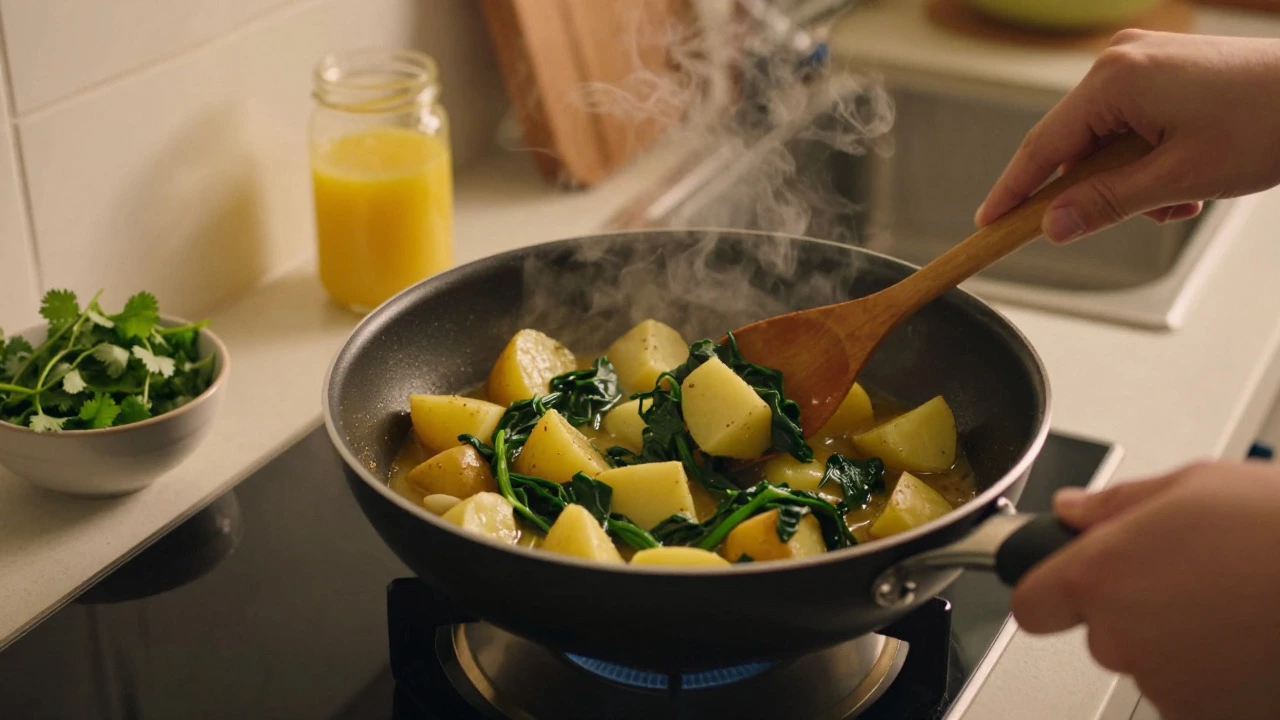
You don't need complex equipment to make a deliciously mild Indian meal. This simple potato and spinach curry takes about 15 minutes and uses ingredients you likely already have. It demonstrates how to build flavor layers without relying on chili peppers.
Ingredients
- 2 medium potatoes, cubed small
- 2 cups fresh spinach, chopped
- 1 onion, finely diced
- 2 tbsp ghee or olive oil
- 1 tsp cumin seeds
- 1/2 tsp turmeric powder
- 1/4 tsp salt
- 1 cup water
- Fresh cilantro for garnish
Instructions
- Heat the ghee in a pan over medium heat. Add the cumin seeds and let them sizzle for 30 seconds until fragrant.
- Add the diced onions. Sauté for 5-7 minutes until they turn golden brown. Do not rush this step; the caramelization adds sweetness that replaces the need for heat.
- Add the turmeric powder and stir for 30 seconds to cook out the raw taste.
- Add the potato cubes and 1 cup of water. Cover and simmer for 8-10 minutes until the potatoes are fork-tender.
- Uncover, increase heat slightly, and stir in the chopped spinach. Cook for 2 minutes until the spinach wilts completely.
- Season with salt. Taste and adjust. Garnish with fresh cilantro.
This dish highlights the power of slow-cooked onions and quality fats. The result is a savory, slightly sweet curry that tastes sophisticated but feels gentle. It pairs perfectly with plain steamed rice or toasted flatbread.
Is Dal always spicy?
No. Basic dals are very mild. Spiciness depends on the "tadka" (tempering). If the tadka includes green chilies or dried red chilies, it will be hotter. Ask for "no chilies" or "extra mild" when ordering dal to ensure a gentle version.
Can I eat Indian food if I have acid reflux?
Yes, but choose wisely. Avoid tomato-heavy sauces and high-fat creams, which can trigger reflux. Opt for broth-based dishes like clear soups or light vegetable curries. Ginger is generally helpful for digestion, so ginger-infused mild dishes are often better tolerated than heavy, oily ones.
What is the difference between "medium" and "hot" in Indian restaurants?
In many restaurants, "medium" is the default level for most customers. It contains moderate chili content. "Hot" adds significant extra dried chilies or fresh green chilies. If you prefer mild, do not rely on "medium" being gentle; explicitly request "mild" or "extra mild" to avoid surprises.
Are Indian sweets spicy?
Rarely. Most traditional Indian desserts like Gulab Jamun, Rasgulla, or Kheer are sweet and aromatic, featuring cardamom or saffron rather than chili. Cardamom provides a floral, warm note that is pleasant without being hot. Check for specific regional variations, but generally, sweets are safe for spice-sensitive individuals.
How do I make my own homemade Indian food less spicy?
Reduce the amount of chili powder or fresh chilies in the recipe by half or more. Increase the ratio of liquids (water, stock, or yogurt) to dilute the spices. Add a small amount of sugar or honey to balance any residual heat. Finally, serve with plenty of plain rice or yogurt-based raita to cool the palate.