Dal Decoder: Indian to American Menu Translator
Confused by menu descriptions? Click a traditional Indian Dal name below to see how it's typically described in American restaurants and what flavor profile to expect.
Toor Dal
Pigeon PeasMasoor Dal
Red LentilsMoong Dal
Mung BeansChana Dal
Split ChickpeasUrad Dal
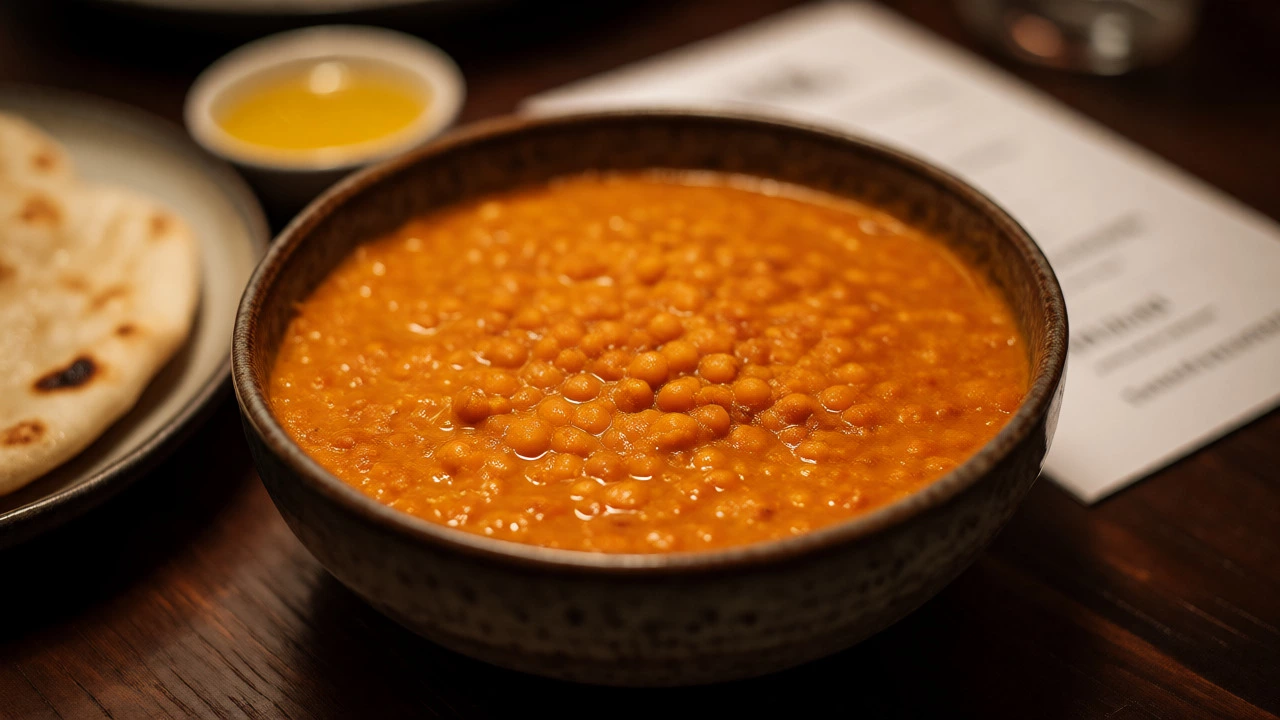
Black GramYou walk into an upscale restaurant in New York or a trendy spot in Los Angeles. The menu doesn't say "Dal." It says "Spiced Red Lentils" or "Yellow Split Pea Soup." You order it, expecting the comforting, creamy bowl of Dal is a staple dish in South Asian cuisine made from split pulses such as lentils, peas, or beans you grew up with. But when it arrives, it’s thinner, less spiced, and served with a side of naan that costs $8. Why the name change? And more importantly, does it taste the same?
The short answer: Americans rarely use the word "dal" unless they are specifically targeting an Indian-American audience. To the average US consumer, "dal" sounds foreign, unintelligible, or even like a brand name for something else entirely (like the Dutch cheese). Instead, they rely on descriptive English terms based on the specific type of pulse used. If you’re trying to explain your favorite comfort food to a friend in Chicago, or if you’re writing a menu for a diverse crowd, you need to know the translation.
The Great Name Translation: From Hindi to English
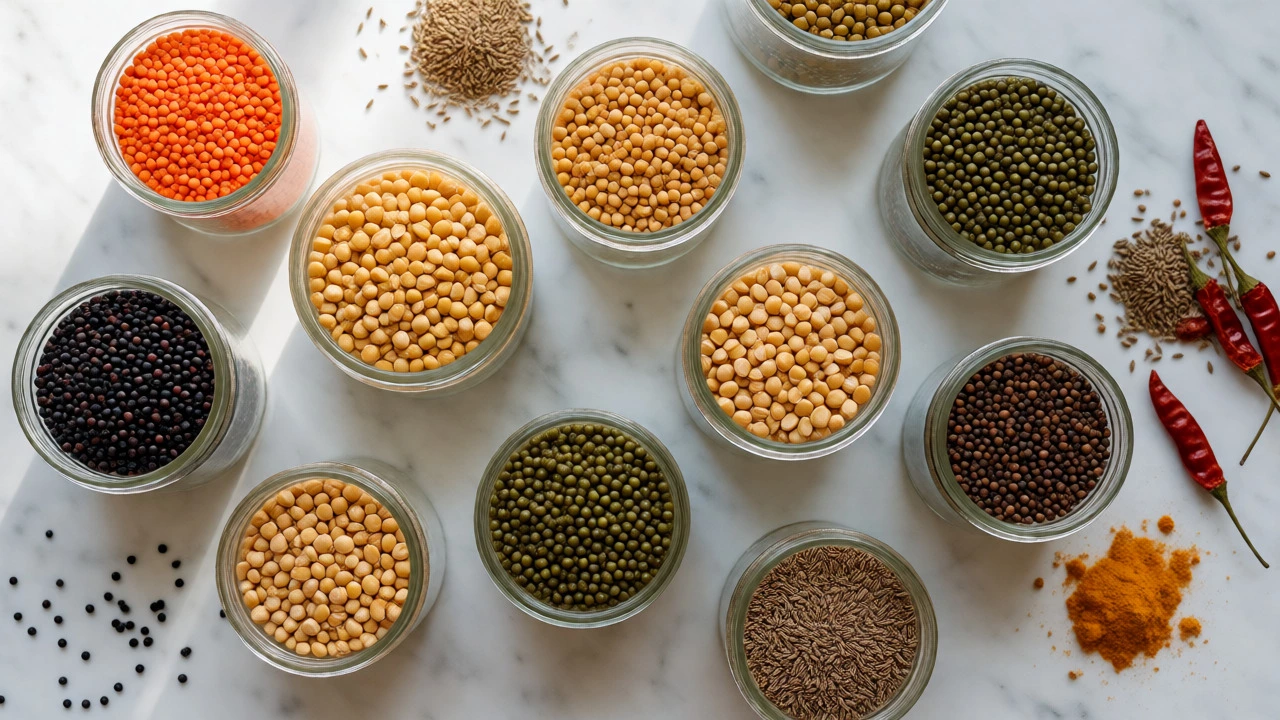
In India, "dal" is a catch-all term. It refers to both the raw ingredient (split pulses) and the cooked stew. In the US, this dual meaning breaks down because English distinguishes sharply between the raw dry good and the prepared meal. Furthermore, American grocery stores don’t stock "dal" in bulk bins labeled as such. They stock "red lentils," "yellow split peas," and "chickpeas." This creates a linguistic gap.
When an American chef wants to sell a dal-inspired dish, they have to choose words that trigger appetite rather than confusion. Here is how the common types of dal translate in the American market:
| Indian Term | Primary Ingredient | Common American Menu Description | Flavor Profile Expectation |
|---|---|---|---|
| Toor Dal | Pigeon Peas (Split) | Spiced Pigeon Pea Stew | Nutty, earthy, often tempered with garlic |
| Masoor Dal | Red Lentils | Creamy Red Lentil Soup | Mild, sweet, quick-cooking, bright orange |
| Moong Dal | Mung Beans (Split) | Golden Mung Bean Curry | Light, delicate, easily digestible |
| Chana Dal | Chickpeas (Split) | Split Chickpea Stew | Firm texture, savory, holds shape well |
| Urad Dal | Black Gram (Split) | Black Lentil Cream | Rich, buttery, thick consistency |
Notice the pattern? Americans prefer specificity over generality. Saying "Lentil Soup" is vague-does it mean brown lentils? Green? Red? By specifying "Red Lentil," the diner knows exactly what color and texture to expect. This is crucial because red lentils break down completely into a puree, while brown lentils stay intact. If you serve a chunky brown lentil soup and call it "Masoor Dal," an Indian customer will be confused. If you serve a smooth red lentil puree and call it just "Lentil Soup," an American might think it’s too thin.
Why "Dal" Doesn’t Stick in Mainstream US Culture
You might wonder why other ethnic foods keep their original names. We eat "sushi," not "raw fish rolls." We order "tacos," not "corn tortilla wraps." So why does dal get renamed?
Three main factors drive this shift:
- Phonetic Confusion: To an untrained ear, "dal" sounds like "doll," "dahl," or even the name of Roald Dahl. It lacks the immediate culinary recognition that "curry" or "tikka" has gained.
- Ingredient Awareness: The health food movement in the US has popularized "lentils" and "quinoa" but hasn’t fully embraced "pulses" or "dal." Americans shop by ingredient, not by regional cuisine category. A bag of red lentils at Whole Foods is labeled "Red Lentils," not "Masoor Dal." Therefore, the menu matches the pantry.
- Texture Misconceptions: Many Americans associate "stew" with hearty, chunky meat dishes. "Soup" implies broth. Dal sits in an awkward middle ground-a thick, creamy porridge-like consistency. Describing it as "Creamy Red Lentil Soup" manages expectations better than "Dal," which might imply a watery broth to some.
This isn’t just about marketing; it’s about clarity. When a waiter describes a dish as "slow-cooked yellow split peas with cumin," the customer visualizes the meal. If they say "Dal Tadka," the customer asks, "Is that spicy? Is it vegetarian? What kind of bean is it?" The descriptive approach removes friction from the ordering process.
How to Cook "American-Style" Dal That Still Tastes Authentic
If you’re cooking for friends who aren’t familiar with Indian spices, you can bridge the gap without sacrificing flavor. The key is understanding which spices define the dish versus which ones are optional garnishes.
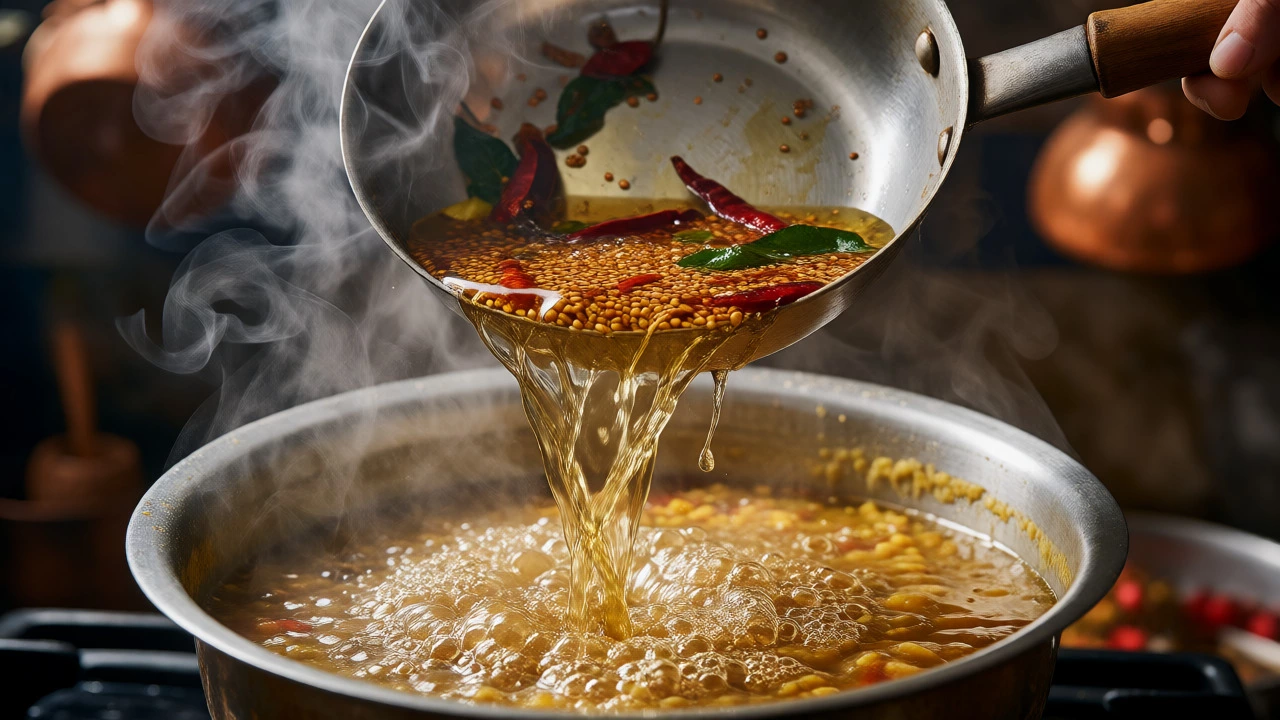
A standard American interpretation of dal often misses the "tadka" (tempering) step, where spices are fried in oil or ghee before being poured over the cooked lentils. This step provides the aromatic punch. Without it, dal tastes like boiled beans. With it, it smells like a restaurant.
Here’s a simple framework for making a crowd-pleasing version of Masoor Dal (Red Lentil) that works for beginners:
- Rinse Thoroughly: Unlike dried beans, red lentils don’t need soaking, but they must be rinsed until the water runs clear. This removes dust and prevents a gritty texture.
- Sauté Aromatics First: Don’t just dump everything in a pot. Sauté onions, garlic, and ginger in oil until golden. This builds the flavor base.
- Bloom the Spices: Add turmeric, cumin, and coriander powder to the hot oil-onion mixture. Cook for 30 seconds until fragrant. Adding spices directly to boiling water results in a flat taste.
- Simmer Until Creamy: Add the lentils and water. Simmer for 15-20 minutes. Mash some of the lentils against the side of the pot with a spoon to thicken the consistency.
- The Tadka (The Secret Weapon): In a separate small pan, heat ghee or oil. Add mustard seeds, dried red chilies, and curry leaves. Once the seeds pop, pour this sizzling oil over the finished dal. Stir gently. This adds depth and aroma that defines authentic dal.
By following these steps, you create a dish that satisfies the American desire for "comfort food" while retaining the soul of Indian cuisine. Serve it with basmati rice or naan bread, and you’ll see why this dish is gaining popularity beyond immigrant communities.
Navigating Grocery Stores: Finding Your Ingredients
Shopping for dal ingredients in the US can be tricky if you stick to the "International Foods" aisle. Often, the selection there is limited to pre-packaged mixes with high sodium content. For better quality and lower cost, look elsewhere.
Check the "Bulk Bins" section of natural grocery stores like Trader Joe’s, Whole Foods, or Sprouts. You’ll find loose red lentils, yellow split peas, and chickpeas here. Buying in bulk allows you to buy only the amount you need, ensuring freshness. Old lentils take longer to cook and lose flavor.
For spices, skip the generic "Curry Powder" blends found in the spice rack. These are often inconsistent and lack the individual notes of cumin, coriander, and turmeric. Buy whole spices and grind them yourself, or purchase single-ground spices. Turmeric should be bright orange, not dull yellow. Cumin seeds should smell earthy and warm, not dusty.
If you can’t find specific dals like Urad Dal (black gram) or Chana Dal (split chickpeas), check online retailers like Amazon or specialized Indian grocery websites. Physical Indian grocery stores are also popping up in suburban areas across the US, offering a wider variety than mainstream supermarkets.
Health Benefits: Why Americans Are Embracing Lentils
Part of the reason dal is becoming more recognizable in the US is its alignment with current dietary trends. Americans are increasingly interested in plant-based proteins, gluten-free options, and anti-inflammatory foods. Dal checks all these boxes.
Lentils are rich in iron, folate, and fiber. They provide sustained energy without the blood sugar spikes associated with white rice or pasta. For vegetarians and vegans, dal is a critical protein source. Pairing dal with rice creates a complete protein profile, containing all essential amino acids.
Nutritionists often recommend replacing one meat-based meal per week with a legume-based dish. Dal fits this recommendation perfectly. It’s affordable, versatile, and nutritious. As the "flexitarian" diet grows, dishes like dal move from niche ethnic food to mainstream healthy eating.
Regional Variations: Not All Dals Are Created Equal
It’s important to note that "dal" isn’t a monolith. Northern Indian dal tends to be richer, using cream, butter, or yogurt. Southern Indian sambar, while technically a lentil-based vegetable stew, is tangier due to tamarind and coconut. Gujarati dal is often sweeter, incorporating jaggery (unrefined cane sugar).
When explaining dal to Americans, context matters. If you’re serving a North Indian style dal, describe it as "creamy and mild." If it’s a South Indian sambar, call it "tangy and spicy." Mislabeling can lead to disappointment. An American expecting a mild, creamy soup might be shocked by the heat and sourness of a traditional sambar. Clarity in description sets the right expectation.
Furthermore, the garnish plays a huge role. Fresh cilantro, a squeeze of lemon, or a swirl of cream changes the perception of the dish significantly. These finishing touches make the dish feel fresh and tailored, appealing to the modern American palate that values freshness and customization.
Frequently Asked Questions
Is dal the same as lentil soup?
Not exactly. While both use lentils, dal typically involves split pulses that break down into a thick, creamy consistency, whereas Western lentil soup often uses whole lentils that retain their shape and has a brothier texture. Dal also relies heavily on tempering spices in oil, which gives it a distinct aromatic profile different from typical herb-and-vegetable soups.
Can I substitute red lentils for any dal recipe?
You can substitute red lentils for Masoor Dal recipes easily. However, they cook very quickly and turn mushy, so they are not suitable for dishes requiring firm textures like Chana Dal or Urad Dal. If a recipe calls for those, using red lentils will result in a puree rather than a stew with distinct pieces.
Why do Americans call it "pulse" sometimes?
"Pulse" is a technical agricultural term referring to the edible seeds of leguminous plants harvested solely for grain. It includes lentils, beans, and peas. While chefs and nutritionists may use "pulse" to sound precise or scientific, diners generally respond better to specific names like "lentils" or "chickpeas" because they understand the ingredient better.
Is dal gluten-free?
Yes, plain dal made from lentils, water, and spices is naturally gluten-free. However, always check packaged spice mixes or pre-made dal bases for additives like wheat flour or barley malt, which are sometimes used as thickeners or flavor enhancers. Homemade dal is safer for those with celiac disease or gluten sensitivity.
What is the difference between dal and curry?
In Indian cuisine, dal is specifically a lentil-based dish, while curry is a broader category involving vegetables, meats, or paneer in a spiced sauce. Dals are usually simpler, focusing on the flavor of the lentil itself enhanced by tempering. Curries often have complex gravy bases involving tomatoes, onions, and cream. However, in the US, the term "curry" is loosely applied to almost any saucy Indian dish, leading to confusion.