Biryani Aroma Calculator
Enter the amount of rice (in kg) to calculate the precise quantities of whole spices and aromatics needed for the perfect signature scent.
Walk past a restaurant serving Biryani is a complex, layered rice dish originating from the Indian subcontinent, known for its rich aroma and tender meat or vegetables cooked with fragrant basmati rice, and you don’t just see it; you smell it before you even reach the door. That intoxicating scent pulls you in like a magnet. But what exactly creates that signature fragrance? Is it just one magic spice? Or is it a secret ingredient passed down through generations?
The truth is, the smell of great biryani isn’t an accident. It’s a calculated explosion of volatile compounds released by specific ingredients at precise temperatures. If your biryani smells flat, earthy, or just like plain boiled rice, you’re missing key elements in the layering process. Let’s break down the exact sources of that heavenly aroma so you can recreate it in your own kitchen.
The Foundation: Toasted Whole Spices (Khada Masala)
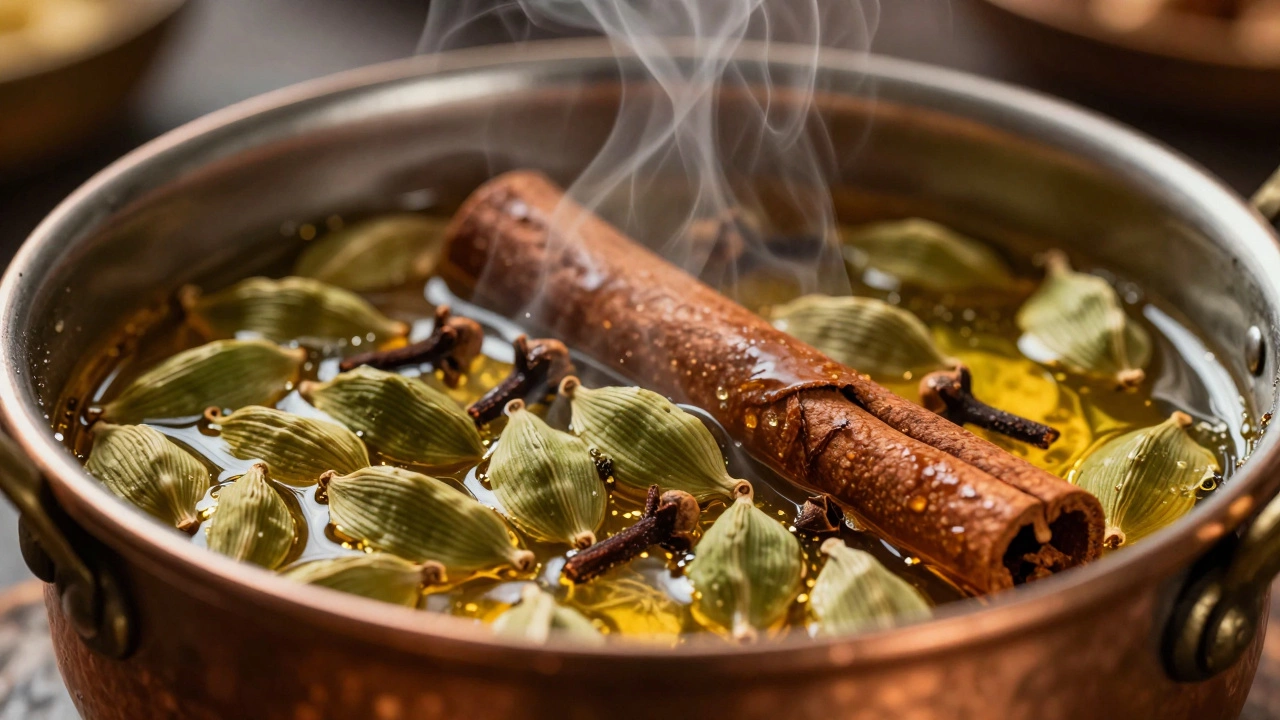
Before any meat hits the pot, the foundation of the aroma is laid with whole spices. This step is non-negotiable. You cannot achieve that deep, resonant smell using only ground powders. Ground spices oxidize quickly and lose their top notes-the very part of the molecule that creates the immediate "hit" of smell when you open the lid.
Cardamom is an aromatic spice pod used in both sweet and savory dishes, providing a floral, eucalyptus-like scent and Cinnamon is a bark spice that adds warm, woody sweetness to savory curries provide the high-frequency notes. These are the first things you smell. However, they need support. That’s where Cloves are small, dried flower buds with a strong, pungent, and slightly medicinal aroma come in. Cloves contain eugenol, a compound that is incredibly potent. Just two or three cloves per kilogram of rice is enough. Too many, and the biryani will taste like dental floss. The goal is background warmth, not dominance.
Don’t forget the Bay Leaf is a dried leaf from the bay laurel tree, adding a subtle citrusy and herbal note to slow-cooked dishes. It sounds mild, but when heated in oil, it releases tannins that cut through the richness of the ghee or oil, allowing the other spices to shine brighter. Always toast these whole spices in hot oil until they crackle. That sizzle is the sound of flavor molecules being unlocked.
The Soul: Fried Onions (Birista)
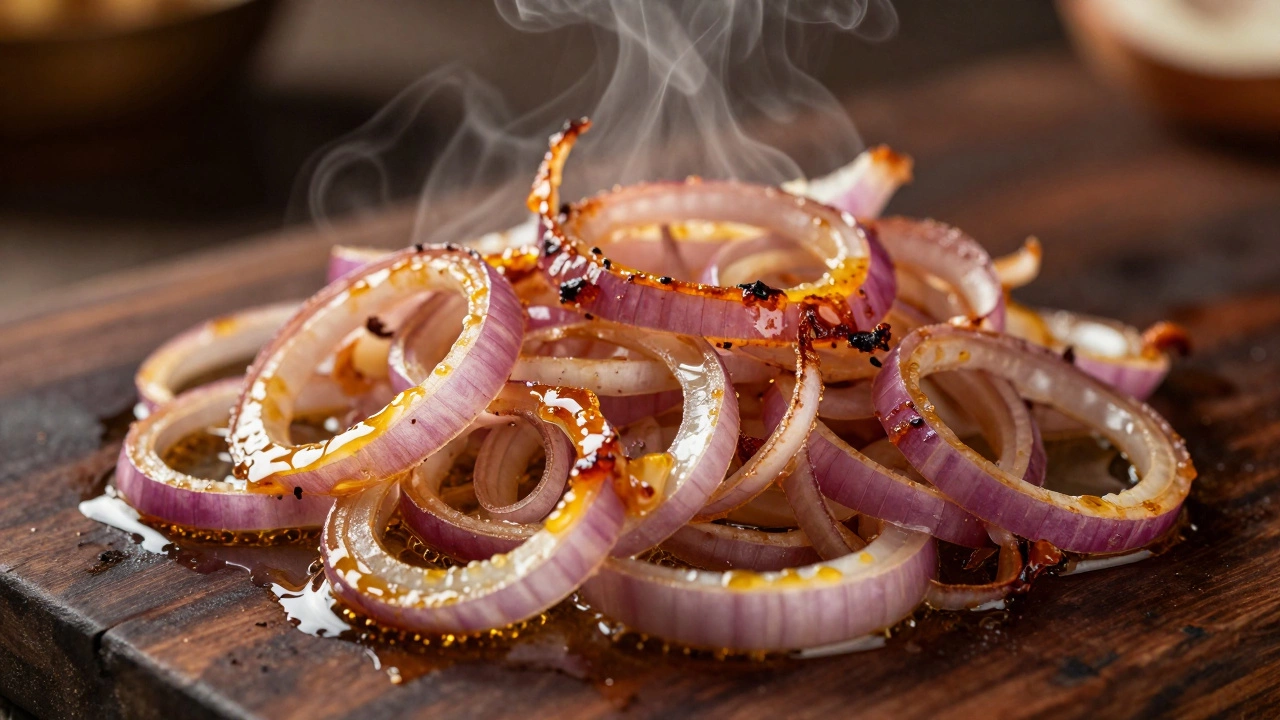
If whole spices are the foundation, then Fried Onions are thinly sliced onions deep-fried until golden brown and crispy, essential for biryani's color and caramelized aroma are the soul. In culinary terms, this is the Maillard reaction in action. When onions are fried slowly in oil until they turn deep amber, their natural sugars caramelize. This creates hundreds of new flavor compounds that are nutty, sweet, and deeply savory.
Many home cooks skip this step because it’s tedious. They use raw onion or lightly sautéed onion. The result? A biryani that tastes good but smells ordinary. The aroma of birista is distinct-it’s smoky and rich. It permeates every grain of rice. For the best results, slice red onions thinly and fry them in clarified butter (ghee) rather than vegetable oil. Ghee has a higher smoke point and adds a milky, nutty undertone that complements the onion’s sweetness perfectly. Reserve some of the oil from frying the onions; infusing your rice water with this oil transfers that caramelized scent directly into the starch.
The Floral Lift: Saffron and Rose Water
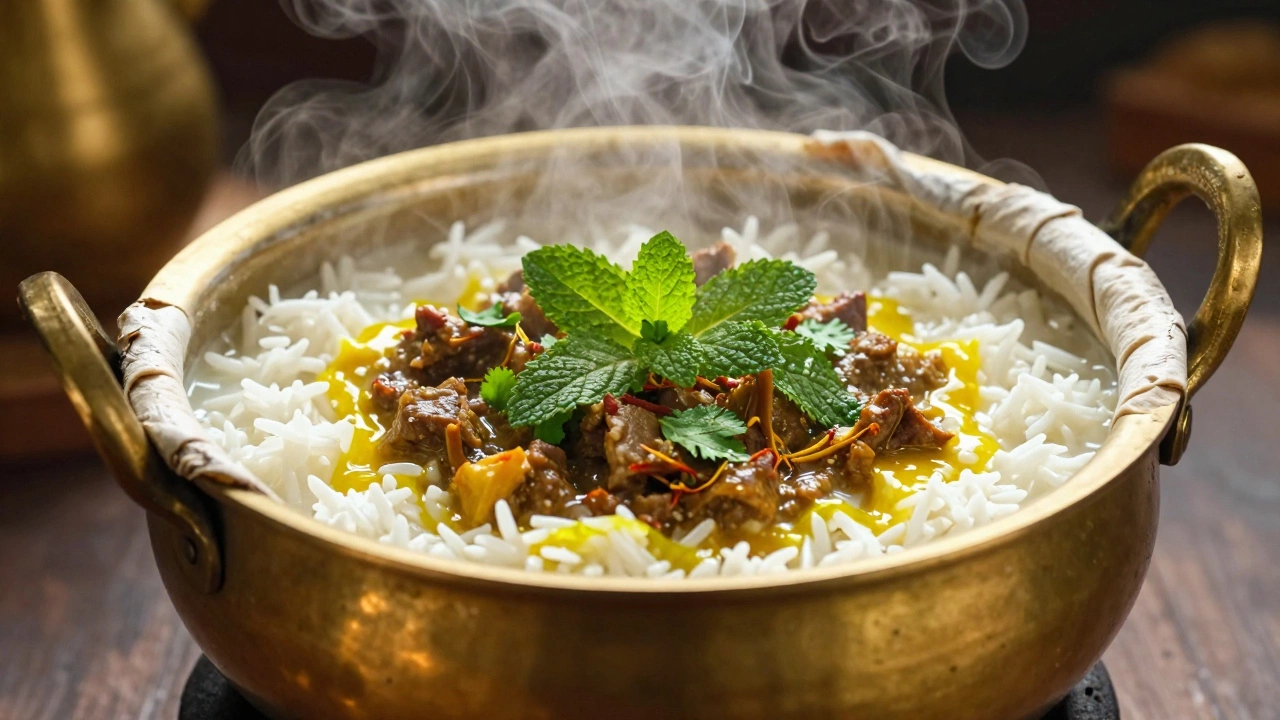
While onions and whole spices provide depth, they lack lift. They sit low in the olfactory spectrum. To get that airy, luxurious top note, you need florals. This is where Saffron is the world's most expensive spice, derived from the Crocus sativus flower, prized for its golden color and hay-like aroma enters the chat.
Saffron doesn’t add much flavor on its own, but its aroma is unmistakable. It smells like honey, hay, and earth combined. To maximize this, never dump dry saffron threads directly onto the rice. Instead, crush a pinch of saffron into a fine powder and steep it in warm milk or cream for at least 15 minutes. The fat in the milk binds with the saffron’s lipophilic (fat-loving) aromatic compounds, releasing them more effectively when steamed. Drizzle this golden liquid over the final layer of rice before sealing the pot. It creates a visual and olfactory crown jewel.
For an authentic Hyderabad or Lucknow style touch, add a few drops of Rose Water is a hydrosol produced by distilling rose petals, used as a fragrance enhancer in Middle Eastern and South Asian cuisine. Be careful here. Most commercial rose water is perfumed and artificial. Look for food-grade, pure rose water. One teaspoon is enough for a large pot. It adds a delicate, romantic scent that balances the heaviness of the meat and spices.
The Green Element: Fresh Herbs
We often think of biryani as a dry-spice dish, but fresh herbs play a critical role in the aroma profile. Specifically, Mint is a cooling herb with a sharp, refreshing scent that cuts through rich fats and Coriander Leaves are fresh green leaves with a citrusy, peppery aroma, widely used as a garnish and flavoring agent in Indian cooking.
Dry mint loses its volatile oils quickly. Fresh mint, however, releases menthol and other terpenes when heated gently during the steaming process. Chopped fresh mint mixed into the rice layers provides a bright, cooling contrast to the hot, spicy meat below. Coriander leaves add a grassy, citrusy freshness that prevents the dish from smelling monotonous. Layer generous handfuls of chopped mint and coriander between the rice and meat. As the steam rises, it carries these green notes upward, creating a complex, multi-layered scent experience.
The Technique: Dum Cooking
You can have all the right ingredients, but if you boil the rice aggressively, the aroma escapes. The secret to trapping the smell is the Dum Pukht is a traditional slow-cooking method where food is sealed in a pot and cooked over low heat, trapping steam and aromas technique. "Dum" means breath or vapor. The idea is to create a closed ecosystem.
Once your rice is par-boiled and your meat gravy is ready, layer them in a heavy-bottomed pot. Seal the edges tightly. Traditionally, chefs use dough made from flour and water to seal the lid to the pot. In modern kitchens, a tight-fitting lid wrapped in aluminum foil works well. Place the pot on low heat for 20-30 minutes. This allows the flavors to marry and the aromas to circulate within the pot, soaking into every grain. When you finally break the seal, the accumulated pressure releases a burst of concentrated fragrance. This is the moment of truth.
Comparison of Key Aroma Contributors
| Ingredient | Aroma Profile | Best Usage Tip |
|---|---|---|
| Fried Onions (Birista) | Caramelized, Nutty, Sweet | Fry in ghee until dark amber; reserve oil for rice |
| Saffron | Floral, Hay-like, Honeyed | Steep in warm milk for 15 mins before drizzling |
| Whole Cardamom | Floral, Eucalyptus, Citrus | Toast in hot oil until crackling |
| Fresh Mint | Cooling, Refreshing, Green | Layer fresh chopped leaves between rice and meat |
| Rose Water | Delicate, Romantic, Floral | Use sparingly; 1 tsp per kg of rice max |
| Cloves | Pungent, Warm, Medicinal | Limit to 2-3 cloves per kg to avoid overpowering |
Common Mistakes That Kill the Aroma
Even with the right ingredients, bad technique can ruin the smell. Here are the most common pitfalls:
- Using Old Rice: Basmati rice ages. Older rice has less moisture and fewer volatile oils. Use aged basmati (at least 6 months old) for better texture, but ensure it’s stored properly to retain aroma. Wash it thoroughly to remove excess starch, which can make the rice gummy and trap odors unpleasantly.
- Overcooking the Meat: If the meat is tough, you might be tempted to cook it longer. This breaks down the collagen too much, turning the gravy into a mush that absorbs all the aromatic oils instead of letting them float freely.
- Skipping the Resting Time: After the dum phase, let the biryani rest for 10 minutes before opening the lid. This allows the steam to condense and re-absorb, locking in the moisture and scent.
- Using Artificial Food Color: Some people use yellow food coloring instead of saffron or turmeric. While it looks pretty, it has no aroma. Stick to natural colorants like turmeric (in small amounts) and saffron.
FAQ: Questions About Biryani Smell
Why does my biryani smell like nothing?
If your biryani lacks aroma, you likely skipped the fried onions (birista) or didn't toast your whole spices. Raw onions have a sharp, sulfurous smell that disappears when cooked, while fried onions release caramelized aromatics. Additionally, using pre-ground spice mixes instead of freshly toasted whole spices results in a flat scent profile because the volatile oils have evaporated.
Can I use dried mint instead of fresh mint?
You can, but the aroma will be significantly weaker. Dried mint retains some flavor but loses most of its volatile menthol oils during the drying process. For the best smell, always use fresh mint leaves. If you must use dried, increase the quantity by double, but expect a more dusty, less vibrant scent.
Does the type of rice affect the smell?
Yes, absolutely. Long-grain Basmati rice is cultivated specifically for its aromatic properties. It contains 2-acetyl-1-pyrroline, the same compound responsible for the popcorn-like smell of pandan leaves. Other rices like Jasmine have a different aroma profile (floral/popcorn), but for authentic biryani, aged Basmati is the standard. Short-grain rices will absorb too much oil and become sticky, muting the individual spice notes.
How do I make my biryani smell stronger without adding more spices?
Focus on technique rather than quantity. Ensure your pot is sealed tightly during the dum phase to trap steam. Use ghee instead of oil for frying onions, as ghee has a richer, nuttier aroma. Finally, add a splash of lemon juice or vinegar at the very end; acidity can brighten up the aromatic profile, making the existing smells pop more intensely.
Is rose water necessary for biryani?
It is not strictly necessary, but it is highly recommended for North Indian and Mughlai-style biryanis. It adds a subtle floral top note that elevates the dish from "good" to "restaurant-quality." If you dislike floral notes, you can omit it, but compensate with extra fresh mint and coriander to maintain the brightness of the aroma.