Tandoori Marinade Calculator
Based on standard Tandoori ratios from the article.
Marination Guide
Minimum: 4 hours (Fridge)
Optimal: Overnight (8–12 hours)
Avoid: >24 hours (Mushy texture)
You’ve probably stood over a bowl of raw chicken, staring at a list of spices that looks like it belongs in an apothecary rather than a kitchen. Cumin, coriander, garam masala, chili powder-they’re all there, screaming for attention. But if you mix those dry powders directly onto raw meat and throw it on the grill, you’ll end up with a tough, chalky exterior and a bland interior. The real magic isn’t in the spice cabinet; it’s in the refrigerator.
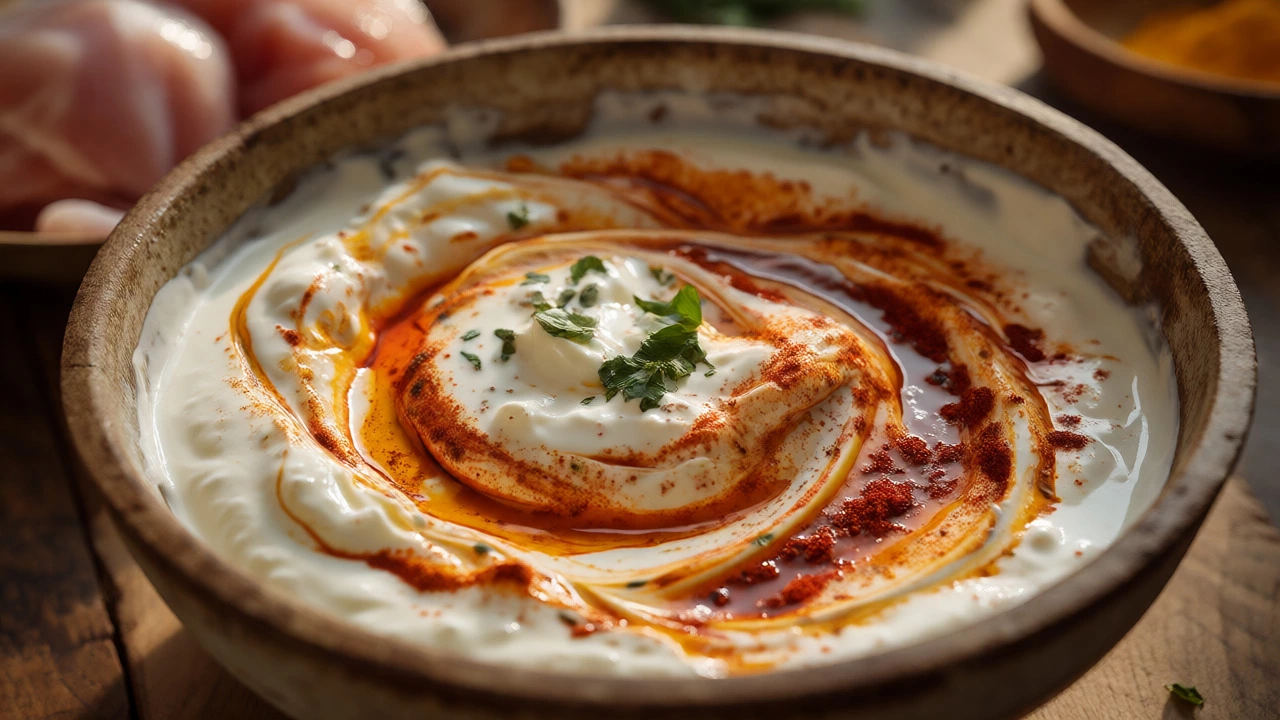
The key ingredient in any authentic tandoori marinade is thick, full-fat yogurt. It’s not just a binder to hold the spices together. It’s a chemical powerhouse that changes the texture, flavor, and color of your chicken in ways no other ingredient can. If you skip it, or swap it for oil or mustard, you aren’t making tandoori chicken-you’re making spiced grilled chicken. And there’s a massive difference.
Why Yogurt Is Non-Negotiable
Most people think marinades are about flavor penetration. They’re wrong. Flavor stays mostly on the surface. The real job of a marinade is tenderization and protection. This is where yogurt shines. Unlike vinegar or lemon juice, which are highly acidic and can turn meat mushy if left too long, yogurt has a mild acidity (lactic acid) combined with enzymes and fats that work gently but effectively.
Yogurt is a fermented dairy product rich in lactic acid and calcium. When you coat chicken in it, two things happen simultaneously. First, the lactic acid breaks down the protein structures in the muscle fibers, loosening them up so the meat becomes tender without falling apart. Second, the fat content in the yogurt coats the meat, creating a barrier against the intense heat of a tandoor oven or a hot grill. This prevents the outside from burning before the inside is cooked through.
If you try this with water or broth, the meat dries out. With oil, the spices slide off. With yogurt, everything clings, penetrates slightly, and protects. It’s why traditional Punjabi cooks never compromise on this step. You might see some modern recipes using cream or milk, but those lack the necessary acidity. Stick to plain, unsweetened yogurt.
The Science of Tenderizing Without Mushiness
Let’s get into the nitty-gritty of why yogurt doesn’t ruin your chicken like citrus juices do. Citrus acids have a low pH, around 2-3. They attack proteins aggressively. Leave chicken in lime juice for more than 30 minutes, and you get ceviche-like textures-opaque, firm, and sometimes rubbery. Yogurt, however, sits at a pH of roughly 4.5. It’s gentle enough to break down connective tissue slowly but not fast enough to destroy the meat’s integrity.
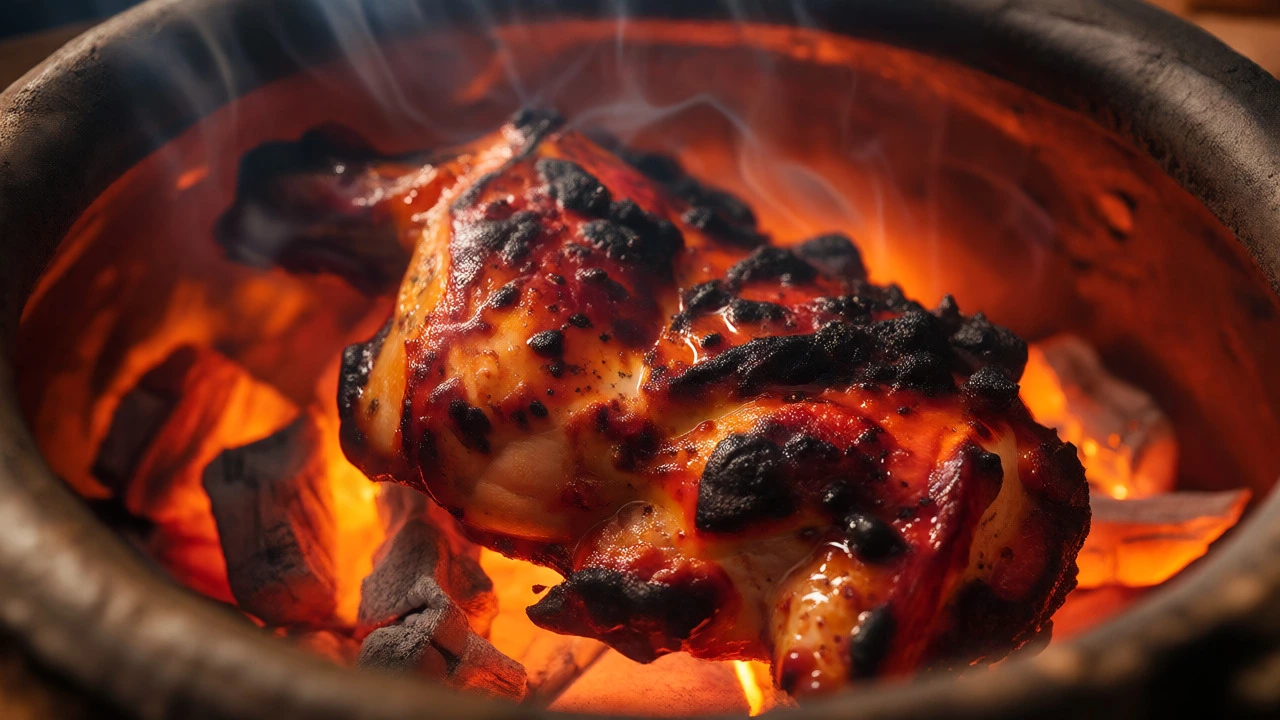
This balance is critical for tandoori chicken, which is often cooked at extremely high temperatures (up to 900°F in a clay tandoor). The yogurt creates a crust that chars beautifully, giving you those signature black spots and smoky notes. That char isn’t burnt flavor; it’s the Maillard reaction happening on a layer of caramelized dairy solids and sugars. Oil doesn’t char the same way. It just fries. Yogurt browns and crisps.
Another benefit? Moisture retention. The protein matrix in yogurt helps trap water molecules within the chicken cells. Even after hours of marinating, the chicken stays juicy. Try a side-by-side test: one batch marinated in yogurt, one in olive oil. Grill both for 15 minutes. The yogurt-marinated piece will snap when you bite into it; the oil-marinated one will feel dry and stringy.
Choosing the Right Type of Yogurt
Not all yogurts are created equal. Using the wrong kind can lead to a watery mess or a bland result. Here’s what works best:
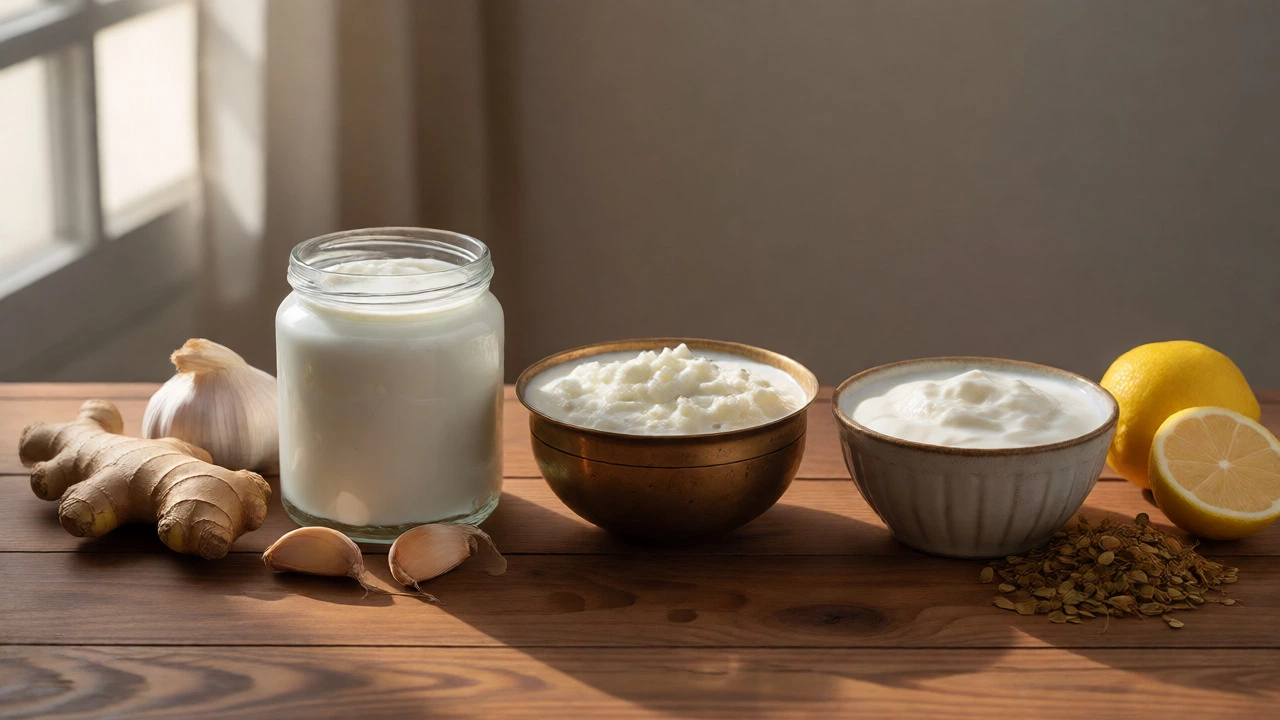
- Greek Yogurt: Thick, strained, and high in protein. It clings well and provides excellent coverage. However, because it’s so thick, you may need to thin it slightly with a little lemon juice or water to help the spices distribute evenly.
- Full-Fat Plain Yogurt: The gold standard for Indian cooking. It has the right balance of tang, fat, and consistency. Avoid non-fat versions; they lack the richness needed for proper browning and mouthfeel.
- Curd (Dahi): In India, fresh homemade curd is preferred. It’s thinner than Greek yogurt but still thick enough to coat. If you use store-bought curd, drain it in a cheesecloth for an hour to remove excess whey. Too much liquid dilutes the spice paste.
Avoid flavored yogurts unless you want a dessert twist. Vanilla or strawberry yogurt will clash violently with cumin and ginger. Also, steer clear of “light” or “low-sugar” varieties that contain artificial sweeteners. These can burn faster than natural lactose, leading to bitter edges.
Balancing Acidity and Spice
While yogurt is the base, it needs partners. Lemon juice or vinegar is often added to boost the acidity level, ensuring thorough tenderization. But how much? A good rule of thumb is a 4:1 ratio of yogurt to acid. For every cup of yogurt, add about a tablespoon of lemon juice. This sharpens the flavor without overpowering the creamy base.
Then come the aromatics. Ginger-garlic paste is essential. Freshly grated ginger adds zing; garlic provides depth. Don’t skimp here. Two tablespoons per pound of chicken is a safe bet. Next, the spices. Kashmiri red chili powder gives vibrant color without excessive heat. Regular cayenne will make you cry. Add turmeric for earthiness, garam masala for warmth, and kasuri methi (dried fenugreek leaves) for that unmistakable restaurant aroma.
Salt plays a dual role. It seasons the meat and helps draw moisture out of the surface, allowing the marinade to adhere better. Add it early, but don’t panic if you forget until later-it won’t ruin the dish.
Marination Time: How Long Is Too Long?
Patience pays off, but there’s a limit. Because yogurt is milder than vinegar, you can marinate longer without damaging the texture. For optimal results, let the chicken sit in the fridge for at least 4 hours. Overnight (8-12 hours) is even better. The flavors meld, the proteins relax further, and the color deepens.
Can you go too long? Yes. Beyond 24 hours, the yogurt can start to separate, and the meat may become overly soft, almost pasty. If you’re planning ahead, freeze the marinated chicken. Thaw it in the fridge overnight before grilling. The freezing process actually helps the marinade penetrate deeper as ice crystals disrupt cell walls.
| Time | Texture | Flavor Penetration | Best For |
|---|---|---|---|
| 30 Minutes | Firm, slight surface change | Surface only | Quick weeknight dinners |
| 4 Hours | Tender, juicy | Moderate | Standard preparation |
| Overnight | Very tender, fall-off-the-bone potential | Deep | Special occasions, parties |
| 24+ Hours | Potentially mushy | Intense | Not recommended for yogurt-based marinades |
Common Mistakes That Ruin Your Marinade
Even with the right ingredients, small errors can derail your dinner. The biggest mistake? Using wet chicken. Always pat the chicken pieces dry with paper towels before adding them to the marinade. Water repels the oily components of the spices and prevents the yogurt from sticking properly. You want adhesion, not slippage.
Another error is overcrowding the bag or container. If the chicken pieces are stacked tightly, the marinade can’t reach every surface. Use a ziplock bag and massage the marinade into the meat thoroughly. Get into the crevices. Push the paste under the skin if possible. This ensures every bite tastes like tandoori, not just the outer layer.
Finally, don’t ignore temperature. Take the chicken out of the fridge 20-30 minutes before cooking. Cold meat hitting a hot grill causes uneven cooking-the outside burns while the center remains raw. Room-temperature meat cooks more evenly and retains more juice.
Beyond Tandoori: Other Uses for Yogurt Marinades
Once you master the yogurt base, you realize its versatility extends far beyond tandoori chicken. It works wonders on lamb chops, fish tikka, and even vegetables like cauliflower steaks. The principle remains the same: yogurt tenderizes, protects, and carries flavor.
For seafood, reduce the marination time to 1-2 hours. Fish is delicate and can turn mushy quickly. For vegetables, increase the spice load since veggies don’t absorb flavors as readily as meat. Add a teaspoon of honey or sugar to balance the acidity if you’re serving kids or prefer a milder profile.
Consider trying a green chutney marinade next. Blend cilantro, mint, green chilies, and ginger with yogurt. It’s fresher, brighter, and perfect for summer grilling. Or experiment with a peanut butter and yogurt blend for satay-style skewers. The creamy base adapts to countless flavor profiles.
Can I use milk instead of yogurt in tandoori marinade?
No, milk lacks the thickness and acidity required for proper adhesion and tenderization. It will run off the chicken during cooking, leaving you with dry meat and lost spices. If you must substitute, use heavy cream mixed with a splash of lemon juice, but expect a richer, less tangy result.
Why is my tandoori chicken turning white instead of red?
This usually happens if you didn’t use enough Kashmiri red chili powder or paprika. Regular chili powder burns quickly and loses color. Ensure you’re using a significant amount of bright red spice, and consider adding a pinch of turmeric for golden undertones. Also, check if your yogurt was too thin; it can wash away the pigment.
Is Greek yogurt better than regular yogurt for marinades?
Greek yogurt is thicker and clings better, which is great for coating. However, it’s also more sour and dense. Traditional Indian curd is preferred for authenticity. If using Greek yogurt, thin it slightly with water or lemon juice to achieve a pourable consistency that spreads easily.
Do I need to strain the yogurt before marinating?
If your yogurt is watery (like many commercial brands), yes. Strain it through a cheesecloth for 30-60 minutes to remove excess whey. This concentrates the flavor and ensures the marinade sticks to the chicken rather than dripping off during cooking.
How much yogurt should I use per pound of chicken?
Aim for half a cup of thick yogurt per pound of chicken. This ensures every piece is fully coated. If the marinade feels too thick, add a teaspoon of oil or lemon juice to loosen it. Never add water unless necessary, as it dilutes flavor.