Spices in Biryani: The Essential Flavors That Make It Unforgettable
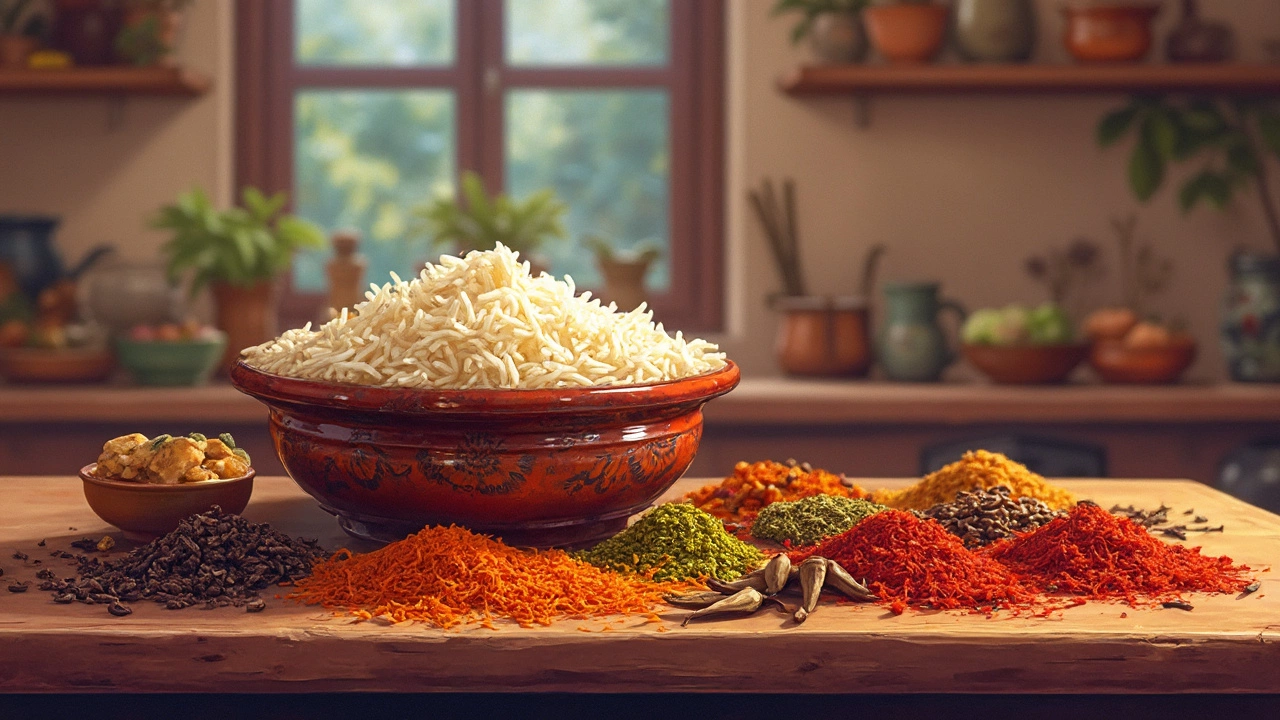
When you think of spices in biryani, the layered, fragrant blend that defines India’s most celebrated rice dish. Also known as biryani masala, it’s not just a mix—it’s a carefully timed ritual of heat, scent, and depth. This isn’t curry powder tossed in a pot. It’s a symphony of whole spices toasted, ground, and layered with patience. Every grain of rice absorbs the story of cardamom, cloves, cinnamon, and star anise—each one playing its part so the final bite feels like tradition itself.
The magic doesn’t stop there. saffron, the world’s most expensive spice, soaked in warm milk and drizzled over the rice gives biryani its golden glow and a floral whisper you can’t fake. Then there’s kewra water, a distilled essence from screw pine flowers, added in drops like perfume—it’s the secret that makes people pause mid-bite and ask, "What is that smell?" It’s not curry. It’s not cumin. It’s something deeper, older, and more personal. These aren’t optional extras. They’re the soul of the dish. Skip them, and you’re just eating rice with meat.
Some try to cut corners with pre-mixed powders or artificial colors, but the real thing? It’s built slowly. The spices are bloomed in ghee, not dumped in at the end. The bay leaves and black cardamom are fried until their oils wake up. The green chilies and mint aren’t just garnish—they’re part of the spice layering. Even the onions, fried until dark and sweet, act as a flavor base. It’s not about heat. It’s about balance. It’s about memory.
You’ll find these same spices in the posts below—some explaining how to layer them right, others revealing why kewra water can’t be replaced with rose water, and a few exposing the truth behind that unforgettable aroma. No fluff. No guesswork. Just the real deal: what works, what doesn’t, and why your biryani might be missing that one thing you can’t quite name.
What Gives Biryani Its Taste?
Biryani, a delicious medley of spices, meats, and rice, owes its flavor to a unique combination of ingredients. From the aromatic basmati rice to the blend of spices like saffron and cardamom, each component plays a crucial role. The preparation method, including marination and slow cooking, is another key factor. Understanding these elements can help you prepare a mouth-watering biryani at home.