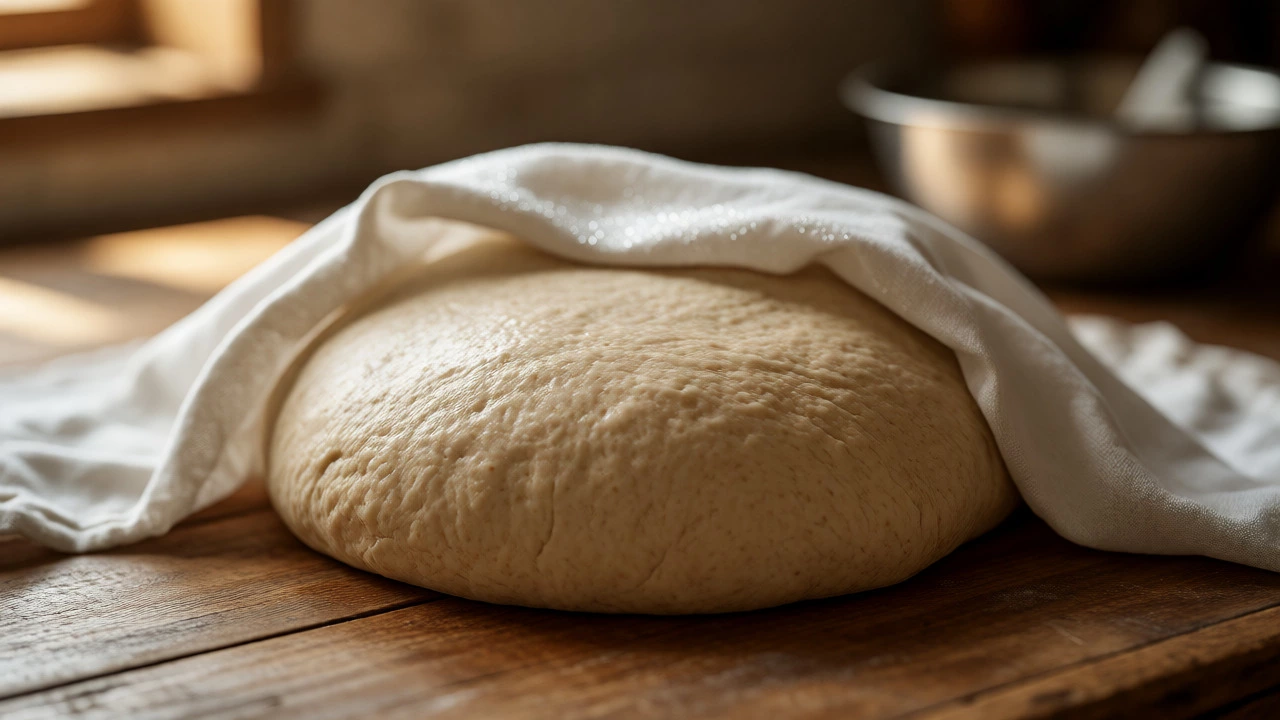
Roti Dough Resting Timer & Guide
Minimum: -
Ideal: -
Max Safe: -
You’ve just mixed your atta and water. It looks perfect. Smooth, pliable, ready to roll. But you pause. Should you start immediately? Or does it need a break? If you’ve ever wondered how long to keep dough before making roti, you’re not alone. The answer isn’t just about patience; it’s about chemistry. Get the timing wrong, and your rotis turn out tough, rubbery, or impossible to puff. Get it right, and they stay soft for hours.
The short answer? Rest your dough for at least 15 to 30 minutes. Ideally, 30 minutes is the sweet spot for most home cooks. But why? And what happens if you leave it too long? Let’s break down exactly what’s happening inside that ball of flour and water, and how you can use this knowledge to make better rotis every single time.
Why Does Roti Dough Need to Rest?
Think of raw flour as a sponge that hasn’t fully soaked up water yet. When you mix whole wheat flour with water, the proteins in the flour-specifically glutenin and gliadin-start linking up to form gluten. This network gives the dough its structure. But here’s the catch: mixing creates tension. The gluten strands are tight, like over-stretched rubber bands. If you try to roll them immediately, they snap back. You’ll fight the rolling pin, and the dough will shrink into a circle instead of staying round.
Resting allows two critical things to happen:
- Hydration: Water penetrates deep into the starch granules and protein structures. This makes the dough smoother and more elastic.
- Relaxation: The gluten network loosens. The internal stress dissipates, allowing the dough to stretch easily without tearing.
Without this rest period, you end up with dense, chewy rotis that don’t puff on the tawa (griddle). With it, you get light, layered flatbreads that stay soft even after cooling down.
The Ideal Resting Time Breakdown
Not all doughs are created equal. Your resting time depends on what you’re making and the conditions in your kitchen. Here’s a practical guide based on common scenarios:
| Dough Type | Minimum Rest | Ideal Rest | Maximum Safe Rest |
|---|---|---|---|
| Standard Atta (Whole Wheat) | 15 minutes | 30 minutes | 4 hours (room temp) |
| Multi-Grain or Fiber-Rich | 20 minutes | 45 minutes | 6 hours (refrigerated) |
| Soft Roti (with Oil/Ghee) | 10 minutes | 20 minutes | 3 hours (room temp) |
| Overnight Prep | N/A | 8-12 hours | 24 hours (refrigerated) |
Notice the difference between standard atta and multi-grain blends? Grains like oats, ragi, or bran absorb water differently and often require a longer soak to prevent dryness. If you skip the extra wait, your roti might crack while rolling.
What Happens If You Wait Too Long?
Can you leave dough out overnight? Yes, but with caveats. At room temperature, yeast-free roti dough doesn’t ferment like bread dough. However, enzymatic activity continues. Over time, the gluten network starts to degrade. If you leave standard atta dough out for more than 4-5 hours in a warm kitchen, it becomes sticky, weak, and difficult to handle. It might also develop an off-smell due to bacterial growth, especially in humid climates.
In Wellington, where I live, the air can be crisp and cool. In such conditions, dough stays stable longer. But in summer heat or humid regions like Mumbai or Singapore, 2 hours might be the limit before the dough turns gummy. Always cover your dough tightly with a damp cloth or plastic wrap to prevent a dry crust from forming. That crust won’t integrate back into the dough and will ruin the texture.
Storing Dough for Later Use
Life gets busy. Sometimes you mix dough in the morning but plan to eat lunch at 2 PM. Can you store it? Absolutely. Refrigeration slows down enzymatic activity and keeps the dough fresh for much longer.
Here’s how to do it properly:
- Knead well: Ensure the dough is smooth and hydrated before storing.
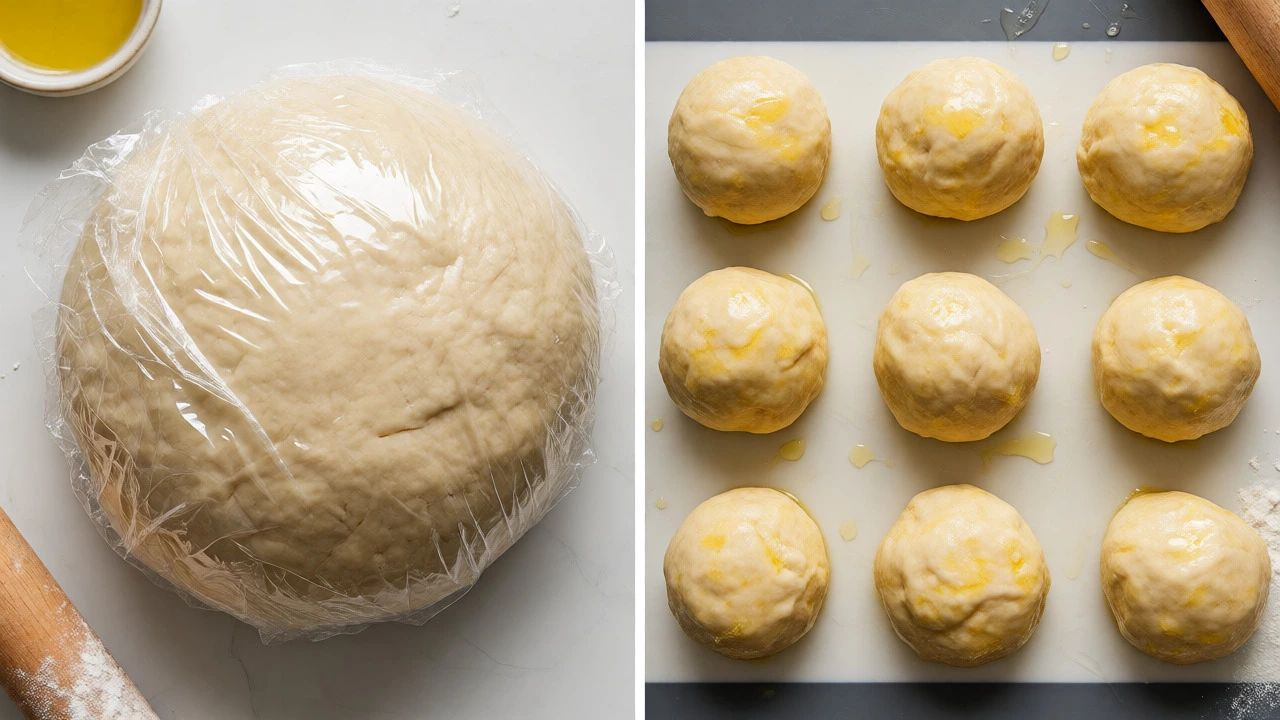
- Add fat: Rub a teaspoon of oil or ghee over the surface. This prevents drying and sticking.
- Wrap tightly: Use cling film or place it in an airtight container. Air is the enemy here.
- Refrigerate: Store at 4°C (39°F).
When you’re ready to cook, take the dough out 30 minutes before rolling. Cold dough is stiff and hard to roll. Letting it come to room temperature relaxes the gluten again. If you try to roll cold dough straight from the fridge, it will resist and tear.

Troubleshooting Common Texture Issues
If your rotis aren’t turning out right, check your resting time first. Here’s a quick diagnostic list:
- Rotis are tough and chewy: You likely didn’t rest the dough enough. The gluten was still tight when you rolled it. Next time, wait 30 minutes.
- Dough tears while rolling: Either the dough was too dry, or it rested too long and the gluten broke down. Add a splash of water next time, or reduce resting time if it’s been sitting for hours.
- Rotis don’t puff: Puffing requires steam trapped inside layers of cooked flour. If the dough is too thick or the gluten is too strong, it won’t expand. Proper resting helps create the elasticity needed for expansion.
- Hard rotis after cooling: This usually means under-hydration. The dough wasn’t wet enough initially. Resting helps distribute moisture, but if the initial mix was dry, no amount of waiting fixes it completely.
Pro Tips for Perfectly Soft Rotis Every Time
Beyond timing, a few small habits make a huge difference. First, always use lukewarm water. Hot water denatures proteins too quickly, making the dough brittle. Cold water takes forever to hydrate. Lukewarm (around 35°C / 95°F) speeds up hydration without damaging the structure.
Second, knead until the dough passes the "windowpane test." Stretch a small piece gently. If it stretches thin without breaking, your gluten is developed. Then let it rest. Don’t skip the kneading; resting doesn’t replace development, it complements it.
Third, portion your dough balls before resting. Some cooks rest the big lump, then divide. Others divide first. Dividing first ensures each ball rests evenly. If you rest one giant ball, the center might stay cooler and less relaxed than the outside. Divide into golf-ball-sized portions, coat lightly with oil, and let them sit under a damp towel.
Finally, consider the type of flour. Commercially milled atta is often finer and absorbs water faster than stone-ground chakki atta. Stone-ground flour retains more germ and fiber, requiring slightly more water and a longer rest. Adjust accordingly. There’s no universal rule, only observation and adaptation.
Can I make roti dough the night before?
Yes, you can prepare roti dough the night before. Knead it well, apply a thin layer of oil, wrap it tightly in plastic wrap, and store it in the refrigerator. It will last up to 24 hours. Remember to bring it to room temperature for at least 30 minutes before rolling, as cold dough is difficult to work with.
Does adding salt affect resting time?
Salt strengthens the gluten network. While it doesn’t drastically change the minimum resting time, it helps maintain structure during longer rests. Adding salt during the initial kneading is recommended for flavor and texture stability. Without salt, dough may become overly slack if left for extended periods.
Why does my dough become sticky after resting?
If your dough becomes excessively sticky after resting, it likely had too much water initially. As the flour fully hydrates, the excess water has nowhere to go, making the surface tacky. Lightly dust your hands with dry flour when handling, but avoid incorporating too much extra flour, which can make the rotis hard.
Can I freeze roti dough?
Yes, you can freeze roti dough for up to one month. Portion the dough into individual balls, coat them in oil, and place them in a freezer-safe bag. Thaw them in the refrigerator overnight, then bring to room temperature before rolling. Freezing may slightly alter the texture, making it marginally less soft, but it remains a convenient option for meal prep.
Is 15 minutes enough for resting roti dough?
15 minutes is the bare minimum for basic white flour or fine atta. For whole wheat or multi-grain flours, 15 minutes is often insufficient because these grains absorb water more slowly. Aim for 30 minutes to ensure full hydration and gluten relaxation for softer, easier-to-roll rotis.