Dosa Cooking Oil: Best Oils for Crispy, Authentic South Indian Dosa
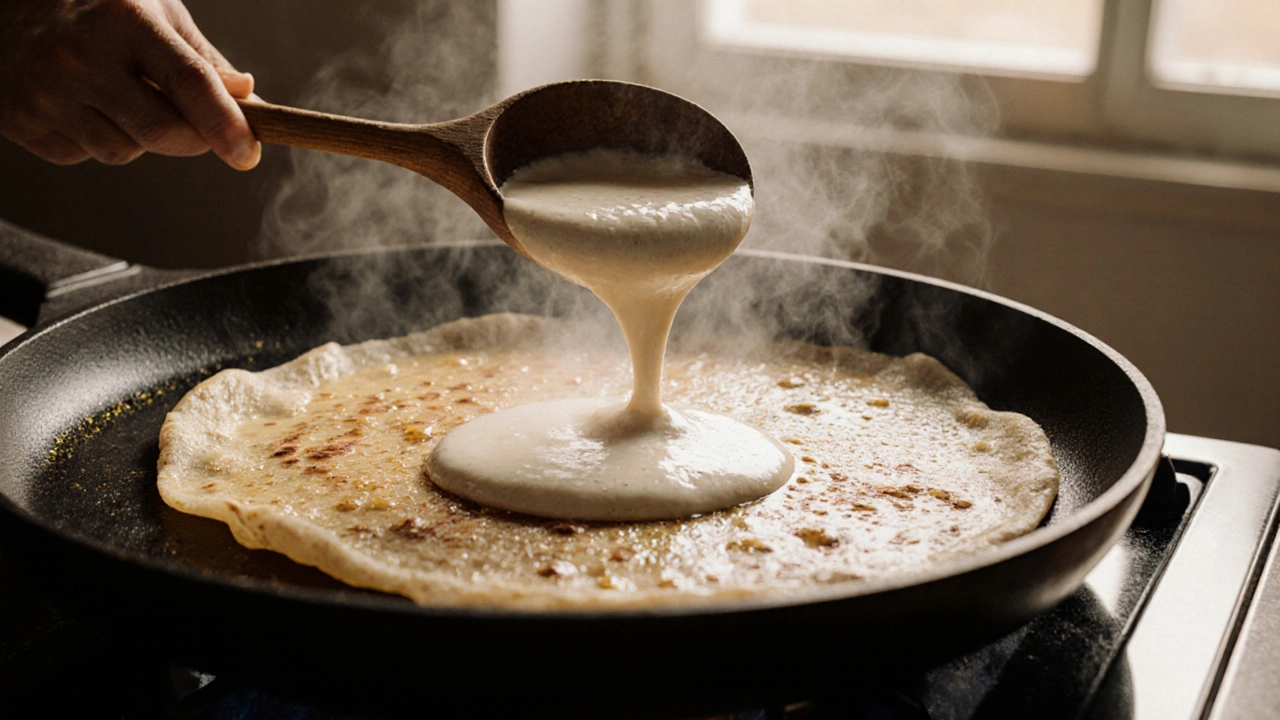
When you’re making dosa cooking oil, the type of oil you use directly affects how crispy, golden, and flavorful your dosa turns out. It’s not just about frying—it’s about how the oil interacts with the fermented batter, conducts heat, and carries the subtle spice notes that make dosa unforgettable. Many people use whatever oil is on hand, but that’s where things go wrong. The right oil gives you that perfect crackle when you pour the batter, while the wrong one leaves your dosa greasy, soggy, or bland.
Coconut oil, a traditional favorite in South India, especially in Kerala and Tamil Nadu, is the gold standard for authentic dosa. It has a low smoke point but high flavor impact—when heated just right, it crisps the edges without burning and adds a faint sweetness that balances the tang of the fermented rice batter. Peanut oil, another common choice, has a higher smoke point and neutral taste, making it ideal if you want crispiness without overpowering the dosa’s natural flavor. Vegetable oil, often a blend of soybean or sunflower oil, works in a pinch, but it doesn’t deliver the same texture or aroma. Avoid olive oil—it’s too strong, and canola oil often leaves a weird aftertaste when heated at high temps.
Why does this matter? Because dosa isn’t just a pancake. It’s a dish shaped by regional traditions, heat control, and oil chemistry. In households across Karnataka, the oil is preheated until it shimmers—just before the batter hits the pan. In Tamil Nadu, they’ll often use a mix of coconut and peanut oil to get both flavor and crispness. And in restaurants? They use the oil that’s been reused just enough to build up flavor, but not so much that it turns bitter. The oil isn’t just a medium—it’s part of the recipe.
You’ll find this in the posts below: real people sharing what oil they use, how they heat it, and why they stick with it. Some swear by ghee for special occasions. Others test different oils side by side and report the results. There’s no one-size-fits-all, but there are clear winners—and clear mistakes to avoid. Whether you’re new to dosa or you’ve been making it for years, the oil you choose can make the difference between a good dosa and one that makes you want to try again tomorrow.
Choosing the Best Oil for Perfect Dosa Every Time
Discover which oil gives the crispiest, healthiest, and most authentic dosa. Compare coconut, ghee, sesame, and modern oils with tips for perfect results.