Gut-Friendly Indian Meal Builder
Select Your Ingredients & Methods
Gut Health Score
You just finished a plate of aromatic Chicken Tikka Masala is a popular North Indian dish consisting of roasted marinated chicken pieces in a spiced curry sauce., but instead of feeling satisfied, you feel bloated. Or maybe you’ve heard that the heavy cream and ghee in traditional curries are bad for digestion. It’s a common dilemma for anyone who loves the bold flavors of India but wants to keep their stomach happy. The short answer? Yes, Indian food can be incredible for your gut-but only if you know which ingredients are doing the heavy lifting and which ones might be holding you back.
The reputation of Indian cuisine often gets tangled up with stereotypes about it being "heavy" or "hard to digest." While some restaurant-style dishes loaded with butter and refined oils can sit poorly in the stomach, the core foundation of home-cooked Indian food is actually built on principles that have supported digestive health for thousands of years. From ancient Ayurvedic wisdom to modern microbiome science, there is a strong case for viewing certain Indian staples as functional foods for gut wellness.
The Power of Digestive Spices
When people think of Indian food, they usually think of heat. But the magic for your gut isn’t just in the capsaicin of chilies; it’s in the warming, carminative spices that act as natural prebiotics and anti-inflammatories. These aren't just flavor enhancers; they are bioactive compounds that interact directly with your digestive tract.
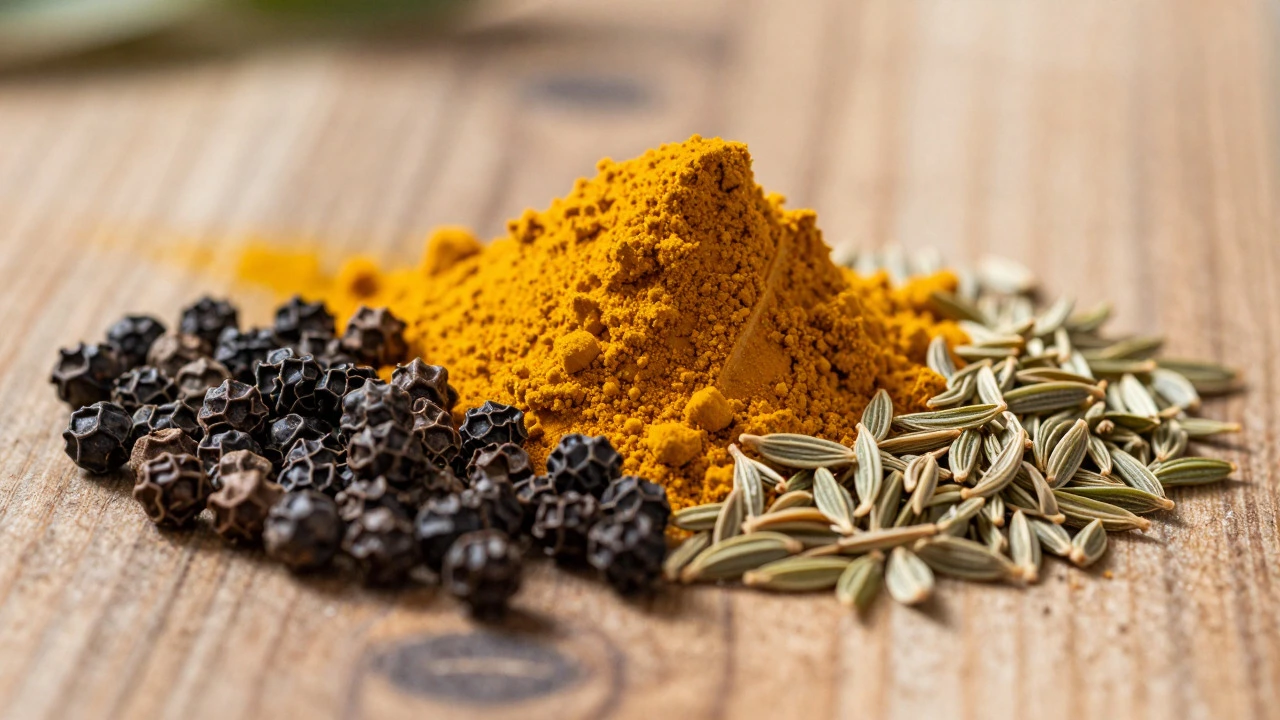
Turmeric contains curcumin, a potent anti-inflammatory compound that helps heal the gut lining and reduce intestinal permeability. In almost every Indian kitchen, turmeric is the first thing added to the pot. Studies suggest that curcumin can help manage conditions like irritable bowel syndrome (IBS) by calming inflammation. However, curcumin is poorly absorbed on its own. That’s why Indian cooks always pair it with black pepper. Piperine in black pepper boosts curcumin absorption by up to 2000%, making this duo a powerhouse for gut repair.
Then there is Cumin is a seed spice rich in iron and antioxidants that stimulates bile production and aids in fat digestion. Cumin seeds are often dry-roasted before grinding, which releases essential oils that soothe the stomach. If you ever suffer from gas after a meal, cumin water (jeera water) is a traditional remedy that works because it accelerates gastric emptying. Similarly, Fennel seeds are sweet-flavored seeds commonly chewed after meals to freshen breath and relieve bloating through their antispasmodic properties. Chewing a teaspoon of fennel seeds after dinner isn't just a cultural habit; it triggers saliva production and relaxes the smooth muscles of the digestive tract, preventing cramping.
Ginger and asafoetida (hing) are other unsung heroes. Ginger speeds up stomach emptying, which helps prevent nausea and reflux. Asafoetida, though pungent when raw, becomes savory when cooked in oil and is specifically used in lentil dishes to break down complex sugars that cause gas. By incorporating these spices into daily cooking, you’re not just adding flavor-you’re administering a low-dose therapy for your digestive system.
Fermented Foods: The Probiotic Powerhouses
If spices are the defenders of gut health, fermented foods are the builders. Indian cuisine has a deep history of fermentation, long before the term "probiotics" became a marketing buzzword. These foods introduce beneficial bacteria into your microbiome, helping to balance the ecosystem inside your gut.
| Food Item | Primary Bacteria/Yeast | Gut Health Benefit |
|---|---|---|
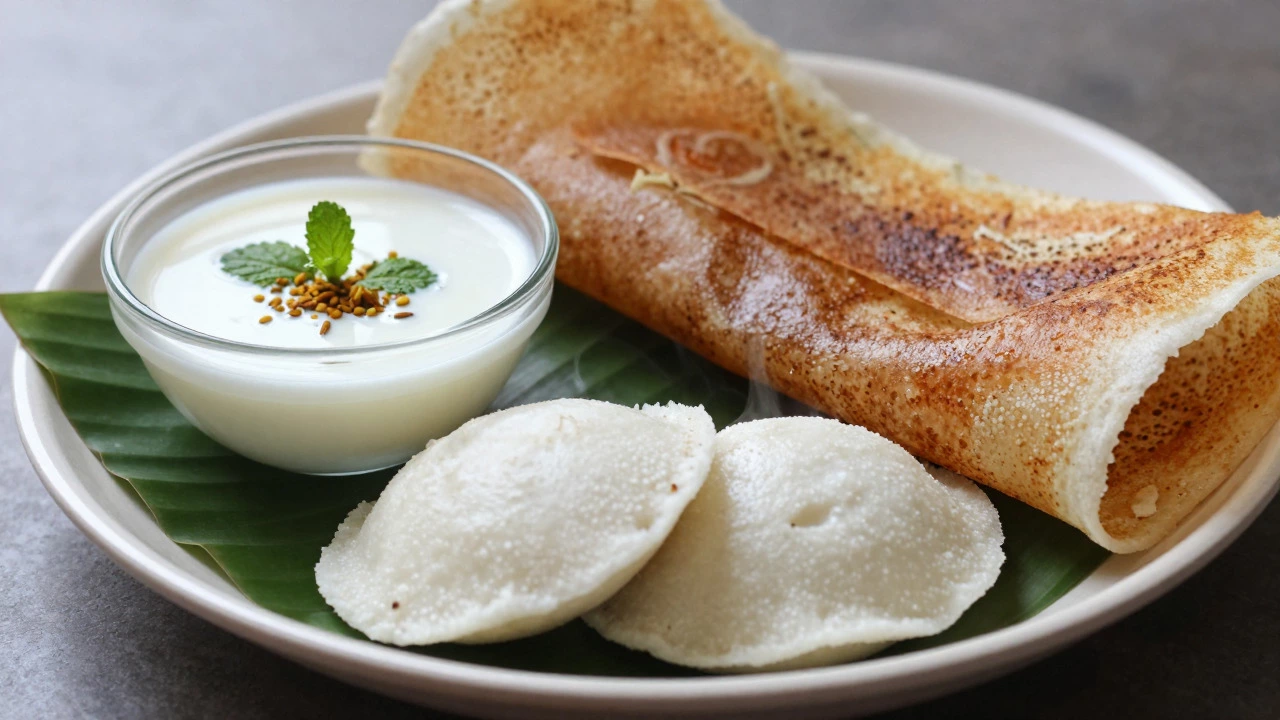
| Idli is a steamed rice and lentil cake made from fermented batter, originating from South India. | Lactobacillus species | Improves nutrient absorption and reduces acidity due to lactic acid formation during fermentation. |
| Dosa is a thin, crispy pancake made from fermented rice and urad dal batter, popular across South India. | Lactobacillus, Saccharomyces cerevisiae | Breaks down phytic acid, making minerals like iron and zinc more bioavailable and easier to digest. |
| Kanji is a fermented radish drink popular in North India, similar to kvass or sauerkraut juice.. | Lactobacillus plantarum | Acts as a strong digestive aid and appetite stimulant while providing live cultures. |
| Buttermilk (Chaas) is a diluted yogurt drink seasoned with salt, cumin, and mint, consumed widely across India. | Lactobacillus bulgaricus | Hydrates the body, cools the stomach, and replenishes good bacteria lost during illness or antibiotic use. |
Take Idli and Dosa, for example. The batter is left to ferment overnight, sometimes for up to 18 hours. This process doesn't just make them fluffy; it predigests the carbohydrates and proteins. The result is a food that is significantly lighter on the stomach than plain rice or chapati. People with sensitive guts often find they can tolerate Idli even when other grains cause discomfort. This is because the fermentation process breaks down gluten-like proteins and anti-nutrients that typically block nutrient absorption.
Yogurt, or dahi, is another staple. Unlike many Western yogurts that are heavily processed and sugared, traditional Indian yogurt is often homemade or bought from local dairies with minimal additives. When consumed as Chaas (buttermilk), it becomes a perfect post-meal beverage. The dilution makes it easier to digest, and the addition of roasted cumin powder adds an extra layer of digestive support. For those who are lactose intolerant, fermented dairy is often better tolerated because the bacteria consume much of the lactose during the fermentation process.
Fiber-Rich Staples: Feeding Your Good Bacteria
Probiotics need food to survive, and that food is fiber. This is where the concept of prebiotics comes in. Indian diets are naturally high in diverse fibers thanks to the variety of legumes, vegetables, and whole grains used. This diversity is crucial because different strains of gut bacteria thrive on different types of fiber.
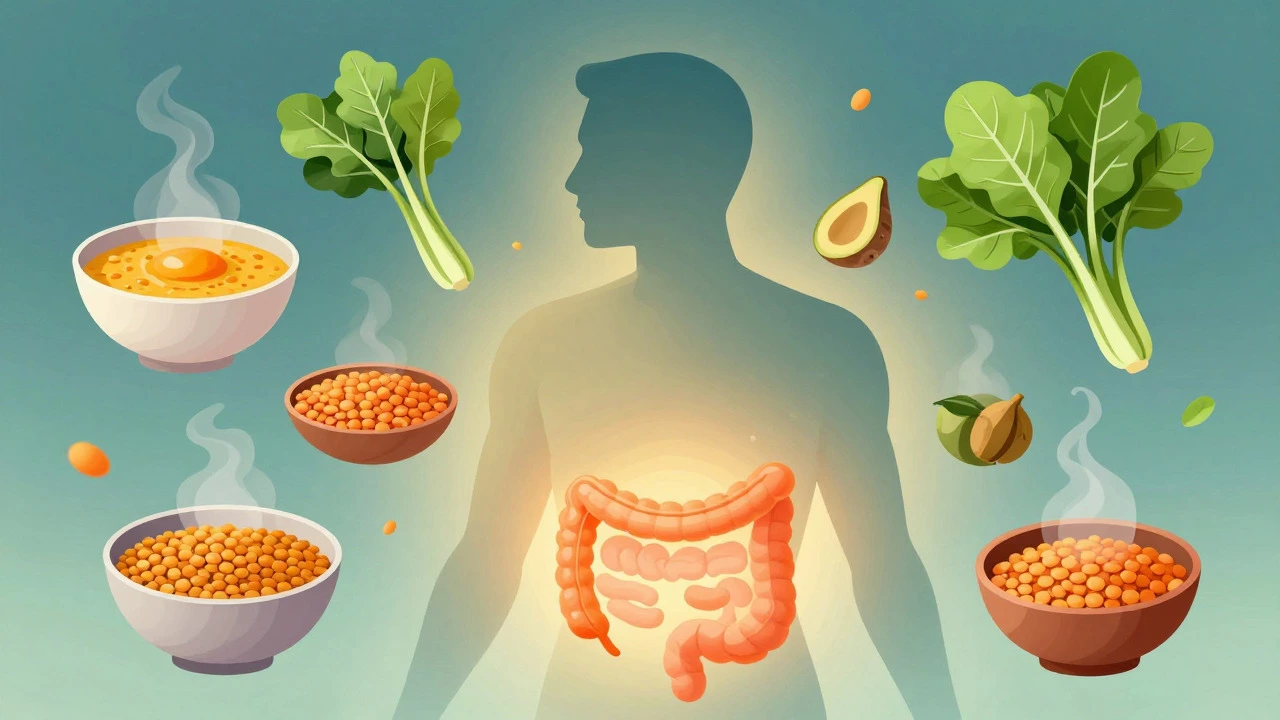
Dal (Lentils) are a broad category of pulses including red lentils, moong, masoor, and chana, serving as a primary protein source in vegetarian Indian diets. Lentils are packed with soluble fiber, which ferments in the colon to produce short-chain fatty acids like butyrate. Butyrate is the primary fuel source for the cells lining your colon, keeping them healthy and reducing inflammation. A bowl of Moong Dal Khichdi is often prescribed as a healing food for people recovering from gastrointestinal issues because it is easy to digest yet highly nutritious.
Vegetables like bitter gourd (karela), drumstick (moringa), and leafy greens such as spinach and fenugreek leaves are also integral. Moringa, in particular, is known as a miracle tree because its leaves contain all nine essential amino acids and high levels of fiber. Adding moringa powder to soups or smoothies can boost microbial diversity in the gut. Even simple additions like grated carrots or beets in salads provide the roughage needed to keep bowel movements regular.
The Problematic Parts: What to Watch Out For
Not everything in Indian cuisine is gut-friendly. Modern adaptations and restaurant versions often strip away the digestive aids and replace them with irritants. Here is what you should be cautious about:
- Excessive Ghee and Butter: While ghee is clarified butter and generally well-tolerated, large amounts of saturated fat can delay gastric emptying, leading to feelings of heaviness and reflux. Use it sparingly, especially if you have gallbladder issues.
- Refined Flour (Maida): Many Indian breads like naan or paratha are made with maida, which lacks fiber and can feed harmful bacteria in the gut. Opt for whole wheat (atta) or multigrain flours instead.
- Heavy Cream and Cashew Pastes: Restaurant curries often use thick creams or nut pastes to achieve a rich texture. These can be difficult to digest for people with sensitivities. Try using coconut milk or light yogurt as a base instead.
- High Sodium Levels: Pickles (achar) and papads are delicious but extremely high in salt. Excessive sodium can disrupt the gut lining and lead to water retention. Enjoy them as condiments, not main courses.
Also, consider the preparation method. Deep-fried snacks like samosas and pakoras are coated in batter and fried in oil, which can cause inflammation and slow down digestion. Air-frying or baking these items is a much healthier alternative that preserves the crunch without the gut-busting grease.
How to Make Indian Food Gut-Friendly at Home
You don’t need to overhaul your diet to enjoy the benefits of Indian cuisine. Small tweaks in how you cook and combine ingredients can make a significant difference. Here are some practical tips:
- Start Meals with Soup or Warm Water: Drinking warm water with lemon or having a clear vegetable soup before your main meal primes your digestive enzymes and prepares your stomach for food.
- Use Tempering (Tadka) Wisely: Tempering spices in hot oil releases their fat-soluble nutrients. Ensure the oil is hot enough to sizzle the cumin and mustard seeds, but don’t burn them, as burnt spices can be pro-inflammatory.
- Incorporate More Fermented Items: Swap out white rice for Idli or Dosa occasionally. Add a small bowl of Kanji or Chaas to your lunch routine.
- Chew Thoroughly: Indian food often involves complex textures. Chewing breaks down food mechanically, reducing the workload on your stomach and allowing enzymes to work more effectively.
- Listen to Your Body: Everyone’s gut microbiome is unique. Keep a food diary to identify which specific spices or ingredients trigger discomfort for you personally. For some, nightshades like tomatoes and eggplants may cause issues, while others tolerate them fine.
By focusing on whole ingredients, leveraging the power of fermentation, and using spices intentionally, you can transform Indian food from a potential digestive burden into a therapeutic tool. It’s about returning to the roots of the cuisine-simple, balanced, and deeply connected to the body’s natural rhythms.
Is Indian food good for IBS?
It depends on the specific dish. Traditional Indian foods like Idli, Dosa, and Moong Dal are low-FODMAP friendly and gentle on the gut. However, dishes high in onion, garlic, or certain beans (like kidney beans) can trigger symptoms in IBS sufferers. Stick to easily digestible lentils and avoid heavy creams or excessive spices if you are sensitive.
Which Indian spices are best for digestion?
The most effective digestive spices include cumin, fennel, ginger, turmeric, and asafoetida. Cumin and fennel help reduce bloating, ginger speeds up stomach emptying, turmeric reduces inflammation, and asafoetida prevents gas formation in lentil dishes.
Can I eat Indian food if I am lactose intolerant?
Yes, but choose wisely. Fermented dairy products like yogurt (dahi) and buttermilk (chaas) are lower in lactose and often well-tolerated. Avoid dishes with heavy cream or paneer unless you know they are made with low-lactose alternatives. Coconut milk is a great dairy-free substitute for richness in curries.
Why do I feel bloated after eating Indian food?
Bloating is often caused by high-fat content (ghee, cream), refined flour (maida), or certain legumes that are hard to digest. Additionally, eating too quickly or combining incompatible foods can lead to fermentation in the gut. Try lighter preparations, increase fiber gradually, and ensure proper chewing.
Are pickles good for gut health?
Traditional fermented pickles can contain beneficial bacteria, but most commercial Indian pickles are preserved in vinegar or oil with very high salt content. While they add flavor, excessive consumption can irritate the gut lining and raise blood pressure. Consume them in moderation as a condiment rather than a main side.