Indian Weight Gain Snack Planner
Select Your Daily Snacks
Click on the cards to add them to your daily plan. The calculator updates instantly.
Weekly Projection
Based on your current selection, you are projected to gain approximately
0.0 kg
(0.0 lbs) over the next 7 days.
*Note: Initial gains may include water weight due to increased carbohydrate intake.*
You want the scale to move up, but you don't want to feel bloated or sluggish. Gaining weight in just seven days is ambitious, but it’s doable if you focus on calorie-dense whole foods. The trick isn’t eating more volume; it’s eating more energy per bite. If you’re looking for a way to bulk up without relying on junk food, Indian cuisine offers some of the best tools for the job. We aren’t talking about deep-fried samosas every day. We’re talking about nutrient-packed snacks that fit seamlessly into your daily routine.
Why Indian Snacks Are Perfect for Bulking Up
Think about the typical Western approach to gaining weight: protein shakes, peanut butter sandwiches, and lots of oats. It works, but it can get boring fast. Indian snacks offer variety and flavor profiles that keep you motivated. More importantly, many traditional Indian foods are prepared with ghee (clarified butter) or oil, which instantly boosts the calorie count without adding significant volume to your stomach. This is crucial when you have only a week. You physically cannot eat huge plates of salad. You need density.
Consider Ghee, which is clarified butter used widely in Indian cooking for its high fat content and nutty flavor. A single tablespoon packs around 120 calories. Sprinkle it over rice, mix it into lentils, or drizzle it over vegetables. It’s an effortless hack. Similarly, nuts like almonds and cashews are staples in Indian households. They provide healthy monounsaturated fats and protein. Unlike empty calories from sugar, these snacks support muscle repair and hormonal health while driving up your numbers.
The Top 5 Calorie-Dense Indian Snacks
If you want results by next Monday, stop counting every single grain of rice and start focusing on these five powerhouses. These aren't just random choices; they are selected for their high caloric value and ease of preparation.
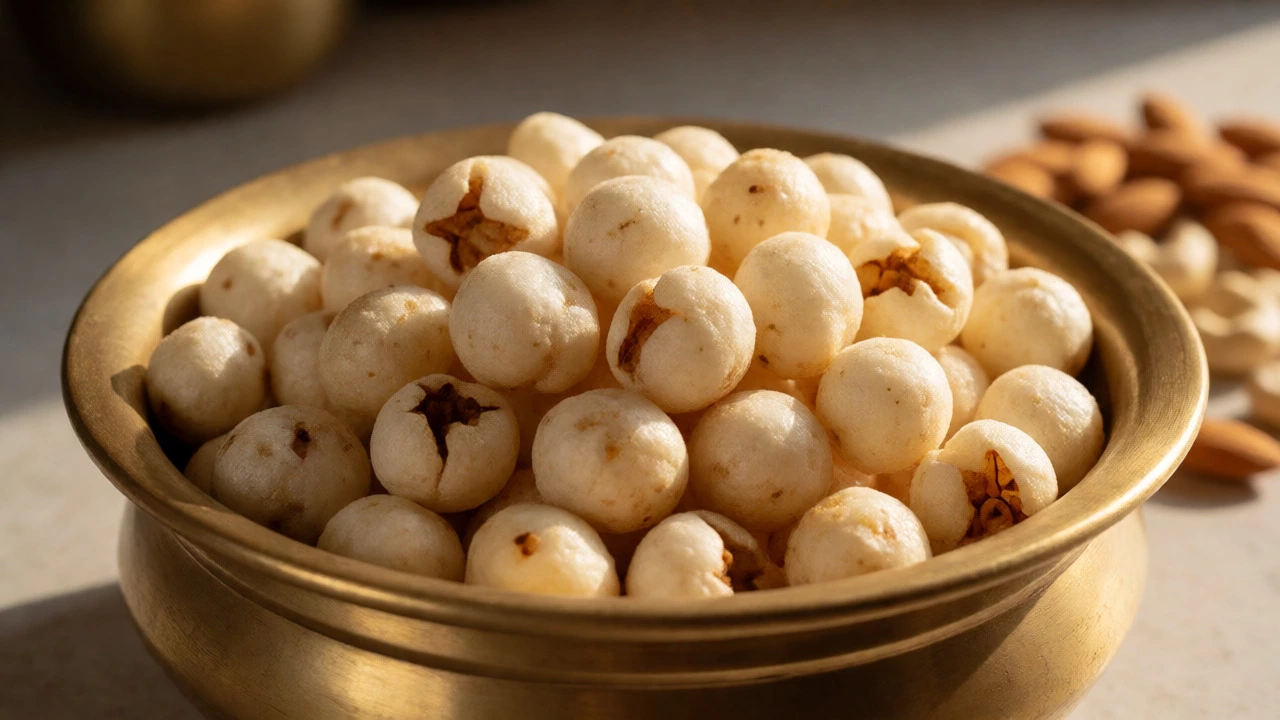
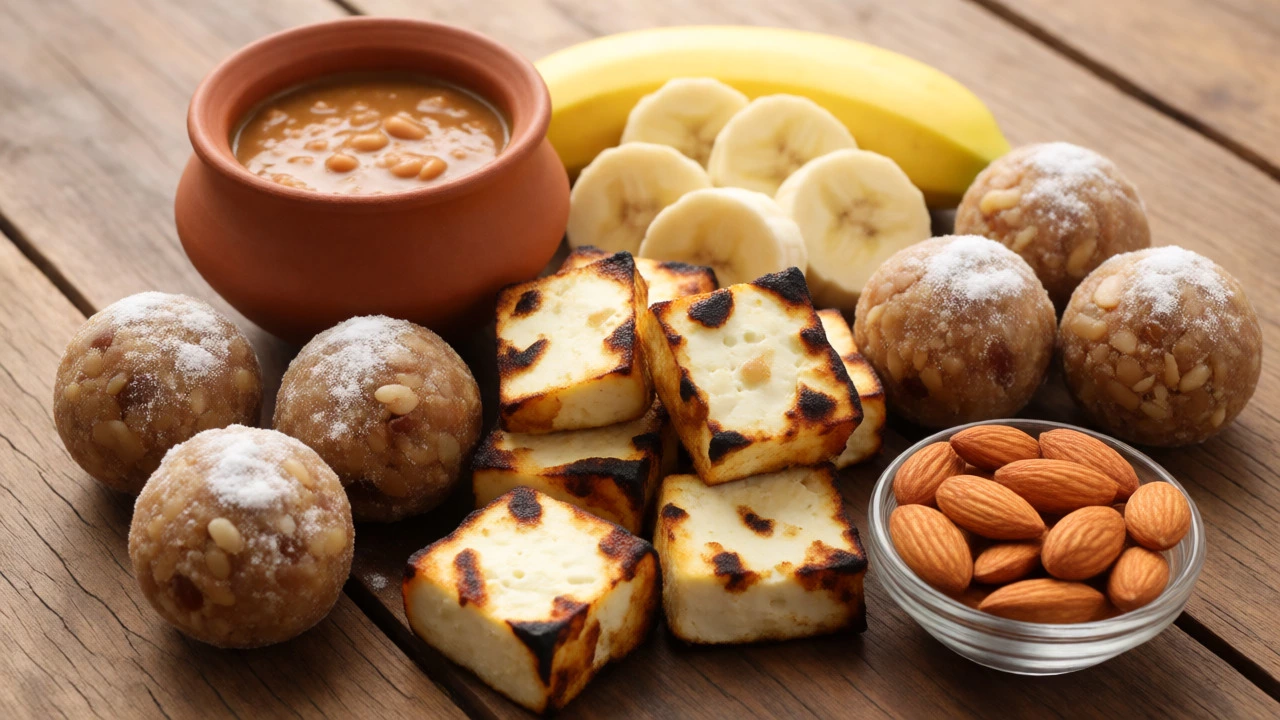
- Makhana (Fox Nuts): Often roasted in ghee, makhana is light yet surprisingly calorie-dense when prepared correctly. A cup of roasted makhana can contain upwards of 300-400 calories depending on the amount of ghee used. It’s crunchy, satisfying, and easy to snack on while working.
- Almonds and Cashews: Soak them overnight for easier digestion. A handful of soaked almonds provides about 160 calories and essential magnesium. Cashews are even denser, offering nearly 180 calories per small handful. They are perfect mid-morning or evening snacks.
- Banana with Peanut Chutney: Bananas are already high in carbs. Pairing them with a homemade chutney made from peanuts adds fat and protein. This combo hits all the macronutrient markers quickly.
- Paneer Tikka Cubes: Paneer is a fresh cheese common in South Asian cuisine. It’s high in casein protein and fat. Grilled paneer cubes marinated in yogurt and spices make for a savory, filling snack that keeps you full longer than chips ever could.
- Dry Fruit Laddoos: Traditional sweets made from flour, ghee, sugar, and dry fruits. One laddoo can easily hit 150-200 calories. They taste like dessert but function as fuel.
Sample 7-Day Snack Plan for Rapid Weight Gain
You don’t need a complicated meal plan. You just need consistency. Here is a simple structure to follow for the next week. Adjust portion sizes based on your hunger levels, but never skip the snacks. The goal is to add two substantial snacks between your main meals.
| Day | Morning Snack (10 AM) | Evening Snack (4 PM) | Estimated Extra Calories |
|---|---|---|---|
| Monday | Handful of soaked almonds + Banana | Roasted Makhana with Ghee | +500 kcal |
| Tuesday | Peanut Chutney with Bread/Roti | Grilled Paneer Cubes | +550 kcal |
| Wednesday | Cashew Nut Mix | Two Dry Fruit Laddoos | +600 kcal |
| Thursday | Banana Shake with Milk & Almonds | Chickpea Chaat with Peanuts | +500 kcal |
| Friday | Walnuts and Dates | Samosa (Baked, not fried) | +450 kcal |
| Saturday | Peanut Butter Toast | Mango Lassi (Full Fat) | +550 kcal |
| Sunday | Mixed Nut Trail Mix | Vegetable Cutlet with Chutney | +500 kcal |
Notice the pattern? Every snack includes either a fat source (ghee, nuts, dairy) or a carb-heavy component (banana, bread, potato). This combination ensures you stay satiated but still consume enough energy to create a surplus. Drinking water before meals might fill you up too much, so try drinking water 30 minutes after eating instead. This leaves room for those extra calories.
Common Mistakes That Stall Weight Gain
Many people fail to gain weight because they underestimate how hard it is to eat consistently. You might think you’re eating a lot, but if you skip breakfast or forget your afternoon snack, you’ll miss your target. Another mistake is choosing low-calorie "healthy" options. Eating a big bowl of vegetable soup sounds healthy, but it does almost nothing for weight gain. Swap that soup for a creamy dal with a dollop of ghee.
Also, watch out for stress. High cortisol levels can suppress appetite or cause your body to store fat differently. Since we are aiming for quick results, keep your environment calm. Eat slowly. Chew thoroughly. Digestion starts in the mouth, and rushing leads to bloating rather than absorption. If you feel too full, break your snacks into smaller portions throughout the day rather than forcing down one giant plate.
Hydration and Digestive Health
Eating more food means your digestive system has to work harder. To prevent constipation or discomfort, ensure you are getting enough fiber and fluids. However, timing matters. Don’t drink large amounts of water right before or during meals, as it can dilute stomach acids and make you feel full faster. Instead, sip warm water with lemon or cumin (jeera) water between meals. Cumin aids digestion and helps reduce gas, which is common when increasing food intake rapidly.
Incorporate probiotics if needed. A small bowl of plain curd (yogurt) with lunch or dinner supports gut health. A healthy gut absorbs nutrients better, meaning more of what you eat actually contributes to weight gain rather than passing through undigested.
Realistic Expectations: What Does "Fast" Mean?
Let’s be honest. You won’t gain ten pounds of pure muscle in seven days. Most of the initial increase will be water weight and glycogen storage, especially if you increase your carbohydrate intake. Aim for a realistic gain of 0.5 to 1 kilogram (1-2 lbs) in the first week. This is sustainable and indicates you are in a true caloric surplus. If you jump to 3 kilos immediately, you’ve likely retained excess water due to high sodium intake. Keep salt moderate while keeping fats and carbs high.
After this week, reassess. If the scale hasn’t moved, add another 200 calories via an extra glass of milk or a larger handful of nuts. If you gained too much too fast, slightly reduce the portion sizes. Listen to your body. The goal is to establish a habit of eating nutrient-dense Indian snacks that you can maintain long-term, not just for seven days.
Can I gain weight in one week without exercising?
Yes, you can gain weight without exercise, but the quality of the weight may differ. Without resistance training, some of the added mass will be fat rather than muscle. However, for short-term goals, simply being in a caloric surplus is sufficient to increase body mass. Combining a slight increase in activity with heavy lifting can help direct those calories toward muscle growth, but it is not strictly required for seeing the number go up on the scale.
Are Indian snacks good for weight gain?
Absolutely. Many traditional Indian snacks are inherently calorie-dense due to the use of ghee, oils, nuts, and dairy products. Foods like paneer, makhana, and dry fruit laddoos provide high energy in small volumes, making them ideal for people who struggle to eat large quantities of food. Just be mindful of portion control to avoid excessive sugar intake from sweet treats.
How many calories should I eat to gain weight fast?
To gain weight rapidly, aim for a surplus of 500 to 700 calories above your Total Daily Energy Expenditure (TDEE). For an average adult, this often means consuming 2,500 to 3,000+ calories per day. Use a calculator to find your TDEE first, then add the surplus. Consistency is key; missing one day can negate the progress of three others.
Is ghee really effective for weight gain?
Ghee is highly effective because it is pure fat. One tablespoon contains approximately 120 calories and no water or lactose. It is also rich in conjugated linoleic acid (CLA), which some studies suggest may aid in body composition changes. Adding ghee to existing meals is the easiest way to boost calorie intake without feeling overly full.
What if I lose my appetite while trying to gain weight?
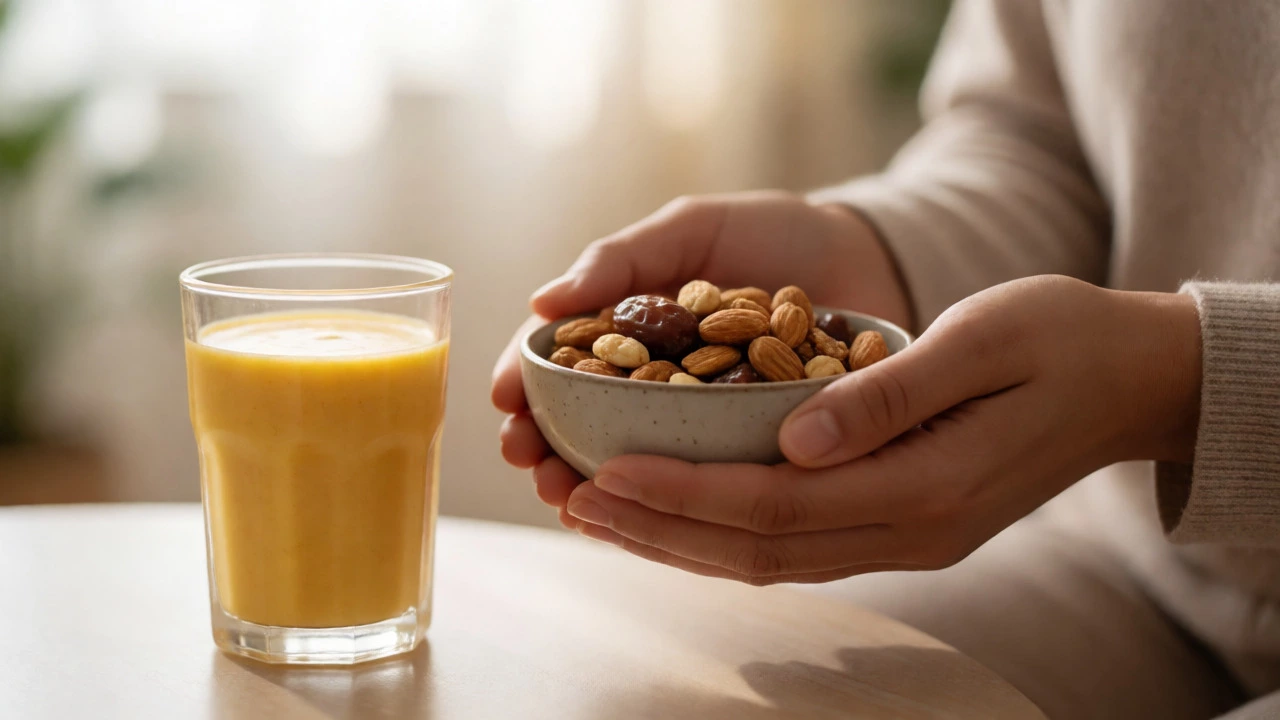
Loss of appetite is common when increasing food volume. Try drinking your calories instead of chewing them. Smoothies with banana, milk, peanut butter, and dates are easier to consume when you feel full. Also, eat your largest meals when you are hungriest, typically later in the day for many people. Spices like ginger and black pepper can also stimulate appetite.