Indian Nutrition: What You Eat and Why It Matters
When we talk about Indian nutrition, the way food is chosen, prepared, and eaten across India’s diverse regions. Also known as traditional Indian diet, it’s not just curry and rice—it’s a system built on balance, seasonality, and Ayurvedic principles that have guided meals for thousands of years. Unlike Western diets that often chase low-fat or low-carb trends, Indian nutrition works because it’s never been about cutting things out. It’s about combining things right—like lentils with rice for complete protein, or yogurt with spicy food to cool the system down.
Take paneer, a fresh, non-melting cheese made by curdling milk with lemon juice or vinegar. Also known as Indian cottage cheese, it’s a protein powerhouse used in everything from curries to snacks. Compared to Western cheeses, paneer has less fat and no aging process, making it easier to digest. Then there’s chutney, a tangy, spicy condiment made from fruits, herbs, or vegetables that adds flavor without calories. Also known as Indian relish, it’s not just a side—it’s a digestive aid packed with fiber and antioxidants. And don’t overlook rice water, the starchy liquid left after rinsing or boiling rice. Also known as rice broth, it’s been used for generations to soothe digestion and even support weight loss when drunk warm on an empty stomach. These aren’t trendy superfoods—they’re everyday staples that work because they’re part of a bigger system.
Indian nutrition doesn’t ignore carbs—it just makes them work for you. Brown rice, millet rotis, and fermented idlis digest slowly, keeping blood sugar steady. Spices like turmeric and cumin aren’t just for color—they reduce inflammation and help your body absorb nutrients. Even the oils used—coconut, mustard, or ghee—are chosen for how they behave at high heat and how they support metabolism. This isn’t magic. It’s science wrapped in tradition.
But here’s the catch: not every Indian dish is healthy. Fried samosas, sugary sweets, and creamy kormas can undo the good stuff. The key is knowing what to eat more of—and what to treat like an occasional treat. That’s why the posts below cover everything from the healthiest restaurant orders to why your roti won’t puff (because technique matters as much as ingredients). You’ll find out which cheeses work like paneer, what replaces chutney when you’re out, and whether rice water really helps with weight loss. No fluff. No myths. Just real food, real science, and real results you can use in your kitchen today.
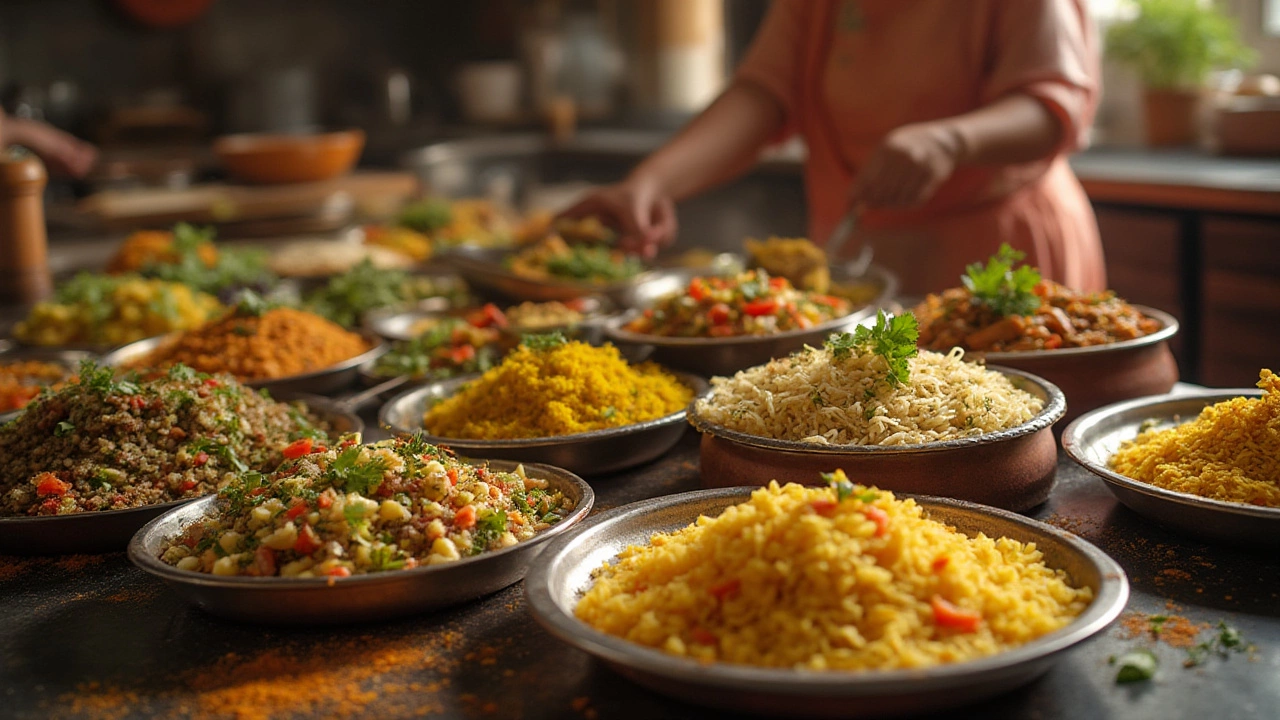
Is Indian Food Healthy? Nutrition Facts, Benefits & Simple Tips
A deep dive into the nutrition, health benefits, and practical tips of Indian food. Discover which dishes are healthiest and how spices impact your body.