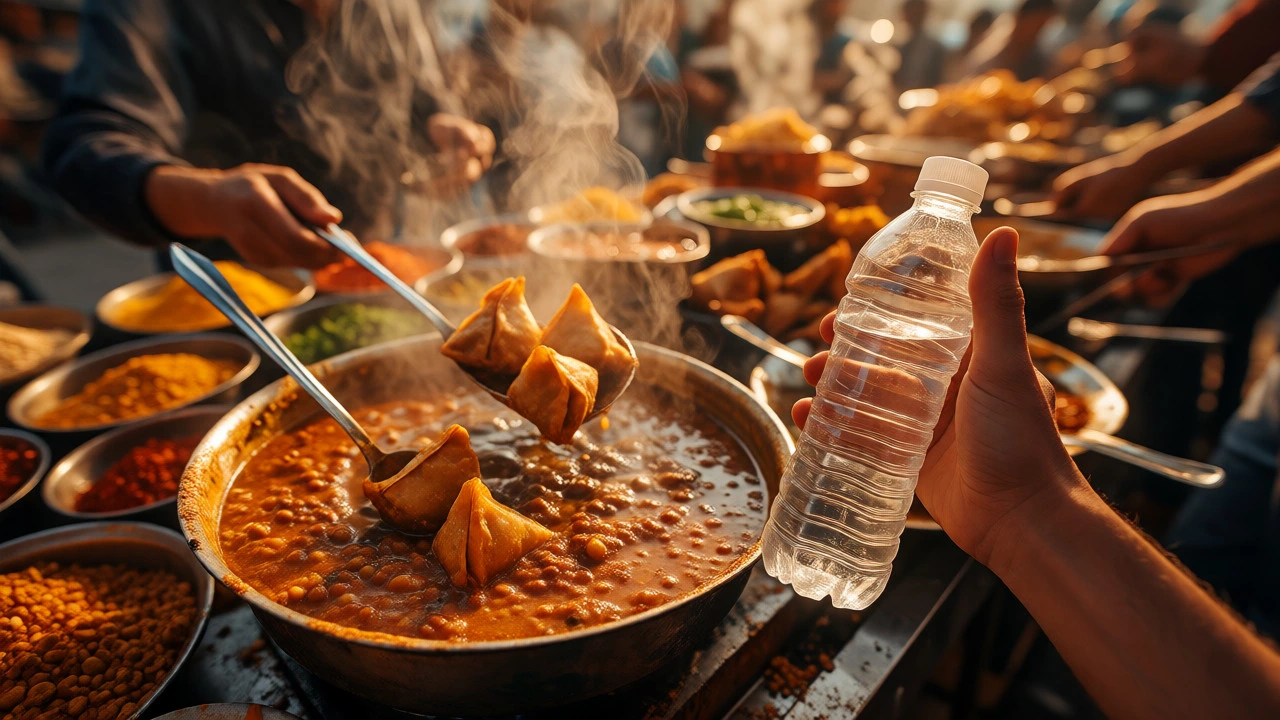
India Travel Gut Safety Checker
Planning a meal or drink? Select your scenario below to see if it meets the "Cooked, Hot, or Peeled" safety rule and other hygiene standards.
Safety Tips:
- Rule: Cooked, Hot, or Peeled.
- Water: Always use sealed bottles. Avoid ice unless certain source is safe.
- Hygiene: Hand sanitizer is non-negotiable.
You’ve booked the flight, packed your clothes, and probably downloaded a few Hindi phrases. But there’s one thing most travelers forget until it’s too late: their stomach. Delhi Belly, or traveler’s diarrhea, is the uninvited guest at about 30-50% of all trips to South Asia. It hits hard, usually within the first week, and can derail your entire itinerary if you aren’t prepared.
Here’s the good news: you don’t need to eat boiled chicken and plain rice for two weeks to stay safe. You can enjoy the vibrant world of vegetarian Indian dishes without ending up in a squat toilet. The secret isn’t just what you eat; it’s how you interact with the environment around you. Let’s break down exactly how to navigate the culinary landscape of India while keeping your gut happy.
Understanding the Culprit: Why Your Stomach Reacts
Your gut microbiome is essentially a local ecosystem. Yours is adapted to New Zealand tap water and processed foods. When you suddenly flood it with new bacteria found in Indian spices, water, and street-side produce, it panics. This isn’t necessarily an "infection" in the severe sense; it’s often an adjustment period. However, real pathogens like E. coli, Salmonella, and Giardia are present, especially in raw foods washed in untreated water.
The biggest misconception is that spicy food causes diarrhea. Spiciness (capsaicin) might irritate an already sensitive gut, but it doesn’t create the illness. The real villains are fecal-oral transmission routes-essentially, microscopic amounts of contaminated water or soil getting into your mouth via unwashed hands, raw vegetables, or ice cubes.
The Golden Rule: Cooked, Hot, or Peeled
If you remember only one rule from this guide, make it this one: Cooked, hot, or peeled. This heuristic covers 90% of safe eating scenarios in India.
- Cooked: Food that has been heated to boiling temperatures kills most harmful bacteria. Dishes like Dal Makhani, vegetable curries, and freshly fried samosas are generally safe because they come out of a wok or pot at high heat.
- Hot: Temperature matters. Bacteria multiply rapidly in lukewarm food left sitting on a counter for hours. Always choose food served piping hot. If it’s cold, ask yourself why.
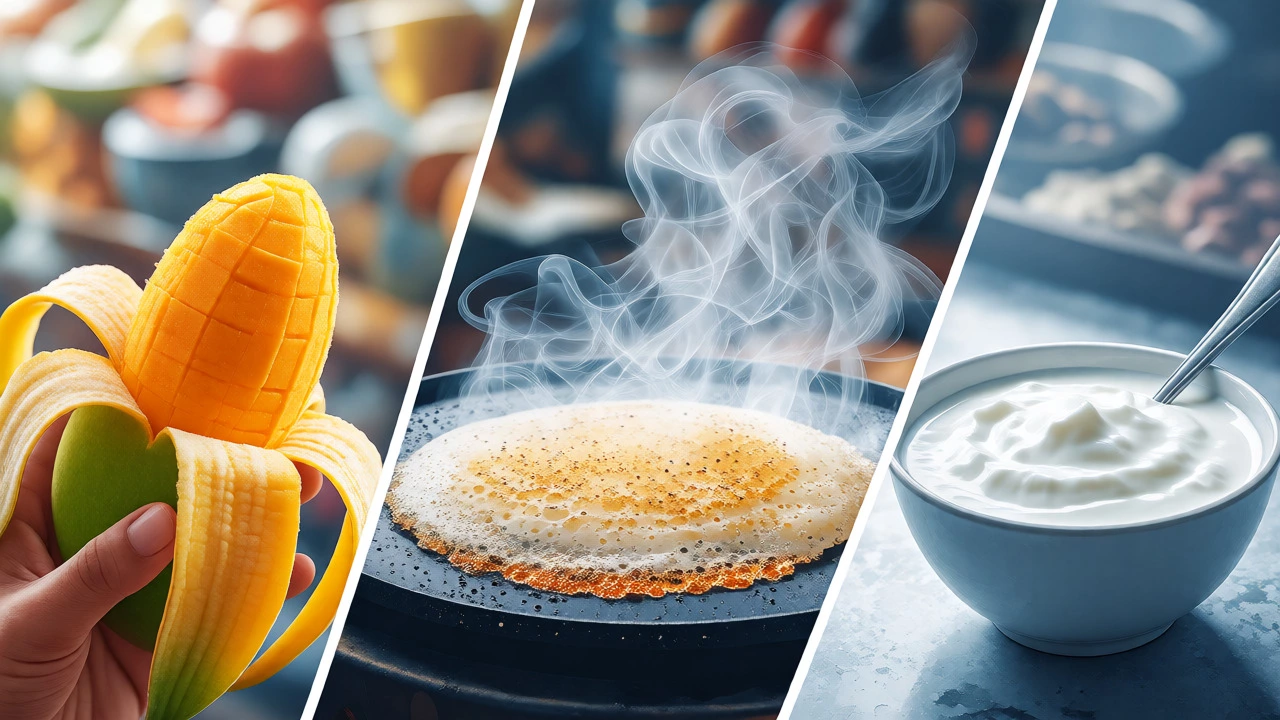
- Peeled: Fruits with thick skins that you peel yourself-like bananas, oranges, and mangoes-are safe. The skin protects the edible part from contamination. Avoid pre-cut fruit salads unless you’re sure they were washed with bottled water.
This approach allows you to dive deep into South Indian Recipes like dosas and idlis, which are fermented, steamed, or fried fresh upon order. They are delicious, filling, and typically low-risk compared to raw chutneys served at roadside stalls.
Navigating Water and Ice
Water is the primary vector for travel-related gastrointestinal issues. In many parts of India, tap water contains minerals and microbes that Western stomachs aren’t equipped to handle. Here is your hydration strategy:
| Item | Safety Level | Action Required |
|---|---|---|
| Bottled Sealed Water | High | Check seal integrity before drinking. |
| Tap Water | Low | Avoid drinking directly; use for brushing teeth only if necessary. |
| Ice Cubes | Variable | Only consume if made from bottled water (often clear/hollow). Avoid cloudy ice. |
| Chai/Coffee | Medium-High | Safe if brewed with boiled water. Milk must be pasteurized or boiled. |
| Fresh Juice | Medium | Risky if mixed with tap water. Ask for "no water" or stick to whole fruits. |
Be wary of Lassi. While this yogurt-based drink is cooling and great for probiotics, street vendors often dilute it with tap water and add ice. If you want lassi, go to established restaurants or trusted brands like Amul, where the supply chain is controlled.
Vegetarian Food: Friend or Foe?
You might think avoiding meat reduces risk. It does eliminate some bacterial risks associated with undercooked poultry or pork, but vegetarian food brings its own challenges. Raw salads (Kachumber) and garnishes like raw onions and cilantro are common accompaniments to Indian meals. These are often washed in tap water.
When ordering a thali or a plate of Paneer Tikka, politely ask for no raw salad or onion garnish. Replace them with cooked vegetables or papadums. Similarly, be cautious with Chutney. Fresh mint or coriander chutneys are tasty but perishable. If they look brown or have been sitting out, skip them. Opt for sealed packets or cooked pickle varieties instead.
Dairy products are another area to watch. Paneer and yogurt are staples in Vegetarian Recipes. Ensure the dairy comes from reputable sources. In rural areas, milk might not be pasteurized. Stick to branded packaged milk or yogurt in cities.
Hand Hygiene: The Unsung Hero
In India, many people eat with their hands. This is a cultural norm, not a lack of hygiene. However, as a traveler, your immune system isn’t used to the specific microbial load on public surfaces. Public restrooms often lack soap or running water. Carrying hand sanitizer is non-negotiable.
Wash your hands thoroughly before every meal, even if you plan to use cutlery. If you do eat with your hands, wash them immediately after touching money, door handles, or public transport rails. Money is surprisingly dirty. Consider using disposable gloves if you’re particularly anxious about street food, though washing hands is more effective.
Probiotics and Pre-Trip Prep
Some travelers swear by starting a probiotic regimen two weeks before arrival. While scientific evidence is mixed, maintaining a healthy gut flora can help resilience. Look for strains like Lactobacillus rhamnosus GG or Saccharomyces boulardii, which have shown promise in preventing traveler’s diarrhea.
During your trip, incorporate natural probiotics. Dahi (yogurt) is a staple in Indian cuisine for a reason-it aids digestion. Eating small portions of plain yogurt daily can help balance your gut biome against the influx of new bacteria. Just ensure it’s fresh and refrigerated.
What to Do If It Happens Anyway
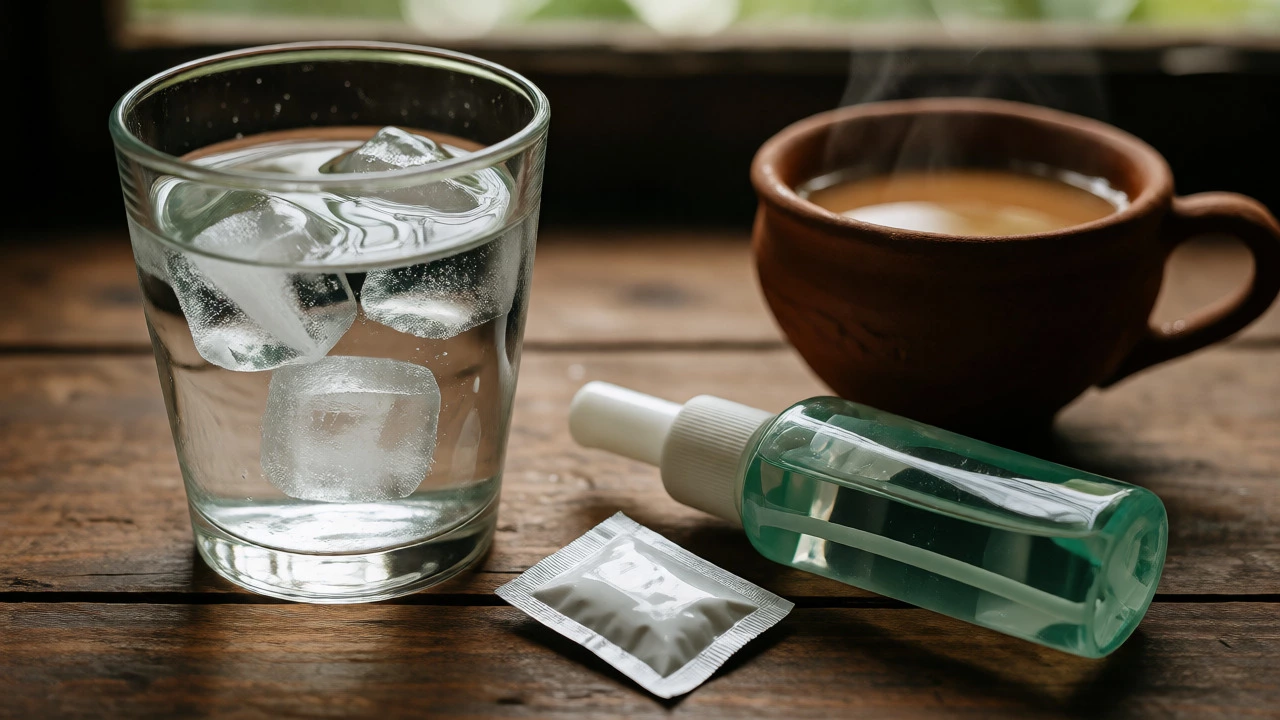
Despite your best efforts, you might still get sick. Don’t panic. Dehydration is the main danger, not the diarrhea itself. Drink oral rehydration salts (ORS), available at any pharmacy under brand names like Electral. They contain the exact ratio of salt and sugar needed to replace lost electrolytes.
Avoid anti-diarrheal medications like Imodium initially. Your body is trying to flush out the pathogen. Stopping the flow can trap the bacteria inside. Use them only for long bus rides or flights. If symptoms persist for more than three days, include blood, or are accompanied by high fever, seek medical attention. Antibiotics like Azithromycin are commonly prescribed for bacterial cases, but always consult a local doctor.
Regional Differences in Risk
Not all regions carry the same risk profile. Coastal areas like Goa and Kerala have abundant seafood, which can be risky if not cooked thoroughly. North Indian states like Punjab and Rajasthan rely heavily on wheat and dairy, with robust cooking traditions. Hill stations like Shimla or Manali offer cooler climates, which slow bacterial growth, making street food slightly safer than in humid Chennai or Mumbai.
Adjust your caution level based on location. In major metros like Delhi or Mumbai, stick to established restaurants or highly reviewed street vendors. In smaller towns, be extra vigilant about water sources.
Frequently Asked Questions
Is spicy food bad for my stomach in India?
No, spice itself doesn't cause illness. Capsaicin can irritate an already inflamed gut, so if you feel discomfort, reduce the chili level. However, the bacteria causing diarrhea are unrelated to the heat of the dish.
Can I brush my teeth with tap water?
Most doctors say yes, provided you don't swallow the water. The amount ingested during brushing is minimal. However, if you have a very sensitive stomach, use bottled water for brushing just to be safe.
Are vegetarian dishes safer than non-vegetarian ones?
Not necessarily. Vegetarian dishes avoid risks associated with undercooked meat, but they often involve raw garnishes and dairy. Cooked vegetarian food is safe, but raw salads and chutneys pose similar risks to improperly handled meat.
Should I take antibiotics preventatively?
Generally, no. Taking antibiotics prophylactically can disrupt your gut flora further and lead to resistance. Consult your travel clinic, but most experts recommend carrying them for treatment rather than prevention.
Is tea and coffee safe to drink?
Yes, if the water was boiled to make the beverage. Boiling kills pathogens. Ensure the milk added is also boiled or pasteurized. Street chai is usually safe because it is boiled extensively.