Indian Street Food Comparison Tool
Filter Snacks
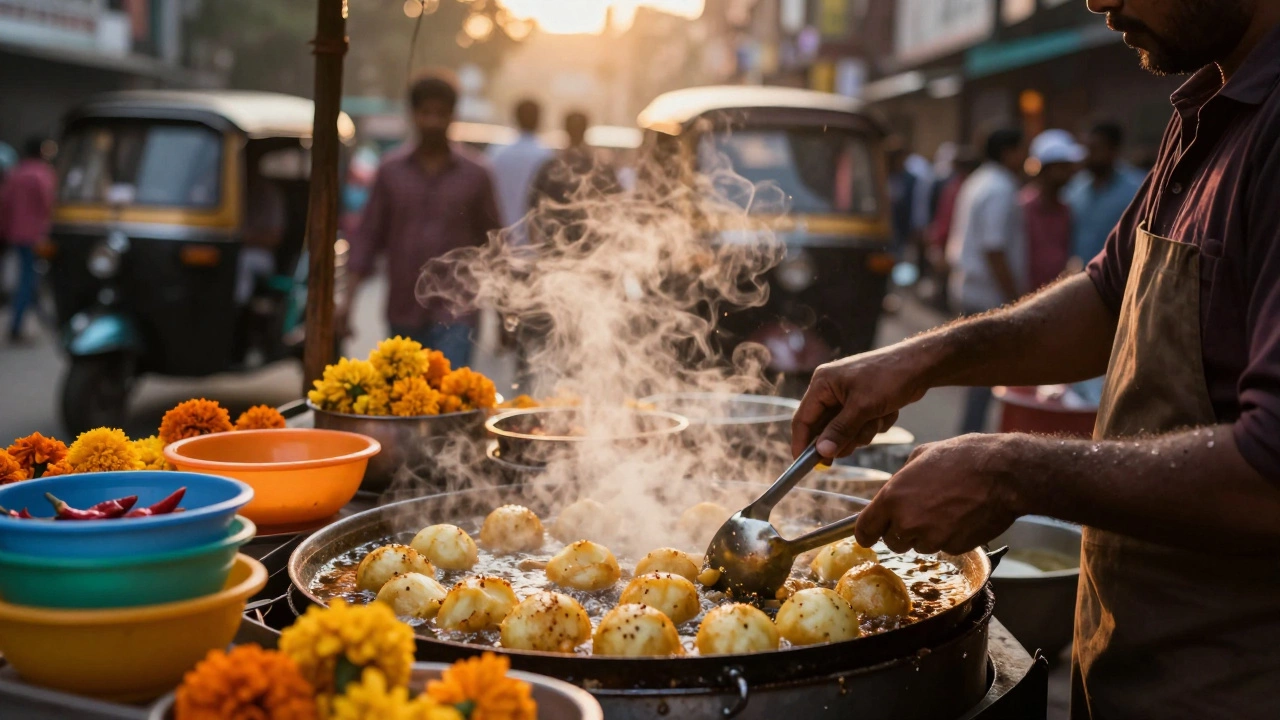
Walk down any busy road in Mumbai, Delhi, or Kolkata, and you will smell the sizzle of oil and the heat of spices before you see the food. In India, the line between a quick meal and a snack is incredibly thin. When people ask about junk food here, they aren't just talking about pizza or burgers from global chains. They are talking about the vibrant, chaotic, and delicious world of street food that fuels millions of lives every single day.
You might wonder what actually tops the list. Is it the fried potato dumplings? The spicy water balls? Or perhaps the instant noodles that have become a household staple? The answer isn't simple because India is massive, and tastes vary wildly from state to state. However, there are a few champions that dominate the conversation across the country. These aren't just snacks; they are cultural icons that define the Indian palate.
The Street Food Culture of India
To understand which junk food is most eaten, you first have to understand the environment. In India, food is rarely just fuel. It is a social activity, a comfort, and a celebration. The concept of "junk food" in the Western sense-processed, packaged, and often unhealthy-exists, but the Indian equivalent is often fresh, cooked on the spot, and loaded with spices.
Indian Street Food is a diverse category of ready-to-eat foods sold by vendors in public places. It ranges from savory fried snacks to sweet desserts. While some might label it unhealthy due to the frying process and sugar content, for many, it is the only meal they get during a busy workday. The accessibility is key. You can get a full snack for the price of a cup of coffee in the West.
This accessibility drives consumption. Unlike in countries where a snack might be a planned activity, in India, it is often an impulse. You see a cart, you smell the cumin and chili, and you stop. This impulse buying creates a massive volume of consumption for specific items that are easy to eat on the go.
The Undisputed King: Vada Pav
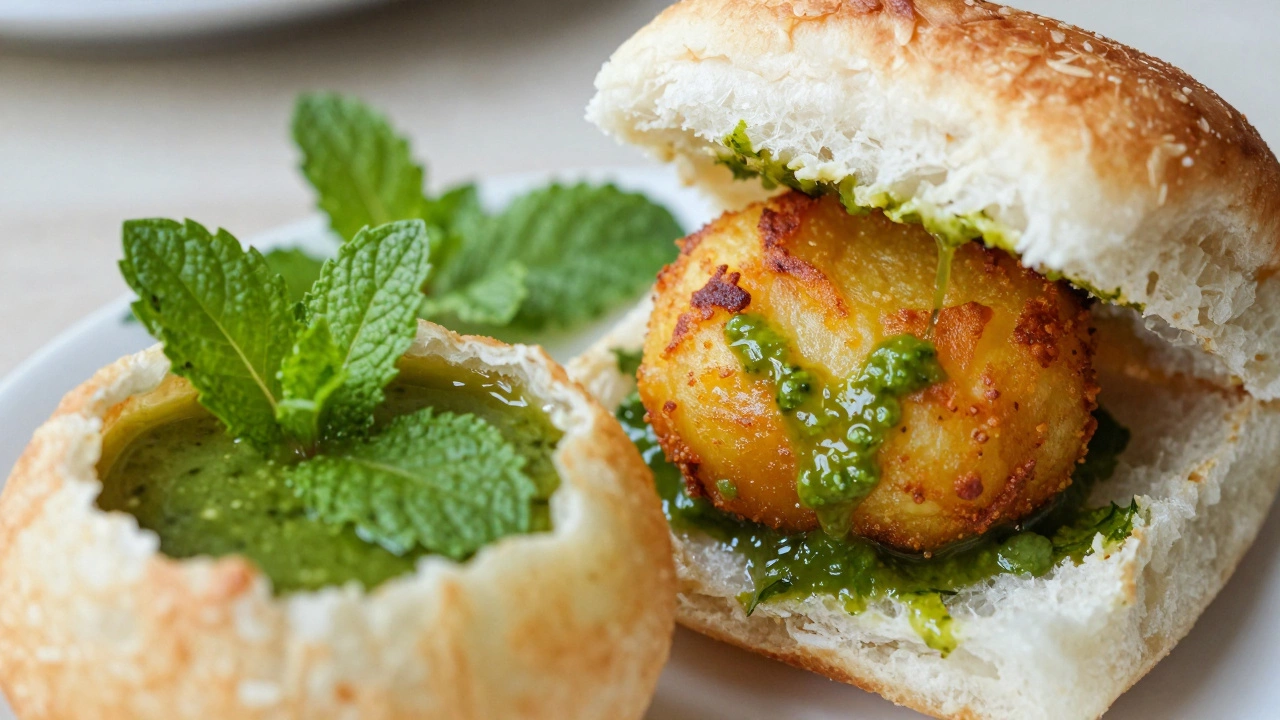
If you are looking for the single most consumed savory snack in India, the answer is almost certainly Vada Pav is a vegetarian fast food item consisting of a deep-fried potato dumpling served in a bread bun. Originating in Mumbai, this dish has conquered the entire nation. It is often called the Indian burger, but it stands on its own.
Why is it so popular? It is cheap, filling, and spicy. A typical Vada Pav costs between 10 to 20 rupees, making it affordable for almost anyone. The potato patty (vada) is spiced with turmeric, chili, and coriander, then fried until golden. It sits inside a soft pav (bread roll) with chutneys. The combination of the soft bread, the crispy potato, and the tangy tamarind chutney creates a texture profile that is hard to beat.
It is not just a snack; it is a lifestyle. You will see students, office workers, and even celebrities eating Vada Pav. Its portability means you can eat it with one hand while walking, which fits the fast-paced urban life of Indian cities. This convenience is a major factor in its high consumption rate.
The Water Ball Challenge: Pani Puri
Another heavyweight in the Indian snack category is Pani Puri is a hollow, crispy fried dough ball filled with flavored water, tamarind chutney, and potatoes. Known by different names like Golgappa in the north and Puchka in the east, this snack is a favorite for gatherings and festivals.
Eating Pani Puri is an experience. You have to balance the puri in your hand, fill it with the spicy water, and eat it in one bite. If you wait, the puri gets soggy. This immediacy makes it a street food staple. It is rarely eaten as a full meal but is consumed in quantities. You rarely order just one; you order a plate of 10 or 20.
The consumption volume here is high because it is often shared. Unlike Vada Pav, which is individual, Pani Puri is a communal snack. This social aspect drives sales at street corners during evenings and nights. The spicy water, often made with mint and coriander, gives it a refreshing kick that stands out in the humid Indian climate.
The Comfort of Instant Noodles: Maggi
When we talk about junk food in India, we cannot ignore the pantry staple. Maggi Noodles is a brand of instant noodles that has become synonymous with comfort food across Indian households. While it is a packaged product, its consumption rivals street food.
Maggi is more than just noodles; it is a cultural phenomenon. Almost every Indian household has a packet in the cupboard. It is prepared in minutes with a simple recipe: boil water, add noodles, add masala, and stir. For students living away from home, it is a lifeline. For parents, it is a quick meal when dinner is running late.
The popularity of Maggi is driven by its taste profile. The masala powder is heavily spiced with turmeric, chili, and garlic, mimicking the flavor of a home-cooked curry. It is a processed food, yes, but it is processed to fit the Indian flavor profile perfectly. This localization is why it outsells other noodle brands by a significant margin.
Regional Variations in Snack Consumption
India is not a monolith. What is popular in the south might be unknown in the north. Understanding regional preferences is crucial to answering which junk food is most eaten.
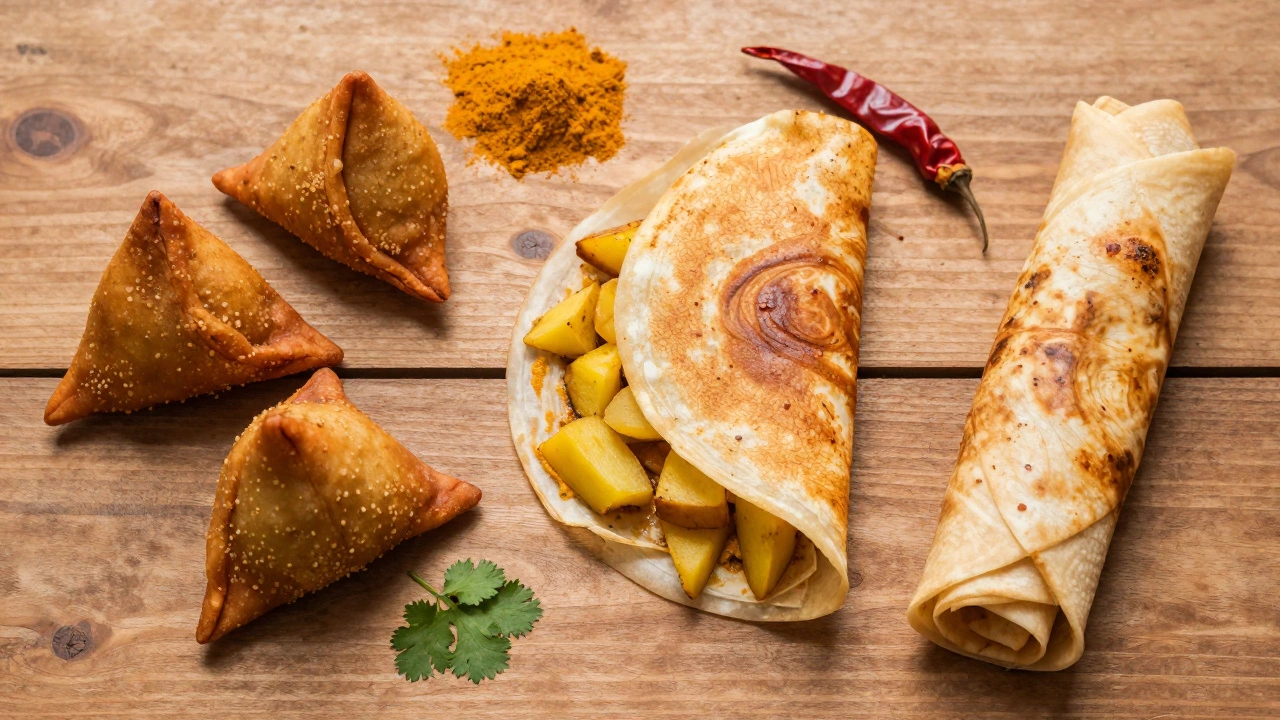
- North India: Here, you will find Samosa is a fried pastry filled with spiced potatoes and peas. It is a classic tea-time snack. Chhole Bhature (spicy chickpeas with fried bread) is also a massive street food item in Punjab and Delhi.
- West India: As mentioned, Vada Pav rules Mumbai. In Gujarat, Dhokla and Khaman are popular, though these are steamed and often considered healthier. However, Khandvi and Farsan (mixed savory snacks) are consumed heavily.
- South India: The south loves Masala Dosa is a crispy fermented crepe filled with spiced potatoes. While often a meal, it is also a snack. Bonda, a fried batter patty similar to Vada, is a common street snack in Tamil Nadu and Karnataka.
- East India: Kolkata is famous for Kathi Roll is a wrap made of paratha bread filled with meat or vegetables. It is a precursor to the modern wrap and is eaten widely in West Bengal.
While Vada Pav and Pani Puri have national recognition, these regional items dominate their local markets. If you aggregate the data, the fried potato-based snacks (Vada, Samosa, Aloo Tikki) seem to be the winners overall.
The Health Debate: Is It Really Junk?
Labeling these foods as "junk" is a bit tricky. In the West, junk food implies low nutritional value and high processing. Indian street food is often high in calories due to deep frying, but it also contains vegetables, spices, and herbs.
For example, the chutneys used in Vada Pav are made from fresh tamarind, mint, and coriander. These provide vitamins and antioxidants. The spices used, like turmeric and chili, have anti-inflammatory properties. However, the oil quality is a concern. Street vendors often reuse oil for frying, which increases the trans-fat content.
Despite the health risks, the consumption remains high. This is partly due to the taste. The combination of salty, spicy, and sweet flavors triggers the brain's reward system. It is an addiction to flavor, not just hunger. People know it is not the healthiest option, but the taste satisfaction outweighs the health concern for a quick fix.
Bringing Street Food Home
Interestingly, the popularity of these junk foods has led to a trend of making them at home. Home cooks want to control the oil quality and hygiene. This connects directly to the "Easy Recipes" category on this site.
Many families now make Vada Pav or Samosa at home during weekends. They use fresh oil and organic spices to make a healthier version of the street classic. This shift shows that the love for these foods is enduring, but the approach is evolving.
Recipes for Pani Puri water and Maggi variations are widely shared online. People are adding vegetables to Maggi to make it more nutritious. They are baking Samosas instead of frying them. The core flavor remains, but the preparation adapts to modern health standards.
Comparison of Top Indian Snacks
To help you understand the scale of these foods, here is a comparison of the top contenders based on consumption, price, and preparation time.
| Food Item | Primary Region | Avg Price (INR) | Preparation Time | Key Ingredient |
|---|---|---|---|---|
| Vada Pav | Mumbai (West) | 10 - 20 | 10 mins (Street) | Potato |
| Pani Puri | North & East | 20 - 50 (Plate) | Instant | Semolina Dough |
| Maggi Noodles | National | 5 - 10 | 3 mins | Wheat Flour |
| Samosa | North | 10 - 15 | 30 mins | Potato & Peas |
| Kathi Roll | East | 50 - 100 | 15 mins | Paratha Bread |
This table shows that while prices vary, the potato-based snacks are the most affordable and widely accessible. This affordability is the primary driver of their high consumption volume across all income groups.
Why These Foods Stick
Ultimately, the reason these foods are the most eaten is simple: they work. They are calorie-dense, which is important for laborers and students who need energy. They are flavorful, which makes them satisfying. And they are cheap, which makes them accessible.
As India urbanizes, the demand for quick, hot food will only grow. While global fast-food chains are expanding, the local street food vendors remain the backbone of the snack industry. They offer a taste of home that no multinational corporation can replicate. The smell of frying dough and the heat of chili powder are the true aromas of India.
Whether you are eating a Vada Pav on a Mumbai street or a bowl of Maggi in a Delhi apartment, you are participating in a culinary tradition that is as old as the country itself. It is messy, it is spicy, and it is undeniably delicious.
Is Vada Pav considered junk food?
Yes, Vada Pav is often categorized as junk food because it involves deep-frying the potato patty and using refined flour for the bread. However, it is also a popular street food that provides quick energy.
What is the cheapest junk food in India?
Maggi Noodles and Vada Pav are among the cheapest, often costing between 5 to 20 rupees depending on the location and vendor.
Are there healthy versions of Indian street food?
Yes, you can make healthier versions by baking Samosas or Vadas instead of frying them, and using fresh oil at home. You can also add more vegetables to the fillings.
Why is Maggi so popular in India?
Maggi is popular because it is quick to prepare, tastes like a spicy curry, and is affordable. It fits perfectly into the busy lifestyle of Indian families.
Which state eats the most street food?
Mumbai and Delhi are known for the highest consumption of street food due to their large populations and vibrant street food culture.