Paneer Nutrition & Portion Calculator
Your Parameters
Nutritional Profile
Select your amount to see insights
The Verdict on This Popular Indian Cheese
You have probably seen paneer, a type of fresh cottage cheese, stacked high in grocery aisles or served sizzling in restaurants across town. People love it. It ends up in curries, wraps, and even salads. But recently, conversations around social media and dinner tables have started questioning its place in a balanced diet. Some call it a superfood packed with protein. Others warn it hides too much saturated fat and calories. The reality sits somewhere in the middle, depending entirely on how you prepare it and what else you eat alongside it.
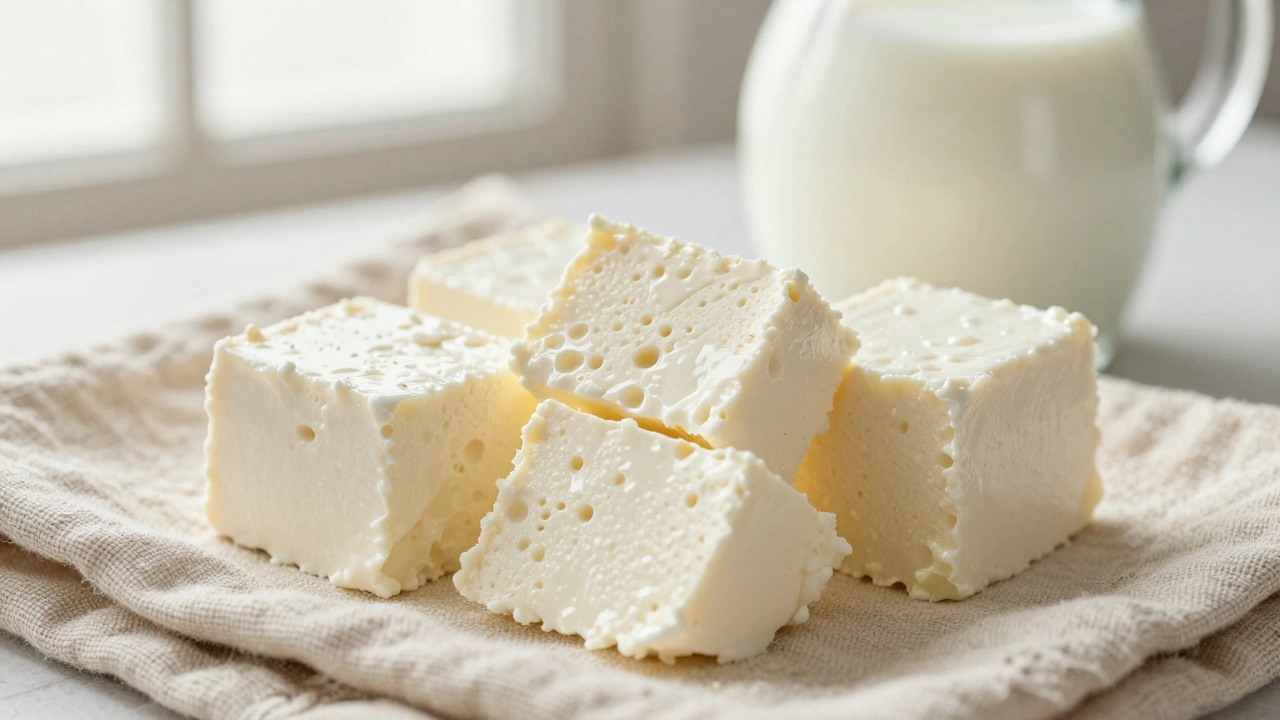
Paneer is an unaged acid-set cheese made from buffalo or cow milk, widely used in South Asian cuisine. It provides a chewy texture and absorbs flavors from spices well. As Indian Cottage Cheese gains global popularity, understanding its true nutritional profile matters. We are going to break down exactly what goes into those white cubes and whether they help or hinder your health goals.
Quick Summary: Key Takeaways
- Packed with protein, supporting muscle repair and growth effectively.
- High calcium content aids bone health, but portion control is necessary.
- Saturated fat levels vary significantly between homemade and store-bought versions.
- Lactose intolerance can make digestion difficult for some individuals.
- Calorie density requires mindful serving sizes when managing weight.
What Exactly Is Paneer Made Of?
To judge if it is good for you, you first need to understand the ingredients. Unlike aged cheeses that undergo fermentation, this fresh curd cheese uses simple acidity to separate solids from liquid. The process involves boiling milk and adding an acid agent, usually lemon juice or vinegar. The solid curds get pressed into blocks. That is essentially it. No preservatives, no artificial additives in the purest form.
However, variations exist. In many commercial productions, manufacturers adjust the moisture content to extend shelf life. Sometimes, water gets squeezed out more aggressively to increase hardness and reduce spoilage risk. In contrast, homemade versions retain more natural moisture and tend to be softer. The base ingredient remains milk, which brings along all its inherent nutrients and fats. If the source milk is full-fat, the result is rich and creamy. Low-fat milk creates a leaner product but alters the texture significantly.
Nutritional Breakdown Per 100 Grams
Numbers tell a clearer story than vague claims about "healthy" foods. When analyzing the nutrient density, we look at macronutrients primarily. Below is a comparison showing average values often found in standard servings.
| Component | Standard Value | Daily Reference (%) |
|---|---|---|
| Energy | ~265 kcal | 13% |
| Protein | 18-20g | 36% |
| Total Fat | 20-22g | 31% |
| Calcium | d>180mg | 18% |
| Sugar | ~1g | Trace |
Looking at these figures, the protein content stands out immediately. Getting nearly a quarter of your daily protein requirement in just a single serving makes it attractive for athletes or anyone looking to build lean mass. The calcium contribution is also substantial, supporting strong bones as you age. On the flip side, the calorie count is higher than you might expect compared to non-dairy proteins like tofu. One serving alone equals a small snack meal in terms of energy.
Major Health Benefits
When consumed within reasonable limits, this dairy product offers significant advantages. Here are the primary ways it supports your body.
- Muscle Maintenance: The high protein density helps repair tissues after exercise. It contains all essential amino acids required for bodily function.
- Bone Density: Combined with Vitamin D sources, the calcium helps prevent osteoporosis later in life.
- Metabolic Support: Casein protein found in cheese digests slowly, keeping you fuller for longer periods without spiking blood sugar levels.
- Versatile Nutrition: Since it absorbs spices, you can turn it into a complete meal with vegetables, adding vitamins and fiber to the protein base.
This combination makes it a staple in vegetarian diets where getting sufficient protein from plant sources can sometimes require larger volumes of food. You feel satisfied faster with less volume on the plate.
Potential Downsides and Risks
No food is without potential issues if eaten excessively or by people with specific sensitivities. High intake presents a few challenges regarding heart health and digestion.
First, consider saturated fat. Traditional preparations use whole milk. While recent studies suggest the link between saturated fat and heart disease is complex, maintaining moderation is still wise for cholesterol management. If you watch your lipid profile closely, switching to low-fat milk for preparation is a logical step.
Secondly, digestion plays a major role. Many adults struggle with lactose intolerance. Even though curdling removes much of the whey (where lactose lives), trace amounts remain. People who react poorly to dairy might experience bloating or discomfort after eating large portions. It is worth noting that the pressing process reduces sugar content compared to fluid milk, making it easier to tolerate than yogurt for some.
Lastly, sodium levels creep up in restaurant dishes. The cheese itself isn't salty, but the gravy or marinade surrounding it often contains hidden salt. Home cooking allows you to control this variable completely.
Homemade Versus Store-Bought Differences
The origin of your purchase changes the nutritional landscape significantly. Commercial blocks aim for longevity. To achieve a firmer texture that lasts weeks on shelves, producers squeeze out almost all moisture. This concentration increases fat percentage by weight. Freshly made batches hold more water and naturally weigh more while having slightly lower calorie density per gram.
Additionally, preservative-free home versions offer a cleaner label. In a typical kitchen setting, using fresh milk and lemon juice results in a product free from stabilizers like citrate or gums. These gums sometimes alter gut microbiome balance over time. Making your own ensures purity and lets you dictate the fat level based on available milk types in your region.
Who Should Limit Consumption?
While most people benefit from moderate consumption, certain groups need to exercise caution.
- Weight Watchers: Due to high caloric density, tracking portion size prevents unintended weight gain.
- Lactose Sensitive Individuals: Start with small amounts to test tolerance levels.
- Heart Concerns: If monitoring saturated fats strictly, opt for reduced-fat milk versions.
- Kidney Issues: High protein loads may stress compromised kidneys; consult a doctor.
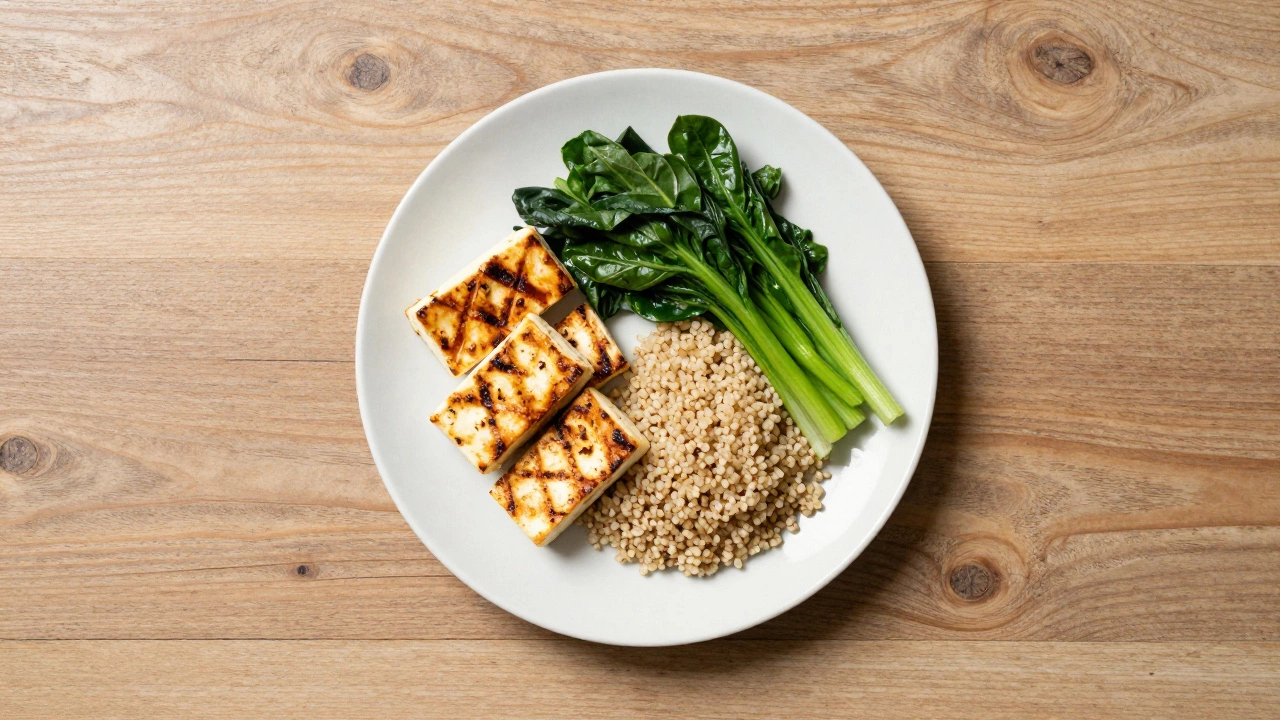
It is not an enemy, but it requires awareness. Treating it as a meat substitute works well if you balance it with plenty of leafy greens and whole grains to round out the fiber intake.
Practical Tips for Healthy Integration
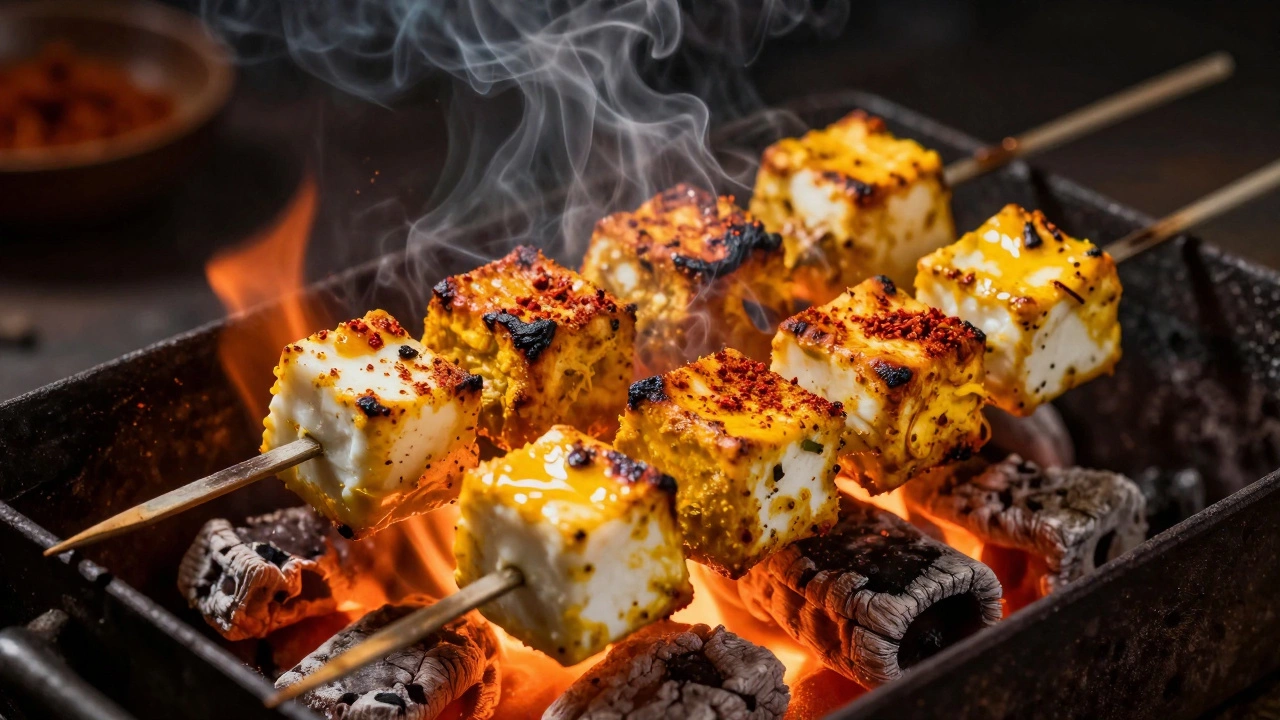
Incorporating this ingredient wisely keeps the benefits high and risks low. Grilling instead of frying cuts down unnecessary oils significantly. Marinating with herbs and spices rather than heavy cream sauces adds flavor without extra fat. Try swapping some of the traditional heavy gravies for dry stir-fry mixes or kebabs.
Portion control remains the golden rule. Aim for roughly 100 to 125 grams per meal rather than doubling up every night. Pairing it with complex carbohydrates like brown rice or quinoa stabilizes energy levels throughout the afternoon.
Is paneer good for weight loss?
It can be part of a weight loss plan due to high protein promoting satiety, but you must monitor portion sizes because it is calorie-dense.
Does paneer contain lactose?
Yes, trace amounts remain after curdling. People with severe lactose intolerance might still experience mild symptoms depending on sensitivity.
How does homemade compare to packaged?
Homemade retains more moisture and fewer additives, offering fresher taste and potentially lower saturated fat concentration per gram.
Can vegans eat paneer?
No, it is dairy-based. Tofu or almond cheese alternatives provide a similar texture for plant-based diets.
Is fried paneer unhealthy?
Frying adds significant oil absorption and calories. Baking or grilling keeps the fat content within healthier limits.
Final Thoughts on Including It in Meals
Balancing diet choices involves weighing the pros against the cons. This cheese delivers essential building blocks for muscles and bones, filling gaps that fruits and vegetables leave behind in protein provision. By choosing fresh ingredients and controlling added fats, you secure the advantages while avoiding the negatives. Moderation dictates whether it becomes a health ally or a burden. Treat it as a premium protein source and enjoy it responsibly.