Dal Cooking Method Calculator
Determine the optimal lid strategy and water ratio for your specific lentil dish based on texture preference.
Recommended Strategy
There is a moment in every kitchen where the pot of simmering dal becomes a source of anxiety. Is it boiling over? Is it getting mushy? And most importantly, should that lid be on or off? If you have ever stood over a stove wondering if covering your lentils will ruin them, you are not alone. This single decision changes the texture, flavor, and consistency of your dish completely.
The short answer is: it depends entirely on what kind of dal you are making and what texture you want. But the real secret lies in understanding *why* we cover pots in the first place. It’s not just about keeping heat in; it’s about controlling evaporation and managing the starch release. Let’s break down exactly when to keep that lid tight, when to leave it ajar, and why some chefs swear by never covering their lentils at all.
Why Do We Cover Pots When Cooking?
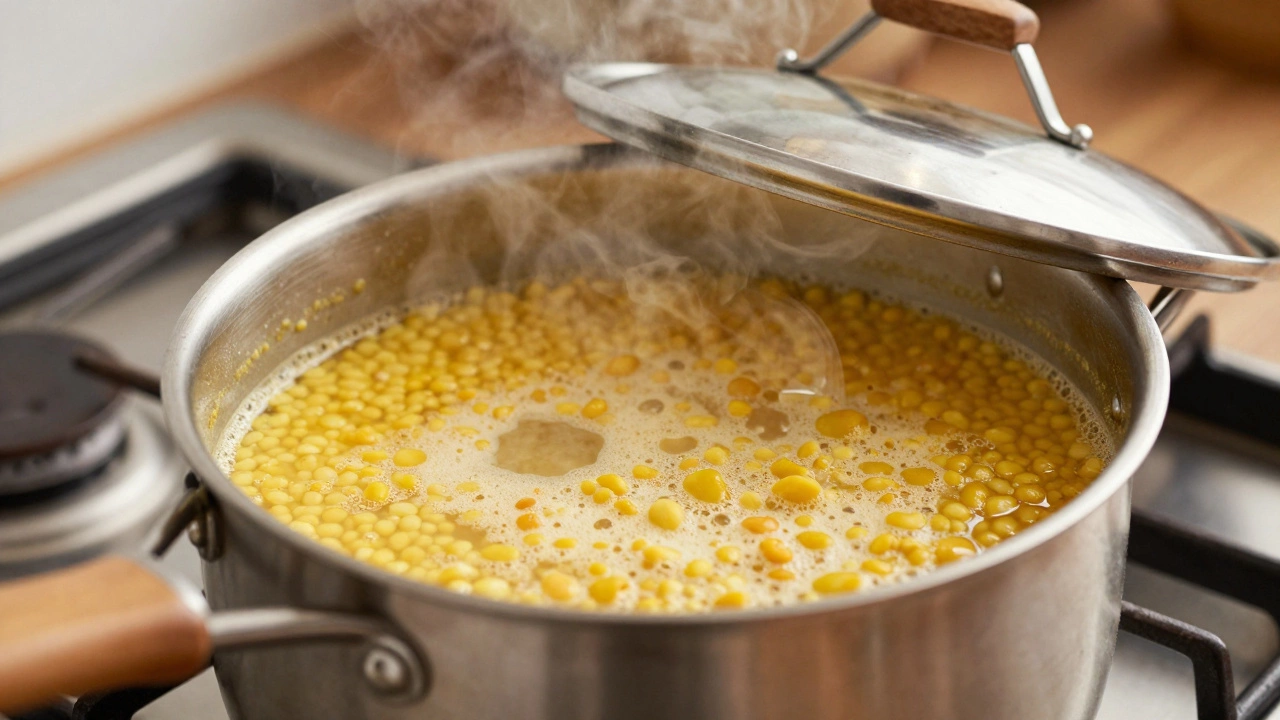
Before we get into specific lentil types, let’s look at the physics of the pot. When you put a lid on a pan, you trap steam. That steam circulates back down onto the food, keeping the temperature steady and preventing the liquid from evaporating too quickly. For many dishes, this is essential. You want the ingredients to braise in their own juices, not dry out.
However, lentils are different from meat or vegetables. They release starch as they cook. If you trap that steam with a tight lid, you also trap that starchy vapor. When it condenses and falls back into the pot, it can create a gummy, glue-like texture rather than a creamy, distinct grain. This is why the "cover or uncover" debate exists. It is a battle between tenderness and texture.
- Covered: Faster cooking, retains more liquid, softer texture, risk of foaming/boiling over.
- Uncovered: Slower cooking, reduces liquid significantly, firmer grains, less foam, richer flavor concentration.
The Golden Rule: The Two-Stage Method
If there is one technique that works for almost every type of dal, it is the two-stage method. This approach gives you control over both the cooking time and the final consistency. Instead of guessing, you actively manage the process.
- Start Covered: Bring the dal to a boil with the lid on. This helps the lentils soften evenly and saves energy. Keep an eye on it because dals love to bubble up and escape the pot.
- Simmer Uncovered (or Partially Covered): Once the dal is tender but still holds its shape, remove the lid. Lower the heat and let it simmer until it reaches your desired thickness. This step allows excess water to evaporate and the flavors to concentrate.
This method prevents the common mistake of ending up with watery soup when you wanted a thick curry, or a dry paste when you wanted a comforting bowl. By removing the lid at the end, you give yourself the power to adjust the consistency manually.
Specific Guidelines for Popular Dal Types
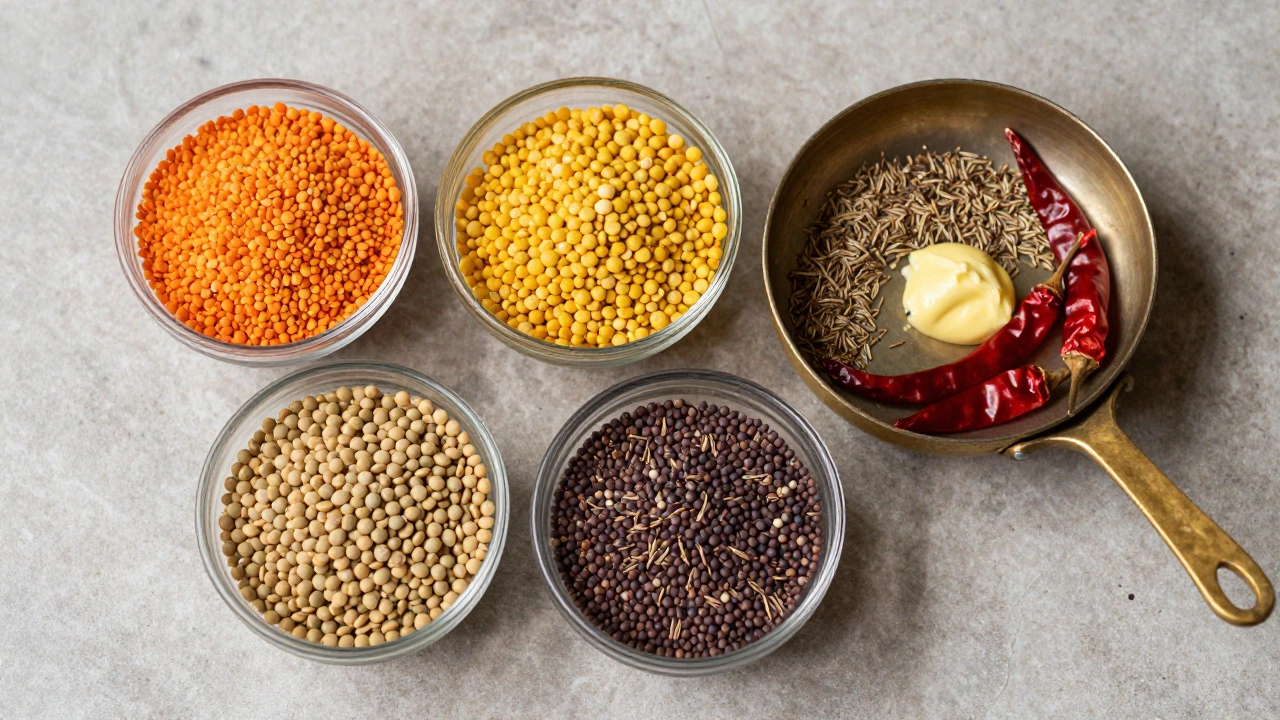
Not all lentils behave the same way. Some are tough and need aggressive steaming, while others fall apart at the slightest pressure. Here is how to handle the most common varieties found in home kitchens.
| Lentil Type | Recommended Coverage | Why? |
|---|---|---|
| Toor Dal (Pigeon Peas) | Cover initially, then uncover | Needs steam to soften skins, but benefits from reduction for creaminess. |
| Masoor Dal (Red Lentils) | Uncovered mostly | Cooks very fast; covering makes it mushy and prone to burning at the bottom. |
| Chana Dal (Split Chickpeas) | Cover tightly | Dense and hard; requires trapped steam to break down fibers effectively. |
| Moong Dal (Yellow Mung Beans) | Partial cover | Delicate; full cover makes it soupy, no cover makes it dry too fast. |
| Urad Dal (Black Gram) | Cover tightly | Very dense; often cooked under pressure or with heavy lids to ensure softness. |
Notice the pattern? Tougher, split legumes like Chana and Urad benefit from being covered because they need maximum heat retention to become edible. Delicate, pre-split lentils like Masoor and Moong cook so quickly that covering them usually leads to overcooking before you even add the spices.
The Foam Problem: Why Dals Boil Over
One of the biggest reasons people hesitate to cover their dal is the fear of the "volcano effect." Lentils produce a thick, soapy-looking foam that rises rapidly when boiled. If you have a tight-fitting lid, this foam has nowhere to go. It spills over the sides, creates a mess on your stovetop, and can even extinguish your gas flame if it covers the burner.
Here is how to manage this without sacrificing the benefits of covering:
- Use a larger pot: Give the dal room to rise. A 6-quart pot for 1 cup of dry lentils is ideal.
- Add fat early: Adding a teaspoon of oil or ghee at the beginning breaks the surface tension of the water, reducing foam formation.
- The "Tilted Lid" Trick: Instead of placing the lid flat, prop it open slightly with a wooden spoon. This allows steam to escape slowly, preventing pressure buildup while still retaining enough heat to cook the lentils efficiently.
I’ve seen many home cooks panic and lift the lid completely when they see foam rising. While this stops the overflow, it drops the temperature drastically, slowing down the cooking process. The tilted lid is a much better compromise.
Texture Matters: Creamy vs. Distinct Grains
Your goal determines your method. Are you making a smooth, pourable dal tadka that coats rice? Or are you making a dal fry where you want to see individual, firm lentils?
For creamy textures, you want to encourage the lentils to break down. Covering the pot traps steam, which gently agitates the lentils against each other. This mechanical action, combined with the moist heat, helps the skins slip off and the interiors turn to mush. Think of Toor Dal or Moong Dal Khichdi. You want that unified, porridge-like consistency. In these cases, keep the lid on for 80% of the cooking time.
For distinct grains, you want to minimize agitation. Leaving the pot uncovered allows the water to circulate more freely and cool slightly at the surface. This keeps the lentils separate. Chana Dal and whole Masoor Dal often benefit from this approach, especially if you are serving them with roti rather than rice. You want bite, not sludge.
Common Mistakes to Avoid
Even experienced cooks make errors when handling lentils. Here are three pitfalls that can ruin an otherwise perfect batch.
Adding salt too early. There is an old wives' tale that salt toughens lentils. Modern science suggests this is largely a myth, but adding salt at the very beginning can indeed slow down the softening process slightly. More importantly, if you cover the pot with salty water, the evaporation rate changes, potentially leading to uneven seasoning. Add salt after the dal is half-cooked.
Ignoring the water ratio. Covering the pot means less evaporation. If you use the standard 1:3 ratio (1 cup dal to 3 cups water) but keep the lid on the entire time, you will end up with soup. If you leave it uncovered, you might end up with dry beans. Adjust your water based on your lid strategy. Less water if covered, more water if uncovered.
Stirring too much. Stirring releases starch. If you stir a covered pot frequently, you create a thick, gloopy mixture. Stir only occasionally, especially during the initial boiling phase. Let the gentle simmer do the work.
Pressure Cookers Change the Game
In many households, especially in South Asia, the pressure cooker is the default tool for cooking dal. Does the "cover or uncover" rule apply here? Yes, but differently. A pressure cooker is essentially a sealed environment that forces steam through the food at high temperatures. You don't have a choice about covering-it’s mandatory for safety and function.
However, the principles of texture still apply. If you want a thicker dal, you use less water inside the pressure cooker. If you want a thinner dal, you add more water. After the pressure is released, you can always remove the lid and simmer the dal on the stovetop to reduce it further. This hybrid approach combines the speed of pressure cooking with the control of open-pot simmering.
Remember, the whistle is just the start. The real magic happens in the natural release phase. Letting the pressure drop naturally allows the lentils to continue absorbing moisture without the violent agitation of high-pressure steam, resulting in a softer, more uniform texture.
Final Tips for Perfect Dal Every Time
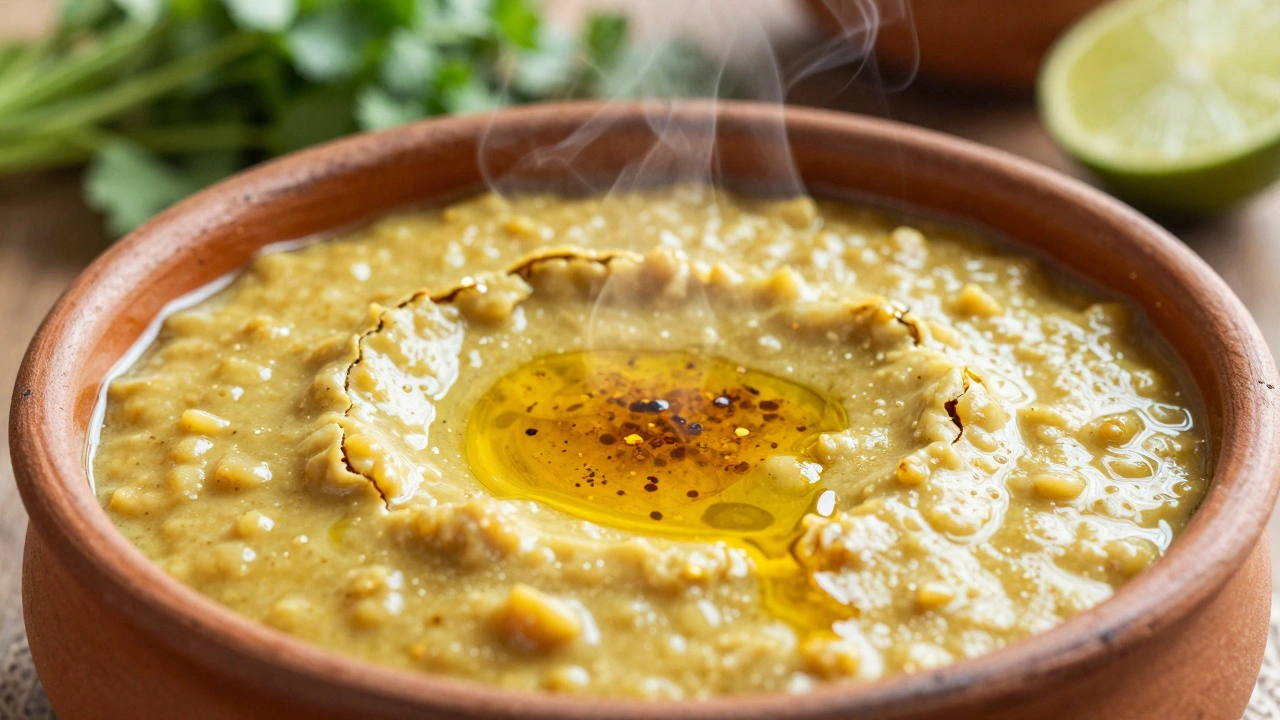
Cooking dal is less about rigid rules and more about observation. Your eyes and nose are better tools than any timer. Look for the "cracks" on the surface of the liquid-that’s a sign the lentils are releasing their starch and nearing completion. Smell for the earthy, nutty aroma that signals the raw bean smell has disappeared.
Experiment with the lid. Try cooking the same type of dal twice: once fully covered, once uncovered. Taste the difference. Note how the color deepens when uncovered due to reduced water content. Notice how the texture shifts from firm to creamy. This hands-on learning is invaluable.
Finally, don’t forget the tempering (tadka). Whether you covered the pot or not, the final splash of hot oil with cumin, mustard seeds, and dried red chilies transforms the dish. It adds the layer of complexity that turns simple boiled lentils into a memorable meal. The lid decision affects the base; the tempering defines the soul.
Should I cover dal when boiling in a regular pot?
Yes, cover it initially to bring it to a boil faster and help the lentils soften. However, watch closely to prevent boiling over. Once tender, uncover to reduce the liquid and achieve your desired thickness.
Why does my dal boil over when covered?
Lentils release starch that creates foam. When covered, steam builds up pressure, pushing the foam up. To prevent this, use a larger pot, add a teaspoon of oil, or tilt the lid slightly to allow steam to escape.
Does covering dal make it healthier?
Covering dal retains more nutrients that might otherwise evaporate with steam, such as B vitamins. However, leaving it uncovered concentrates flavors and reduces sodium if you are using less salt. Both methods are healthy; choose based on taste preference.
Can I cover dal when using a pressure cooker?
You must seal the lid tightly for a pressure cooker to work safely. The internal pressure cooks the dal quickly. After cooking, you can remove the lid and simmer on low heat to adjust consistency if needed.
How do I know when dal is done cooking?
Dal is done when the lentils are tender and easily mashed between your fingers. The liquid should have thickened slightly, and cracks may appear on the surface. Taste a few grains to ensure there is no hard center.