Tandoori Flavor Optimizer
Adjust the sliders to simulate how different cooking methods affect your Tandoori Chicken's taste and texture.
Predicted Outcome
Adjust settings to see results...
You bite into a piece of tandoori chicken and immediately feel that hit of smoky char, tangy yogurt, and deep spice. It’s not just "good"; it’s addictive. But why does this specific combination of ingredients and heat create such a powerful reaction in your brain? It isn’t magic. It’s a perfect storm of chemistry, physics, and culinary tradition that has been refined over centuries.
The Power of the Clay Oven
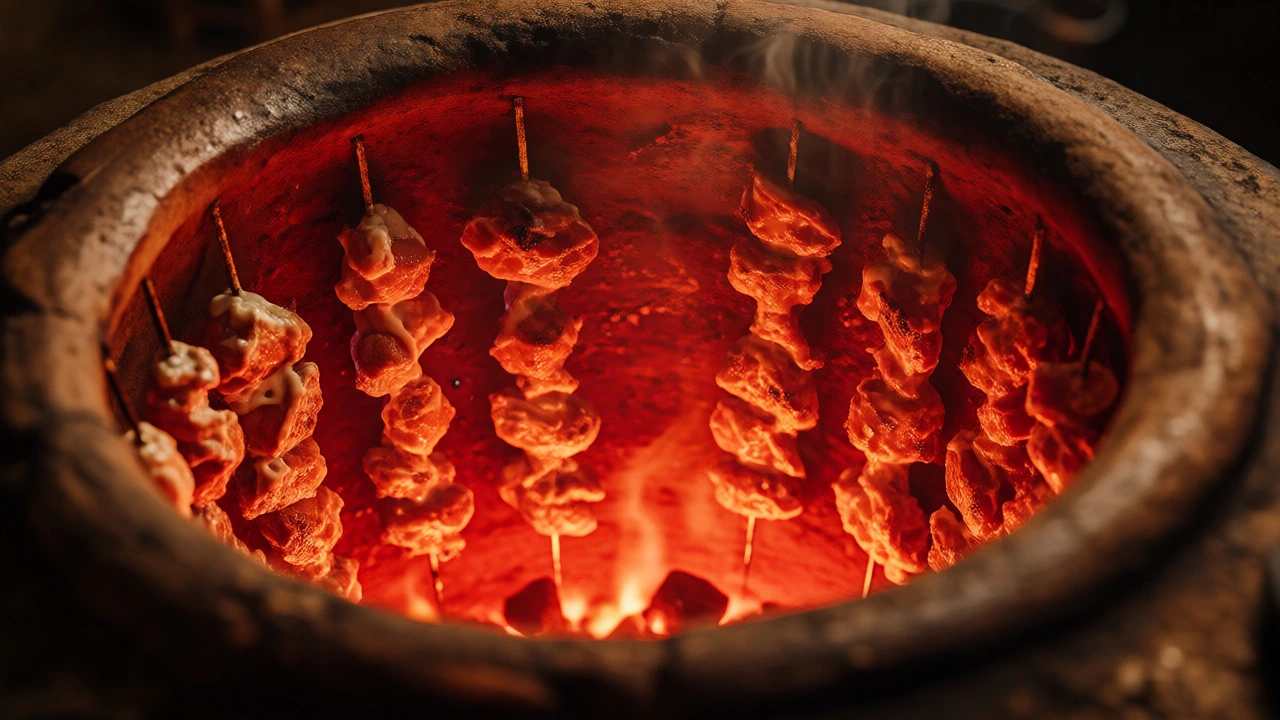
Most home cooks think the secret is in the spices alone. They’re wrong. The real hero here is the vessel itself: the tandoor. This cylindrical clay oven operates at temperatures that most home ovens can’t even dream of-often exceeding 480°C (900°F). At this level of heat, two things happen instantly. First, the surface of the meat sears so fast that the juices are trapped inside before they can escape. Second, the intense radiant heat triggers the Maillard reaction on a massive scale.
The Maillard reaction is what gives browned food its distinctive flavor. In a standard oven, you might get a gentle browning after an hour. In a tandoor, you get complex flavor compounds formed in minutes. The clay walls also retain moisture from previous cooks, creating a humid environment that prevents the chicken from drying out while the exterior crisps up. If you try to replicate this in a regular electric oven, you’ll miss that crucial balance of crisp skin and juicy interior because your oven simply doesn’t radiate heat with the same intensity or humidity control.
Yogurt Isn’t Just for Creaminess
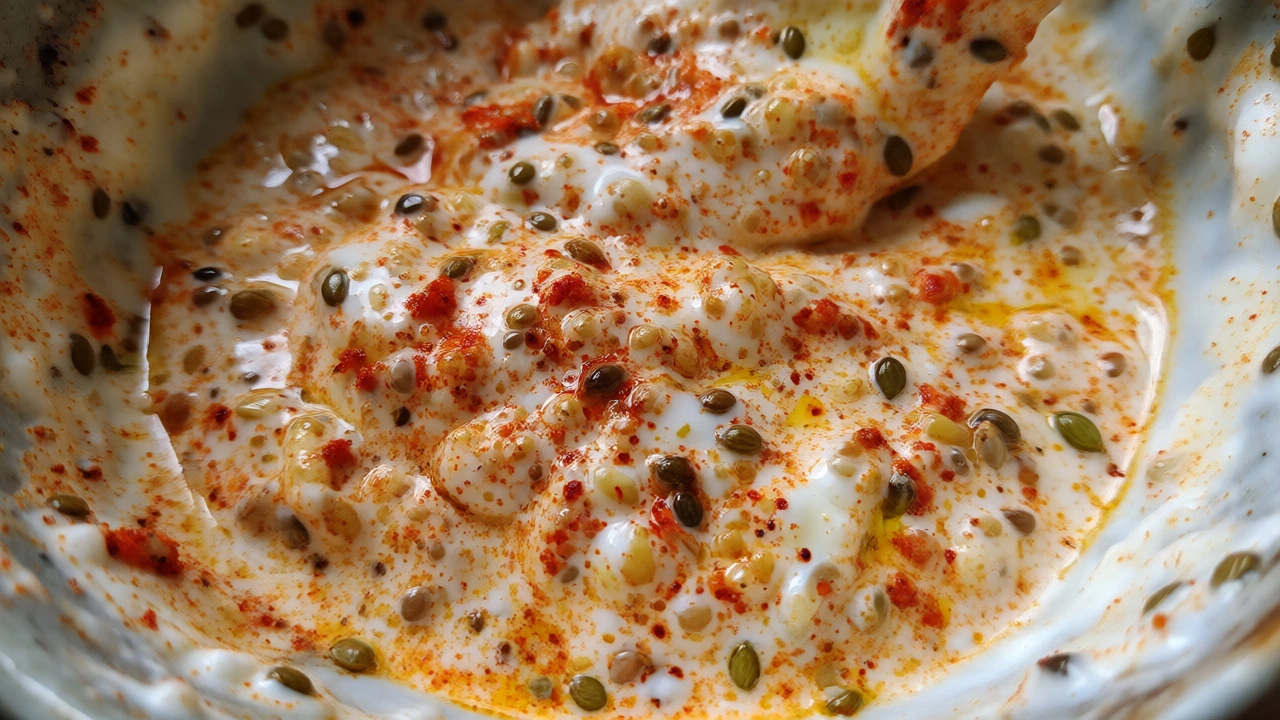
Look at any authentic recipe, and you’ll see thick Greek-style yogurt as the base of the marinade. Many people assume this is just to make the sauce creamy. Actually, the lactic acid in the yogurt acts as a natural tenderizer. The protein chains in the chicken break down slightly under the acidic conditions, making the meat softer without turning it mushy, which can happen with harsher acids like lemon juice or vinegar.
Beyond tenderness, yogurt serves as a delivery system for fat-soluble spices. Ingredients like paprika, chili powder, and garam masala don’t dissolve well in water, but they bind beautifully to the fats in yogurt. This means every bite gets an even distribution of flavor rather than pockets of spice and bland meat. The yogurt also caramelizes during cooking, adding a subtle sweetness that balances the heat from the chilies. Without this dairy component, you’d end up with dry, overly spicy meat that lacks depth.
Spice Layering and Aroma Compounds
Tandoori spice mixes aren’t random dumps of powder. They are carefully constructed profiles designed to hit different notes in your palate simultaneously. You have heat from Kashmiri red chili, warmth from ginger and garlic, earthiness from cumin, and brightness from coriander. When these spices hit the hot oil in the marinade, their volatile aromatic compounds release rapidly.
| Ingredient | Primary Function | Flavor Profile Contribution |
|---|---|---|
| Kashmiri Chili | Color & Mild Heat | Vibrant red hue, low burn |
| Garam Masala | Aromatic Depth | Warm, sweet, complex notes |
| Ginger-Garlic Paste | Pungency & Tenderizing | Sharp, fresh, savory kick |
| Lemon Juice | Acidity Balance | Cuts through richness |
| Mustard Oil | Fat Carrier | Distinct pungent aroma |
Notice the use of mustard oil in traditional Punjabi recipes. Unlike neutral vegetable oils, mustard oil has a sharp, pungent scent that mellows when heated but leaves a distinct background note that defines regional tandoori flavors. If you substitute olive oil or canola oil, you lose that signature edge. The spices are also often toasted lightly before grinding, which activates essential oils that remain dormant in raw powders. This extra step ensures the aroma penetrates the meat fibers rather than sitting on the surface.
The Char Factor: Why Burnt Tastes Good
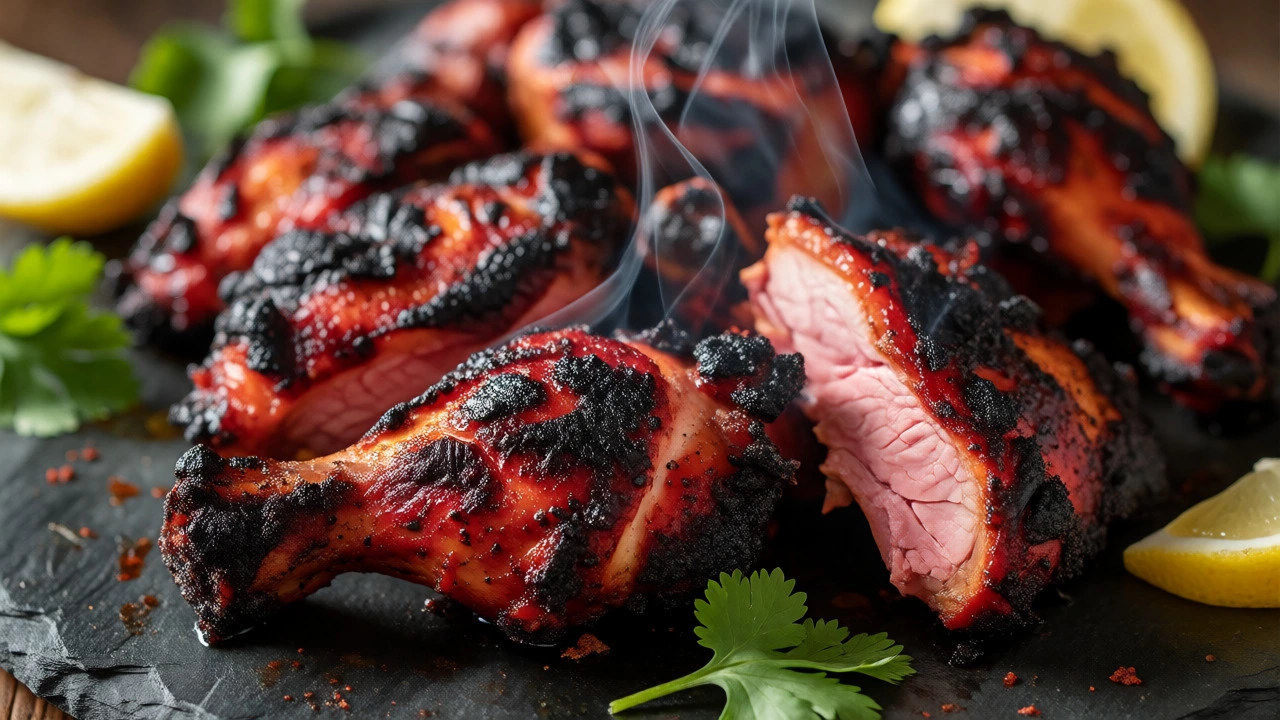
Let’s be honest: part of the appeal of tandoori chicken is the blackened bits. Those charred edges aren’t mistakes; they’re features. High-heat grilling creates polycyclic aromatic hydrocarbons and other compounds that humans are evolutionarily wired to find appealing. We associate smoke and char with cooked, safe-to-eat food. In tandoori preparation, the sugar in the yogurt and the natural sugars in the meat caramelize and carbonize quickly, creating a bitter-sweet contrast against the fatty richness of the chicken thigh.
This bitterness stimulates saliva production, which helps cut through the fat. It’s a sensory balancing act. If the chicken were perfectly uniform in color, it would taste one-dimensional. The variation in doneness-from rare-ish pink near the bone to fully charred on the tips-provides textural variety. Each bite offers a different ratio of soft meat to crispy crust, keeping your palate engaged throughout the meal.
Marination Time Matters More Than You Think
You can’t rush tandoori chicken. While 30 minutes will give you some flavor, overnight marination transforms the dish. The salt in the marinade draws moisture out of the muscle cells initially, then reabsorbs along with the dissolved spices and yogurt proteins. This process, known as osmosis, allows the seasoning to penetrate deep into the flesh rather than coating only the outside.
- Short Marination (1-2 hours): Surface flavor, mild tenderization.
- Medium Marination (4-6 hours): Better penetration, noticeable texture change.
- Long Marination (Overnight): Deep flavor infusion, maximum tenderness, best char formation.
If you skip this waiting period, you’ll notice the meat tastes bland in the center. The difference between a good plate and a great one is almost always time. Patience pays off here more than in almost any other quick-cook method.
Replicating the Taste at Home
Living in Wellington, I don’t have a clay oven in my backyard, but I still crave that tandoori taste. Here’s how to cheat the system using standard kitchen tools. Preheat your oven to its highest setting (usually 250°C or 480°F) with a rack placed close to the top element. Use a broiler pan to catch drippings and allow air circulation underneath the chicken.
To mimic the smoky flavor missing from electric ovens, add a pinch of smoked paprika to your marinade. Some chefs drop a piece of charcoal onto aluminum foil in the serving bowl, pour a little ghee on it, and cover the bowl for ten minutes. This infuses the cooked chicken with a genuine smoky aroma that rivals the tandoor effect. Don’t overcrowd the baking sheet; if pieces touch, they steam instead of roast, ruining the char.
Can I make tandoori chicken without a tandoor?
Yes, absolutely. While a traditional clay oven provides unique high heat and humidity, you can achieve excellent results using a conventional oven set to its highest temperature combined with the broiler function. Using a cast-iron skillet or a grill pan can also help replicate the charred exterior by providing direct contact heat.
Why is my tandoori chicken dry?
Dryness usually comes from using lean cuts like breast meat without enough fat content, or overcooking. Traditional tandoori chicken uses leg quarters or thighs because the higher fat content keeps the meat moist during high-heat cooking. Additionally, ensuring the marinade contains sufficient yogurt and oil helps protect the meat from drying out.
What makes tandoori chicken red?
The vibrant red color primarily comes from Kashmiri red chili powder, which provides intense color with relatively mild heat. Some restaurants add artificial red food coloring for a brighter hue, but authentic homemade versions rely on natural paprika and chili pigments mixed with the orange-yellow tint of turmeric and the white of yogurt.
Is tandoori chicken healthy?
Generally, yes. It is grilled rather than fried, reducing calorie intake from added oils. The yogurt marinade adds protein and probiotics, while the spices offer anti-inflammatory benefits. However, watch out for excessive salt or cream-heavy variations served in some restaurants, which can increase saturated fat content.
How long should I marinate tandoori chicken?
For the best flavor and texture, marinate the chicken for at least 4 hours, preferably overnight in the refrigerator. This allows the acidic components in the yogurt to tenderize the meat and the spices to penetrate deeply into the muscle fibers.