Dal Belly Fat Loss Calculator
Select Your Daily Dal
Choose the type of lentil you plan to eat today to see its impact on your weight loss journey.
Nutritional Breakdown
That stubborn layer of fat around your midsection is frustrating. You might be cutting carbs or skipping dinner, but the scale isn't moving. What if the answer isn't another restrictive diet, but a humble bowl of lentil soup? In Indian cuisine, dal is more than just a side dish; it’s a powerhouse of nutrition that can actually help you shed those extra pounds.
The key to using dal for weight loss lies in understanding which specific lentils offer the best balance of protein, fiber, and low calories. Not all dals are created equal when it comes to metabolism boosting. Some are heavy on starch, while others are light on digestion and high in satiety. Let's break down exactly which lentils work best for your body and how to cook them simply so they stay effective.
Why Dal Works for Weight Loss
Before picking a specific type, it helps to understand why lentils are a weight-loss friend. The magic happens because of two main components: protein and fiber. When you eat a meal high in both, you feel full longer. This stops you from snacking on chips or cookies an hour later.
Lentils also have a low glycemic index (GI). This means they release sugar into your bloodstream slowly. Stable blood sugar levels prevent insulin spikes. High insulin tells your body to store fat, especially around the belly. By keeping insulin stable, you keep your body in fat-burning mode rather than fat-storage mode.
Does eating dal directly burn belly fat?
No food burns fat directly. However, dal helps create a calorie deficit by keeping you full with fewer calories. It also stabilizes blood sugar, which reduces fat storage signals in the body.
The Top Dals for Belly Fat Loss
If you want results, you need to choose the right legume. Here are the top contenders, ranked by their effectiveness for weight management.
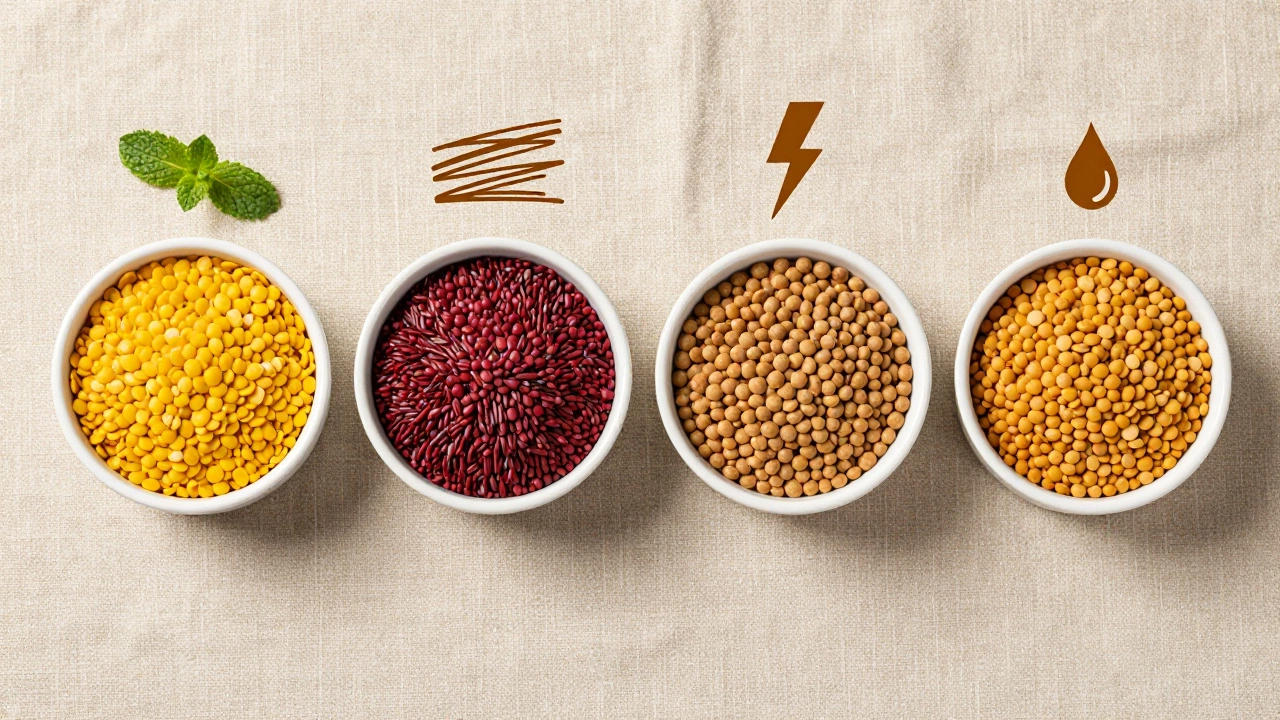
1. Moong Dal (Yellow Mung Bean)
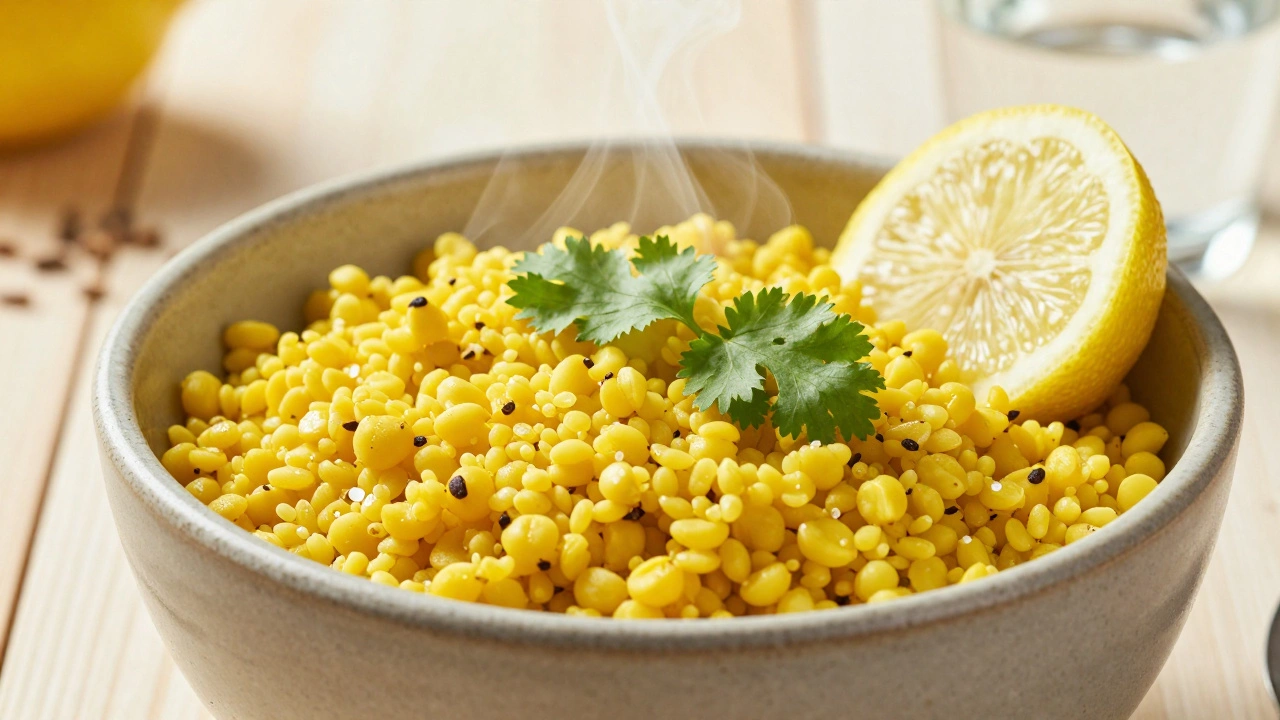
Moong Dal is the gold standard for weight loss diets in India. It is the easiest to digest and has the lowest calorie count among common dals. One cup of cooked yellow moong dal contains roughly 120-130 calories and about 7 grams of protein. Because it digests quickly, it doesn’t sit heavy in your stomach, reducing bloating. Bloating often makes the belly look larger even if you aren't gaining fat.
It is rich in folate and iron, which support energy levels. When you have energy, you move more, and movement burns calories. Plus, its mild flavor means you don't need heavy spices or ghee to make it tasty.
2. Masoor Dal (Red Lentil)
Masoor Dal is a quick-cooking red lentil that is high in fiber. Like moong dal, masoor dal cooks fast-usually in under 15 minutes. It is packed with soluble fiber. Soluble fiber absorbs water and forms a gel-like substance in your gut. This slows down digestion and keeps hunger hormones at bay. A cup of cooked masoor dal has about 116 calories and 9 grams of protein.
It is also a good source of magnesium. Magnesium helps regulate blood sugar and improves sleep quality. Poor sleep is linked to increased belly fat, so this indirect benefit is huge.
3. Chana Dal (Bengal Gram)
Chana Dal is split chickpeas that provide sustained energy and high protein. If you struggle with afternoon cravings, chana dal is your best friend. It has a higher protein content than moong or masoor. One cup offers about 134 calories and 8-9 grams of protein. It takes longer to cook, which means it retains more of its structural integrity and fiber content.
Chana dal has a lower glycemic index compared to other dals. This makes it excellent for people who are pre-diabetic or insulin resistant, conditions that often lead to central obesity.
4. Arhar Dal (Toor Dal)
Toor Dal is a staple split pigeon pea that is balanced in nutrients. While slightly higher in calories than moong dal, toor dal is incredibly nutritious. It is rich in antioxidants and minerals like potassium. Potassium helps reduce water retention. Sometimes, what looks like belly fat is actually water weight. Toor dal helps flush out excess sodium and water.
Dals to Limit for Weight Loss
Not every lentil is a weight-loss hero. Urad Dal is black gram that is heavier and harder to digest. While healthy, urad dal is denser and higher in calories. It can cause bloating if you eat large portions. If you are trying to lose belly fat, stick to lighter dals like moong and masoor during the day. Save urad dal for occasional meals or smaller servings.
Also, watch out for mixed dals. Many commercial "mixed dal" packets contain rice or potatoes. These add unnecessary carbohydrates and calories. Always check the label or buy whole lentils separately.
Simple Dal Recipe for Weight Loss
You don't need complicated cooking methods. In fact, simple is better. Overcooking can break down fiber, and adding too much oil negates the calorie deficit. Here is a foolproof recipe for a slimming Moong Dal.
- Rinse well: Take 1 cup of yellow moong dal. Rinse it under cold water until the water runs clear. This removes excess starch.
- Pressure cook: Add the dal to a pressure cooker with 2 cups of water. No salt yet. Cook for 2-3 whistles. Let the pressure release naturally.
- Prepare the tempering (Tadka): Heat 1 teaspoon of olive oil or mustard oil in a small pan. Add 1 teaspoon of cumin seeds. Wait for them to splutter.
- Add aromatics: Add 1 finely chopped onion, 1 chopped tomato, and 1 green chili. Sauté until the onions turn translucent.
- Spice it up: Add 1/2 teaspoon of turmeric powder, 1/2 teaspoon of coriander powder, and 1/4 teaspoon of red chili powder. Mix well.
- Combine: Pour the tempered spices into the cooked dal. Mash the dal lightly with a ladle if you prefer a smoother texture.
- Season: Add salt to taste. Simmer for 5 minutes on low heat.
- Garnish: Turn off the heat. Add a handful of fresh cilantro and a squeeze of lemon juice. The lemon adds vitamin C, which aids iron absorption.
This recipe uses minimal oil and no cream or butter. It is light, flavorful, and perfect for lunch or dinner.
How to Eat Dal for Maximum Fat Loss
Eating the right dal is only half the battle. How you combine it matters just as much.
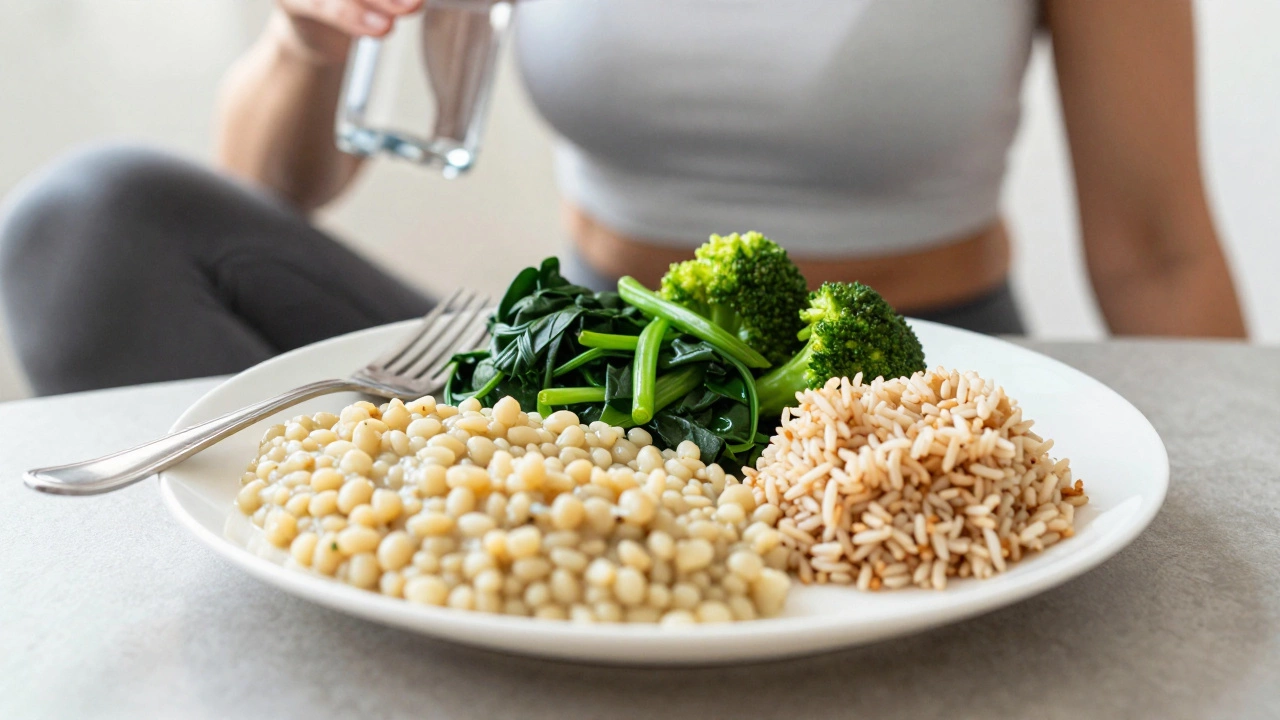
- Pair with non-starchy vegetables: Instead of serving dal with white rice, serve it with sautéed spinach, broccoli, or cauliflower. This increases volume without adding calories.
- Limit the rice: If you must eat rice, limit it to 1/2 cup of brown rice or quinoa. White rice spikes blood sugar quickly. Try a ratio of 2 parts dal to 1 part rice.
- Avoid heavy tadka: Traditional dal recipes often use lots of ghee or oil for the tempering. Stick to 1 teaspoon of healthy oil per serving. Use spices like cumin, fennel, and asafoetida (hing) for flavor instead of fat.
- Eat early: Try to finish your dal meal by 7 PM. Digestion slows down at night. Eating heavy proteins late can disrupt sleep and metabolism.
- Stay hydrated: Fiber needs water to work. Drink plenty of water throughout the day to help the fiber in the dal move through your digestive system.
Comparison of Popular Dals
| Dal Type | Calories | Protein (g) | Fiber (g) | Best For |
|---|---|---|---|---|
| Moong Dal (Yellow) | 120 | 7 | 8 | Easy digestion, low calorie |
| Masoor Dal (Red) | 116 | 9 | 11 | High fiber, quick cooking |
| Chana Dal | 134 | 8 | 12 | Satiety, low GI |
| Toor Dal | 110 | 8 | 9 | Balanced nutrition |
| Urad Dal | 140 | 9 | 10 | Strength building (limit for weight loss) |
Frequently Asked Questions
Can I drink dal water for weight loss?
Drinking the water left over after boiling dal (often called 'dal ka paani') is not recommended for weight loss. Most of the nutrients remain in the solid lentils. The water may contain some dissolved starches and salts, but it lacks the fiber and protein needed for satiety. Stick to eating the dal itself.
Is overnight soaked moong dal better for weight loss?
Yes, soaking moong dal overnight reduces anti-nutrients like phytates, making nutrients more absorbable. It also reduces cooking time and gas formation. Sprouted moong dal is even better as it has higher protein content and easier digestibility.
How much dal should I eat daily to lose belly fat?
Aim for one serving (about 1/2 to 1 cup) of dal per day. This provides enough protein and fiber to aid weight loss without exceeding your calorie goals. Consistency is key; eat it daily for at least 4-6 weeks to see changes.
Can I replace rice with dal entirely?
You can significantly reduce rice intake, but replacing it entirely with dal might make your diet monotonous and potentially high in certain amino acids while lacking others. A balanced approach is to reduce rice portions and increase dal and vegetable portions. Consider mixing dal with quinoa or millet for variety.
Does adding lemon to dal help with fat loss?
Lemon itself doesn't burn fat, but it enhances the absorption of iron from the dal. Iron is crucial for energy production. Higher energy levels mean you're more likely to be active throughout the day, which indirectly supports weight loss. It also adds flavor without calories.