Satiety Score Calculator
Enter the nutritional values for one serving of your snack.
Analysis Result
Enter details to see if this snack will keep you full.
Have you ever eaten a bowl of chips or a plate of samosas only to feel hungry again an hour later? It’s frustrating. You wanted a snack, but instead, you got a sugar crash and a stomach ache. The problem isn’t that you’re eating too much; it’s that you’re eating the wrong things. Most popular snacks are empty calories. They lack the nutrients your body needs to signal "I am full."
If you want to stop snacking constantly, you need to understand what actually keeps you full. It comes down to three things: protein, fiber, and volume. When you combine these with traditional Indian snacks that are naturally nutrient-dense, you get meals that satisfy your cravings without blowing your calorie budget. Let’s look at what really works.
The Science of Satiety: Why Some Foods Fill You Up
Before we talk about specific recipes, let’s quickly cover why some foods keep you full while others don’t. It’s not magic; it’s biology. Your brain receives signals from your gut to tell you when to stop eating. Two hormones play a huge role here: ghrelin (the hunger hormone) and leptin (the fullness hormone).
Protein is the most satiating macronutrient. Studies consistently show that a meal high in protein reduces ghrelin levels more than carbs or fats do. If you eat a handful of almonds or a bowl of sprouts, the protein slows down digestion. This means your blood sugar stays stable. No spike, no crash, no sudden urge to raid the pantry.
Then there is Fiber. Fiber adds bulk to your food without adding many calories. It physically stretches your stomach, sending mechanical signals to your brain that say, "Hey, we have stuff in here." Soluble fiber, found in oats and legumes, turns into a gel-like substance in your gut, slowing down absorption even further. Insoluble fiber, found in whole grains and vegetables, keeps things moving. You need both.
Finally, consider water content. Foods like cucumbers, tomatoes, and soups have high water volume. They take up space in your stomach, making you feel physically full. This is why a big salad can be just as satisfying as a small sandwich if prepared right.
Top Filling Indian Snacks That Actually Work
Indian cuisine is a goldmine for healthy, filling options. Unlike Western snacks that often rely on refined flour and sugar, traditional Indian cooking uses lentils, chickpeas, yogurt, and spices. Here are five specific options that hit the sweet spot of taste and satiety.
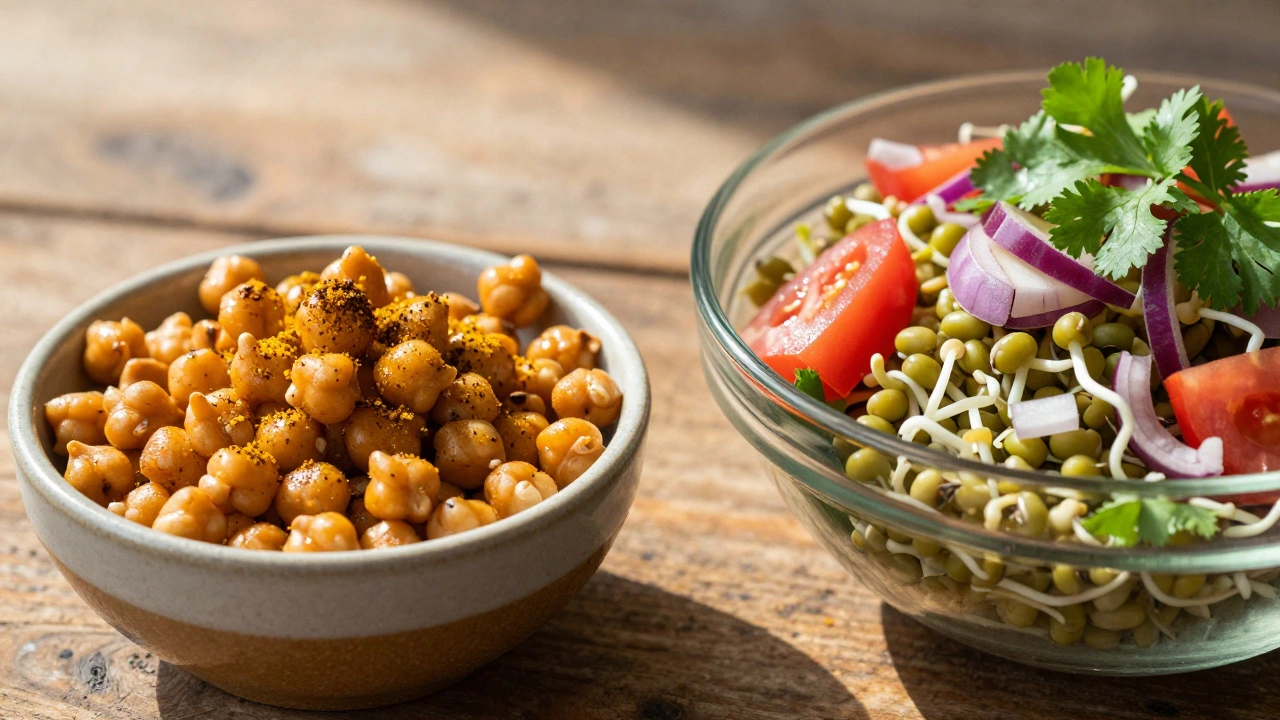
1. Roasted Chana (Chickpeas)
You’ve probably seen bags of roasted chana in stores, but making them at home is cheaper and healthier. Chickpeas are packed with both protein and fiber. One cup of cooked chickpeas has about 15 grams of protein and 12 grams of fiber. That’s a lot of staying power.
To make them crunchy, rinse canned chickpeas or boil dry ones until tender. Toss them with olive oil, cumin powder, turmeric, and a pinch of salt. Roast them in the oven at 400°F (200°C) for 20-30 minutes until crispy. These last for days in an airtight container. They are perfect for crunch lovers who miss chips.
2. Sprouted Moong Salad
Sprouting moong dal (green gram) increases its nutritional value significantly. It makes the proteins easier to digest and boosts vitamin C content. A bowl of sprouted moong mixed with diced onions, tomatoes, lemon juice, and chopped cilantro is light yet incredibly filling.
The key here is the volume. Because sprouts are mostly water and fiber, you can eat a large portion without worrying about calories. Add a tablespoon of flaxseeds for extra omega-3s. This salad takes ten minutes to prepare and keeps you satisfied for hours.
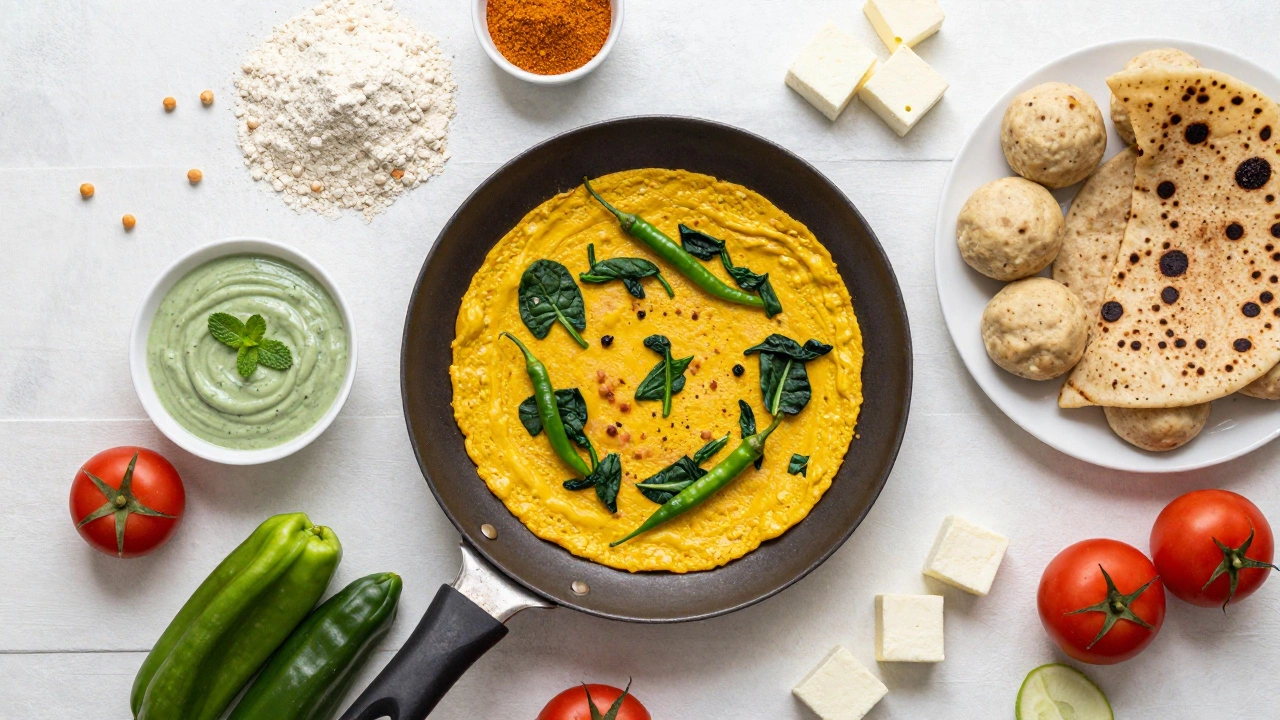
3. Besan Cheela (Gram Flour Pancakes)
If you crave something warm and savory, besan cheela is your best friend. Gram flour (besan) is made from chickpeas, so it’s high in protein and low in glycemic index. Mix one cup of besan with water to form a batter. Add grated spinach, finely chopped onions, green chilies, and ginger.
Pour the batter onto a hot non-stick pan and cook like a crepe. Serve with mint chutney. The combination of protein from the besan and fiber from the vegetables creates a dense, satisfying meal. It’s far superior to a plain toast or a biscuit.
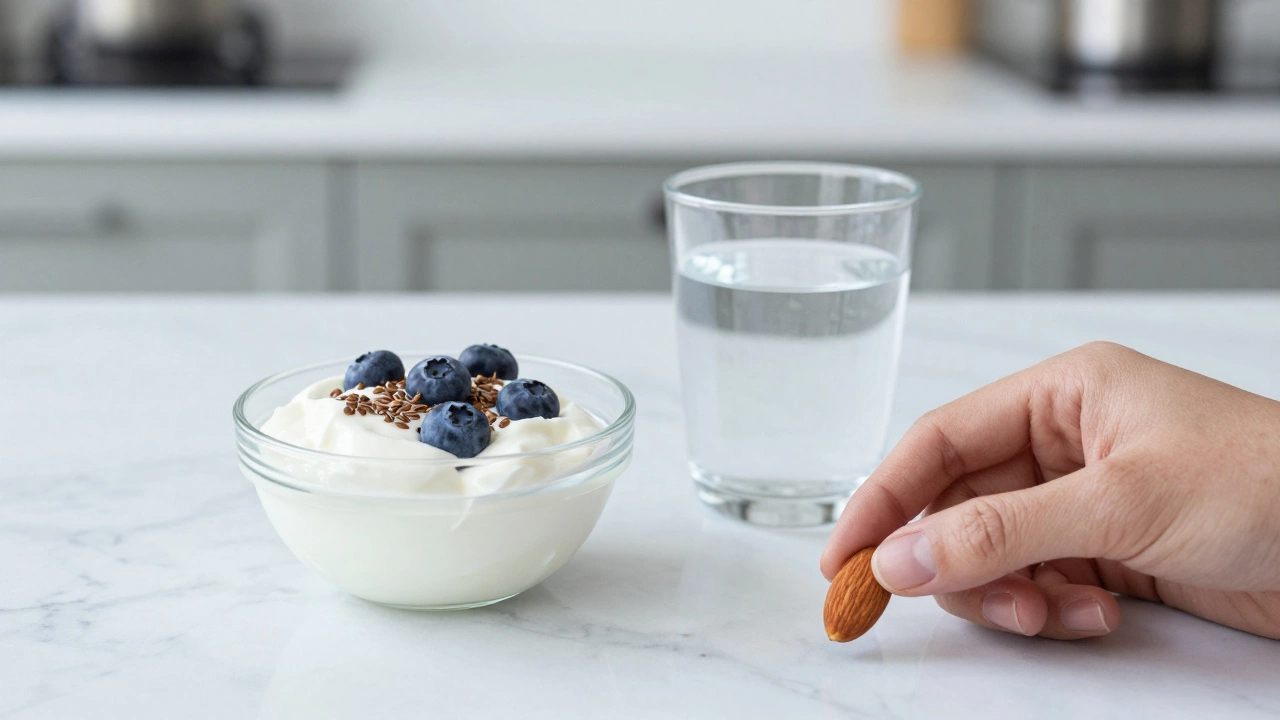
4. Greek Yogurt with Flaxseeds
Yogurt, or dahi, is a staple in Indian households. For maximum satiety, choose thick, unsweetened Greek yogurt or hung curd. It has twice the protein of regular yogurt. Top it with a tablespoon of ground flaxseeds and a few berries or sliced cucumber.
The probiotics in yogurt support gut health, which indirectly helps regulate appetite. A healthy gut microbiome communicates better with your brain regarding hunger signals. This simple snack is creamy, cool, and keeps hunger at bay.
5. Vegetable Stuffed Paratha (Whole Wheat)
A paratha doesn’t have to be unhealthy. The secret is using whole wheat flour (atta) and stuffing it with nutrient-dense veggies. Mash boiled potatoes with peas, carrots, and paneer (cottage cheese). Wrap this mixture in rolled-out dough and cook on a tawa with minimal ghee or oil.
The complex carbohydrates in whole wheat provide slow-releasing energy. The paneer adds casein protein, which digests slowly. This snack is ideal for late afternoons when you need sustained energy until dinner.
| Snack Item | Calories (approx.) | Protein (g) | Fiber (g) | Satiety Score |
|---|---|---|---|---|
| Roasted Chana (1 cup) | 270 | 15 | 12 | High |
| Samosa (1 piece) | 250 | 4 | 2 | Low |
| Besan Cheela (1 medium) | 180 | 10 | 6 | High |
| Mixed Nuts (1 oz) | 170 | 5 | 3 | Medium |
| Fruit Juice (1 glass) | 120 | 0 | 0 | Very Low |
Ingredients to Avoid for Better Fullness
Knowing what to eat is half the battle. Knowing what to avoid is the other half. Certain ingredients trigger overeating by disrupting your body’s natural feedback loops.
Avoid refined white flour (maida). Maida products like biscuits, pastries, and white bread break down into glucose very quickly. This causes a rapid spike in insulin, followed by a sharp drop in blood sugar. That drop is what makes you crave more sugar and carbs shortly after eating. Switch to whole grains like oats, quinoa, or brown rice.
Watch out for added sugars. Many packaged Indian snacks, such as namkeen or mathri, contain hidden sugars to enhance flavor. Sugar provides empty calories with zero nutritional value. It doesn’t trigger satiety hormones effectively. Read labels carefully. If sugar is in the top three ingredients, put it back.
Limit liquid calories. Drinking your calories in the form of sugary lassis, fruit juices, or sodas doesn’t make you feel full. Liquids pass through the stomach faster than solids. Your brain doesn’t register liquid calories as reliably as solid food. Stick to water, herbal tea, or black coffee between meals.
Practical Tips for Snack Timing and Portion Control
Even the healthiest snack can lead to weight gain if you eat too much of it. Timing and portion size matter just as much as ingredient quality.
Try to snack every 3-4 hours. This prevents your blood sugar from dropping too low, which triggers intense hunger pangs. If you wait six hours between meals, you’re likely to overeat when you finally do eat. Aim for a balanced snack around 3 PM and another lighter one before bed if needed.
Pre-portion your snacks. Don’t eat directly from the bag or the jar. Use small bowls. Research shows that people eat more when they serve themselves from large containers. Putting a specific amount in a bowl creates a psychological endpoint to your eating session.
Hydrate first. Sometimes thirst masks itself as hunger. Before reaching for a snack, drink a glass of water. Wait ten minutes. If you’re still hungry, then eat. This simple trick saves countless unnecessary calories.
Common Mistakes People Make
One common error is thinking "healthy" means "low fat." Fat is essential for satiety. Healthy fats from avocados, nuts, seeds, and olive oil slow down gastric emptying. Removing all fat from your diet can actually make you hungrier because your food passes through your system too quickly.
Another mistake is relying solely on fruits for snacks. While fruits are healthy, they contain fructose. Eating large amounts of fruit alone can spike blood sugar. Pair fruit with a source of protein or fat, like apple slices with peanut butter or berries with yogurt. This balances the glycemic load and extends the feeling of fullness.
Don’t ignore sleep. Lack of sleep increases ghrelin and decreases leptin. If you’re sleeping less than seven hours a night, your body will crave high-calorie, high-carb foods. Prioritize rest as part of your dietary strategy.
Is it okay to eat snacks every day?
Yes, snacking is fine if the snacks are nutritious and fit within your daily calorie needs. The goal is to prevent extreme hunger, not to graze constantly. Choose whole foods like nuts, fruits, or yogurt over processed packages.
Which Indian snack is best for weight loss?
Roasted chana and sprouted moong salads are excellent choices. They are high in fiber and protein, which promote satiety and metabolism. They also have a lower calorie density compared to fried snacks like pakoras or samosas.
Can I replace dinner with a healthy snack?
It depends on the snack. A substantial meal like besan cheela with vegetables can work as a light dinner. However, ensure you are getting enough protein and micronutrients. Skipping dinner entirely often leads to bingeing the next day.
How much protein should I have in a snack?
Aim for at least 10-15 grams of protein per snack. This amount is sufficient to trigger satiety hormones and preserve muscle mass. Examples include a cup of Greek yogurt, a handful of almonds, or a serving of roasted chickpeas.
Are store-bought Indian snacks healthy?
Most store-bought namkeens and biscuits are high in refined flour, salt, and preservatives. They are generally not filling and can lead to overeating. Homemade versions allow you to control ingredients and use whole grains and natural spices.