Find Your Vegetarian Travel Paradise
Not all vegetarian destinations are created equal. Select your profile below to discover which country offers the easiest experience for you.
Why it's a match:
Watch Out For:
You step off the plane in a new city, stomach rumbling. You walk into the first restaurant you see. The menu is a wall of meat. Or worse, it’s just rice and potatoes with a side of disappointment. If you are vegetarian or vegan, this anxiety is real. But here is the good news: some places on Earth practically beg you to eat plants. In fact, in certain countries, being vegetarian isn't a lifestyle choice-it's the default setting.
So, what country is it easiest to be vegetarian? The answer depends on whether you want ancient tradition, modern innovation, or just a place where you won't accidentally order chicken soup. While India often comes to mind immediately due to its deep cultural roots, other nations like Thailand, Italy, and Germany have carved out surprising niches for plant-eaters. Let’s look at the map and find your next food paradise.
The Undisputed Champion: India
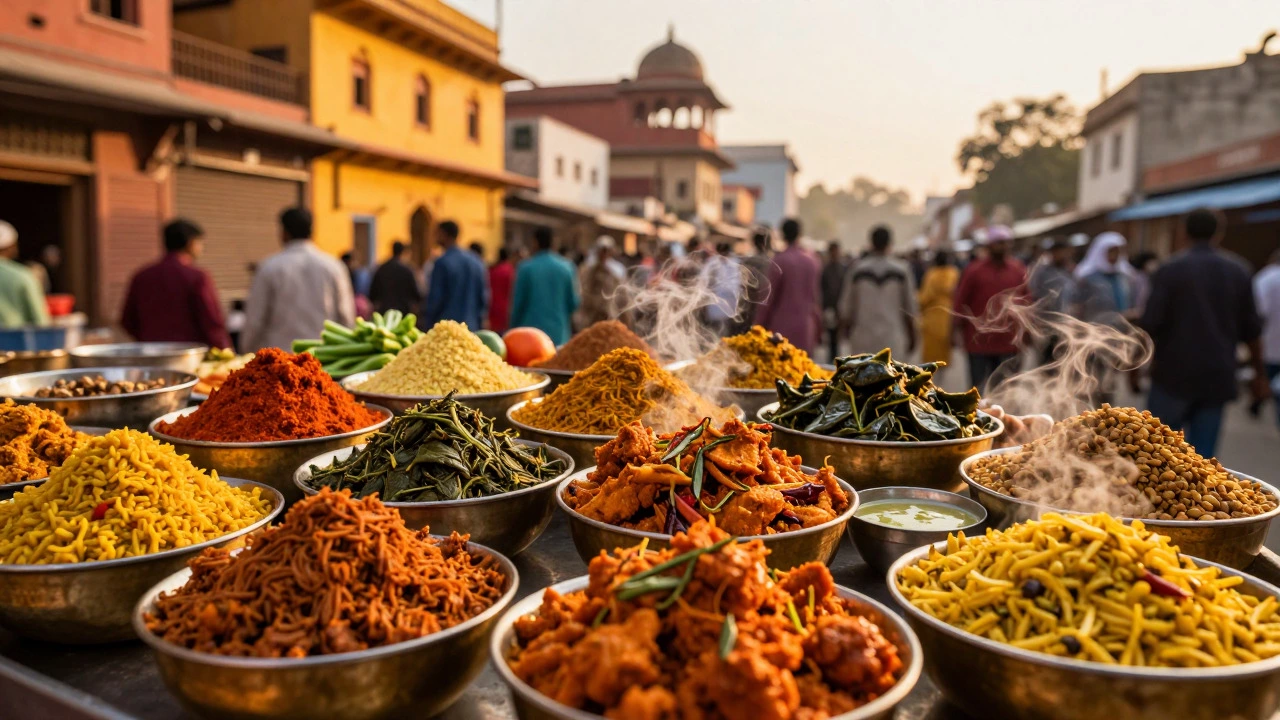
If there is a heavyweight champion of vegetarianism, it is India, a nation where millions practice vegetarianism due to religious beliefs in Hinduism, Jainism, and Buddhism. Here, vegetables aren’t an afterthought; they are the main event. You don’t have to hunt for a 'vegan option.' You simply sit down, and the food arrives.
In India, the variety of vegetarian Indian dishes that include complex spice blends, lentils, legumes, and seasonal produce prepared without animal products is staggering. Think of Chana Masala (spiced chickpeas), Palak Paneer (spinach with cottage cheese), or the fiery Andhra-style curries. The complexity rivals any meat-based cuisine globally. However, there is a catch: dairy. Traditional Indian vegetarianism usually includes milk, yogurt, and ghee (clarified butter). For strict vegans, you need to ask questions. But for lacto-vegetarians, India is heaven.
- Jain Cuisine: A subset of Indian vegetarianism that excludes root vegetables (like onions and garlic) to avoid killing insects living near them. This is the purest form of plant-based eating in the world.
- Street Food: From Pani Puri to Vada Pav, street stalls offer cheap, delicious, and entirely plant-based options everywhere from Mumbai to Delhi.
- Availability: Even in remote villages, you will find dal (lentil soup) and roti (bread). You cannot starve as a vegetarian in India.
The Southeast Asian Surprise: Thailand
While India leads in tradition, Thailand offers a vibrant culinary landscape where Buddhist influences encourage frequent meatless meals. Thai food is famous for its balance of sweet, sour, salty, and spicy flavors-and much of that flavor comes from herbs, chilies, and coconut milk, not meat.
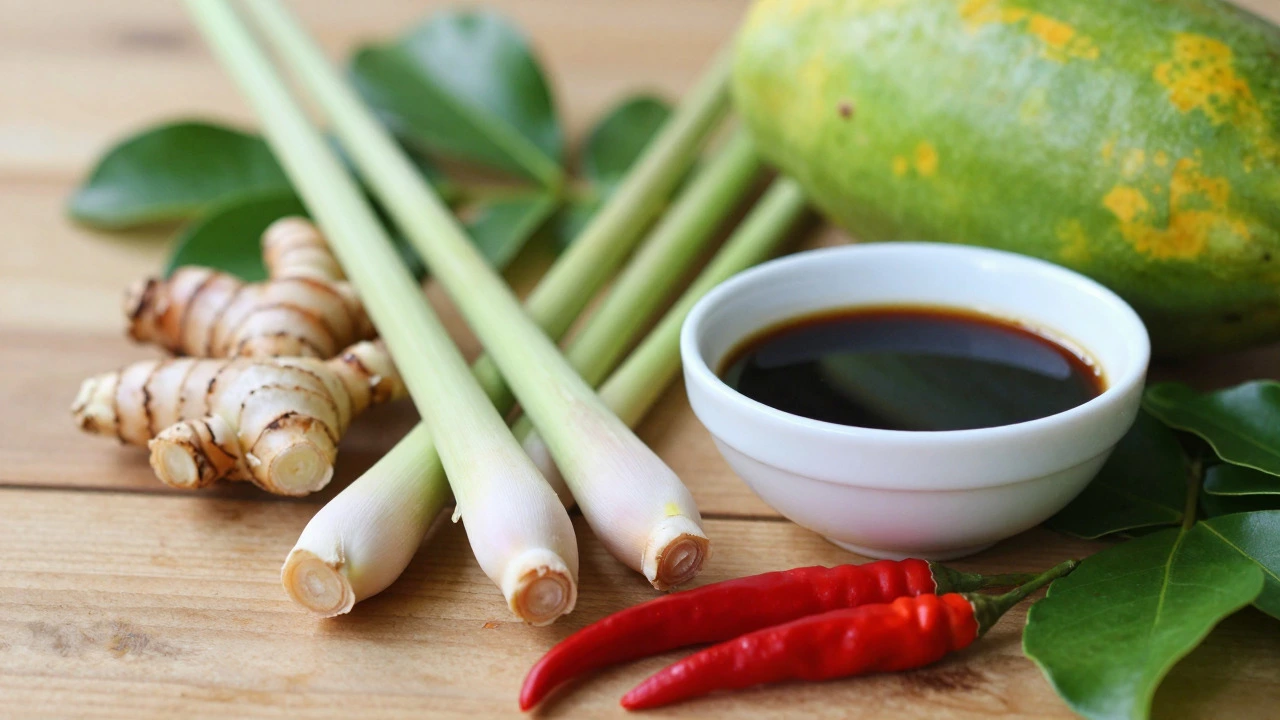
Many tourists assume Thai food is all chicken satay or pork larb. They are wrong. The backbone of Thai home cooking is vegetables. Dishes like Gang Hokkien (Chinese broccoli curry) or Som Tum (green papaya salad) are naturally vegan if you skip the fish sauce. Speaking of which, fish sauce (nam pla) is the hidden enemy. It’s in almost everything savory. But Thais are incredibly accommodating. Just say "mai sai nam pla" (no fish sauce), and watch the chef swap it for soy sauce or salt.
Bangkok, in particular, has exploded with high-end vegan restaurants. You can get a full five-course tasting menu featuring jackfruit pulled-pork style or tofu rendang. It’s easy because the culture respects the ingredient quality. Fresh basil, lemongrass, and galangal make a bowl of plain greens taste luxurious.
The Mediterranean Model: Italy and Greece
Move to Europe, and the game changes. In Italy, Mediterranean dietary patterns emphasize olive oil, fresh vegetables, legumes, and whole grains, vegetarianism feels natural because the best Italian food was originally peasant food. Peasants couldn’t afford much meat, so they perfected pasta with tomatoes, beans, and eggplant.
Dishes like Pasta e Fagioli (pasta and beans), Caprese Salad (tomato, mozzarella, basil), and Polenta with mushrooms are staples. The key here is simplicity. You don’t need fancy substitutes. A ripe tomato and good olive oil do the heavy lifting. However, beware of hidden meat stocks in soups or lard in pastas. Always ask: "Is the broth vegetable-based?" Italians are proud of their ingredients, so they will tell you honestly.
Greece follows a similar path. Greek cuisine relies heavily on olives, feta cheese, spinach, and grilled vegetables. Fava (yellow split pea purée) and Horta (wild greens) are common sides. The Mediterranean diet is scientifically linked to heart health, largely because it centers on plants. Eating here is easy, but again, watch out for honey in desserts and dairy in salads.

The Modern Powerhouse: Germany
If you think Europe is slow to adapt, look at Germany, which has seen a surge in plant-based consumption driven by environmental concerns and innovative food technology. Berlin is arguably the most vegan-friendly city in the world right now. You can find vegan bakeries, vegan ice cream shops, and even vegan butcher shops selling plant-based sausages.
German supermarkets stock more plant-based milk alternatives than many US stores. Oat milk, almond milk, and pea protein are standard. The rise of companies like Rügenwalder Mühle and Planta means you can buy convincing plant-based ham and cheese at any corner store. For travelers, this means convenience. You don’t need to cook. You can grab a pre-packaged meal that fits your diet perfectly.
| Country | Primary Driver | Best For | Watch Out For |
|---|---|---|---|
| India | Religion/Culture | Lacto-vegetarians, budget travelers | Dairy (ghee, paneer) |
| Thailand | Buddhism/Flavor | Vegans willing to communicate | Fish sauce, oyster sauce |
| Italy | Tradition/Simplicity | Cheese lovers, wine drinkers | Meat broths, lard |
| Germany | Innovation/Eco | Strict vegans, urban explorers | Price in rural areas |
Why Does Location Matter?
Being vegetarian in a non-vegetarian country requires energy. You read labels. You translate phrases. You worry about cross-contamination. In a vegetarian-friendly country, that mental load disappears. You save time and money. You also gain access to better nutrition. When vegetables are the primary crop, they are fresher and cheaper. In India, a plate of dal and rice costs less than a cup of coffee in New York. In Thailand, market vegetables are picked that morning.
Furthermore, social acceptance matters. In places where everyone eats meat, you might feel like a burden asking for modifications. In India or parts of Germany, you are part of the crowd. No one stares. No one complains. This psychological ease makes the diet sustainable long-term.
Tips for Traveling Vegetarian Globally
Even in the easiest countries, mistakes happen. Here is how to stay safe and satisfied:
- Learn Key Phrases: In Thailand, learn "jay" (strictly vegan/no garlic/onion). In Italy, learn "senza carne" (without meat). In India, know the difference between "veg" (with dairy) and "jain" (no root veggies).
- Stick to Staples: Lentils, chickpeas, rice, and noodles are universal. They are rarely cooked with meat unless specified.
- Avoid Soups and Gravies: These are the most likely places to hide meat stock or gelatin. Stick to dry curries or stir-fries when unsure.
- Use Apps: Apps like HappyCow help locate vegan spots in major cities worldwide, including Berlin and Bangkok.
- Embrace Local Snacks: Street food is often simpler and safer than restaurant entrees. Roasted corn, fruit skewers, and samosas are great bets.
The Verdict
So, what country is it easiest to be vegetarian? If you drink milk and eat cheese, India is unmatched. The depth of flavor and abundance of options are unparalleled. If you are strictly vegan and tech-savvy, Germany offers the highest convenience and variety of processed plant-based foods. If you crave bold spices and fresh herbs, Thailand provides a joyful, flavorful experience.
Ultimately, the "easiest" country is the one that aligns with your specific dietary restrictions and taste preferences. Don’t let fear stop you from traveling. With a little preparation, you can eat well anywhere. And sometimes, the struggle to find food leads you to the most memorable meals of your life.
Is it harder to be vegan or vegetarian in India?
It is significantly easier to be a lacto-vegetarian in India than a strict vegan. Dairy products like ghee (clarified butter), paneer (cheese), and yogurt are ubiquitous in Indian cooking. While vegan options exist, especially in Jain cuisine or modern urban cafes, traditional home-cooked meals almost always include some form of dairy. Vegans must explicitly request no ghee or milk, which may limit choices in rural areas.
Can I find vegan food in rural Italy?
Yes, but you need to be creative. Rural Italy excels at simple vegetable dishes like roasted eggplant, zucchini, and bean stews. However, meat stocks and lard are common bases. Always ask if the dish is "alla contadina" (peasant style), which often implies fewer luxury ingredients like meat. Pasta al dente with olive oil and chili flakes is a safe and delicious bet.
What is the most common hidden non-vegetarian ingredient in Thai food?
Fish sauce (nam pla) is the most pervasive hidden ingredient. It adds umami to curries, stir-fries, and dipping sauces. Oyster sauce is another culprit in noodle dishes. To avoid these, ask for "mai sai nam pla" (no fish sauce) and specify "yum chan" (vegetarian) or "yum jay" (vegan/Jain style) when ordering.
Are German supermarkets good for vegetarians?
German supermarkets are excellent for vegetarians and vegans. Chains like Aldi, Lidl, and Rewe have extensive sections dedicated to plant-based meats, dairy-free cheeses, and alternative milks. Brands like Vivera and Alnatura offer affordable, high-quality options. You can easily assemble a full day of meals from the grocery store without buying any animal products.
Which country has the cheapest vegetarian food?
India generally offers the cheapest vegetarian food in the world. A hearty meal of dal, rice, and vegetables can cost under $1 USD in local eateries. Thailand and Vietnam are also very affordable, with street food options ranging from $1 to $3 per dish. European countries like Italy and Germany are more expensive, though still reasonable compared to North America.